Pale Beardtongue (Penstemon pallidus): A Complete Guide for Cultivation and Care
Penstemon pallidus, commonly known as pale beardtongue, is a charming flowering plant that adds grace and elegance to any garden or landscape. With its delicate blooms and low-maintenance nature, this perennial herbaceous plant is popular among gardeners and landscaping enthusiasts. In this comprehensive guide, we will delve into the cultivation, care, and various uses of pale beardtongue, providing valuable insights for both beginners and seasoned horticulturists.
What is Pale Beardtongue (Penstemon pallidus)?
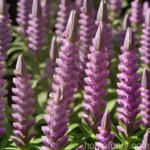
Pale beardtongue (Penstemon pallidus) is a species of flowering plant belonging to the family Plantaginaceae. This native of North America is prized for its slender, tubular flowers that can range in color from pale pink to lavender. The name “beardtongue” is derived from the tuft of small hairs found on the staminode, a sterile stamen within the flower. This unique feature gives the appearance of a fuzzy tongue, hence the name “beardtongue.”
Key Takeaways – Pale Beardtongue (Penstemon pallidus)
Before diving into the details of care and cultivation, let’s summarize the key takeaways for Penstemon pallidus:
-
Pale Beardtongue Care: Pale beardtongue thrives in well-drained soil and requires plenty of sunlight. It is a low-maintenance plant that is relatively drought-tolerant once established.
-
Growing Pale Beardtongue: With proper care, pale beardtongue can be grown successfully in various garden settings, including rock gardens, wildflower meadows, and xeriscapes.
-
Penstemon pallidus Plant Profile: This species features delicate, tubular flowers that attract pollinators, making it a lovely addition to pollinator gardens.
-
Pale Beardtongue Varieties: There are several cultivated varieties of Penstemon pallidus, each with unique flower colors and growth habits.
-
Tips for Cultivating Pale Beardtongue: Effective cultivation and propagation techniques play a key role in maintaining healthy and vibrant pale beardtongue plants.
-
How to Propagate Pale Beardtongue: Understanding the best methods for propagating pale beardtongue ensures successful reproduction and expansion of this beautiful plant species.
-
Pale Beardtongue Flowering Season: Knowing the flowering season of pale beardtongue helps in planning and designing garden landscapes for seasonal color and interest.
-
Pale Beardtongue in Garden Design: Its graceful appearance and durability make pale beardtongue a valuable addition to garden designs.
-
Pale Beardtongue Landscaping Ideas: This versatile plant can be incorporated into a variety of landscaping themes, from naturalistic to formal designs.
-
Benefits of Planting Pale Beardtongue: Pale beardtongue offers ecological and aesthetic benefits, making it a valuable addition to any garden or landscape.
Now, let’s explore the specific care requirements and uses of Penstemon pallidus in more detail.
Culture
Understanding the cultural requirements of pale beardtongue is essential for ensuring its successful growth and development. From water and sunlight preferences to soil conditions and fertilization, each aspect of its culture plays a significant role in the overall health and vigor of the plant.
Uses
The uses of pale beardtongue extend beyond aesthetics, encompassing ecological, medicinal, and symbolic significance. Understanding its various applications sheds light on the plant’s versatile nature and value in different contexts.
Water
Water is a critical factor in the cultivation of pale beardtongue, especially during the establishment phase and periods of drought. Proper watering practices are essential for promoting healthy growth and vibrant blooms.
Sunlight
Sunlight requirements influence the overall performance and flowering of pale beardtongue. Understanding its preferences for sunlight exposure is crucial for selecting appropriate planting locations and ensuring optimal growth.
Fertilizer
While pale beardtongue is relatively low-maintenance, occasional fertilization can support its vigor and blooming potential. Choosing the right fertilizer and application timing is essential for promoting healthy growth.
Soil
The soil conditions directly impact the root development and overall health of pale beardtongue. Understanding its soil preferences and making necessary amendments is crucial for successful cultivation.
Pruning
Pruning plays a key role in maintaining the form and vigor of pale beardtongue. Proper pruning techniques ensure tidy growth and encourage prolific flowering.
Propagation
Understanding the best propagation methods for pale beardtongue is essential for expanding its presence in the garden or landscape. Successful propagation allows for the creation of new plantings and the sharing of this beautiful species with others.
Container Popularity
Pale beardtongue’s suitability for container gardening opens up opportunities for those with limited garden space or specific design preferences. It can thrive in containers when provided with the right care and growing conditions.
Container Common Diseases
Container gardening comes with its own set of challenges, including potential diseases that can affect pale beardtongue. Understanding and preventing these diseases is crucial for maintaining healthy container plants.
Disease Diagnosis
Identifying and addressing diseases that may affect pale beardtongue is essential for preventing widespread damage and ensuring the plant’s long-term health and vitality.
Common Pests
Like all plants, pale beardtongue is susceptible to certain pests that can affect its growth and appearance. Understanding common pests and their control measures is crucial for maintaining healthy plants.
Botanist’s Tips
Insights from botanists and experienced gardeners provide valuable guidance for cultivating and caring for pale beardtongue. These tips can enhance the overall success of growing this delicate and beautiful plant.
Fun Facts
Exploring the fun and fascinating aspects of pale beardtongue sheds light on its ecological importance, cultural significance, and unique botanical characteristics.
Links to External Resources
For more information on pale beardtongue (Penstemon pallidus) and related topics, the following external resources provide valuable insights and in-depth knowledge:
- Wildflower Society – Penstemon pallidus
- National Gardening Association – Pale Beardtongue Care Guide
- The American Horticultural Society – Penstemon pallidus Plant Profile
- Botanical Research Institute of Texas – Native Penstemon Species
These resources offer a range of information, from detailed plant profiles to cultivation guides and conservation efforts related to Penstemon pallidus and its relatives.
In this comprehensive guide, we have explored the fascinating world of pale beardtongue (Penstemon pallidus), from its cultural requirements to its various uses and applications. By understanding its care and cultivation, we can appreciate and enjoy the beauty and ecological value of this lovely flowering plant. Whether used in garden designs, naturalistic landscapes, or eco-friendly gardening practices, pale beardtongue adds a touch of elegance and charm to any setting, while supporting pollinators and native wildlife.
Remember to always refer to trusted sources and seek advice from experienced horticulturists for specific cultivation and care needs. By sharing our knowledge and experiences, we can continue to promote the conservation and appreciation of native plant species such as Penstemon pallidus, enriching our gardens, landscapes, and natural habitats.
Now that you are equipped with a deeper understanding of pale beardtongue and its significance, may your gardening endeavors be enriched by the graceful presence of this captivating plant.
Happy gardening!