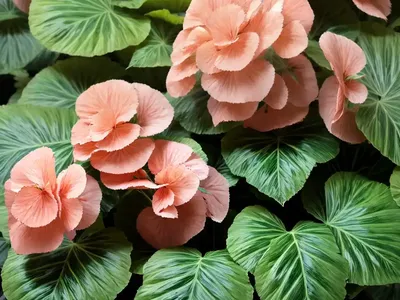
Painted-leaf Begonia (Begonia Rex)
Begonias are popular and diverse plants that come in various shapes, sizes, and colors. Among the vast array of begonia species, the Painted-leaf Begonia.
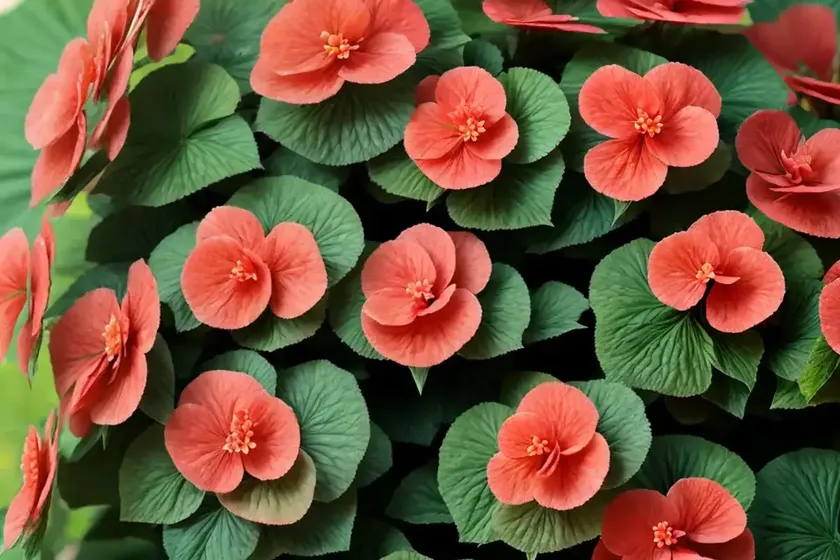
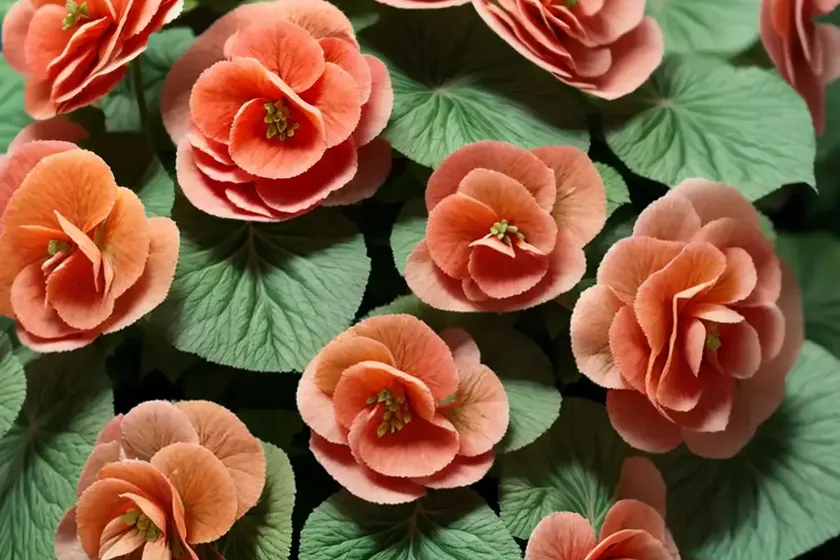
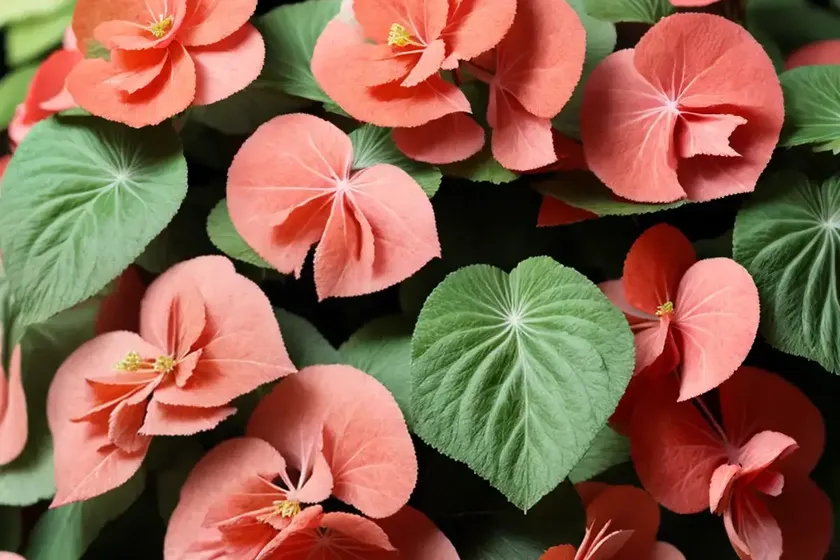
Begonias are popular and diverse plants that come in various shapes, sizes, and colors. Among the vast array of begonia species, the Painted-leaf Begonia, scientifically known as Begonia rex, stands out for its striking foliage and unique characteristics. In this comprehensive guide, we will delve into every aspect of the Painted-leaf Begonia – from its care requirements to its propagation and common diseases. Whether you’re a seasoned plant enthusiast or a beginner looking to add a touch of elegance to your indoor or outdoor space, this guide will equip you with the knowledge to nurture and appreciate the beauty of Begonia rex.
What is Painted-leaf Begonia (Begonia rex)?
Painted-leaf Begonia, or Begonia rex, is a species of begonia known for its remarkably vibrant and eye-catching foliage. Belonging to the Begoniaceae family, Begonia rex is native to the tropical regions of India, China, and Southeast Asia. Unlike many other begonia species, Begonia rex is primarily grown for its stunning leaves rather than its flowers, making it a popular choice for adding color and visual interest to indoor and outdoor spaces.
The unique and varied leaf patterns of Begonia rex have earned it the common name “painted-leaf begonia,” alluding to the striking resemblance of its leaves to intricate paintings. From spiraling swirls of silver to shades of green, pink, and purple, the diverse leaf colors and textures of Begonia rex make it a sought-after plant for collectors and enthusiasts alike.
Key Takeaways – Painted-leaf Begonia (Begonia rex)
Painted-leaf Begonia, with its mesmerizing foliage and relatively manageable care requirements, has captured the hearts of plant lovers worldwide. Here are some key takeaways about Begonia rex that we will explore in detail:
- Culture
- Uses
- Water
- Sunlight
- Fertilizer
- Soil
- Pruning
- Propagation
- Container Popularity
- Common Diseases
- Disease Diagnosis
- Common Pests
- Botanist’s Tips
- Fun Facts
- Links to External Resources
Now, let’s delve deeper into each of these aspects to gain a comprehensive understanding of caring for this exquisite plant.
Culture
Understanding the cultural needs of Begonia rex is crucial for its successful growth and development. By providing the right environmental conditions, you can unlock the full potential of this captivating plant.
Uses
The versatility of Begonia rex makes it a valuable addition to both indoor and outdoor settings. Here are some common uses of this stunning plant:
- Indoor plant: Brighten up your interior spaces such as living rooms, offices, or bedrooms with the colorful foliage of Begonia rex.
- Outdoor plant: In suitable climates, Begonia rex can be grown as a beautiful addition to gardens, patio containers, or shaded outdoor areas.
- Terrarium plant: Due to its compact size and striking leaves, Begonia rex is a popular choice for terrariums and indoor plant displays.
Whether you’re aiming to create an indoor oasis or enhance your outdoor landscape, the decorative appeal of Begonia rex makes it a versatile and adaptable plant for various uses.
Water
Proper watering is essential for the health and vitality of Begonia rex. Here are some key considerations for watering this plant:
- Moderation is key: Begonia rex prefers moderately moist soil, so it’s important to avoid both waterlogged conditions and allowing the soil to dry out completely.
- Use room-temperature water: When watering Begonia rex, use water that is at room temperature to avoid shocking the plant’s delicate roots.
- Check for drainage: Ensure that the pot or container has adequate drainage to prevent water from pooling at the bottom, which can lead to root rot.
By maintaining a balanced approach to watering, you can help your Begonia rex thrive and flourish.
Sunlight
Proper lighting conditions play a crucial role in the growth and foliage development of Begonia rex. Here’s what you need to know about providing the right amount of sunlight for this plant:
- Bright, indirect light: Begonia rex thrives in bright, indirect light, making it an ideal plant for spaces with filtered sunlight or partial shade.
- Avoid direct sun exposure: Protect Begonia rex from direct sunlight, especially during the intense midday hours, as it can scorch the delicate leaves.
- Adjust as needed: Monitor the plant for signs of sunburn, such as leaf discoloration or wilting, and make adjustments to its placement accordingly.
By paying attention to the light requirements of Begonia rex, you can help it maintain its vibrant leaf colors and patterns.
Fertilizer
Proper nutrition is essential for the overall health and vigor of Begonia rex. When it comes to fertilizing this plant, here are some important considerations:
- Use a balanced fertilizer: Choose a well-balanced, water-soluble fertilizer with equal parts of nitrogen, phosphorus, and potassium to support the growth of Begonia rex.
- Feed sparingly: During the growing season, apply a diluted fertilizer solution every 4-6 weeks to avoid over-fertilization, which can lead to nutrient imbalances.
- Nourish the soil: Ensure that the fertilizer is applied to moist soil to prevent potential root damage and allow for optimal nutrient uptake.
By providing the right balance of nutrients through proper fertilization, you can promote the lush foliage and overall vitality of Begonia rex.
Soil
The choice of soil can significantly impact the growth and well-being of Begonia rex. Here are some guidelines for selecting the right soil for this plant:
- Well-draining potting mix: Use a well-draining, lightweight potting mix that provides good aeration and allows excess water to escape to prevent waterlogging.
- Peat-based mix: Many growers prefer a peat-based potting mix for Begonia rex, as it retains moisture while still promoting good drainage.
- Avoid heavy soils: Steer clear of heavy, compacted soils that can retain excess moisture, as they may lead to root rot and other issues.
Selecting the appropriate soil medium is essential for creating a healthy and supportive environment for Begonia rex to thrive.
Pruning
Pruning is an important aspect of Begonia rex care, contributing to the plant’s overall appearance and vitality. Here are some key points to keep in mind when it comes to pruning this species:
- Remove spent flowers: Deadhead faded or spent flowers to encourage continued blooming and maintain the plant’s aesthetic appeal.
- Trim leggy growth: Periodically trim back any leggy or straggly stems to promote bushier, more compact growth.
- Shape as desired: Prune and shape the plant as desired to maintain a tidy and attractive appearance.
By incorporating regular pruning into your care routine, you can help Begonia rex maintain a neat and well-groomed appearance.
Propagation
Propagating Begonia rex allows you to expand your collection of these stunning plants and share them with fellow enthusiasts. Here are some methods for propagating this species:
- Leaf cuttings: Propagate Begonia rex from leaf cuttings by carefully removing healthy leaves and rooting them in a suitable growing medium.
- Stem cuttings: Take stem cuttings from healthy, non-flowering growth and root them in a moist, well-draining substrate to produce new plants.
- Division: Divide mature Begonia rex plants to create multiple smaller plants, ensuring that each division has a portion of the root system for successful establishment.
By exploring these propagation methods, you can propagate Begonia rex and enjoy its beauty in various locations or share it with other plant enthusiasts.
Container Popularity
Begonia rex is often favored for container gardening due to its compact size, vibrant foliage, and versatility. Here are some popular container options for showcasing this stunning plant:
- Decorative pots: Choose decorative pots or containers that complement the intricate leaf patterns and colors of Begonia rex, adding visual interest to any space.
- Hanging baskets: Display Begonia rex in hanging baskets to showcase its cascading growth habit and create an eye-catching display in your home or garden.
- Terrariums: Incorporate Begonia rex into terrariums for a unique and captivating miniature garden, adding a touch of elegance to your indoor environment.
With its container-friendly nature, Begonia rex offers endless opportunities for creative and visually appealing displays in various container types.
Common Diseases
While Begonia rex is generally resilient, it can be susceptible to certain diseases under unfavorable conditions. Here are some common diseases that may affect this plant:
- Powdery mildew: Watch out for powdery white or gray fungal growth on the leaves, which may indicate powdery mildew. Address this issue with appropriate fungicidal treatments and improved air circulation.
- Botrytis blight: Be on the lookout for gray mold on the foliage, which could be a sign of botrytis blight. Maintain proper air circulation and avoid overwatering to prevent this fungal disease.
- Rhizoctonia rot: Monitor the plant for signs of dark, water-soaked lesions on the stems or roots, as these may indicate Rhizoctonia rot. Adjust watering practices and ensure good drainage to prevent this issue.
By staying vigilant and addressing potential disease issues promptly, you can help protect the health and vigor of Begonia rex.
Disease Diagnosis
Properly diagnosing and addressing diseases is essential for maintaining the well-being of Begonia rex. Here are some diagnostic steps to follow if you suspect disease issues:
- Visual inspection: Thoroughly examine the plant for any signs of discoloration, unusual growths, or symptoms of disease, paying close attention to the leaves, stems, and overall appearance.
- Research symptoms: Research common diseases that affect Begonia rex to identify potential matches with the observed symptoms and narrow down the possible causes.
- Seek professional advice: If you’re uncertain about the nature of a disease affecting your Begonia rex, consult with a plant pathologist or experienced gardener for accurate diagnosis and treatment recommendations.
By engaging in proactive disease diagnosis and seeking expert guidance when needed, you can maintain the health and vitality of Begonia rex.
Common Pests
Like many plants, Begonia rex can face challenges from various pests that may impact its growth and appearance. Here are some common pests to watch out for:
- Mealybugs: Keep an eye out for small, white, cottony insects on the leaves and stems, and address mealybug infestations with natural or chemical control methods.
- Spider mites: Monitor the undersides of the leaves for signs of webbing and stippling caused by spider mite infestations, and employ appropriate measures to manage these pests.
- Aphids: Look for clusters of small, soft-bodied insects on the tender shoots and leaves, and employ physical or chemical control strategies to manage aphid populations.
By remaining vigilant and proactive in pest management, you can safeguard the health and beauty of Begonia rex.
Botanist’s Tips
To further support the growth and well-being of Begonia rex, here are some tips from botanists and experienced growers:
- Maintain consistent humidity: Begonia rex thrives in moderately humid conditions, making it beneficial to provide adequate moisture and maintain humidity levels, particularly in drier climates.
- Protect from drafts: Shield Begonia rex from cold drafts or sudden temperature fluctuations, as these can stress the plant and negatively impact its growth.
- Regularly inspect the foliage: Routinely inspect the leaves of Begonia rex for signs of dust, debris, or pest activity, and gently clean the foliage to ensure optimal health and appearance.
By applying these botanist-recommended tips, you can create an optimal environment for Begonia rex to flourish.
Fun Facts
Discover some fascinating and little-known facts about Begonia rex that showcase its unique characteristics and charm:
- Royal connections: Begonia rex is nicknamed the “King Begonia” due to the regal appearance of its leaves, which feature intricate patterns reminiscent of ornate tapestries.
- Leaf diversity: The leaf patterns of Begonia rex are incredibly diverse, ranging from swirls and splashes of silver to hues of purple, pink, and green, creating a living work of art.
- Collector’s dream: With numerous cultivars and varieties available, growing a collection of Begonia rex can become a captivating hobby for enthusiasts and collectors alike.
Uncover the allure and wonder of Begonia rex through these captivating fun facts, deepening your appreciation for this extraordinary plant.
Links to External Resources
For further exploration and in-depth information on Begonia rex, consider referencing the following external resources:
- The American Begonia Society – A valuable source of begonia cultivation tips, species information, and community engagement for enthusiasts.
- Royal Horticultural Society – Explore the comprehensive plant database and educational resources provided by the Royal Horticultural Society to enhance your knowledge of Begonia rex and other plant species.
- University Extension Services – Many university extension services offer detailed guides and publications on houseplant care, including specific information on Begonia rex.
These resources offer a wealth of knowledge and support for cultivating and appreciating Begonia rex, enriching your understanding of this captivating plant.
In conclusion, the captivating beauty and distinctive foliage of Painted-leaf Begonia (Begonia rex) make it a beloved choice for plant enthusiasts seeking to add a touch of elegance to their living spaces. By embracing the cultural needs, propagation methods, and disease management strategies outlined in this guide, you can unlock the full potential of Begonia rex and cultivate a thriving and visually stunning plant collection. Whether displayed in decorative pots, hanging baskets, or terrariums, Begonia rex is sure to captivate and delight with its captivating leaf patterns and vibrant colors, enriching any indoor or outdoor environment.
With the right care and appreciation, the regal allure of Begonia rex will continue to charm and inspire plant lovers for generations to come.