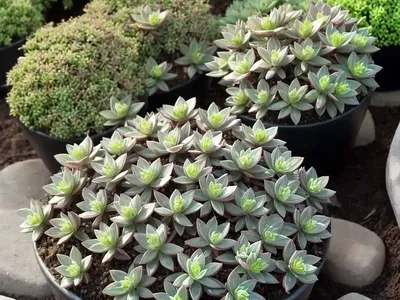
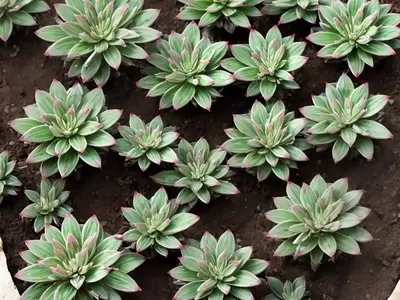
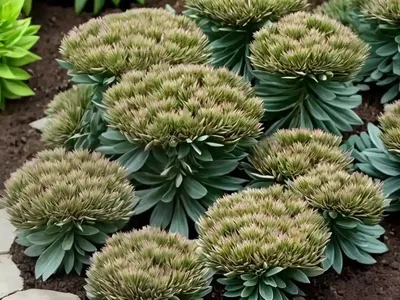
Painted Echeveria (Echeveria Nodulosa)
Echeveria nodulosa, commonly known as Painted Echeveria, is a succulent plant that belongs to the Crassulaceae family. Originating from Mexico, this.
Introduction to Echeveria Nodulosa
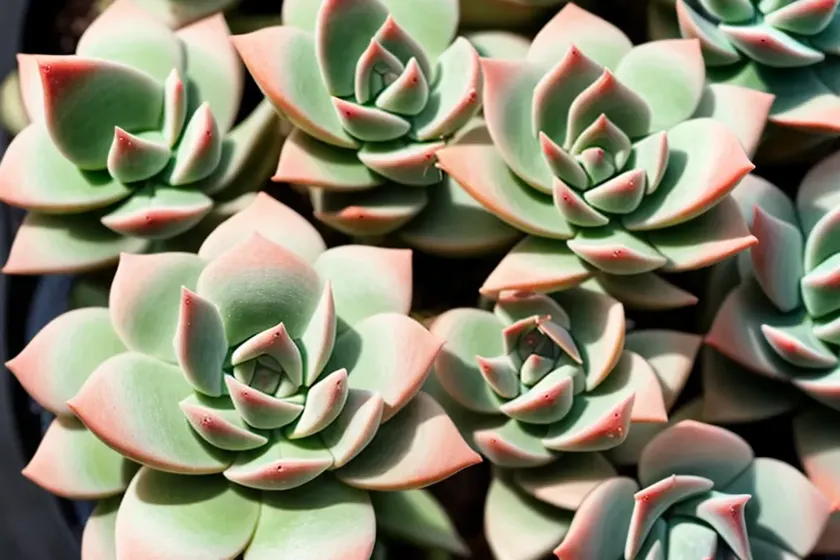
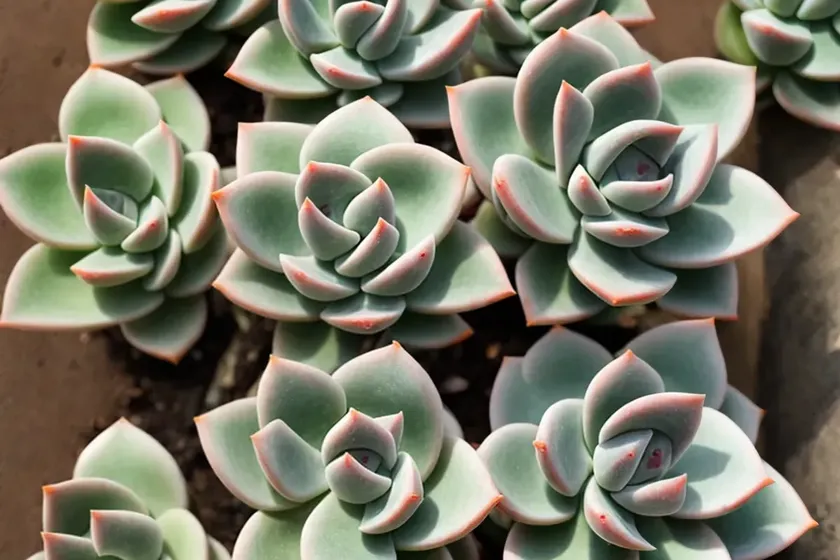
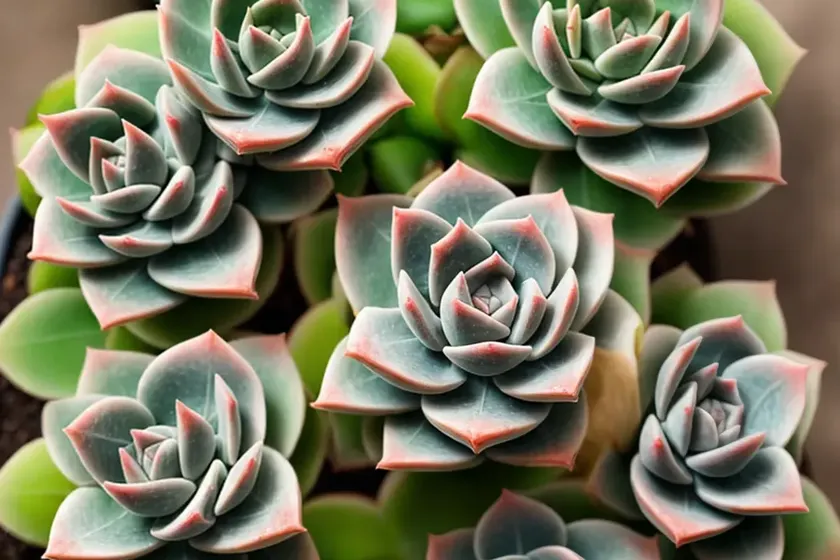
Echeveria nodulosa, commonly known as Painted Echeveria, is a succulent plant that belongs to the Crassulaceae family. Originating from Mexico, this striking plant has gained popularity among plant enthusiasts for its unique and vibrant appearance.
Key Takeaways – Painted Echeveria (Echeveria nodulosa)
Painted Echeveria or Echeveria Nodulosa is known for its beautiful and colorful leaves, making it a prized addition to any indoor or outdoor garden. This section will cover the essential aspects of caring for an Echeveria Nodulosa, including its culture, uses, water, sunlight, fertilizer, soil, pruning, propagation, container preferences, common diseases, diagnosis, common pests, botanist’s tips, and fun facts.
Culture
Uses
Painted Echeveria is highly valued for its ornamental purposes. With its eye-catching foliage and compact growth habit, it serves as an excellent choice for container gardens, rock gardens, and xeriscapes. Additionally, it is often included in succulent and desert-themed arrangements due to its striking appearance.
Water
Echeveria Nodulosa is a drought-tolerant succulent and is best known for its ability to thrive in dry conditions. Therefore, it should be watered sparingly, allowing the soil to dry out completely between waterings.
Sunlight
In terms of sunlight requirements, Echeveria Nodulosa prefers bright, indirect light. While it can tolerate some direct sun, it is essential to ensure that the plant is not exposed to intense afternoon sunlight, as this may cause leaf burn.
Fertilizer
When it comes to fertilizing Echeveria Nodulosa, a balanced, water-soluble fertilizer formulated for succulents and cacti can be applied sparingly during the plant’s active growing season. It is important to follow the manufacturer’s instructions and refrain from over-fertilizing to prevent potential damage to the plant.
Soil
The ideal soil mix for Echeveria Nodulosa should be well-draining to prevent waterlogged conditions, which can lead to root rot. A mixture of potting soil, sand, and perlite can provide the necessary drainage and aeration for the plant’s roots.
Pruning
Pruning Echeveria Nodulosa is generally minimal and primarily involves the removal of spent flower stems or dead leaves. This practice helps maintain the plant’s overall appearance and health.
Propagation
Echeveria Nodulosa can be propagated through leaf cuttings or offsets. When using leaf cuttings, it is crucial to allow the cut ends to callus before planting them in a suitable succulent potting mix. Offsets, or “pups,” can be carefully removed from the mother plant and transplanted to propagate new individuals.
Container Popularity
Echeveria Nodulosa is particularly popular among container gardeners due to its compact size and visually appealing foliage. It thrives in containers that provide adequate drainage and is often featured in succulent arrangements, terrariums, and small pots.
Container Common Diseases
Disease Diagnosis
Echeveria Nodulosa may be susceptible to certain fungal diseases, such as powdery mildew or root rot, especially in overly moist or humid conditions. Signs of disease include white powdery growth on the leaves or soft, discolored roots. Diagnosing the specific disease affecting the plant is crucial for implementing the appropriate treatment.
Common Pests
Echeveria Nodulosa can attract pests such as aphids, mealybugs, and spider mites, which can cause damage to the plant. Regular inspection of the plant for signs of pest infestations is recommended, and appropriate measures, such as the use of horticultural oils or insecticidal soaps, can be employed to address the issue.
Botanist’s Tips
Fun Facts
Echeveria Nodulosa is recognized for its stunning leaf variegation and unique color patterns, making it a captivating addition to diverse plant collections. Additionally, its low maintenance requirements and captivating nature contribute to its popularity among succulent enthusiasts.
Links to External Resources
For additional information on Echeveria Nodulosa care and cultivation, the following external resources provide valuable insights:
- Echeveria nodulosa care tips
- Echeveria nodulosa plant care guide
- Painted Echeveria plant information
- Echeveria nodulosa characteristics
- How to grow and maintain Echeveria nodulosa
- Echeveria nodulosa propagation techniques
- Painting Echeveria leaves
- Echeveria nodulosa varieties
- Echeveria nodulosa succulent care
- Echeveria nodulosa watering requirements
- Echeveria nodulosa sunlight needs
- Best soil mix for Echeveria nodulosa
- Echeveria nodulosa potting and repotting tips
- Echeveria nodulosa pests and diseases
- Echeveria nodulosa leaf propagation
- Echeveria nodulosa outdoor vs. indoor growing
- Echeveria nodulosa temperature tolerance
- Echeveria nodulosa winter care
- Echeveria nodulosa leaf variegation patterns
- Echeveria nodulosa leaf shapes and colors
- Echeveria nodulosa plant size and growth habit
- Echeveria nodulosa container gardening ideas
- Echeveria nodulosa companion plants
- Echeveria nodulosa common issues and solutions
- Echeveria nodulosa plant propagation from cuttings
- Echeveria nodulosa soil moisture requirements
- Echeveria nodulosa indoor plant care tips
- Painting Echeveria nodulosa for aesthetic appeal
- Echeveria nodulosa leaf curling causes
- Echeveria nodulosa toxicity for pets and children
- Echeveria nodulosa medicinal properties
- Echeveria nodulosa natural habitat and origin
- Echeveria nodulosa leaf texture and thickness
- Echeveria nodulosa growth patterns and speed
- Echeveria nodulosa unique leaf markings
- Echeveria nodulosa drought adaptation techniques
- Echeveria nodulosa root system and structure
- Echeveria nodulosa leaf arrangement and symmetry
- Echeveria nodulosa flower formation and blooming season
- Echeveria nodulosa container size requirements
- Echeveria nodulosa leaf shedding reasons
- Echeveria nodulosa leaf propagation success rate
- Echeveria nodulosa plant collection and display ideas
- Echeveria nodulosa leaf spots and discoloration
- Echeveria nodulosa leaf wrinkling and creasing causes
- Echeveria nodulosa pruning techniques for maintenance
- Echeveria nodulosa soil pH preferences
- Echeveria nodulosa leaf symmetry and balance
- Echeveria nodulosa leaf thickness requirements for painting
- Echeveria nodulosa leaf variegation stability and changes over time
In conclusion, the Painted Echeveria (Echeveria Nodulosa) is a captivating succulent plant with distinctive features that make it a valuable addition to diverse garden settings. Understanding its care requirements, propagation techniques, and potential challenges can contribute to the successful cultivation and enjoyment of this visually appealing succulent.
For those interested in expanding their knowledge about Echeveria Nodulosa, the provided external resources offer in-depth insights into its care, characteristics, and overall cultivation. With proper attention to its cultural needs and environment, this striking succulent can thrive and enhance the aesthetic appeal of indoor and outdoor spaces.
The content provided in this blog post offers comprehensive insights into the care and cultivation of the Painted Echeveria (Echeveria nodulosa), an intriguing succulent plant celebrated for its striking foliage and ornamental value.
Disclaimer: This blog post is for informational purposes only. Individual plant care practices may vary, and it is recommended to consult with horticultural professionals for personalized guidance on cultivating Echeveria Nodulosa and addressing specific plant-related concerns.