Pagoda-tree (Plumeria Alba)
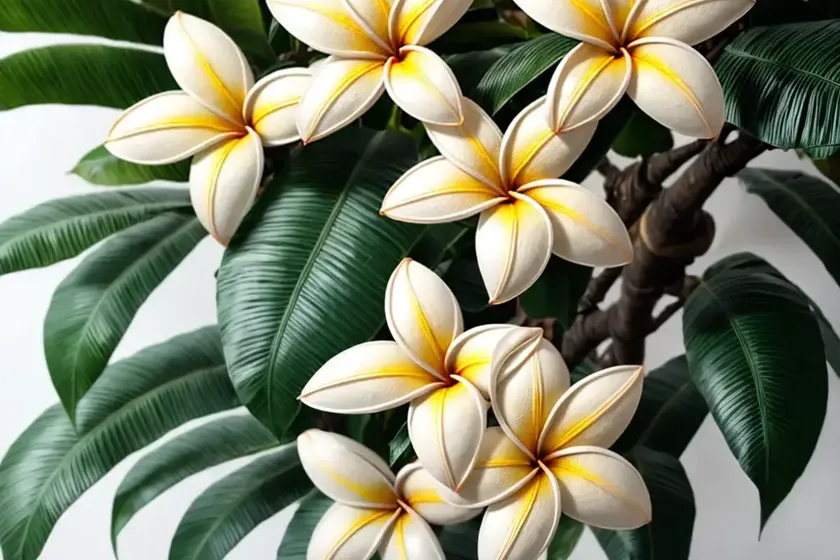
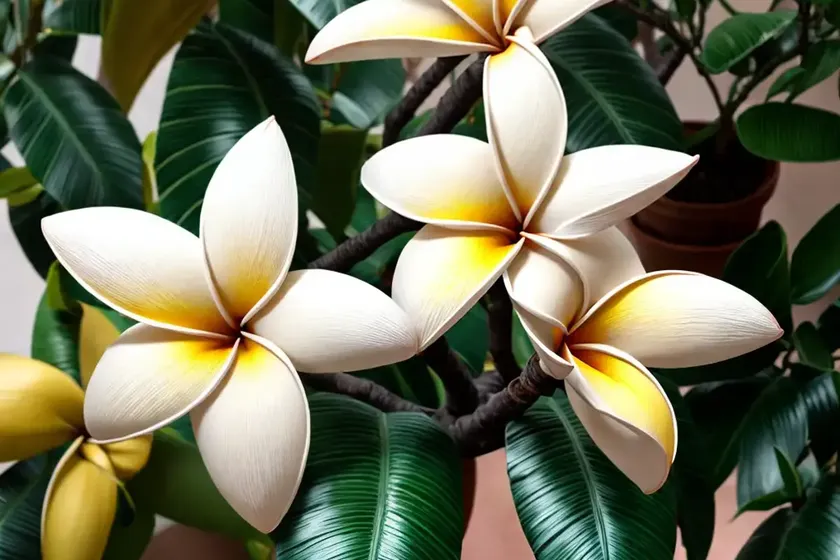
The Pagoda-tree, scientifically known as Plumeria alba, is a captivating plant species that enthralls enthusiasts with its mesmerizing fragrant flowers and.
Introduction
The Pagoda-tree, scientifically known as Plumeria alba, is a captivating plant species that enthralls enthusiasts with its mesmerizing fragrant flowers and lush greenery. This iconic plant is cherished not only for its aesthetic appeal but also for its cultural and spiritual significance. In this comprehensive guide, we will delve into the realm of Pagoda-trees, exploring their cultural uses, cultivation requirements, common diseases and pests, and so much more. Whether you are a seasoned plant aficionado or just beginning your journey in the world of gardening, this guide will equip you with the knowledge needed to nurture and appreciate the stunning Pagoda-tree.
What is Pagoda-tree (Plumeria alba)?
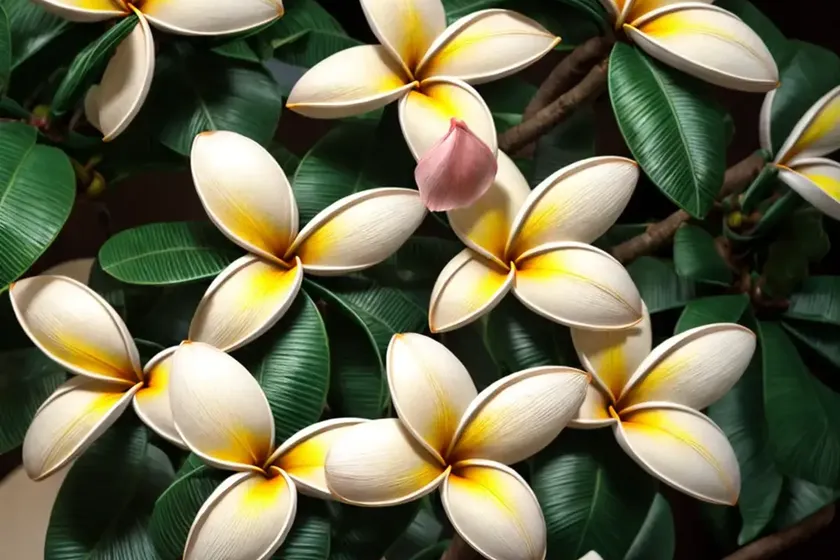
The Pagoda-tree, also known as Plumeria alba, is a species of flowering plant belonging to the genus Plumeria. Hailing from the Apocynaceae family, this plant is native to the tropical and subtropical regions of the Americas. Renowned for its enchanting white flowers and sweet-scented fragrance, the Pagoda-tree has secured a special place in the hearts of plant enthusiasts, gardeners, and spiritual practitioners alike.
Key Takeaways – Pagoda-tree (Plumeria alba)
Before we embark on our exploration of the Pagoda-tree, let’s take a moment to highlight the key takeaways that we will explore in detail:
- Culture
- Uses
- Water
- Sunlight
- Fertilizer
- Soil
- Pruning
- Propagation
- Container Popularity
- Container Common Diseases
- Disease Diagnosis
- Common Pests
- Botanist’s Tips
- Fun Facts
- Links to External Resources
So, without further ado, let’s dive into the enchanting world of Pagoda-trees!
Culture
The Pagoda-tree holds profound cultural significance in various regions where it is cultivated. Its appearance in gardens, religious rituals, and traditional practices underscores its esteemed position in different cultures. Let’s explore the cultural facets of the Pagoda-tree:
-
Spiritual Significance: In many cultures, the Pagoda-tree is revered for its symbolism of love, dedication, and spirituality. In Hindu and Buddhist traditions, these magnificent flowers are associated with devotion and are often used in religious ceremonies and offerings.
-
Folklore and Symbolism: The Pagoda-tree is steeped in folklore and symbolism, with its fragrant flowers often representing love, positivity, and new beginnings. In Hawaiian culture, garlands made from Pagoda-tree flowers, known as “leis,” are exchanged to convey affection and honor significant life events.
-
Traditional Medicine: Throughout history, the Pagoda-tree has been utilized for its medicinal properties. Various parts of the plant, including the bark and latex, have been employed in traditional medicine to address ailments such as skin conditions, fevers, and inflammation.
-
Weddings and Celebrations: The captivating beauty and symbolism of the Pagoda-tree make it a popular choice for wedding decorations and celebratory events, where its flowers are used to create stunning floral arrangements and garlands.
Uses
The uses of Pagoda-trees span a wide spectrum, ranging from ornamental and aromatic to medicinal and spiritual. Let’s delve into the diverse roles that the Pagoda-tree fulfills:
-
Ornamental Beauty: One of the primary uses of Pagoda-trees is for ornamental purposes. Their exquisite flowers and glossy foliage make them a prized addition to gardens, parks, and landscapes, where they add a touch of elegance and charm.
-
Aromatic Delight: The enchanting fragrance of Pagoda-tree flowers enhances their allure, making them a popular choice for perfumery and aromatherapy. The sweet and captivating scent is cherished by many and adds a delightful essence to various products and spaces.
-
Medicinal Applications: In traditional medicine systems, different parts of the Pagoda-tree have been utilized for their therapeutic properties. The plant has been esteemed for its anti-inflammatory, antispasmodic, and emollient properties, offering a natural approach to wellness.
-
Cultural and Spiritual Significance: Pagoda-trees play a pivotal role in religious and cultural ceremonies, symbolizing love, purity, and transcendence. Their presence in sacred rituals and traditions underscores their profound significance in diverse cultural contexts.
Water
Proper watering is essential for the health and vitality of Pagoda-trees. Understanding the water requirements of these plants is crucial for fostering optimal growth and blooming. Here are some key considerations when it comes to watering Pagoda-trees:
-
Balanced Moisture: Pagoda-trees thrive in moist, well-draining soil. It’s important to strike a balance, ensuring that the soil is consistently moist but not waterlogged. Regular monitoring of the soil moisture levels is essential to prevent both underwatering and overwatering.
-
Seasonal Variations: Adjusting the watering frequency based on seasonal changes is imperative. During the active growing season, typically spring and summer, Pagoda-trees may require more frequent watering to support their growth and blooming. In contrast, reducing watering during the dormant winter months helps prevent waterlogged soil and root rot.
-
Deep Watering: When watering Pagoda-trees, it’s beneficial to ensure deep penetration of water into the root zone. Water deeply, allowing the moisture to reach the lower layers of the soil where the roots proliferate, promoting a robust and extensive root system.
-
Morning Watering: Opt for morning watering sessions, allowing the foliage and soil to dry off gradually during the day. This helps mitigate the risk of fungal diseases and promotes overall plant health and vigor.
Sunlight
Sunlight plays a pivotal role in the growth, blooming, and overall well-being of Pagoda-trees. Understanding their sunlight requirements is crucial for providing an optimal growing environment. Consider the following aspects when evaluating the sunlight needs of Pagoda-trees:
-
Full Sun Exposure: Pagoda-trees thrive in full sun, requiring at least 6 to 8 hours of direct sunlight daily to support robust growth and abundant flowering. When positioned in a sunny location, these plants exhibit vigorous growth and produce an abundance of fragrant blooms.
-
Partial Shade Considerations: While Pagoda-trees adore ample sunlight, they can also tolerate brief periods of partial shade, especially during the hottest parts of the day. In regions with intense summer heat, providing some protection from harsh midday sun can prevent stress and sunburn on the foliage.
-
Southern Exposure Preference: In cooler climates, positioning Pagoda-trees in south-facing locations can capitalize on the warmth and brightness of the southern sun exposure, promoting optimal growth and flowering.
-
Indoor Cultivation: For enthusiasts cultivating Pagoda-trees indoors, it’s essential to replicate their outdoor sunlight requirements. Placing them in bright, south-facing windows or supplementing natural light with grow lights can help meet their sunlight needs and ensure healthy growth.
Fertilizer
Fertilization is a fundamental aspect of Pagoda-tree care, providing essential nutrients to support robust growth and profuse blooming. Implementing a well-balanced fertilization regimen is key to nurturing healthy and vibrant Pagoda-trees. Here’s a closer look at fertilizing Pagoda-trees:
-
Balanced Formulation: Use a balanced fertilizer with a formulation such as 10-10-10 or 20-20-20 to provide a comprehensive array of essential macro and micronutrients. This ensures that the Pagoda-trees receive the necessary nourishment for foliage development, flower production, and overall vitality.
-
Frequency and Timing: During the active growing season, from spring to early fall, fertilize Pagoda-trees every 2 to 4 weeks. Adjust the frequency based on the specific fertilizer type and the plant’s response, ensuring that the nutrients are consistently available to support vigorous growth and blooming.
-
Slow-Release Fertilizers: Consider incorporating slow-release fertilizers into the Pagoda-tree care routine. These formulations provide a gradual and sustained nutrient release, promoting long-term nourishment and minimizing the risk of over-fertilization.
-
Application Method: When applying fertilizer, distribute it evenly within the root zone of the Pagoda-tree, avoiding direct contact with the plant’s trunk and foliage. Gentle incorporation of the fertilizer into the soil followed by thorough watering ensures efficient nutrient uptake by the roots.
Soil
The selection of an appropriate soil medium is paramount for the well-being and flourishing of Pagoda-trees. Providing an optimal soil environment creates a strong foundation for healthy root development and overall plant growth. Consider the following soil-related aspects when cultivating Pagoda-trees:
-
Well-Draining Composition: Pagoda-trees thrive in well-draining soil that prevents the accumulation of excess moisture around the roots. A blend of rich organic matter, such as compost or peat moss, combined with coarse sand or perlite, facilitates efficient drainage and aeration.
-
Acidic to Neutral pH: The ideal soil pH for Pagoda-trees ranges from slightly acidic to neutral, within the range of 6.0 to 7.0. This pH range supports optimal nutrient uptake and root health, contributing to robust growth and prolific blooming.
-
Container Considerations: For container-grown Pagoda-trees, utilizing a high-quality, well-draining potting mix is essential. Select a mix specifically formulated for flowering and tropical plants, ensuring that it provides a suitable balance of moisture retention and aeration.
-
Amending Poor Soil: In instances where the native soil is heavy, compacted, or excessively alkaline, amending it with organic matter and soil conditioners can enhance its quality and create a more conducive environment for Pagoda-tree cultivation.
Pruning
Pruning plays a pivotal role in shaping the growth, promoting flowering, and maintaining the overall vigor of Pagoda-trees. Employing proper pruning techniques is essential for achieving the desired form and enhancing the plant’s health. Let’s explore the key facets of Pagoda-tree pruning:
-
Seasonal Timing: Late winter to early spring, before the onset of active growth, is an optimal period for pruning Pagoda-trees. This timing allows for rejuvenation pruning and shaping with minimal interference in the plant’s blooming cycle.
-
Sanitization Practices: Prior to pruning Pagoda-trees, it’s crucial to sterilize the pruning tools to prevent the spread of diseases. Disinfect the tools using a solution of 70% isopropyl alcohol or a diluted bleach solution to safeguard the plant from potential infections.
-
Remove Dead or Damaged Branches: Eliminate any dead, diseased, or damaged branches to promote overall plant health and prevent the spread of pathogens. Make clean and precise cuts, pruning back to healthy tissue and ensuring proper sealing of the pruning wounds.
-
Encourage Air Circulation: Thinning out the interior of the Pagoda-tree canopy enhances air circulation, mitigates the risk of fungal infections, and promotes the penetration of sunlight, fostering a healthier and more vibrant plant.
-
Bloom Enhancing Pruning: To promote abundant flowering, selectively prune long, leggy branches to encourage lateral growth and stimulate the development of floral buds. This targeted approach can result in a profusion of blooms and an aesthetically pleasing form.
Propagation
The propagation of Pagoda-trees offers enthusiasts the opportunity to expand their plant collection and share the beauty of these captivating specimens. Understanding the various propagation methods is essential for successfully cultivating new Pagoda-tree plants. Here’s a closer look at Pagoda-tree propagation:
-
Cutting Propagation: One of the most common methods for propagating Pagoda-trees is through stem cuttings. Select healthy, non-flowering stems and trim them into sections of around 6 to 12 inches, ensuring that each cutting possesses at least a couple of nodes. Dip the cut ends in a rooting hormone to promote root development, and plant the cuttings in a well-draining propagation medium.
-
Air Layering: Another effective propagation technique for Pagoda-trees is air layering. Select a healthy, vigorous branch and make a slanting cut, exposing the cambium layer. Apply a rooting hormone and encase the wounded area with a moistened substrate and a protective covering. Over time, the branch will develop roots, and it can be separated from the parent plant to form an independent specimen.
-
Seed Propagation: While less commonly practiced due to the time and effort involved, Pagoda-trees can also be propagated from seeds. Harvest mature seeds from the plant and sow them in a suitable germination medium, providing optimal conditions for sprouting and subsequent growth.
-
Propagation Considerations: Maintain consistent moisture levels and provide a warm, humid environment to support the successful propagation of Pagoda-trees. Monitor the propagation medium for signs of root development and new growth, indicating the establishment of the propagated plants.
Container Popularity
The allure of Pagoda-trees extends to container cultivation, where they thrive as stunning ornamental specimens in various settings. The versatility and elegance of Pagoda-trees make them popular choices for container gardening, offering a myriad of opportunities to showcase their beauty. Consider the following aspects related to the container popularity of Pagoda-trees:
-
Patio and Deck Enhancements: Pagoda-trees elevate the ambiance of patios, decks, and outdoor living spaces with their captivating presence and fragrant blooms. Placing them in stylish containers and decorative pots creates a focal point and adds a touch of sophistication to the outdoor environment.
-
Balcony Gardening: Enthusiasts living in apartments and urban dwellings can embrace the beauty of Pagoda-trees through balcony gardening. Compact varieties or selectively pruned specimens thrive in containers, bringing the joy of flowering plants to urban settings.
-
Interior Décor: Indoor cultivation of Pagoda-trees in containers offers an elegant solution for enhancing interior spaces with their lush foliage and aromatic flowers. Placing them near bright windows or as centerpiece accents infuses living spaces with natural beauty and fragrance.
-
Seasonal Portability: Container-grown Pagoda-trees provide the flexibility to relocate the plants based on seasonal considerations. During warm months, they can adorn outdoor areas, and in colder seasons, they can be brought indoors to safeguard them from frost and inclement weather.
Container Common Diseases
While container cultivation offers an array of advantages, it also presents specific challenges, including the susceptibility of plants to certain diseases. Pagoda-trees grown in containers may encounter common ailments that necessitate prompt attention and remedial measures. Let’s address some of the common diseases associated with container-grown Pagoda-trees:
-
Root Rot: Overwatering or inadequate drainage in containers can lead to the development of root rot in Pagoda-trees. This condition manifests as wilting, yellowing foliage, and a decline in overall vigor. To mitigate root rot, ensure well-draining soil and implement appropriate watering practices.
-
Fungal Diseases: Container-grown Pagoda-trees are susceptible to fungal infections, particularly when the surrounding environment is excessively humid and ventilation is limited. Keep the foliage dry, promote air circulation, and avoid overhead watering to reduce the risk of fungal diseases such as powdery mildew and leaf spot.
-
Nutrient Deficiencies: In container settings, nutrient deficiencies can arise due to the limited supply of nutrients in the confined root space. Monitor the Pagoda-trees for signs of nutrient deficiencies, such as yellowing leaves or stunted growth, and address any issues through fertilization or soil amendment.
-
Pest Infestations: While not diseases per se, pest infestations can adversely impact container-grown Pagoda-trees. Monitor the plants for signs of aphids, whiteflies, or spider mites, which can proliferate in the close quarters of container gardens. Employ proactive pest management strategies to prevent infestations from worsening.
Disease Diagnosis
Diagnosing and addressing diseases promptly are crucial for safeguarding the health and resilience of Pagoda-trees. By identifying common symptoms and understanding the underlying causes, enthusiasts can initiate appropriate interventions to mitigate the impact of diseases. Let’s explore the diagnostic considerations for addressing diseases in Pagoda-trees:
-
Observation of Symptoms: Regularly inspect the Pagoda-trees for any abnormal symptoms, including changes in foliage color, wilting, spotting, or abnormal growth patterns. Documenting the progression of symptoms and noting any environmental or care-related factors can aid in accurate diagnosis.
-
Pathogen Identification: If fungal or bacterial diseases are suspected, observe the appearance of lesions, spots, or powdery residue on the foliage. Take note of the environmental conditions and cultural practices to identify potential contributors to the disease development.
-
Root Examination: For diseases such as root rot, carefully examine the root system, looking for signs of decay, discoloration, or mushy texture. Laden soil and overwatering are common culprits contributing to root rot in Pagoda-trees grown in containers.
-
Integrated Pest Management: When considering potential pest infestations, closely examine the foliage, stems, and undersides of leaves for the presence of pests or their characteristic feeding damage. Implement integrated pest management strategies to address pest issues holistically and sustainably.
Common Pests
Pagoda-trees, like many ornamental plants, are susceptible to pests that can diminish their beauty and vitality if left unchecked. Understanding the common pests that may afflict Pagoda-trees is essential for implementing effective pest management strategies. Let’s explore some of the notable pests that may pose a threat to Pagoda-trees:
-
Aphids: These small, sap-sucking insects can congregate on the tender foliage and shoots of Pagoda-trees, leading to stunted growth, distorted leaves, and the development of honeydew residue. Natural predators, such as ladybugs and lacewings, can aid in controlling aphid populations.
-
Whiteflies: Whiteflies are tiny, white insects that congregate on the undersides of leaves, siphoning sap and causing leaf yellowing, premature leaf drop, and the spread of sooty mold. Employ physical removal, sticky traps, or horticultural oils to manage whitefly infestations.
-
Spider Mites: These minuscule arachnids can thrive in hot, dry conditions and may infest Pagoda-trees, leading to pale stippling on the foliage, webbing, and overall decline in plant health. Regularly misting the foliage and introducing natural predators, such as predatory mites, can help control spider mite populations.
-
Scale Insects: Scale insects, both armored and soft-bodied varieties, can attach themselves to the stems and foliage of Pagoda-trees, siphoning plant juices and causing weakening of the plant. Prune and dispose of heavily infested plant parts and introduce natural enemies, such as parasitic wasps, for scale control.
Botanist’s Tips
Incorporating insights from seasoned botanists and plant experts enriches our understanding of Pagoda-trees and provides valuable tips for their care and cultivation. Let’s delve into some noteworthy tips from botanists and experienced plant enthusiasts to enhance the success of growing and appreciating Pagoda-trees:
-
Adequate Drainage: Ensuring proper drainage, whether in the ground or in containers, is crucial for the health of Pagoda-trees. Ample drainage safeguards the roots from waterlogging and prevents the onset of root-related issues, promoting robust growth and blooming.
-
Elevated Humidity: Pagoda-trees benefit from moderate to high humidity levels, especially in indoor settings. Employing humidity trays, regular misting, or utilizing a room humidifier can create an environment conducive to the flourishing of these tropical beauties.
-
Mindful Pruning: Employ precision and care when pruning Pagoda-trees, focusing on the selective removal of unwanted