Paeonia ‘Paula Fay’ (Peony): A Comprehensive Guide
Paeonia ‘Paula Fay’ is a beautiful and popular herbaceous perennial plant that is treasured by gardeners for its large, showy, and fragrant flowers. In this comprehensive guide, we will delve into the various aspects of caring for and cultivating this stunning plant. From its cultural requirements to its landscape design potential, this article aims to provide a complete resource for anyone interested in the Paeonia ‘Paula Fay’.
What is Paeonia ‘Paula Fay’?
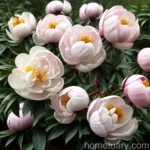
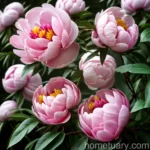
Paeonia ‘Paula Fay’, commonly known as Peony, is a herbaceous perennial plant that belongs to the Paeoniaceae family. It is renowned for its large, fragrant, and colorful flowers, which make it a favorite in gardens and landscapes. The ‘Paula Fay’ variety, in particular, is celebrated for its robust growth and vibrant blooms, making it a sought-after choice for both gardeners and florists.
Key Takeaways – Paeonia ‘Paula Fay’ (Peony)
Before we delve into the specifics of caring for Paeonia ‘Paula Fay’, let’s explore some key takeaways about this beloved plant.
- Scientific Name: Paeonia ‘Paula Fay’
- Common Name: Peony
- Family: Paeoniaceae
- Type: Herbaceous Perennial
- Flower Color: Vibrant shades of pink and red
- Fragrance: Sweet and Floral
- Hardiness Zones: 3 – 8
- Bloom Time: Late Spring to Early Summer
- Height: 2 – 3 feet
- Spread: 2 – 3 feet
- Water Needs: Moderate
- Sunlight: Full Sun to Partial Shade
Now that we have a general understanding of Paeonia ‘Paula Fay’, let’s delve into the specific aspects of its cultivation and care.
Culture
The culture of Paeonia ‘Paula Fay’ encompasses its overall care and specific requirements to ensure its optimal growth and blooming. Understanding the cultural needs of this plant is essential for its successful cultivation.
Uses
Paeonia ‘Paula Fay’ has a myriad of uses, making it a versatile and valuable addition to gardens and landscapes. These include:
- Ornamental Purposes: The stunning flowers of Paeonia ‘Paula Fay’ make it a popular choice for ornamental plantings. Its vibrant blooms add color and elegance to gardens and floral arrangements.
- Cut Flowers: The flowers of Paeonia ‘Paula Fay’ are highly prized for bouquets and floral arrangements due to their large size, vibrant colors, and delightful fragrance.
- Medicinal Uses: In traditional medicine, certain parts of the peony plant are used for their potential medicinal properties, such as in herbal remedies.
Water
Proper watering is crucial for the health and vitality of Paeonia ‘Paula Fay’. While it is important to ensure an adequate water supply, overwatering should be avoided to prevent waterlogged soil and potential root rot.
- Watering Requirements: Paeonia ‘Paula Fay’ prefers consistently moist, well-drained soil. During periods of active growth and flowering, regular watering is essential, especially during dry spells. However, it is important to avoid waterlogged conditions.
Sunlight
Light conditions play a significant role in the performance of Paeonia ‘Paula Fay’. Understanding its sunlight requirements is essential for its cultivation and blooming.
- Sunlight Needs: Paeonia ‘Paula Fay’ thrives in full sun to partial shade. While it can tolerate some shade, it typically performs best in full sun, where it can receive at least 6 hours of direct sunlight daily.
Fertilizer
Providing the appropriate nutrients to Paeonia ‘Paula Fay’ is essential for its growth, blooming, and overall vigor. Proper fertilization practices can contribute to healthy foliage and abundant flowers.
- Fertilization Schedule: In early spring, apply a balanced, slow-release fertilizer or a 5-10-5 formula around the base of the plant. Avoid over-fertilizing, as excessive nitrogen can lead to lush foliage at the expense of flowers.
Soil
The soil composition and quality significantly impact the growth and health of Paeonia ‘Paula Fay’. Understanding its soil preferences is essential for its successful cultivation.
- Soil Type: Paeonia ‘Paula Fay’ thrives in well-draining, fertile soil with a slightly acidic to neutral pH (6.5 to 7.5). Amending heavy clay soils with organic matter such as compost can improve drainage and fertility.
Pruning
Proper pruning is essential for maintaining the health, shape, and blooming potential of Paeonia ‘Paula Fay’. Understanding the appropriate pruning techniques is crucial for its long-term growth and performance.
- Pruning Time: After the blooming period, it is advisable to deadhead spent flowers to encourage additional blooms and prevent seed formation. In late fall or early spring, prune back the stems to ground level to promote fresh growth. Remove any damaged or diseased foliage throughout the growing season.
Propagation
The propagation of Paeonia ‘Paula Fay’ allows for the expansion of its presence in a garden or landscape. Understanding the methods of propagation is essential for multiplying this beloved plant.
- Propagation Methods: Paeonia ‘Paula Fay’ can be propagated from division, seeds, or tissue culture. Division of mature clumps is the most common and reliable method, typically carried out in the fall.
Container Popularity
The versatility of Paeonia ‘Paula Fay’ makes it suitable for growing in containers, allowing gardeners with limited space to enjoy its beauty and fragrance. Its popularity in container gardening stems from its stunning blooms and adaptability to container conditions.
Container Common Diseases
While growing Paeonia ‘Paula Fay’ in containers has numerous benefits, it is important to be aware of potential diseases that can affect the plant in a container environment. Common diseases to watch out for include:
- Botrytis Blight: Also known as grey mold, this fungal disease can cause browning and wilting of the flowers and foliage.
- Root Rots: Overly wet conditions in container soil can lead to root rot diseases such as Phytophthora and Pythium.
Disease Diagnosis
Diagnosing and addressing diseases in Paeonia ‘Paula Fay’ is crucial for maintaining its health and vitality. Early detection and appropriate intervention can prevent the spread of diseases and minimize their impact on the plant.
- Symptoms: Look for symptoms such as discolored or spotted foliage, wilting, abnormal growths, or abnormal flower development.
- Diagnosis: Consult with a local extension service, master gardener, or plant health specialist to accurately diagnose any suspected diseases and receive guidance on treatment options.
Common Pests
Pests, both in garden and container settings, can pose a threat to the health and appearance of Paeonia ‘Paula Fay’. Identifying and addressing common pests is vital for preventing damage to the plant.
- Aphids: These small, sap-sucking insects can distort new growth and excrete honeydew, leading to sooty mold growth.
- Thrips: Thrips can cause silvery or brownish streaks on flower petals and leaves, affecting the plant’s aesthetics.
Botanist’s Tips
Drawing from botanical expertise, here are some valuable tips for the successful cultivation and care of Paeonia ‘Paula Fay’:
- Mulching: Apply a layer of organic mulch around the base of the plant to conserve soil moisture, suppress weeds, and moderate soil temperatures.
- Support: In gardens or landscaping, consider providing support such as peony rings or stakes to prevent the heavy flower stems from bending or breaking.
- Air Circulation: Ensure good air circulation around the plant to minimize the risk of fungal diseases. Avoid planting peonies in overly crowded or poorly ventilated spaces.
Fun Facts
Uncover some intriguing and delightful facts about Paeonia ‘Paula Fay’ that add to its allure and appeal:
- Historical Significance: Peonies have a rich cultural history and have been revered in various societies and traditions for centuries. They are associated with prosperity, good fortune, and beauty.
- Wildlife Attractant: Peonies’ fragrant flowers and nutritious seeds can attract pollinators such as bees and butterflies, contributing to the biodiversity of a garden or landscape.
- Enduring Blooms: Peony blooms are known for their longevity, with individual flowers often lasting for a week or more. This extended blooming period provides an extended display of color and fragrance.
Links to External Resources
For further information on Paeonia ‘Paula Fay’ and its cultivation, care, and botanical significance, consider exploring the following external resources:
- American Peony Society
- RHS – Royal Horticultural Society
- Missouri Botanical Garden
- University Extension Services
In conclusion, the cultivation and care of Paeonia ‘Paula Fay’ encompass a diverse range of considerations, from its cultural needs to its potential in gardens and landscapes. By understanding its requirements and embracing its botanical allure, gardeners can appreciate the beauty and charm of this beloved perennial plant. Whether it’s the vibrant blooms, delightful fragrance, or historical significance, Paeonia ‘Paula Fay’ continues to captivate and inspire those who cultivate and admire it.
As you embark on your journey with Paeonia ‘Paula Fay’, may these insights and tips guide you in fostering a thriving and splendid presence of this iconic plant in your garden or landscape.
References
– American Peony Society. “Homepage.” https://www.americanpeonysociety.org/
– Royal Horticultural Society. “Homepage.” https://www.rhs.org.uk/
– Missouri Botanical Garden. “Homepage.” https://www.missouribotanicalgarden.org/
– University Extension Services. “Extension Services.” https://extension.org/