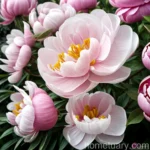
Paeonia lactiflora ‘Whopper’ (Peony): A Comprehensive Guide
As a prominent and cherished flower in gardens and landscaping, Paeonia lactiflora ‘Whopper’ or more commonly known as “Peony” holds a special place in the world of horticulture. This guide will provide a comprehensive overview of this stunning perennial plant, covering various aspects including its culture, uses, care requirements, common diseases, and much more.
What is Paeonia lactiflora ‘Whopper’ (Peony)?
Paeonia lactiflora is a herbaceous perennial plant that belongs to the Paeoniaceae family. It is native to East Asia, particularly China, and has been cultivated for centuries due to its striking and fragrant flowers. The ‘Whopper’ cultivar is a specific variety of Paeonia lactiflora known for its large, showy blooms and robust growth habit. The common name “peony” is derived from the name of the ancient Greek god Paeon, who was a student of Asclepius, the god of medicine and healing.
The ‘Whopper’ variety is known for its exceptional flower size, vibrant colors, and sturdy stems, making it a popular choice for garden beds, borders, and cut flower arrangements. This plant typically blooms in late spring to early summer, adding a burst of color and elegance to the landscape.
Key Takeaways – Paeonia lactiflora ‘Whopper’ (Peony)
Before delving deeper into the specifics of Paeonia lactiflora ‘Whopper’ care and cultivation, let’s summarize some key takeaways about this remarkable plant:
- Scientific Name: Paeonia lactiflora ‘Whopper’
- Common Name: Peony ‘Whopper’
- Plant Type: Herbaceous perennial
- Flower Characteristics: Large, showy blooms in various colors
- Flowering Period: Late spring to early summer
- Preferred Growing Conditions: Rich, well-draining soil; ample sunlight; adequate moisture
- Uses: Garden ornamental, cut flower, medicinal properties
- Special Characteristics: Fragrant flowers, wildlife attractant
With these key points in mind, let’s explore the various aspects of caring for and cultivating Paeonia lactiflora ‘Whopper’ in more detail.
Culture of Paeonia lactiflora ‘Whopper’
Cultivating Paeonia lactiflora ‘Whopper’ involves understanding its specific requirements in terms of water, sunlight, fertilizer, soil, and maintenance practices. By providing the ideal growing conditions, gardeners can ensure the optimal health and performance of this exquisite plant.
Water
Proper watering is essential for the overall health and vigor of Paeonia lactiflora ‘Whopper. Although peonies are relatively drought-tolerant once established, they benefit from consistent moisture, especially during the growing season. However, they are susceptible to root rot if the soil is excessively wet, so it is important to strike a balance in watering practices.
- Water Needs: Regular, moderate watering; avoid waterlogging the soil
- Watering Guidelines: Water deeply, allowing the soil to dry slightly between watering sessions
- Irrigation Methods: Hand watering, drip irrigation, or soaker hoses are suitable for maintaining soil moisture without wetting the foliage excessively
- Dry Periods: During prolonged dry spells, provide supplemental watering to prevent stress and promote flowering
Sunlight
Proper exposure to sunlight is crucial for Paeonia lactiflora ‘Whopper’ to thrive and produce abundant blooms. Inadequate sunlight can lead to reduced flower production and weakened plants.
- Sunlight Requirements: Full sun to partial shade; ideally 6-8 hours of direct sunlight per day
- Site Selection: Choose a site with good sun exposure, especially in cooler climates where additional sunlight may be beneficial
- Shade Considerations: In regions with hot summers, some afternoon shade can protect the plants from excessive heat and sunburn
Fertilizer
Appropriate nutrient supply is vital for promoting healthy growth and flowering in Paeonia lactiflora ‘Whopper’ plants. Using a balanced fertilizer and applying it at the right time can significantly enhance the plant’s performance.
- Fertilizer Type: Use a balanced, slow-release fertilizer with a higher phosphorus content for optimal flower production
- Timing: Apply fertilizer in early spring before new growth emerges and refrain from over-fertilizing, which can lead to excessive foliage at the expense of flowers
- Application Method: Incorporate the fertilizer into the soil around the plant’s drip line and water thoroughly afterwards
Soil
Paeonia lactiflora ‘Whopper’ thrives in well-drained, fertile soil with a slightly alkaline pH. The ideal soil composition and structure support healthy root development and overall plant vigor.
- Soil Type: Rich, loamy soil with good drainage; avoid heavy, waterlogged soils
- pH Level: Aim for a slightly alkaline soil pH in the range of 6.5-7.5
- Soil Amendments: Organic matter, such as compost or well-rotted manure, can be incorporated into the soil to improve its structure and fertility
- Soil Testing: Periodic soil tests can help monitor and adjust the pH and nutrient levels as needed
Pruning Paeonia lactiflora ‘Whopper’
Pruning is a key maintenance practice for Paeonia lactiflora ‘Whopper’ that helps promote robust growth, enhance flowering, and maintain an attractive plant shape. Understanding the appropriate pruning techniques is important for ensuring the plant’s long-term health and productivity.
Timing
Pruning Paeonia lactiflora ‘Whopper’ is typically carried out during specific periods in its growth cycle to achieve desired outcomes without inhibiting the following season’s flowering.
- Spring Pruning: Remove any dead or damaged stems, as well as any weak or overcrowded growth
- After Flowering: Deadhead faded blooms and trim back the foliage to encourage new growth and prevent seed production
- Fall Cleanup: Cut back the stems to ground level after the first frost to tidy up the plant and minimize overwintering pests and diseases
Techniques
Proper pruning techniques for Paeonia lactiflora ‘Whopper’ involve precision and attention to detail to avoid causing damage or stress to the plant.
- Tools: Use clean, sharp pruning shears or loppers to make clean cuts and minimize the risk of disease transmission
- Cutting Angle: Make diagonal cuts just above a set of healthy, outward-facing buds to promote outward growth and improve airflow within the plant
- Stem Length: Trim the stems to an appropriate length, leaving about 2-3 inches above the soil to prevent rot and provide protection during winter
Propagation of Paeonia lactiflora ‘Whopper’
Multiplying Paeonia lactiflora ‘Whopper’ through propagation allows gardeners to create new plants and expand their peony collection. Understanding the various methods of propagation and the best timing for each approach is essential for successful reproduction of this stunning cultivar.
Division
Dividing mature peony plants is a common and reliable method for propagating Paeonia lactiflora ‘Whopper’ and rejuvenating established clumps.
- Timing: Divide the plants in early fall, allowing ample time for the divided sections to establish before winter
- Root Division: Use a sharp spade to carefully lift the plant and divide the root ball into smaller sections, ensuring each division has several healthy eyes and sufficient root mass
- Replanting: Plant the divisions at the same soil level as the parent plant, water thoroughly, and mulch to protect the newly divided peonies during winter
Seed Propagation
Growing Paeonia lactiflora ‘Whopper’ from seeds is a longer and more unpredictable method of propagation but can lead to exciting variations and new cultivars.
- Seed Collection: Harvest mature seeds from the peony seed pods after they have ripened and split open
- Seed Treatment: Stratify the seeds in the refrigerator for several weeks to mimic winter conditions and improve germination rates
- Sowing Method: Plant the stratified seeds in seed trays or containers filled with a moist, well-draining seed starting mix, covering them lightly with soil
- Germination Time: Patience is key, as peony seeds can take several weeks to months to germinate, with variations in the timing
Container Cultivation of Paeonia lactiflora ‘Whopper’
Growing Paeonia lactiflora ‘Whopper’ in containers offers flexibility and allows gardeners with limited space to enjoy the beauty of peonies on patios, balconies, and other confined areas.
Container Selection
Choosing the right container is crucial for providing Paeonia lactiflora ‘Whopper’ with ample space for root development and stability.
- Size: Select a spacious container with a diameter of at least 16-20 inches and a depth of 12-15 inches to accommodate the peony’s extensive root system
- Drainage: Ensure the container has multiple drainage holes to prevent waterlogging and maintain proper soil moisture levels
- Material: Opt for durable, frost-resistant materials such as ceramic, fiberglass, or thick plastic to withstand temperature fluctuations and provide insulation to the roots
Potting Mix
The choice of potting mix significantly impacts the growth, health, and performance of Paeonia lactiflora ‘Whopper’ in containers.
- Mix Composition: Use a well-draining, humus-rich potting mix formulated for perennial plants or mix equal parts of garden soil, peat moss, and perlite to create a custom blend
- Soil pH: Adjust the pH of the potting mix to the slightly alkaline range favored by peonies, incorporating lime if necessary
- Fertilization: Initially, use a balanced, slow-release fertilizer in the potting mix to provide essential nutrients for the peony’s initial growth
Care Considerations
Caring for Paeonia lactiflora ‘Whopper’ in containers involves diligent monitoring of water, sunlight, and maintenance practices to ensure the plant’s well-being.
- Watering: Check the moisture levels regularly and water the container when the top inch of soil feels dry, aiming to keep the soil consistently moist but not waterlogged
- Sunlight: Position the container in a location that receives ample sunlight, providing at least 6 hours of direct sun per day for optimal growth and flowering
- Winter Protection: In colder climates, insulate the container during winter to shield the roots from freezing temperatures, either by relocating it to a sheltered area or wrapping it with insulating material
Popularity of Paeonia lactiflora ‘Whopper’
Paeonia lactiflora ‘Whopper’ enjoys significant popularity among gardeners and flower enthusiasts due to its impressive flowers, hardy nature, and versatility in various garden settings. With its striking blooms and captivating fragrance, the ‘Whopper’ cultivar has become a sought-after addition to both residential and public landscapes.
Garden Use
In garden landscapes, Paeonia lactiflora ‘Whopper’ serves as a captivating focal point, adding elegance and charm to borders, flower beds, and cottage gardens. Its lush foliage and abundant blooms create an eye-catching display, particularly when planted in groups or mixed with other complementary perennials.
Cut Flower Production
The large, fragrant blooms of Paeonia lactiflora ‘Whopper’ make it a desirable choice for cut flower production, providing stunning floral arrangements for special occasions, weddings, and floral design. Its long vase life and captivating beauty have made it a favorite among florists and flower enthusiasts.
Medicinal and Symbolic Uses
Beyond its ornamental appeal, peonies, including the ‘Whopper’ variety, have a rich history of medicinal uses in various cultures. Traditional Chinese medicine, for instance, has long valued the peony for its therapeutic properties, associating it with healing, beauty, and good fortune. In folklore, peonies are often associated with romance, prosperity, and happiness, making them popular choices for symbolic gestures and gifts.
Common Diseases of Paeonia lactiflora ‘Whopper’
Paeonia lactiflora ‘Whopper’ is generally a resilient plant but is susceptible to certain diseases that can affect its growth and overall health. Understanding these common diseases and their prevention measures is crucial for maintaining thriving peony plants.
Disease Diagnosis
Recognizing the symptoms and signs of common peony diseases enables prompt intervention and effective management strategies.
- Botrytis Blight: Characterized by gray mold on foliage and flowers, particularly in damp conditions; improve air circulation and avoid overwatering to prevent botrytis blight
- Leaf Spot: Exhibits as dark, circular spots on the leaves, potentially leading to defoliation; practice good sanitation and remove infected leaves promptly to prevent the spread of leaf spot
- Powdery Mildew: Presents as a white powdery substance on the leaves and stems, particularly in humid conditions; maintain good air circulation and apply fungicidal sprays if necessary
Prevention and Treatment
Preventing and managing diseases in Paeonia lactiflora ‘Whopper’ involves proactive measures to minimize the risk of infections and address any issues promptly.
- Sanitation: Remove and dispose of any diseased plant material, such as infected leaves and stems, to prevent the spread of pathogens
- Fungicidal Treatments: Apply preventive fungicidal sprays, especially during periods of high humidity, to protect the peony plants from common fungal diseases
- Healthy Growing Conditions: Provide optimal growing conditions, including proper spacing, good air circulation, and appropriate watering practices, to reduce the likelihood of disease development
Common Pests Affecting Paeonia lactiflora ‘Whopper’
While Paeonia lactiflora ‘Whopper’ is relatively resistant to pest infestations, certain insects and small animals may pose a threat to its foliage, buds, and overall growth. To maintain healthy and vibrant peony plants, it is essential to identify and address potential pest issues effectively.
Insect Pests
Several common insect pests may target Paeonia lactiflora ‘Whopper’ in garden settings, requiring vigilant monitoring and management.
- Thrips: These tiny, slender insects may cause stippling and distortion of leaves and flower buds; use insecticidal soap or neem oil to manage thrips infestations
- Spider Mites: Known for causing fine webbing on the leaves and sucking out plant juices, spider mites can be managed with regular sprays of water to reduce their population
- Peony Borer: The larvae of the peony borer may bore into the stems, causing wilting and dieback; inspect the stems for entry holes and remove any affected tissue
Vertebrate Pests
Certain small animals and birds may target Paeonia lactiflora ‘Whopper’ for various reasons, such as foraging or shelter, necessitating protective measures.
- Deer: Construct physical barriers or use deer repellents to deter deer from browsing on the peony foliage and flowers
- Rodents: Keep the area around peony plants clear of debris and potential hiding spots for rodents, and use humane traps if necessary to control rodent populations
- Birds: If birds pose a threat to the blooms, particularly as they begin to open, consider using bird netting or other visual deterrents to protect the peony flowers
Botanist’s Tips for Growing Paeonia lactiflora ‘Whopper’
Helpful Hints from Plant Experts
Gardening professionals and botanists often share insightful tips and recommendations for maximizing the success and enjoyment of growing Paeonia lactiflora ‘Whopper’.
- Early Establishment: Pay close attention to the planting depth, ensuring that the eyes (buds) of the peony roots are set just below the soil surface to encourage strong growth
- Mulching Benefits: Apply a layer of organic mulch around the peony plants to conserve soil moisture, suppress weeds, and provide insulation during temperature fluctuations
- Support Systems: Install discreet peony supports, such as metal or plastic rings, to prevent the heavy blooms from bending or sprawling, particularly during windy conditions
Fun Facts about Paeonia lactiflora ‘Whopper’
Historical Significance
The peony, including the Paeonia lactiflora ‘Whopper’ cultivar, has a rich history and cultural significance, with several captivating and lesser-known facts.
- Imperial Symbolism: In China, peonies are revered as the “King of Flowers” and have been highly prized for centuries, symbolizing honor, wealth, and beauty
- Herbal Uses: Peony roots have been utilized in traditional herbal medicine for their potential anti-inflammatory and pain-relieving properties, particularly in Chinese medicine
- Cultural Traditions: In various cultures, peonies have been associated with diverse symbolic meanings, including prosperity, romance, and feminine beauty, and have been featured in art, literature, and folklore
Floral Significance
The striking appearance and alluring fragrance of Paeonia lactiflora ‘Whopper’ contribute to its enduring popularity and allure.
- Fragrant Varieties: Some peony cultivars, including the ‘Whopper’ variety, exhibit a delightful fragrance, ranging from sweet and floral to spicy and aromatic, further enhancing their appeal in gardens and floral arrangements
- Cut Flower Longevity: Peonies are known for their impressive vase life, often lasting up to a week or more when properly cared for, making them a cherished choice for fresh floral displays
Links to External Resources
For further information on Paeonia lactiflora ‘Whopper’ care, cultivation, and additional insights, the following resources offer valuable guidance and expertise:
- The American Peony Society
- The Royal Horticultural Society – Peonies
- University of Missouri Extension – Growing Peonies
In conclusion, Paeonia lactiflora ‘Whopper’ (Peony) represents a captivating and versatile addition to gardens, with its stunning blooms, rich cultural history, and diverse uses. By understanding and implementing the recommended cultural practices and maintenance guidelines, gardeners can cultivate thriving, breathtaking displays of this exceptional herbaceous perennial. Whether enjoyed in a garden setting, gracing a floral arrangement, or admired for its historical significance, Paeonia lactiflora ‘Whopper’ continues to captivate and inspire plant enthusiasts around the world.