Paeonia lactiflora ‘Sword Dance’ (Peony): A Comprehensive Guide
Peonies are some of the most beloved and timeless flowers in gardens worldwide. Known for their large, showy blossoms and delightful fragrance, peonies bring beauty and elegance to any landscape. One particular cultivar, Paeonia lactiflora ‘Sword Dance’, often referred to simply as the ‘Sword Dance’ Peony, is a stunning and popular variety prized for its unique characteristics and ease of care. In this comprehensive guide, we will explore all there is to know about this enchanting plant, including its cultural preferences, care requirements, uses, and much more.
What is Paeonia lactiflora ‘Sword Dance’?
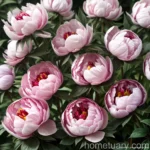
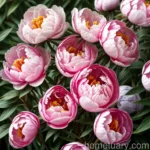
Paeonia lactiflora ‘Sword Dance’ is a herbaceous perennial that belongs to the family Paeoniaceae. It is a cultivar of the species Paeonia lactiflora, a group of peonies native to China, and is renowned for its captivating, sword-like petals and vibrant colors. The ‘Sword Dance’ Peony typically blooms in late spring to early summer, gracing the garden with its striking presence. Its large, fragrant flowers make it a popular choice for gardens, landscapes, and floral arrangements.
Paeonia lactiflora ‘Sword Dance’ is noted for its robust growth habit and its ability to thrive in various environmental conditions. Whether grown in a garden bed or a container, this peony cultivar never fails to impress with its magnificent blooms and enchanting appeal.
Key Takeaways – Paeonia lactiflora ‘Sword Dance’ (Peony)
Before we delve into the specific details of caring for the ‘Sword Dance’ Peony, let’s take a quick look at the key takeaways regarding its cultural preferences, uses, and care requirements:
- Cultural Preferences:
- Water: Prefers regular watering to maintain soil moisture.
- Sunlight: Thrives in full sun to partial shade.
- Soil: Well-draining, fertile soil is essential for healthy growth.
- Fertilizer: Requires periodic fertilization to support blooming.
-
Pruning: Benefits from annual pruning to maintain shape and encourage new growth.
-
Uses:
- Garden beds and borders.
- Cut flower arrangements.
- Container gardening.
-
Landscape focal points.
-
Common Diseases:
- Botrytis blight.
- Phytophthora root rot.
-
Powdery mildew.
-
Common Pests:
- Aphids.
- Spider mites.
- Thrips.
Now, let’s explore each of these aspects in detail to gain a complete understanding of how to care for and appreciate the captivating beauty of the ‘Sword Dance’ Peony.
Culture
Understanding the cultural preferences of Paeonia lactiflora ‘Sword Dance’ is essential for successfully growing and enjoying this remarkable plant. Proper attention to water, sunlight, fertilizer, soil, and pruning practices will ensure the health and vitality of the ‘Sword Dance’ Peony.
Water
Proper watering is crucial for the overall health and blooming performance of the ‘Sword Dance’ Peony. Here are some essential considerations for watering this stunning cultivar:
-
Regular Moisture: Consistent moisture is vital, especially during the growing season and the flowering period. While the ‘Sword Dance’ Peony does not tolerate waterlogged conditions, it also does not thrive in excessively dry soil. A moderate and consistent approach to watering is ideal.
-
Deep Watering: When watering, ensure that the entire root zone receives moisture. Deep, thorough watering encourages the development of a strong and robust root system, promoting the plant’s overall health and resilience.
Sunlight
Just like many other peony varieties, the ‘Sword Dance’ cultivar thrives in specific light conditions that contribute to its optimal growth and abundant flowering. Understanding its sunlight preferences is crucial for ensuring its vitality and blooming potential:
-
Full Sun to Partial Shade: The ‘Sword Dance’ Peony performs best when planted in locations that receive ample sunlight. While it can tolerate partial shade, providing it with at least 6 hours of direct sunlight daily results in profuse blooming and sturdy growth. In regions with intense summer heat, providing some afternoon shade can help protect the delicate blooms and foliage.
-
Morning Sun: If planting in a particularly warm climate, consider positioning the ‘Sword Dance’ Peony in a location that receives morning sun and some protection from the hot afternoon sun. This can prevent excessive stress on the plant during the hottest part of the day.
Fertilizer
To support its vigorous growth and ensure abundant flowering, providing proper nutrition to the ‘Sword Dance’ Peony is essential. Here are some key considerations for fertilizing this remarkable cultivar:
-
Balanced Fertilizer: Use a balanced, slow-release fertilizer designed for flowering perennials. Applying a fertilizer with a balanced NPK ratio and essential micronutrients in early spring can help promote healthy growth and robust blooming.
-
Application Frequency: A single application of fertilizer in early spring is usually sufficient for supporting the ‘Sword Dance’ Peony’s growth throughout the season. Avoid over-fertilizing, as this can lead to excessive foliage at the expense of flowering.
-
Topdressing with Compost: A layer of compost spread around the base of the plant in late winter can provide a natural source of nutrients as it gradually breaks down and enriches the soil.
Soil
The soil conditions in which the ‘Sword Dance’ Peony is planted play a significant role in its overall health and performance. Here’s what you need to know about its soil preferences:
-
Well-Draining Soil: Peonies, including the ‘Sword Dance’ cultivar, require well-draining soil to prevent waterlogging and root rot. Amending heavy or clay soils with organic matter, such as compost or peat moss, can improve drainage and create a more suitable environment for the plant.
-
Fertile Soil: Rich, fertile soil provides essential nutrients and supports vigorous growth and abundant flowering. Regularly amending the soil with organic matter can enhance its fertility and structure, creating an ideal growing medium for the ‘Sword Dance’ Peony.
Pruning
Pruning is a critical aspect of maintaining the health, shape, and blooming performance of the ‘Sword Dance’ Peony. Proper pruning techniques can help manage the plant’s growth and encourage the development of strong, flowering stems. Here are the key considerations for pruning this exceptional cultivar:
-
Spring Maintenance: In late winter to early spring, remove any dead or damaged stems and foliage to promote new growth and improve the overall appearance of the plant.
-
Deadheading Flowers: As the blooms fade, promptly deadhead the spent flowers to prevent the formation of seed pods. This encourages the plant to focus its energy on producing new flowers, prolonging the blooming period and enhancing the overall display.
-
Stem Cutting: When creating cut flower arrangements, always use clean, sharp pruners to cut the stems at an angle. Cutting at an angle increases the surface area for water uptake, prolonging the vase life of the blooms.
Propagation
One of the joys of gardening is the ability to propagate and share beloved plant varieties with others. Propagating the ‘Sword Dance’ Peony allows enthusiasts to expand their collection and introduce this exceptional cultivar to new garden spaces. Here are the primary methods of propagating this captivating peony cultivar:
-
Division: Division is the most common and reliable method of propagating peonies, including the ‘Sword Dance’ variety. This process involves digging up mature plants and carefully separating the roots into individual sections, each with several healthy buds. These divisions can then be replanted to establish new plants.
-
Cuttings: While less common than division, propagating peonies from cuttings can be successful with the right technique and care. Selecting healthy, non-flowering stems and rooting them in a suitable growing medium can yield new plants with characteristics identical to the parent plant.
-
Seed Propagation: Growing peonies from seed is possible, but it is a lengthy process that requires patience. Additionally, the resulting plants may not exhibit the exact characteristics of the parent plant, as peonies often show variability in their offspring.
Container Popularity
The allure of growing peonies in containers has captured the interest of many gardeners, particularly those with limited garden space or specific aesthetic preferences. The ‘Sword Dance’ Peony, with its captivating blooms and manageable growth habit, lends itself well to container cultivation. Here are some compelling reasons why the ‘Sword Dance’ Peony is a popular choice for container gardening:
-
Space Optimization: Growing the ‘Sword Dance’ Peony in containers allows gardeners to enjoy its beauty in small spaces, such as patios, balconies, or urban gardens.
-
Decorative Display: Placing containers of ‘Sword Dance’ Peonies on porches, decks, or entryways adds a touch of elegance and natural beauty to outdoor living spaces.
-
Flexibility: Containers offer the flexibility to move the plants to different locations based on sunlight exposure, seasonal changes, or specific design preferences.
-
Controlled Environment: Containers provide a controlled growing environment, allowing gardeners to optimize soil conditions, moisture levels, and other cultural factors for the ‘Sword Dance’ Peony.
-
Overwintering: In regions with harsh winters, containers can be moved to protected locations or insulated to safeguard the ‘Sword Dance’ Peony from extreme cold and frost.
Common Diseases
While the ‘Sword Dance’ Peony is relatively robust, it is susceptible to certain diseases that can impact its health and blooming performance if left unchecked. Understanding the common diseases affecting this cultivar is crucial for implementing preventative measures and timely treatments. Here are the primary diseases to watch for when growing the ‘Sword Dance’ Peony:
Disease Diagnosis
-
Botrytis Blight (Gray Mold): Recognized by the development of fuzzy, gray mold on the plant’s stems, leaves, or blossoms. This fungal disease thrives in humid conditions and can rapidly spread during periods of prolonged moisture.
-
Phytophthora Root Rot: Symptoms include wilting, yellowing, and decline in overall vigor. Upon inspection, dark, water-soaked lesions may be present on the roots, often leading to rot and stunted growth.
-
Powdery Mildew: Characterized by the powdery white growth on the plant’s foliage, powdery mildew is favored by dry conditions and can impact the aesthetics and vigor of the ‘Sword Dance’ Peony.
Common Pests
In addition to diseases, the ‘Sword Dance’ Peony can also attract certain pests that may affect its health and appearance. Vigilance and proactive pest management are essential for preserving the plant’s vitality. Here are the primary pests to monitor when growing this captivating peony cultivar:
-
Aphids: These small, sap-sucking insects can gather on the new growth tips and undersides of leaves, causing distortion and yellowing of the foliage. Aphids can also excrete honeydew, leading to the development of sooty mold.
-
Spider Mites: Spider mites are microscopic pests that feed on the plant’s sap, often causing stippling, webbing, and overall decline in vigor. They thrive in hot, dry conditions and can quickly infest the ‘Sword Dance’ Peony if left unchecked.
-
Thrips: Thrips are slender, winged insects that can cause stippling, discoloration, and distortion of flowers and foliage. Their feeding can result in silvering and browning of the affected plant parts.
Botanist’s Tips
Understanding the unique characteristics and preferences of the ‘Sword Dance’ Peony can lead to successful cultivation and a more rewarding gardening experience. Here are some valuable tips from botanists and seasoned gardeners to help you make the most of this exceptional peony cultivar:
-
Mulching: Apply a layer of organic mulch around the base of the ‘Sword Dance’ Peony to help retain soil moisture, suppress weeds, and insulate the roots from temperature fluctuations.
-
Air Circulation: Ensure proper air circulation around the plant by avoiding overcrowding and planting at appropriate distances from other garden specimens. Good air circulation helps reduce the risk of fungal diseases and promotes overall plant health.
-
Supporting Flower Stems: As the large, showy blooms develop, consider providing support to the flower stems of the ‘Sword Dance’ Peony to prevent bending or breakage, particularly during periods of rain or wind.
-
Spring Feeding: In addition to the initial spring fertilization, consider supplementing the ‘Sword Dance’ Peony with a light feeding after the first flush of bloom to support its continued growth and potential for additional flowering.
By incorporating these expert tips into your care routine, you can optimize the health, beauty, and longevity of the ‘Sword Dance’ Peony in your garden or landscape.
Fun Facts
Peonies, including the captivating ‘Sword Dance’ cultivar, have a rich history and several fascinating traits that make them beloved by gardeners and floral enthusiasts worldwide. Here are some fun and interesting facts about the ‘Sword Dance’ Peony:
-
The name ‘Sword Dance’ reflects the unique, sword-like appearance of the cultivar’s petals, creating a captivating and distinctive look that sets it apart from other peony varieties.
-
The peony is a symbol of prosperity, good fortune, and happy marriage in various cultures, making it a popular choice for wedding bouquets and celebratory floral arrangements.
-
Ancient Greek and Roman mythology associated the peony with the healing properties derived from the plant’s roots. It was believed to have the ability to cure various ailments and promote overall well-being.
-
Peonies can live for decades, with some garden specimens thriving for over 100 years when provided with proper care and maintenance, making them a timeless and enduring addition to any landscape.
-
In addition to their aesthetic appeal, peonies also offer value to pollinators, attracting bees, butterflies, and other beneficial insects with their showy blossoms and sweet fragrance.
Links to External Resources
For further information on growing, caring for, and appreciating the ‘Sword Dance’ Peony, consider exploring the following external resources:
-
The American Peony Society: This organization provides a wealth of information on peony cultivation, including varieties, care guides, and resources for enthusiasts.
-
Royal Horticultural Society – Peonies: The RHS offers a comprehensive guide to growing peonies, covering planting, care, propagation, and recommended varieties.
-
University of Minnesota Extension – Peonies: Explore valuable resources from the University of Minnesota Extension on growing and maintaining peonies, addressing common issues, and optimizing their performance in the garden.
With the insights and guidance provided by these reputable sources, you can further enhance your knowledge and appreciation of the ‘Sword Dance’ Peony, ensuring its successful cultivation and enjoyment in your garden or landscape.
Conclusion
The Paeonia lactiflora ‘Sword Dance’, or ‘Sword Dance’ Peony, stands out as a timeless and captivating cultivar that embodies grace, elegance, and natural beauty. With its striking blooms, cultural versatility, and overall charm, this peony variety holds a special place in gardens, landscapes, and floral arrangements around the world.
By understanding its preferences, care requirements, and unique attributes, gardeners can cultivate and appreciate the ‘Sword Dance’ Peony to its fullest potential, creating stunning displays and adding a touch of enchantment to outdoor spaces. Whether grown in garden beds, containers, or cutting gardens, this exceptional peony cultivar never fails to captivate and inspire.
Through proper attention to watering, sunlight, soil, and other cultural considerations, gardeners can nurture the health and vitality of the ‘Sword Dance’ Peony, ensuring a bountiful and enduring display of its delightful blooms year after year.
As an enduring symbol of prosperity, romance, and natural splendor, the ‘Sword Dance’ Peony continues to charm and enchant enthusiasts and admirers, offering a timeless connection to the beauty and wonder of the natural world.
References:
-
“Paeonia lactiflora ‘Sword Dance’ (Peony)” American Peony Society. Retrieved from: https://www.americanpeonysociety.org/
-
“Royal Horticultural Society – Peonies” Royal Horticultural Society. Retrieved from: https://www.rhs.org.uk/plants/popular/peony/growing-guide
-
“University of Minnesota Extension – Peonies” University of Minnesota Extension. Retrieved from: https://extension.umn.edu/flowers/peony
This comprehensive guide is designed to provide gardeners and enthusiasts with a thorough understanding of the ‘Sword Dance’ Peony, allowing them to cultivate, appreciate, and celebrate the timeless beauty and allure of this remarkable peony cultivar.