Paeonia lactiflora ‘Sarah Bernhardt’ (Peony): A Comprehensive Guide
Paeonia lactiflora ‘Sarah Bernhardt’, commonly known as the Peony, is one of the most beloved and widely cultivated perennials in the world. Its fragrant, beautiful blooms and ease of cultivation have made it a favorite among gardeners and florists alike. In this comprehensive guide, we will delve into the intricate details of this stunning plant, covering its culture, uses, care, common diseases, and much more. Whether you are a seasoned horticulturist or a beginner gardener, this guide will provide you with valuable insights into the world of Peonies.
What is Paeonia lactiflora ‘Sarah Bernhardt’ (Peony)?
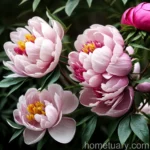
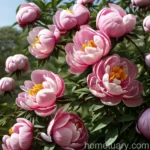
Paeonia lactiflora ‘Sarah Bernhardt’ is a herbaceous perennial plant that belongs to the Paeoniaceae family. This stunning plant is native to China, where it has been cultivated for thousands of years for its medicinal and ornamental properties. The ‘Sarah Bernhardt’ variety, in particular, is prized for its large, fragrant, and densely packed, double pink flowers, which bloom in late spring to early summer. The Peony plant typically reaches a height of 2 to 3 feet and spreads out to approximately 3 feet.
Key Takeaways – Paeonia lactiflora ‘Sarah Bernhardt’ (Peony)
Before delving into the details of Paeonia lactiflora ‘Sarah Bernhardt’, let’s take a quick look at the key takeaways that will be covered in this guide:
- Culture
- Uses
- Water
- Sunlight
- Fertilizer
- Soil
- Pruning
- Propagation
- Container Popularity
- Container Common Diseases
- Disease Diagnosis
- Common Pests
- Botanist’s Tips
- Fun Facts
- Links to External Resources
Now, let’s explore each of these aspects in detail.
Culture
Uses of Paeonia lactiflora ‘Sarah Bernhardt’ (Peony)
The Peony plant has been cherished for its various applications, including:
- Ornamental Purposes: The captivating and aromatic blooms of the Peony make it a popular choice for gardens, parks, and floral arrangements.
- Medicinal Properties: In traditional Chinese medicine, Peony roots were used to treat various ailments such as convulsions, spasms, and fevers. However, it’s important to exercise caution and seek professional advice before using plants for medicinal purposes.
Care Guide
Water
Proper watering is essential for the health and vigor of Paeonia lactiflora ‘Sarah Bernhardt’. Below are the general guidelines for watering this plant:
- Established Plants: Mature Peonies generally require about 1 to 1.5 inches of water per week, either from rainfall or manual watering.
- Newly Planted Peonies: During the first year of planting, ensure that the soil remains consistently moist, but not waterlogged, to encourage strong root development.
Sunlight
Peonies thrive in full sun or light shade. When selecting a location for planting, consider the following factors regarding sunlight:
- Full Sun: Provides the best conditions for abundant flowering.
- Light Shade: Ideal in regions with intense summer heat, as it helps protect the blooms from scorching.
Fertilizer
A well-balanced fertilization routine is crucial for the growth and flowering of Paeonia lactiflora ‘Sarah Bernhardt’. Consider the following fertilization tips:
- Early Spring Application: Apply a slow-release, balanced fertilizer in early spring when the new growth emerges.
- After Flowering: Once the Peony has finished blooming, apply a light dose of fertilizer to support root development and prepare the plant for the following season.
Soil
The right soil conditions are vital for the healthy growth of Peonies. Here are the ideal soil characteristics for Paeonia lactiflora ‘Sarah Bernhardt’:
- Well-Draining: Peonies detest waterlogged soil, as it can lead to rot and other diseases. Ensure the soil offers good drainage to prevent standing water around the roots.
- Nutrient-Rich: Incorporate organic matter such as compost into the soil to enhance fertility and structure.
Pruning
Proper pruning can contribute to the overall health and aesthetic appeal of the Peony plant. Here are some general guidelines for pruning:
- Deadheading: Regularly remove spent flowers to encourage the plant to channel its energy into new growth rather than seed production.
- Fall Pruning: Once the foliage has died back in the fall, trim the stems down to ground level to prevent any potential disease carryover into the next season.
Propagation
Peony propagation can be achieved through several methods, such as division and seed sowing. Whether you are a novice or experienced gardener, it’s crucial to understand the most suitable propagation technique for these plants:
- Division: The division of established clumps is the most common and successful method for propagating Peonies. It’s best done in the fall, allowing ample time for the new roots to establish before winter.
- Seed Sowing: While viable, growing Peonies from seeds is a more time-consuming and unpredictable process, as the resulting plants may differ significantly from the parent plant.
Container Popularity
Peonies are often cultivated in containers, particularly in regions with limited garden space. When growing Paeonia lactiflora ‘Sarah Bernhardt’ in containers, consider the following tips:
- Pot Size: Select a container with a diameter of at least 15 inches to accommodate the extensive root system of the Peony.
- Drainage: Ensure the container has ample drainage holes to prevent waterlogging, which can lead to root rot.
Container Common Diseases
Despite their beauty, Peonies are susceptible to certain diseases, especially when grown in containers. The most common diseases that may affect Paeonia lactiflora ‘Sarah Bernhardt’ include:
- Botrytis Blight: This fungal disease causes brown spots on leaves and flowers, often leading to the collapse of affected tissues.
- Powdery Mildew: It manifests as a white, powdery growth on the leaves and stems, ultimately leading to decreased photosynthesis and plant vigor.
Disease Diagnosis
Prompt diagnosis of diseases in Peonies is essential for effective management. Look out for the following symptoms when assessing the health of Paeonia lactiflora ‘Sarah Bernhardt’:
- Fungal Spots: Circular, dark spots on the leaves and flowers, often accompanied by a fuzzy growth (indicative of Botrytis blight).
- White Powdery Coating: A powdery white substance on the plant surfaces, signaling a potential powdery mildew infestation.
Common Pests
While Peonies are relatively pest-resistant, certain insects may pose a threat to Paeonia lactiflora ‘Sarah Bernhardt’. The most common pests include:
- Nematodes: These microscopic worms can cause stunted growth, wilting, and leaf deformation in Peony plants.
- Spider Mites: These tiny arachnids may infest the leaves and buds of Peonies, leading to stippling and discoloration.
Botanist’s Tips
As a plant scientist, my experience and research have unveiled specific tips for cultivating Paeonia lactiflora ‘Sarah Bernhardt’ with success:
- Mulching: Apply a layer of organic mulch around the base of the plant to conserve soil moisture, regulate temperature, and discourage weed growth.
- Spring Inspection: Regularly inspect the emerging shoots in spring for signs of pest activity, disease symptoms, or nutrient deficiencies.
Fun Facts
Peonies have an intriguing history and captivating attributes that make them a fascinating subject for plant enthusiasts. Here are some intriguing facts about Paeonia lactiflora ‘Sarah Bernhardt’:
- Symbolism: In various cultures, Peonies symbolize prosperity, good fortune, and a happy marriage, making them a popular choice in wedding bouquets and decorations.
- Lifespan: Some Peony plants have been known to thrive and bloom for over a century, creating a legacy of beauty in gardens worldwide.
Links to External Resources
To further enhance your understanding and appreciation of Paeonia lactiflora ‘Sarah Bernhardt’, I have curated a selection of valuable external resources for your reference:
For further insights, expert advice, and captivating visuals of Peonies, consider exploring these reputable sources.
In conclusion, Paeonia lactiflora ‘Sarah Bernhardt’ exemplifies the timeless allure and enchanting beauty of Peonies. From its elegant blooms to its rich cultural significance, this plant continues to captivate and inspire generations of gardeners, florists, and plant enthusiasts. By embracing the knowledge and practices outlined in this comprehensive guide, you can elevate your experience of cultivating and enjoying the remarkable and enduring Peony.
Remember: Whether you are admiring the radiant blooms of ‘Sarah Bernhardt’ in your garden or incorporating its elegance into floral arrangements, the Peony stands as an emblem of grace, resilience, and natural splendor.
References:
American Peony Society. “Welcome to The American Peony Society.” https://www.americanpeonysociety.org/
Royal Horticultural Society. “RHS, Helping You Grow.” https://www.rhs.org.uk/plants/popular/peony