Paeonia lactiflora ‘Golly’ (Peony): An Exquisite Flowering Plant
Paeonia lactiflora, commonly known as the Chinese peony or common garden peony, is a species of herbaceous perennial flowering plant in the family Paeoniaceae, native to central and eastern Asia, from eastern Tibet across northern China to eastern Siberia. ‘Golly’ is a beautiful cultivar of Paeonia lactiflora, renowned for its unique characteristics and exceptional beauty. In this comprehensive guide, we will explore the culture, uses, care tips, and various aspects of this stunning plant.
Key Takeaways – Paeonia lactiflora ‘Golly’ (Peony)
- Botanical Name: Paeonia lactiflora ‘Golly’
- Common Name: Peony ‘Golly’
- Plant Type: Herbaceous perennial
- Flower Color: Pink
- Sunlight: Full sun to partial shade
- Soil: Well-draining, fertile soil
- Water: Regular watering
- Height: Up to 3 feet
- Spread: Up to 3 feet
What is Paeonia lactiflora ‘Golly’ (Peony)?
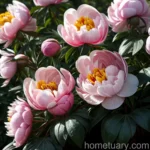
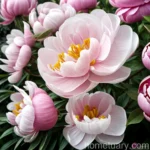
Paeonia lactiflora ‘Golly’ is a captivating and vibrant herbaceous perennial that belongs to the Paeoniaceae family, commonly known as the peony family. This striking plant is prized for its large, fragrant, and showy flowers that make a stunning statement in the garden. The ‘Golly’ cultivar is particularly renowned for its captivating pink blooms and its ability to add an enchanting touch to any landscape.
Characteristics of Paeonia lactiflora ‘Golly’
The ‘Golly’ variety of Paeonia lactiflora is beloved for its unique characteristics, making it a standout choice for garden enthusiasts and landscapers. Some key characteristics of this exquisite plant include:
– Large, fragrant pink flowers.
– Dark green foliage that provides a lovely backdrop to the vibrant blooms.
– Excellent disease resistance, making it a low-maintenance addition to gardens.
– A compact growth habit, making it suitable for various garden settings.
Culture
Water
Paeonia lactiflora ‘Golly’ thrives in well-drained soil and requires regular watering to maintain healthy growth and vibrant blooms. It is important to ensure that the soil is evenly moist, but not waterlogged, to prevent issues such as root rot. During hot and dry periods, providing additional moisture will help the plant flourish.
Sunlight
This peony variety thrives in full sun to partial shade. When planted in a location that receives ample sunlight, ‘Golly’ peonies produce an abundance of striking blooms and maintain their overall health and vigor. It is advisable to provide a minimum of six hours of sunlight daily for optimal growth and flowering.
Fertilizer
To promote healthy growth and abundant blooms, it is beneficial to fertilize Paeonia lactiflora ‘Golly’ in early spring with a balanced, all-purpose fertilizer. A slow-release fertilizer can also be applied to provide a steady supply of nutrients throughout the growing season. Avoid over-fertilizing, as this can lead to excessive foliage growth at the expense of flower production.
Soil
The ‘Golly’ peony thrives in well-draining, fertile soil with a slightly acidic to neutral pH. Amending the soil with organic matter such as compost or well-rotted manure can enhance its fertility and structure, creating an optimal growing environment for the plant. A loamy soil texture is preferred, as it provides the necessary aeration and moisture retention.
Pruning
Pruning plays a crucial role in maintaining the health, shape, and flowering performance of Paeonia lactiflora ‘Golly’. Proper pruning techniques enable the plant to channel its energy into producing robust blooms and prevent overcrowding within the foliage.
Pruning Timing
The ideal time to prune ‘Golly’ peonies is in late autumn after the plant has entered dormancy. At this stage, the foliage begins to die back, signaling that it is safe to trim the plant without impacting its growth or flowering potential.
Pruning Method
When pruning ‘Golly’ peonies, it is essential to remove the spent blooms and any dead or damaged foliage. Additionally, trimming back the stems to ground level helps the plant prepare for its dormant phase and encourages healthy regrowth in the following spring.
Propagation
Propagating Paeonia lactiflora ‘Golly’ allows gardeners to expand their collection of these stunning peonies and share them with fellow enthusiasts. There are several methods of propagating ‘Golly’ peonies, including division and seed propagation.
Division
Dividing mature ‘Golly’ peony plants is a popular and effective propagation method. This process involves carefully digging up the plant, dividing the rhizome into sections, and replanting them in suitable locations. Division is typically carried out in early autumn, allowing ample time for the newly established plants to acclimate before the onset of winter.
Seed Propagation
While seed propagation is a viable option for ‘Golly’ peonies, it is important to note that the resulting plants may not retain the exact characteristics of the parent plant. If opting for seed propagation, collecting ripe peony seeds and sowing them in a well-prepared seed bed can lead to the development of new ‘Golly’ cultivars, each with unique traits and attributes.
Container Popularity
The ‘Golly’ peony’s compact growth habit and stunning floral display make it a popular choice for container gardening. Whether displayed on patios, balconies, or as focal points within the garden, container-grown ‘Golly’ peonies add a touch of elegance and color to outdoor spaces.
Uses
Garden Ornament
Paeonia lactiflora ‘Golly’ serves as a striking garden ornament, elevating the visual appeal of any landscape with its captivating blooms and lush foliage. Whether planted as standalone specimens, in mixed borders, or as part of formal garden designs, these peonies effortlessly draw attention and admiration.
Floral Arrangements
The large, fragrant flowers of ‘Golly’ peonies make them highly sought after for floral arrangements. Whether used in bouquets, centerpieces, or other decorative displays, the blooms of this cultivar add a touch of sophistication and beauty to indoor settings.
Common Diseases
Disease Diagnosis
While Paeonia lactiflora ‘Golly’ is generally resistant to many common plant diseases, it is essential to monitor the plant for signs of issues such as powdery mildew, botrytis blight, and leaf spot diseases. Early diagnosis and prompt treatment can prevent the spread of these diseases and safeguard the health of the plant.
Common Pests
Pest Management
‘Golly’ peonies may occasionally attract pests such as spider mites, scale insects, and nematodes. Regular monitoring of the plant for signs of pest infestations, such as distorted foliage or unusual discoloration, allows for timely intervention to prevent any significant damage.
Botanist’s Tips
Maximizing Blooms
To maximize the blooming potential of Paeonia lactiflora ‘Golly’, deadhead spent flowers promptly to encourage the development of new buds. Additionally, providing adequate sunlight, water, and nutrition supports the plant in producing an abundance of vibrant blooms.
Fun Facts
- The peony is the traditional floral symbol of China, representing wealth, honor, and prosperity.
- Paeonia lactiflora has been cultivated in China for over 1,500 years and holds significant cultural and medicinal importance.
Conclusion
Paeonia lactiflora ‘Golly’ is a captivating and enchanting flowering plant that brings beauty and elegance to gardens and floral displays. Its alluring pink blooms, compact growth habit, and low-maintenance nature make it a cherished addition to landscapes and garden settings. Whether used as a focal point in the garden, a source of cut flowers, or a versatile container plant, the ‘Golly’ peony continues to captivate plant enthusiasts and gardeners alike with its enduring charm and beauty.
Links to External Resources
By delving into the intricate details and cultivation practices of Paeonia lactiflora ‘Golly’, we gain a deeper appreciation for the remarkable beauty and cultural significance of this exceptional plant. With careful attention to its specific requirements and proper care, ‘Golly’ peonies flourish and continue to enchant all who encounter them in the garden or floral arrangements.
References
1. Flora of China Editorial Committee. (2001). Flora of China (Vol. 6). Science Press and Missouri Botanical Garden Press. ISBN: 9787010007476
2. White, J. (2018). Peonies: Beautiful Varieties for Home and Garden. Timber Press.