Pachyphytum Oviferum (Pachyphytum Oviferum)
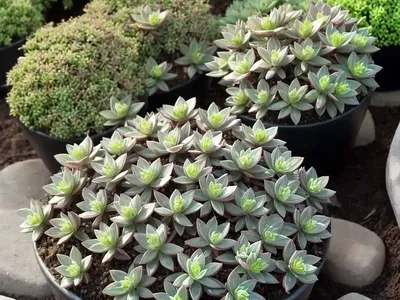
Pachyphytum oviferum is a delightful succulent plant known for its charming rosette of thick, pastel-colored leaves. Commonly referred to as “Moonstones,”.
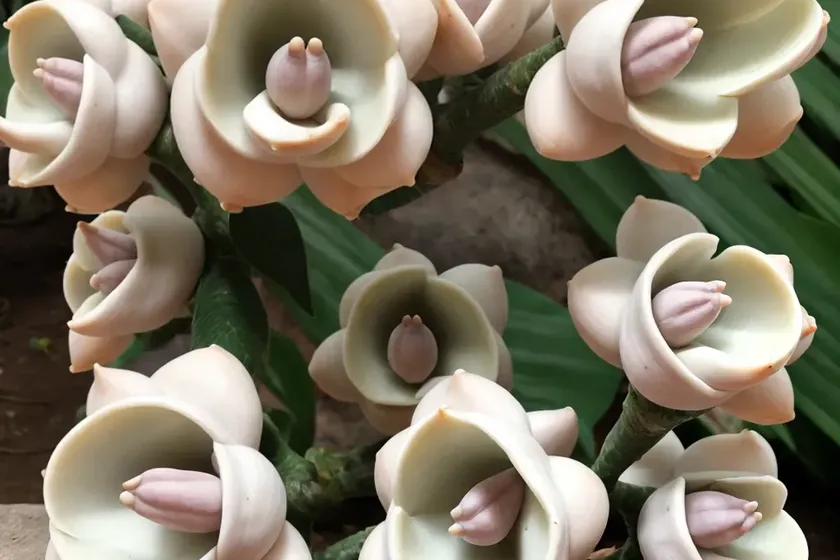
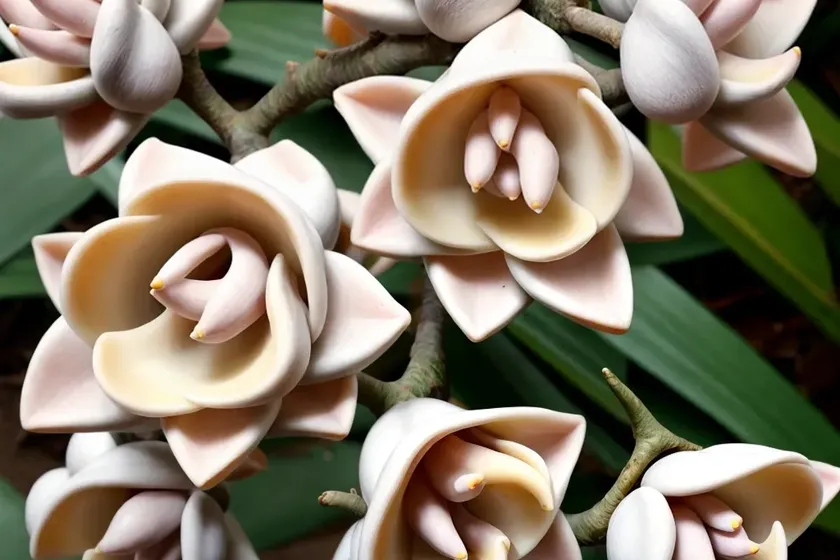
Pachyphytum oviferum is a delightful succulent plant known for its charming rosette of thick, pastel-colored leaves. Commonly referred to as “Moonstones,” this plant is a part of the Crassulaceae family and originates from Mexico. With its remarkable appearance and relatively low maintenance requirements, it has gained popularity with plant enthusiasts and collectors around the world. In this comprehensive guide, we will delve into the cultivation, care, propagation, and potential issues related to Pachyphytum oviferum, equipping you with the knowledge to foster its thriving growth and address any challenges that may arise.
What is Pachyphytum Oviferum?
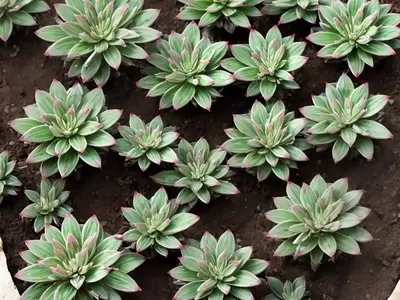
Pachyphytum oviferum, also known as Moonstones, is a fleshy, evergreen succulent featuring compact rosettes of spoon-shaped leaves. The leaves are pale bluish-green in color, giving the plant a dreamy and ethereal appearance reminiscent of moonlight, thus inspiring its common name. This particular species of succulent isn’t particularly large, typically growing to about 6 inches (15 cm) in height, making it an excellent addition to indoor or outdoor arrangements.
The thick, rounded leaves of Pachyphytum oviferum have a powdery coating, known as farina, serving as protection against excessive sunlight and water loss. It is important to handle the leaves as rarely as possible, as the farina can be easily rubbed off by touch, potentially harming the plant’s ability to regulate moisture.
Apart from its ornamental value, Pachyphytum oviferum is hailed for its relatively undemanding care requirements, making it an ideal choice for beginners and experienced plant enthusiasts alike.
Key Takeaways – Pachyphytum Oviferum
Before we dive deeper into the specific care and cultivation guidelines for Pachyphytum oviferum, let’s outline the key takeaways that will be covered in this comprehensive guide:
- Culture
- Uses
- Water
- Sunlight
- Fertilizer
- Soil
- Pruning
- Propagation
- Container Popularity
- Common Diseases
- Disease Diagnosis
- Common Pests
- Botanist’s Tips
- Fun Facts
- Links to External Resources
Now, let’s begin our exploration of this fascinating succulent and discover the best methods for its care and maintenance.
Culture of Pachyphytum Oviferum
Pachyphytum oviferum is revered for its adaptability, making it a versatile choice for various settings, from indoor spaces to outdoor gardens. Understanding its culture and environmental preferences is instrumental in fostering optimal growth and overall plant health. Here are the key cultural factors to consider when caring for Pachyphytum oviferum:
Uses
Pachyphytum oviferum is a highly versatile plant with a range of uses, including:
- Ornamental Purposes: Its charming appearance makes it a popular choice for succulent gardens, rock gardens, and indoor plant collections.
- Landscaping: It can be used in xeriscaping due to its drought-tolerant nature.
- Educational Purposes: Due to its unique characteristics, it is often used in educational settings to demonstrate succulent adaptation and growth patterns.
Understanding the potential uses of Pachyphytum oviferum allows enthusiasts to appreciate its value and place in various settings, whether for aesthetic appeal or educational purposes.
Water
Proper watering is crucial for the health and vitality of Pachyphytum oviferum. As with many succulents, overwatering is one of the most common causes of issues, such as root rot. Here are some key points to consider when watering Pachyphytum oviferum:
- Watering Frequency: Allow the soil to dry out between watering sessions. The frequency of watering will vary based on the season, with more frequent watering in the hot, dry months and less frequent watering in cooler, dormant periods.
- Avoid Overwatering: Soggy or waterlogged soil can quickly lead to root rot and other detrimental conditions. Ensure that excess water is able to drain freely from the pot to prevent waterlogged soil.
Sunlight
In its natural habitat, Pachyphytum oviferum grows in regions with ample sunlight. When cultivating this succulent, providing the appropriate amount of sunlight is essential for its well-being. Consider the following guidelines for sunlight exposure:
- Light Requirements: Pachyphytum oviferum thrives in bright, indirect light. Avoid direct, intense sunlight, especially during the hottest part of the day, as it can lead to leaf burn and damage.
- Indoor Placement: When kept indoors, place the plant near a sunny window or in a location that receives bright, indirect light.
- Outdoor Placement: If grown outside, ensure that it is shielded from intense midday sun and provided with partial shade during the hottest hours.
Fertilizer
While Pachyphytum oviferum doesn’t require frequent fertilization, providing it with essential nutrients can promote healthy growth and robust foliage. Consider the following fertilizer-related tips:
- Frequency: During the active growing season (usually spring and summer), feed the plant with a balanced, diluted fertilizer solution once every 4-6 weeks. Refrain from fertilizing during the dormant winter months when the plant’s growth slows down.
- Dilution: To prevent fertilizer burn, dilute the concentration to half or quarter strength, following the manufacturer’s guidelines for succulent application.
Soil
The right soil composition is crucial for ensuring proper drainage and aeration, which are essential for preventing issues such as root rot. When selecting or preparing the soil for Pachyphytum oviferum, keep the following considerations in mind:
- Well-Draining Soil: Use a well-draining soil mix specifically formulated for succulents and cacti. Alternatively, a DIY mix comprising a combination of potting soil, perlite, and coarse sand can be suitable.
- Aeration: Proper aeration is crucial for healthy root development. The soil should allow air to circulate around the roots while effectively absorbing and draining excess water.
Pruning
Pruning is generally minimal for Pachyphytum oviferum, as it naturally maintains a compact, rosette form. However, removing any dead or withered leaves is beneficial for the plant’s overall aesthetics and health. When pruning the plant, keep the following in mind:
- Target Dead Growth: Inspect the plant regularly for any dead or desiccated leaves. Gently remove them by hand or with sterilized pruning shears to maintain the plant’s tidy appearance and prevent the spread of potential diseases.
- Handle with Care: Avoid excessive handling and touching of the leaves, as the farina (powdery coating) can be easily disrupted, potentially impacting the plant’s ability to regulate moisture.
Propagation
Propagation allows plant enthusiasts to expand their collection and share the joy of cultivating Pachyphytum oviferum with others. The following methods are commonly used for successful propagation of this succulent:
- Leaf Propagation: Obtain healthy leaves from the mother plant, allow them to callus for a few days, and then place them on a well-draining propagation medium. With time, new plantlets will develop from the leaf tips.
- Offsets: Pachyphytum oviferum occasionally produces offsets, or “pups,” around the base of the mother plant. These can be carefully removed and potted separately once they have developed roots of their own.
Container Popularity
Pachyphytum oviferum is well-suited for various container arrangements, from mixed succulent planters to standalone potted displays. Consider the following factors when choosing containers for this succulent:
- Drainage Holes: Select containers with adequate drainage holes to prevent water from pooling at the base of the pot.
- Size: Choose a container that provides ample space for the plant’s roots to grow and expand. A slightly larger pot is preferable, as it allows for sufficient airflow around the soil and roots.
Common Diseases
Like any plant, Pachyphytum oviferum is susceptible to specific diseases and issues that can affect its growth and appearance. Common diseases to watch for include:
- Root Rot: This is often caused by overwatering and poorly draining soil. Symptoms include yellowing, mushy leaves and a foul odor emanating from the soil.
- Powdery Mildew: While less common, powdery mildew can affect Pachyphytum oviferum, leading to a white, powdery substance on the leaves and potential leaf distortion.
Disease Diagnosis
Understanding how to diagnose and address potential diseases and issues is critical for ensuring the overall health and longevity of Pachyphytum oviferum. Read on for guidelines on diagnosing and managing common diseases:
- Observation: Regularly inspect the plant for any signs of disease, such as discolored or distorted foliage, wilting, or unusual growth patterns.
- Treatment: If symptoms of disease are observed, address the underlying cause promptly. This may involve adjusting watering practices, improving air circulation, and potentially applying targeted treatments if necessary.
Common Pests
Pachyphytum oviferum is typically resistant to most pests, thanks to its thick, protective farina. However, it is still essential to remain vigilant for potential infestations. Common pests that may affect this succulent include:
- Mealybugs: These small, cottony insects can cluster on the leaves and stems, damaging the plant by piercing and sucking out its sap.
- Spider Mites: When present in large numbers, spider mites can cause stippling, webbing, and yellowing of the leaves.
Botanist’s Tips
Drawing on expert insights and best practices can elevate your approach to caring for Pachyphytum oviferum. Here are some botanist-approved tips to help you foster its thriving growth:
- Observe Growth Patterns: Pay attention to how the plant responds to different environmental conditions, such as temperature changes and sunlight exposure. This observation can inform adjustments in care to better meet the plant’s needs.
- Allow for Dormancy: During the winter months, when growth naturally slows down, reduce watering and fertilization to accommodate the plant’s natural dormancy period.
Fun Facts
Uncover some intriguing and delightful facts about Pachyphytum oviferum that add to its allure and charm as a beloved succulent species:
- Native Habitat: Pachyphytum oviferum is native to Mexico, where it thrives in rocky, mountainous terrains with well-draining soil.
- Botanical Name: The genus name “Pachyphytum” is derived from the Greek words “pachys,” meaning “thick,” and “phyton,” meaning “plant,” referencing the succulent’s fleshy, thick leaves.
- Farina Protection: The powdery farina on the leaves of Pachyphytum oviferum acts as a natural sunscreen, protecting the plant from excessive sunlight and potential water loss.
Links to External Resources
Enrich your understanding of Pachyphytum oviferum through these reliable and informative external resources:
- Royal Horticultural Society – Pachyphytum oviferum
- Succulent Plant Care – Pachyphytum oviferum Care Guide
- University of Florida IFAS Extension – Succulent Plants
In this guide, we’ve covered a wide range of topics related to the care, cultivation, propagation, and potential issues associated with Pachyphytum oviferum. By understanding its cultural preferences, addressing common diseases and pests, and incorporating expert tips, you can ensure that your Pachyphytum oviferum thrives and continues to delight with its captivating appearance and resilient nature. Whether you’re a seasoned succulent enthusiast or a beginner looking to expand your plant collection, Pachyphytum oviferum offers a delightful and rewarding addition to any botanical assortment.