Pachyphytum “Moonsilver” (Pachyphytum ‘Moonsilver’)
Pachyphytum “Moonsilver” (Pachyphytum ‘Moonsilver’) is a stunning succulent plant that is popular among both novice and experienced gardeners due to its.
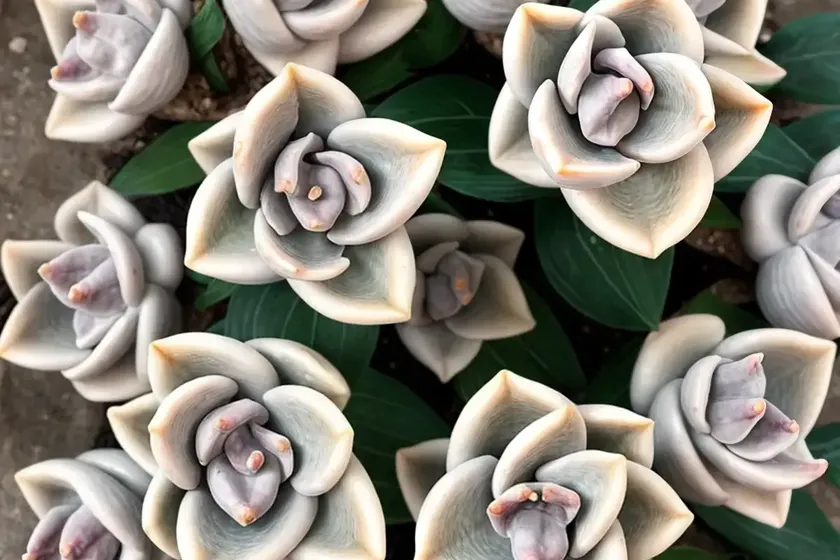
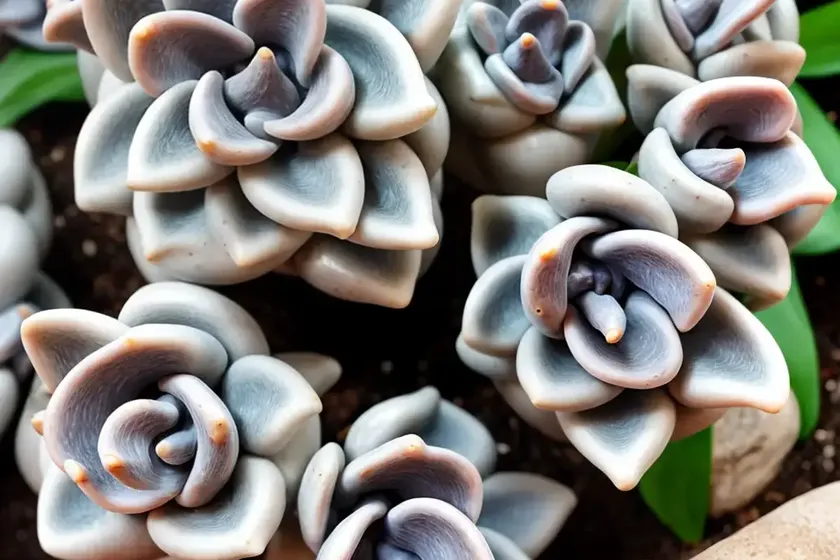
Pachyphytum “Moonsilver” (Pachyphytum ‘Moonsilver’) is a stunning succulent plant that is popular among both novice and experienced gardeners due to its unique features and relatively low maintenance needs. In this comprehensive guide, we will explore the various aspects of caring for and cultivating this beautiful plant. From its cultural requirements to common diseases and pests, you will find all the essential information you need to ensure the optimal growth of Pachyphytum “Moonsilver”. Let’s delve into the enchanting world of Pachyphytum “Moonsilver”, and uncover the secrets to successfully nurturing this captivating succulent.
What is Pachyphytum “Moonsilver”?
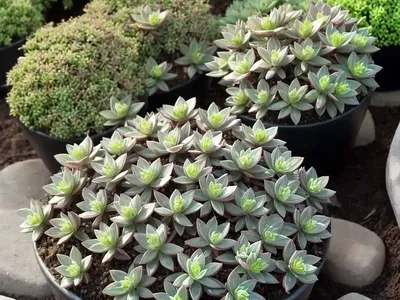
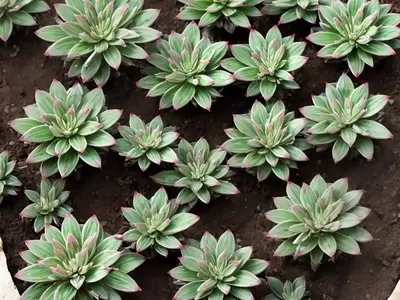
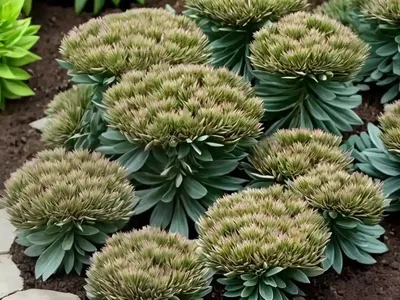
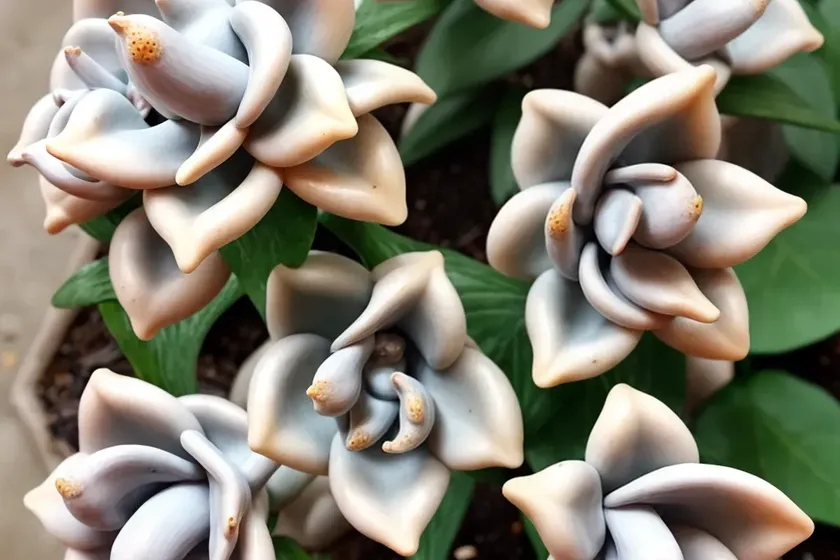
Pachyphytum “Moonsilver” is a member of the Crassulaceae family and is native to Mexico. This delightful succulent is known for its compact rosettes of silvery-blue leaves, which present a powdery, ethereal appearance. The leaves are fleshy and obovate, forming attractive clusters that gradually spread, creating a visually appealing display.
The “Moonsilver” variety is particularly cherished for its captivating coloration, which enhances the aesthetics of both indoor and outdoor spaces. When grown under optimal conditions, Pachyphytum “Moonsilver” can produce delicate, star-shaped flowers in shades of pink and yellow, adding an extra dimension to its overall charm.
Key Takeaways – Pachyphytum “Moonsilver” (Pachyphytum ‘Moonsilver’)
Before we dive deeper into the specifics of caring for Pachyphytum “Moonsilver”, it’s essential to highlight some key takeaways about this enchanting succulent. The following points encapsulate the fundamental aspects that will be elaborated upon in this guide:
- Cultural Requirements: Understanding the ideal environment for Pachyphytum “Moonsilver” to thrive.
- Watering Needs: Nurturing the plant with the appropriate amount of water to maintain its health.
- Sunlight Exposure: Providing the right levels of sunlight for optimal growth and coloration.
- Fertilization: Ensuring the application of suitable fertilizers to support the plant’s nutritional needs.
- Soil Conditions: Selecting and preparing the right type of soil for Pachyphytum “Moonsilver”.
- Pruning: Knowing when and how to trim the plant to maintain its form and health.
- Propagation: Exploring the methods for multiplying Pachyphytum “Moonsilver”.
- Container Cultivation: Understanding the benefits and considerations of growing the plant in containers.
- Popularity and Common Uses: Discovering why Pachyphytum “Moonsilver” is a beloved choice for both indoor and outdoor landscaping.
Now, let’s delve into each of these aspects in detail to unravel the secrets of successful Pachyphytum “Moonsilver” care and cultivation.
Cultural Requirements
One of the foremost considerations when cultivating Pachyphytum “Moonsilver” is to create an environment that closely mimics its natural habitat. This means paying close attention to factors such as temperature, humidity, and air circulation to ensure the plant’s well-being. Let’s explore the cultural requirements for promoting the optimal growth of Pachyphytum “Moonsilver”.
Temperature
Pachyphytum “Moonsilver” thrives in moderate to warm temperatures, making it well-suited for both indoor and outdoor cultivation. Ideally, the plant should be kept in an environment with temperatures ranging between 65°F to 80°F (18°C to 27°C). It is crucial to protect the plant from extreme heat or cold, as sudden temperature fluctuations can adversely affect its health.
During the winter months, it is advisable to shield Pachyphytum “Moonsilver” from frost and cold drafts, particularly if it is grown outdoors in regions with harsh winters. In colder climates, bringing the plant indoors or providing protective coverings can safeguard it from potential damage caused by freezing temperatures.
Humidity and Air Circulation
While Pachyphytum “Moonsilver” is relatively tolerant of dry conditions, it can benefit from adequate humidity to support healthy growth. In regions with low humidity, especially during winter when indoor heating systems can further reduce moisture levels, placing a shallow tray of water or using a humidifier near the plant can help maintain a more favorable humidity level.
Additionally, ensuring good air circulation is vital for preventing humidity-related issues such as fungal infections. Proper ventilation, whether indoors or outdoors, can also aid in regulating the temperature around the plant, ensuring a stable and conducive environment for Pachyphytum “Moonsilver”.
Light Requirements
Adequate sunlight is vital for the well-being of Pachyphytum “Moonsilver”. As a succulent, it has evolved to thrive in bright, indirect light. When grown indoors, placing the plant near a south or west-facing window can provide the ideal balance of light exposure. In warmer climates, outdoor cultivation in a location that receives partial to full sunlight is recommended.
However, it’s important to be mindful of excessive direct sunlight, especially during the hottest parts of the day. Prolonged exposure to intense sunlight can lead to leaf scorching and discoloration. Providing a dappled light environment or utilizing shading techniques, such as using sheer curtains for indoor plants or creating natural shading with outdoor structures, can help shield Pachyphytum “Moonsilver” from the potential harm caused by excessive sunlight.
Watering
Watering practices significantly influence the health and vitality of Pachyphytum “Moonsilver”. As with most succulents, overwatering poses a more significant threat to the plant’s well-being than underwatering. Understanding the appropriate watering regimen for Pachyphytum “Moonsilver” is crucial for promoting robust growth and preventing moisture-related issues.
Frequency of Watering
Pachyphytum “Moonsilver” follows the typical succulent watering pattern, preferring periods of dryness interspersed with thorough watering. The frequency of watering largely depends on factors such as the season, prevailing climate, and the plant’s growth stage. During the active growing season, typically spring and summer, the plant will benefit from more frequent watering. In contrast, reduced watering is recommended during the plant’s dormancy in fall and winter.
A general guideline is to water Pachyphytum “Moonsilver” when the top inch (2.5 cm) of the soil has dried out completely. This helps prevent waterlogged soil, which can lead to root rot and other moisture-related issues. Overwatering, especially in poorly draining soil, can quickly spell disaster for succulents like Pachyphytum “Moonsilver”, making it essential to exercise prudence when irrigating the plant.
Watering Technique
When watering Pachyphytum “Moonsilver”, it is advisable to employ a thorough, soak-and-dry approach. This entails watering the plant until water flows out of the drainage holes, ensuring that the entire root mass receives moisture. Afterward, it’s crucial to allow the soil to dry out completely before the next watering session.
The use of a well-draining potting mix is imperative to facilitate this watering technique. Inadequately aerated or water-retentive soils can hinder proper drainage, increasing the risk of root rot. By employing a soil mix specifically formulated for succulents, gardeners can help safeguard Pachyphytum “Moonsilver” from potential water-related complications.
Signs of Overwatering and Underwatering
Proficiently managing the watering needs of Pachyphytum “Moonsilver” is vital for preventing detrimental consequences associated with both overwatering and underwatering. Knowing the telltale signs of these conditions allows for timely intervention, safeguarding the plant from potential harm.
Signs of Overwatering:
– Mushy or discolored leaves
– Foul odor emanating from the soil
– Yellowing or wilting of leaves despite adequate light
– Soft, blackened stems and roots
Signs of Underwatering:
– Shriveled or wrinkled leaves
– Leaf drop or curling
– Lethargic growth or stunted appearance
– Dry, crisp texture of leaves
By remaining vigilant and observing the plant’s response to its watering regimen, gardeners can fine-tune their approach, ensuring that Pachyphytum “Moonsilver” receives the appropriate amount of moisture to thrive.
Fertilizer
Fertilization plays a pivotal role in ensuring the vigor and longevity of Pachyphytum “Moonsilver”. By providing essential nutrients, gardeners can bolster the plant’s resilience and enhance its ornamental qualities. Understanding the appropriate fertilizer application and timing is essential for maximizing the plant’s growth potential.
Fertilizer Type
When selecting a fertilizer for Pachyphytum “Moonsilver”, it is advisable to opt for a balanced, water-soluble formula specifically formulated for succulents and cacti. Such fertilizers typically feature a balanced N-P-K (nitrogen, phosphorus, potassium) ratio, along with additional micronutrients necessary for promoting healthy growth.
The N-P-K ratio usually recommended for succulents is in the range of 2:1:1 or 1:1:1. This balanced formulation provides the necessary macronutrients, while also preventing an excessive buildup of any specific nutrient that could potentially harm the plant.
Fertilization Schedule
The application of fertilizer should be predominantly scheduled during the active growing season, commencing in early spring and concluding in early fall. As a rule of thumb, it is advisable to administer fertilizer to Pachyphytum “Moonsilver” approximately once every four to six weeks. This intermittent schedule helps prevent overfertilization, a common issue that can negatively impact the health of succulents.
However, during the plant’s dormancy in fall and winter, it is essential to reduce or altogether suspend fertilization. This aligns with the natural growth cycle of Pachyphytum “Moonsilver”, ensuring that the plant receives the necessary rest period before recommencing active growth in the subsequent season.
Application Technique
When applying fertilizer to Pachyphytum “Moonsilver”, it is essential to dilute the concentrated solution to half or one-quarter of the recommended strength. This diluted mixture is gentler on the plant’s sensitive roots, reducing the risk of fertilizer burn. Overly concentrated fertilizers can lead to salt buildup in the soil, which can impede the plant’s ability to absorb water and nutrients.
Care should be taken to thoroughly saturate the soil with the diluted fertilizer, ensuring even distribution and absorption by the root system. Because succulents like Pachyphytum “Moonsilver” are susceptible to root burn from excessive salts, flushing the soil with plain water every few months can help remove any accumulated salts, safeguarding the plant’s overall health.
Soil
The selection and preparation of an appropriate potting mix are crucial for nurturing Pachyphytum “Moonsilver”. The ideal soil type for this succulent is well-draining, ensuring that excess moisture does not linger around the plant’s roots. Understanding the essential characteristics of suitable soil for Pachyphytum “Moonsilver” is paramount for its successful cultivation.
Characteristics of Ideal Soil
The ideal soil mix for Pachyphytum “Moonsilver” is composed of a balanced combination of organic and inorganic components. This blend promotes adequate aeration and drainage, characteristics indispensable for succulent health. A well-formulated succulent potting mix typically consists of the following components:
- Sand: Coarse sand aids in improving drainage and preventing waterlogging.
- Perlite: This lightweight, porous material enhances aeration in the soil, promoting optimal root respiration.
- Pumice: Another lightweight, porous addition that improves drainage and prevents compacting of the soil.
- Peat or Coir: Organic components such as peat moss or coconut coir help retain moisture while assisting in the overall structural integrity of the soil mix.
By combining these components in the appropriate ratios, gardeners can create a well-balanced succulent potting mix that provides optimal support for Pachyphytum “Moonsilver” and other similar succulent species.
Soil Preparation
When preparing the soil for Pachyphytum “Moonsilver”, it’s important to thoroughly mix the various components to achieve a homogeneous blend. Additionally, sterilizing the soil mix prior to use can help eradicate potential pathogens and pests, creating a more favorable environment for the succulent’s growth.
Sterilization methods can include heat treatment or the use of organic fungicides to eliminate any harmful agents that may compromise the health of the plant. This precautionary measure can be particularly beneficial when repotting or propagating Pachyphytum “Moonsilver”, minimizing the risk of introducing detrimental organisms to the plant’s new growing medium.
Pruning
Pruning is a vital aspect of succulent care, essential for maintaining the form and vitality of Pachyphytum “Moonsilver”. Through selective trimming and removal of spent or damaged growth, gardeners can promote the overall health and appearance of the plant. However, it is crucial to approach pruning with care, ensuring that the process does not inadvertently harm the succulent.
Removal of Dead or Damaged Leaves
As with most succulents, Pachyphytum “Moonsilver” may occasionally experience the development of unsightly or compromised leaves. These can be the result of natural aging, environmental stresses, or pest and disease pressures. To preserve the plant’s aesthetics and prevent potential issues from spreading, it is advisable to promptly remove any dead or damaged leaves.
Using sanitized pruning shears or scissors, carefully snip off the affected leaves at their base, taking care to avoid unnecessary damage to the surrounding healthy foliage. This proactive approach to maintenance can help prevent the spread of diseases and pests, safeguarding the overall well-being of Pachyphytum “Moonsilver”.
Shaping and Maintenance Pruning
While Pachyphytum “Moonsilver” typically maintains a compact, rosette growth habit, occasional shaping and maintenance pruning can help refine the plant’s appearance. This can involve selectively trimming back leggy stems, adjusting the overall silhouette of the plant, and ensuring that it maintains a balanced, visually appealing form.
When undertaking shaping and maintenance pruning, it is essential to work gradually and with precision. It’s advisable to avoid removing more than a third of the plant’s foliage at any given time to prevent excessive stress. By exercising patience and care, gardeners can achieve the desired aesthetic while minimizing potential shock to Pachyphytum “Moonsilver”.
Propagation
The propagation of Pachyphytum “Moonsilver” offers enthusiasts the opportunity to multiply their plants, share them with others, or refresh aging specimens. By employing various propagation techniques suitable for succulents, it is possible to generate new, genetically identical individuals from the parent plant. Let’s explore some of the common methods for propagating Pachyphytum “Moonsilver”.
Leaf Cuttings
Leaf cuttings are a popular and effective means of propagating Pachyphytum “Moonsilver”. This technique involves carefully removing healthy, mature leaves from the parent plant and allowing them to generate new roots and shoots. The process typically unfolds as follows:
-
Leaf Selection: Choose a mature, healthy leaf from the lower section of the plant. Ensure that the leaf is intact and free from damage or disease.
-
Callous Formation: Allow the cut end of the leaf to air dry and form a callous. This helps prevent excessive moisture loss and reduces the risk of rotting when the leaf is placed in a growing medium.
-
Propagation Medium: Prepare a well-draining propagation medium, such as a mix of perlite and coarse sand. Insert the calloused end of the leaf into the medium, burying it just deep enough to provide stability.
-
Root Development: Place the leaf cutting in a warm, bright location, ensuring that it receives indirect sunlight. After a period of time, typically a few weeks to a few months, new roots and tiny rosettes will emerge from the base of the leaf.
-
Transplanting: Once the new plantlets have developed sufficient roots and growth, they can be carefully transplanted into individual containers with a suitable succulent potting mix.
Stem Cuttings
In addition to leaf cuttings, Pachyphytum “Moonsilver” can also be propagated through stem cuttings. This method involves taking healthy, actively growing stems from the parent plant and encouraging the development of new roots. The following steps outline the process of utilizing stem cuttings for propagation:
-
Cutting Selection: Identify a healthy, actively growing stem and carefully remove a section, ensuring that it includes multiple leaf nodes. This provides ample opportunities for root production.
-
Callous Formation: Similar to leaf cuttings, allow the cut end of the stem cutting to form a callous before planting. This mitigates the risk of excessive moisture loss and fungal infections.
-
Planting and Rooting: Insert the calloused end of the stem cutting into a well-draining propagation medium, ensuring that it remains stable. Place the cutting in a warm, bright location and monitor its progress. Over time, new roots will emerge from the leaf nodes, anchoring the cutting and supporting its growth.
-
Transplanting: Once the roots have sufficiently developed, the new plantlet can be transplanted into its own container with well-draining soil, allowing it to continue its growth as an independent plant.
Container Cultivation
Pachyphytum “Moonsilver” possesses the versatility to thrive in container environments, making it an excellent choice for indoor and outdoor décor. Container cultivation offers several advantages, such as greater control over growing conditions, ease of maintenance, and the ability to create visually captivating arrangements. When cultivating Pachyphytum “Moonsilver” in containers, there are various considerations to ensure the plant’s success.
Pot Selection
Selecting the appropriate pot for Pachyphytum “Moonsilver” is crucial for ensuring the plant’s well-being. Key factors to consider when choosing a pot for succulents include size, drainage capacity, and material.
-
Size: Opt for a pot that accommodates the plant’s current size with a little room for potential growth. However, avoid selecting a container that is excessively large, as this can lead to excessive moisture retention around the roots.
-
Drainage: Prioritize pots with drainage holes to prevent water from accumulating at the bottom. Adequate drainage is essential for minimizing the risk of root rot and moisture-related issues.
-
Material: Porous materials such as terracotta or unglazed ceramic can be advantageous for succulents, as they facilitate air exchange and water evaporation. Non-porous containers, such as glazed ceramics or metals, may necessitate more vigilant watering practices to prevent waterlogging.
Container Arrangements
Pachyphytum “Moonsilver” can be showcased in a myriad of container arrangements, offering endless possibilities for creative expression. When designing container displays featuring this captivating succulent, consider incorporating complementary plants with similar cultural requirements. This can include other succulents, cact