Pachyphytum Compactum (Pachyphytum Compactum)
Pachyphytum Compactum, commonly known as “Little Jewel,” is a charming succulent species that belongs to the family Crassulaceae. With its rosettes of.
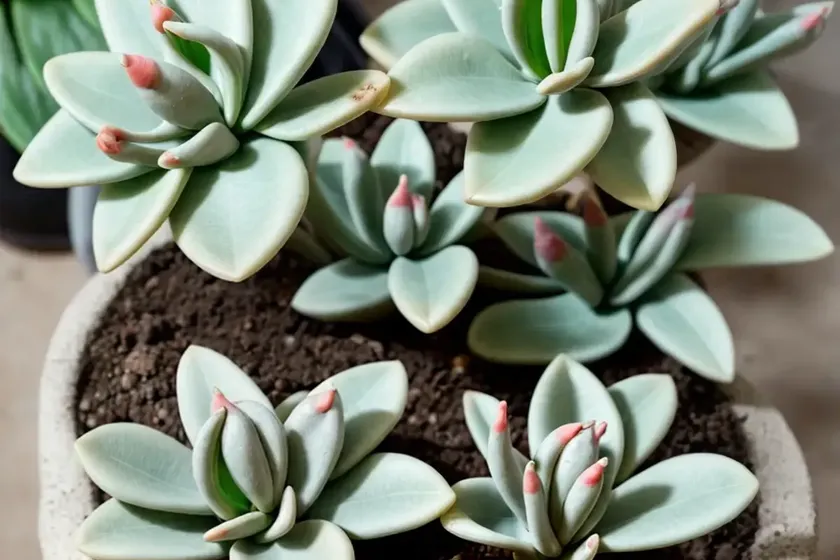
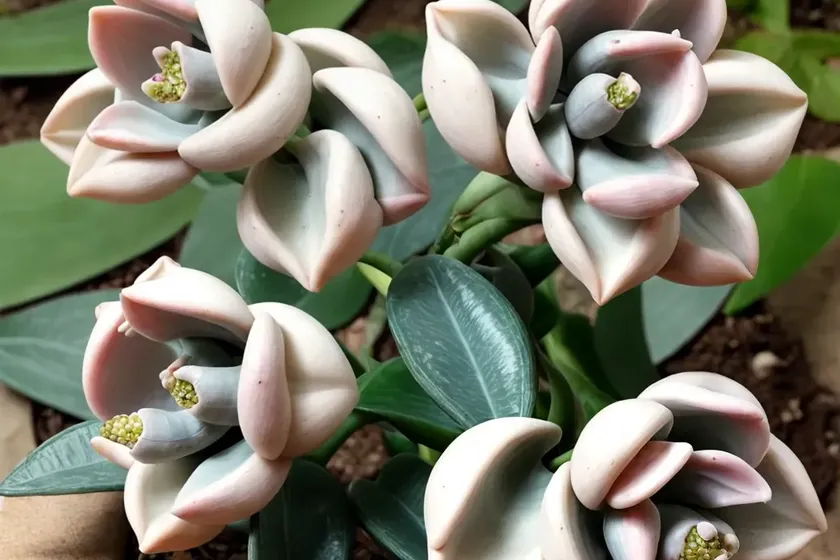
Pachyphytum Compactum, commonly known as “Little Jewel,” is a charming succulent species that belongs to the family Crassulaceae. With its rosettes of thick, fleshy leaves and remarkable ability to thrive in a variety of conditions, Pachyphytum Compactum has become a popular choice for indoor and outdoor gardening alike. In this comprehensive guide, we will explore the cultivation, care, and maintenance of Pachyphytum Compactum, delving into its unique characteristics and offering valuable tips for plant enthusiasts.
What is a Pachyphytum Compactum?
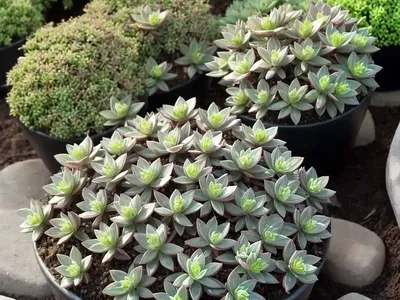
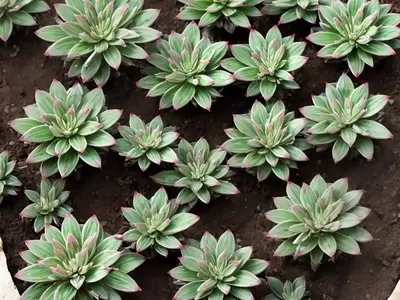
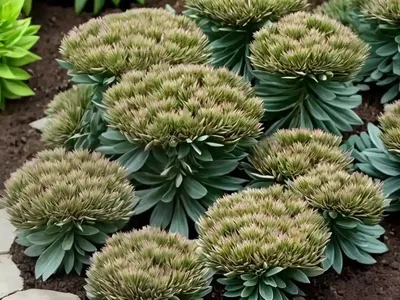
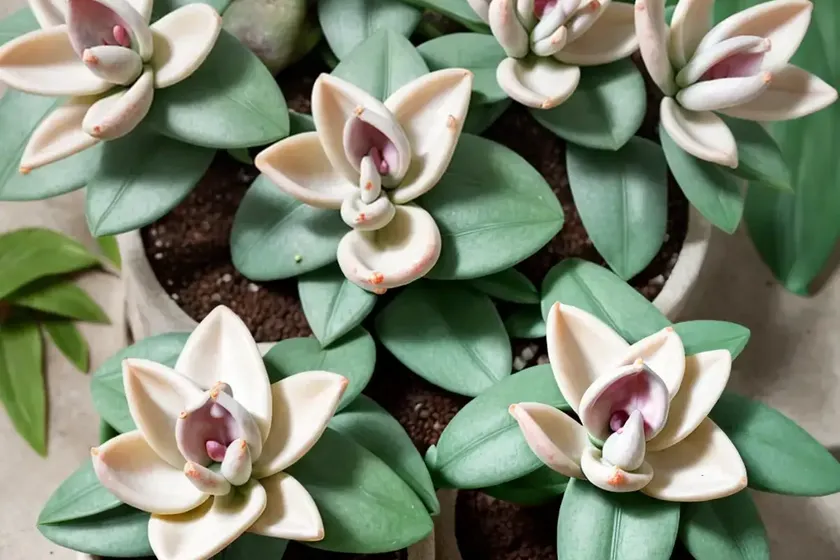
Pachyphytum Compactum is a small, slow-growing succulent native to Mexico. It is characterized by its compact rosettes of chunky, glaucous leaves that form attractive clusters. The leaves are spoon-shaped and often display a striking powdery coating. As a member of the Crassulaceae family, Pachyphytum Compactum is related to other popular succulents such as Echeveria and Sedum.
This charming succulent typically reaches a height of 4-6 inches (10-15 cm) and produces delicate, star-shaped flowers in shades of pink and white during the spring and summer months. The compact nature of this plant makes it an excellent choice for container gardening, rock gardens, and succulent arrangements, adding beauty and interest to any space.
Key Takeaways – Pachyphytum Compactum
Before delving into the specifics of caring for Pachyphytum Compactum, let’s highlight some key takeaways about this unique succulent:
- Pachyphytum Compactum is a small, slow-growing succulent with compact rosettes of thick, fleshy leaves.
- It is commonly known as “Little Jewel” due to its charming appearance and petite size.
- This succulent produces star-shaped flowers in shades of pink and white during the spring and summer.
- Pachyphytum Compactum is well-suited for indoor and outdoor cultivation, making it a versatile choice for plant enthusiasts.
Now that we have a general understanding of Pachyphytum Compactum, let’s explore the specific aspects of its care and cultivation.
Culture
Uses
Pachyphytum Compactum is a versatile succulent with various uses in both indoor and outdoor settings. Some common uses include:
- Indoor and outdoor container gardening: Its compact size and attractive appearance make it an ideal choice for small containers, terrariums, and succulent arrangements.
- Rock gardens: Pachyphytum Compactum thrives in well-draining soil and is well-suited for rock gardens or dry landscapes.
- Ornamental plantings: It can be used as an ornamental addition to gardens, borders, and xeriscapes.
Water
Proper watering is essential for the health and vitality of Pachyphytum Compactum. As with most succulents, it is crucial to avoid overwatering, which can lead to rot and other issues. Here are some key points to consider when watering Pachyphytum Compactum:
- Water thoroughly but allow the soil to dry out completely between waterings.
- During the active growing season (spring and summer), water the plant when the top 1-2 inches (2.5-5 cm) of soil are dry.
- In the winter months, reduce watering and allow the soil to dry out more between waterings to mimic its natural dormancy period.
Sunlight
Pachyphytum Compactum thrives in bright, indirect light and can also tolerate some direct sunlight. Here are some sunlight requirements to keep in mind:
- Provide the plant with at least 4-6 hours of bright, indirect light per day.
- In hot climates, protect the plant from intense midday sun to prevent sunburn.
Fertilizer
Applying a balanced fertilizer can promote healthy growth and flowering in Pachyphytum Compactum. Here are some fertilizer tips for this succulent:
- Use a diluted, balanced fertilizer formulated for succulents.
- Apply fertilizer sparingly during the growing season (spring and summer) to avoid overfeeding.
Soil
Well-draining soil is crucial for the cultivation of Pachyphytum Compactum. Choosing the right soil mixture can greatly impact the plant’s health and growth. Consider the following when selecting or preparing soil for this succulent:
- Use a well-draining cactus or succulent mix to ensure proper aeration and drainage.
- Incorporate perlite or coarse sand to improve drainage and prevent waterlogged soil.
Pruning
Pachyphytum Compactum generally requires minimal pruning. However, removing dead or decaying leaves and spent flower stalks can help maintain the plant’s appearance and health. When pruning, use clean, sharp scissors or pruning shears to make precise cuts to avoid damaging the plant.
Propagation
Propagating Pachyphytum Compactum can be achieved through several methods, including leaf cuttings, offsets, and stem cuttings. Here are some key points to consider when propagating this succulent:
- Leaf cuttings: Allow the cut ends of the leaves to callus before placing them on well-draining soil to root.
- Offsets: Gently separate the offsets from the mother plant and allow them to dry before planting in their own containers.
- Stem cuttings: Cut healthy stems and allow the cut ends to callus before planting in a suitable rooting medium.
Container Popularity
Pachyphytum Compactum has gained popularity as a container plant due to its petite size and low-maintenance nature. It is well-suited for various types of containers, including small pots, decorative planters, and hanging baskets, offering versatility in indoor and outdoor settings.
Common Diseases
While Pachyphytum Compactum is generally resilient, it can be susceptible to certain diseases and issues, especially if its care requirements are not met. Some common diseases and issues to watch out for include:
- Root rot: Caused by overwatering or poorly-draining soil.
- Pest infestations: Aphids, mealybugs, and spider mites can pose a threat to the plant’s health.
- Sunburn: Excessive exposure to intense sunlight can lead to sunburn on the leaves.
Disease Diagnosis
Diagnosing and addressing plant diseases and issues promptly is essential for maintaining the health of Pachyphytum Compactum. When evaluating the plant for signs of diseases or stress, consider the following steps:
- Check the soil moisture levels to prevent overwatering and root rot.
- Inspect the leaves and stems for signs of pests, such as webbing, discoloration, or visible insects.
- Monitor the plant’s response to sunlight and adjust its placement as needed to prevent sunburn.
Common Pests
Pachyphytum Compactum can fall victim to a few common pests, including aphids, mealybugs, and spider mites. These pests can cause damage to the leaves and stems, impacting the overall health of the plant. Here are some key points to keep in mind when dealing with pests:
- Regularly inspect the plant for signs of pests, such as webbing, tiny insects, or sticky residue on the leaves.
- Treat infestations promptly using gentle but effective methods, such as spraying with neem oil or insecticidal soap.
Botanist’s Tips
To ensure the successful cultivation and care of Pachyphytum Compactum, consider the following tips from botanists and succulent enthusiasts:
- Prioritize well-draining soil and containers to prevent root rot and moisture-related issues.
- Provide ample airflow and ventilation around the plant to discourage pest infestations and promote healthy growth.
- Control the amount of direct sunlight based on the plant’s response to prevent sunburn and leaf damage.
Fun Facts
- The species name “Compactum” reflects the plant’s compact growth habit and petite size, making it an ideal choice for small spaces.
- Pachyphytum Compactum is known for its ability to thrive in dry, arid conditions, making it an excellent choice for low-water landscapes.
- This succulent’s charming rosettes and subtle powdery coating add a touch of elegance to any indoor or outdoor setting.
Links to External Resources
For additional information about Pachyphytum Compactum, propagation, care tips, and more, explore the following resources:
- Succulent Plant Care: Pachyphytum Compactum
- Pachyphytum Compactum: A Beginner’s Guide
- Pachyphytum Care and Propagation
- Growing Succulents Indoors and Outdoors
Pachyphytum Compactum is an enchanting succulent with a plethora of characteristics that make it an attractive choice for plant enthusiasts. With the right care, attention, and understanding of its requirements, this little jewel can thrive in various environments, enhancing indoor spaces, outdoor gardens, and succulent collections. By following the guidelines and tips provided in this comprehensive guide, you can cultivate and enjoy the beauty of Pachyphytum Compactum while ensuring its long-term health and vitality. Whether you’re a seasoned succulent enthusiast or a beginner gardener, Pachyphytum Compactum offers an opportunity to appreciate the charm and resilience of succulent plants. With proper care and appreciation for its unique features, Pachyphytum Compactum can truly shine as a delightful addition to any plant collection or garden space.