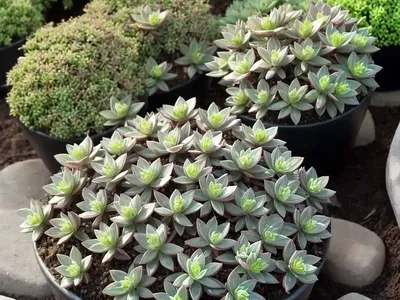
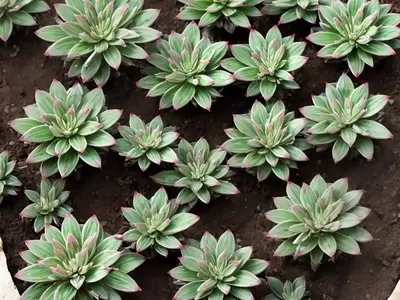
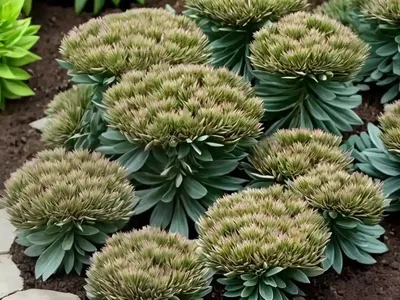
Pachyphytum ‘Blue Haze’ (Pachyphytum ‘Blue Haze’)
Pachyphytum ‘Blue Haze’ is a stunning succulent plant known for its attractive powdery blue-gray foliage and low maintenance requirements. With its unique.
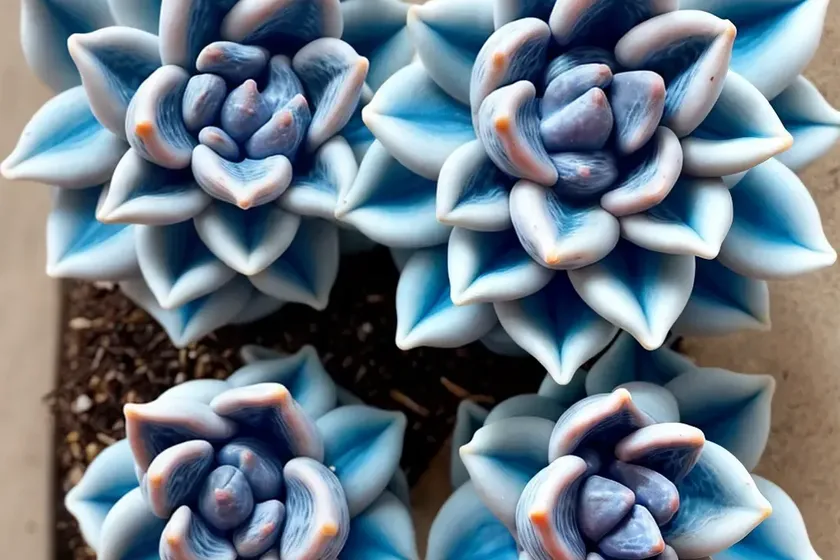
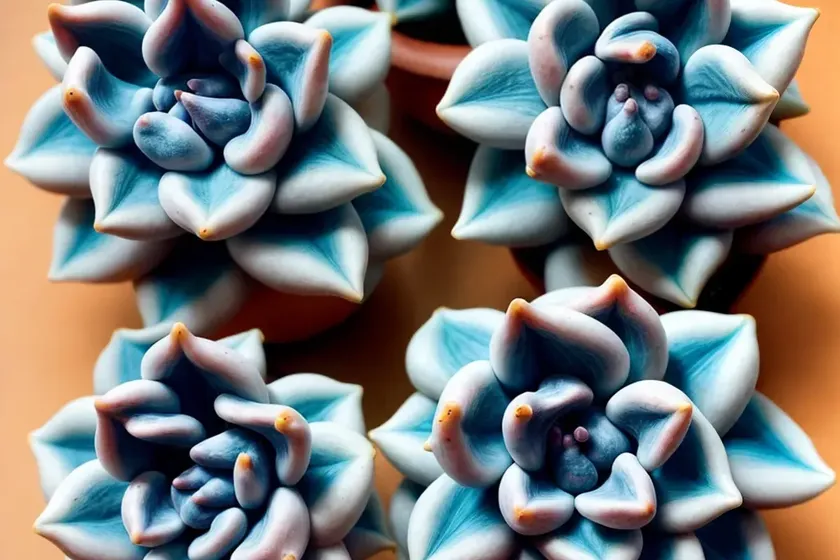
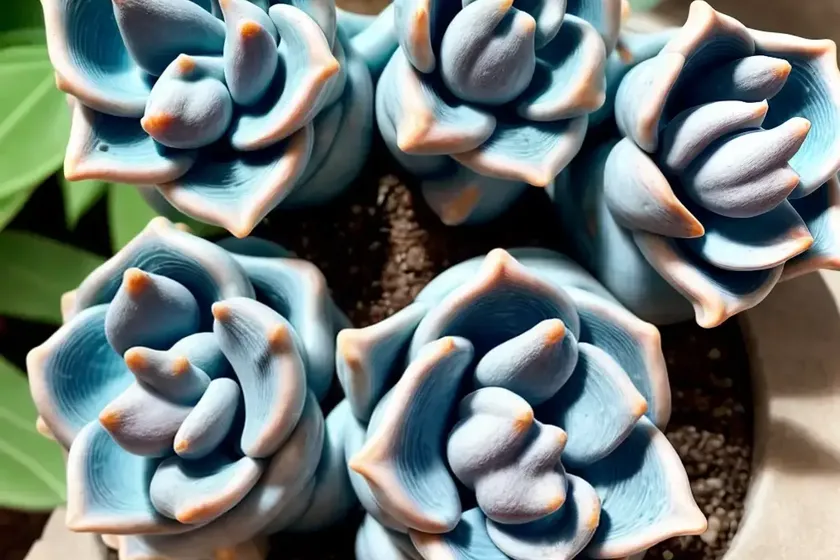
Pachyphytum ‘Blue Haze’ is a stunning succulent plant known for its attractive powdery blue-gray foliage and low maintenance requirements. With its unique appearance and ease of care, it has become a popular choice for indoor and outdoor landscaping. In this comprehensive guide, we will delve into the various aspects of caring for Pachyphytum ‘Blue Haze’, including its cultural requirements, propagation, common uses, and tips for maintaining its health and beauty.
What is Pachyphytum ‘Blue Haze’?
Pachyphytum ‘Blue Haze’ is a member of the Crassulaceae family, which includes a diverse range of succulent plants. This specific variety is characterized by its rosettes of powder-blue, fleshy leaves, giving it a unique and captivating appearance. The leaves are often tinged with hints of pink or purple, especially when exposed to bright sunlight.
Key Takeaways – Pachyphytum ‘Blue Haze’
Before we dive into the specific care requirements for Pachyphytum ‘Blue Haze’, let’s summarize the key points that will be covered in this guide:
- Cultural Requirements: Understanding the ideal conditions for nurturing Pachyphytum ‘Blue Haze’
- Propagation: Exploring the methods for propagating new plants from existing ones
- Uses: Highlighting the various applications of Pachyphytum ‘Blue Haze’ in landscaping and indoor decor
- Watering: Addressing the watering needs of this succulent and how to avoid common pitfalls
- Sunlight: Discussing the sunlight requirements for promoting healthy growth and vibrant leaf colors
- Fertilizer: Providing insights into the nutritional needs of Pachyphytum ‘Blue Haze’
- Soil Type: Identifying the optimal soil conditions for this succulent
- Pruning: Offering guidance on when and how to prune this plant
- Container: Exploring suitable containers for cultivating Pachyphytum ‘Blue Haze’
- Propagation: Exploring the methods for propagating new plants from existing ones
- Popularity: Understanding the growing popularity of this succulent in horticulture
- Common Diseases and Pests: Identifying potential threats and how to address them effectively
- Botanist’s Tips: Insights and recommendations from botanical experts
- Fun Facts: Fascinating tidbits about Pachyphytum ‘Blue Haze’ to enhance your appreciation for this plant
Now that we have outlined the key areas we’ll be covering, let’s begin with a closer look at the cultural requirements for Pachyphytum ‘Blue Haze’.
Cultural Requirements
Caring for Pachyphytum ‘Blue Haze’ involves creating an environment that mimics its natural habitat, ensuring that it thrives and retains its distinctive characteristics. Here are the essential cultural requirements for nurturing this beautiful succulent:
-
Water: Allow the soil to dry out between waterings to prevent root rot. During the growing season, water when the top inch of soil feels dry. In winter, reduce watering frequency to avoid waterlogged conditions, which can be detrimental to the plant’s health.
-
Sunlight: Pachyphytum ‘Blue Haze’ thrives in bright, indirect light. Exposure to ample sunlight promotes the development of its signature blue-gray hues. However, protect it from intense, direct sunlight, especially during the hottest part of the day, as this can result in leaf sunburn.
-
Fertilizer: During the active growing season in spring and summer, feed Pachyphytum ‘Blue Haze’ with a balanced, diluted fertilizer every 4-6 weeks. Refrain from fertilizing during the winter months when the plant is in a dormant phase.
-
Soil: Use a well-draining, porous potting mix specifically formulated for succulents and cacti. A mix that contains sand, perlite, and organic matter will ensure proper drainage and aeration for the plant’s roots.
-
Temperature and Humidity: Pachyphytum ‘Blue Haze’ thrives in moderate temperatures ranging from 65°F to 75°F (18°C to 24°C). It is essential to avoid prolonged exposure to extreme cold or hot temperatures. Moreover, ensure good air circulation to prevent the onset of fungal diseases.
-
Container: Choose a container with drainage holes to prevent waterlogging. The pot should be slightly larger than the root ball to allow for growth while discouraging excessive soil moisture.
-
Pruning: While minimal pruning is required, removal of any dried or decaying leaves can promote a tidy appearance and prevent the spread of diseases.
Uses
Pachyphytum ‘Blue Haze’ has versatile applications, making it a valuable addition to both indoor and outdoor spaces. Some common uses include:
-
Indoor Decor: Due to its striking appearance and low maintenance needs, Pachyphytum ‘Blue Haze’ is often used as a decorative accent in homes, offices, and other indoor settings. Its subtle color variations and compact growth habit make it a perfect choice for tabletop arrangements, terrariums, and succulent gardens.
-
Outdoor Landscaping: In garden landscapes, Pachyphytum ‘Blue Haze’ is employed in rock gardens, xeriscapes, and succulent arrangements. Its ability to thrive in dry, arid conditions makes it an ideal choice for water-wise gardening and low-maintenance landscapes.
-
Special Events: The visually striking appearance of Pachyphytum ‘Blue Haze’ also makes it a popular choice for use in floral arrangements for special events such as weddings, parties, and corporate gatherings. Its unique coloration adds a touch of elegance and modernity to floral designs.
-
Educational Purposes: In educational settings such as botanical gardens and greenhouses, Pachyphytum ‘Blue Haze’ serves as a fascinating specimen for studying succulent adaptations and xerophytic plants. Its distinctive features make it an excellent subject for educational programs focused on plant diversity and conservation.
Water
Watering is a crucial aspect of Pachyphytum ‘Blue Haze’ care, as succulents are adapted to survive in environments where water is scarce. Understanding the appropriate watering regimen is essential to prevent issues such as overwatering or underwatering, both of which can have adverse effects on the plant’s health.
-
Frequency: During the active growing season in spring and summer, water Pachyphytum ‘Blue Haze’ when the top inch of soil dries out. This typically translates to watering every 7-10 days, but it is important to monitor the soil moisture and adjust the frequency based on environmental conditions.
-
Watering Technique: When watering, ensure that the soil is thoroughly moistened, allowing excess water to drain freely from the bottom of the pot. Avoid leaving the plant in standing water, as this can lead to root rot and other complications.
-
Winter Care: In the winter months, reduce the frequency of watering, allowing the soil to dry out more between waterings. Cold temperatures and reduced daylight hours slow down the plant’s growth, resulting in decreased water requirements during this period.
-
Signs of Overwatering and Underwatering: Keep an eye out for signs of overwatering, such as yellowing or mushy leaves, and adjust the watering frequency accordingly. Symptoms of underwatering include shriveled or wrinkled leaves, indicating the need for more frequent watering.
-
Water Quality: Use room temperature water to avoid shocking the plant with extreme temperature fluctuations. If possible, use rainwater or filtered water to prevent the buildup of salts and minerals in the soil.
Sunlight
Proper sunlight exposure is essential for maintaining the health and appearance of Pachyphytum ‘Blue Haze’. Adequate light not only ensures vibrant leaf colors but also influences the plant’s overall growth and development.
-
Light Requirements: Pachyphytum ‘Blue Haze’ thrives in bright, indirect light. Position the plant near a window that receives ample sunlight, but ensure that it is shielded from intense, direct sunlight, especially during the peak afternoon hours.
-
Leaf Coloration: When exposed to sufficient light, the powdery blue-gray foliage of Pachyphytum ‘Blue Haze’ intensifies, producing a visually striking display. Inadequate light can result in leggy growth and faded leaf colors, detracting from the plant’s natural beauty.
-
Seasonal Adjustments: During the summer months, be mindful of excessive heat and direct sunlight, which can cause leaf scorch. If necessary, provide partial shading during the hottest part of the day to protect the plant from excessive sun exposure.
-
Indoor Placement: If growing Pachyphytum ‘Blue Haze’ indoors, position it in a location where it can receive at least 6 hours of indirect sunlight per day. South-facing or west-facing windows are often suitable for providing the necessary light levels.
Fertilizer
While succulents are adapted to thrive in nutrient-poor environments, providing a balanced fertilizer can support healthy growth and vibrant foliage in Pachyphytum ‘Blue Haze’. However, it is essential to use fertilizer sparingly, as excessive amounts can cause harm to the plant.
-
Fertilizer Type: Choose a balanced, water-soluble fertilizer designed for use on succulents and cacti. Alternatively, a fertilizer with an NPK ratio of 10-10-10 can provide the necessary nutrients without overloading the plant with excess nitrogen.
-
Frequency: During the active growing season in spring and summer, apply a diluted fertilizer solution to the soil every 4-6 weeks. Refrain from fertilizing during the winter months when the plant is in a dormant phase, as it has reduced nutrient uptake during this time.
-
Application Method: When applying the fertilizer, ensure that the soil is moist to prevent potential root damage. Water the plant after fertilizing to facilitate the distribution of nutrients throughout the root zone.
-
Observation: Monitor the plant for any signs of fertilizer burn, such as leaf discoloration or wilting. If detected, flush the soil with water to remove excess salts and minimize the risk of further damage.
By providing the appropriate balance of nutrients, you can encourage healthy growth while maintaining the distinctive colors and characteristics of Pachyphytum ‘Blue Haze’.
Soil
The right soil composition is crucial for succulents like Pachyphytum ‘Blue Haze’ to thrive. A well-draining, porous soil mix enables proper aeration and prevents waterlogged conditions, which can be detrimental to the plant’s root system.
-
Soil Composition: Use a specialized succulent and cactus potting mix that consists of components such as sand, perlite, and organic matter. This blend provides the necessary drainage and promotes healthy root development.
-
DIY Mix: If desired, you can create a custom soil mix by combining equal parts of regular potting soil, coarse sand, and perlite to achieve optimal porosity and moisture retention.
-
Container Drainage: Ensure that the container has sufficient drainage holes to allow excess water to escape, preventing the accumulation of moisture at the bottom of the pot.
-
Repotting: Periodically repot Pachyphytum ‘Blue Haze’ to refresh the soil and provide ample space for root growth. Repotting is typically necessary every 2-3 years, or when the plant shows signs of becoming root-bound.
By selecting the right soil mix and maintaining proper drainage, you can create an environment conducive to the health and vitality of Pachyphytum ‘Blue Haze’.
Pruning
Pruning Pachyphytum ‘Blue Haze’ is generally minimal, as the plant exhibits a compact growth habit and requires little intervention to maintain its shape and appearance. However, occasional pruning can be beneficial for promoting a tidy, healthy plant.
-
Leaf Maintenance: Remove any dried or decaying leaves from the base of the plant to prevent the spread of disease and maintain a neat appearance. Use clean, sharp scissors or pruning shears to make clean cuts without causing unnecessary damage to the plant.
-
Leggy Growth: If the plant exhibits leggy or elongated growth, assess its sunlight exposure and consider repositioning it to a location with better light conditions. This can encourage more compact growth and prevent further stretching of the stems.
-
Flower Stalks: After the flowering period, if the plant has produced flower stalks, you can trim them back to the base to redirect the plant’s energy toward foliage growth.
-
Caution: Avoid excessive pruning, as succulents are sensitive to excessive moisture loss through open wounds. Only trim as needed to address specific issues or promote a healthy growth pattern.
By implementing minimal, targeted pruning practices, you can enhance the visual appeal of Pachyphytum ‘Blue Haze’ and maintain its overall health.
Propagation
Propagating Pachyphytum ‘Blue Haze’ offers an exciting opportunity to expand your succulent collection and share this beautiful plant with others. Several propagation methods can be employed to create new plants from existing ones.
Leaf Cuttings
Leaf cuttings are a popular and effective method for propagating many succulent species, including Pachyphytum ‘Blue Haze’. Here’s a step-by-step guide for leaf propagation:
-
Select a healthy, mature leaf from the mother plant, ensuring that it is free from any damage or disease.
-
Gently twist the leaf from the stem, ensuring that the entire leaf is intact and no portions are left on the plant.
-
Allow the leaf cutting to dry and callus over for a few days in a warm, dry location. This step helps prevent the cutting from rotting when it is placed in soil.
-
Prepare a well-draining potting mix suitable for succulents, such as a blend of perlite and coarse sand. Moisten the soil slightly to provide a suitable environment for the cutting.
-
Plant the leaf cutting by inserting the stem end into the soil, ensuring that the callused portion is in contact with the soil. The cutting should be positioned upright, with the callused end inserted into the soil to facilitate root development.
-
Place the pot in a location with indirect sunlight and maintain consistent, moderate humidity to encourage the emergence of new roots.
-
After a few weeks, tiny rosettes should begin to form at the base of the leaf cutting, indicating successful root development. At this stage, the new plantlet can be gently separated from the original leaf and potted individually.
Offsets (Pups)
Pachyphytum ‘Blue Haze’ may produce offsets, also known as pups, around the base of the mother plant. These offsets can be carefully removed and propagated to create new plants.
-
Identify a healthy, mature offset that has developed its own root system or shows signs of independent growth.
-
Use a clean, sharp knife or scissors to carefully sever the offset from the parent plant, ensuring that the roots are undamaged during the process.
-
Plant the offset in a well-draining, succulent-specific potting mix, and provide appropriate care in terms of light, water, and humidity to facilitate its establishment.
Both of these propagation methods offer rewarding opportunities to expand your collection of Pachyphytum ‘Blue Haze’ and share its beauty with others.
Container Popularity
Pachyphytum ‘Blue Haze’ has gained popularity as a container plant due to its compact size, striking appearance, and minimal care requirements. Its adaptable nature makes it well-suited for various types of containers, allowing for creative and versatile placement in different indoor and outdoor settings.
Indoor Containers
When used as an indoor container plant, Pachyphytum ‘Blue Haze’ adds a touch of elegance and modernity to interior decor schemes. Here are some common types of containers used for showcasing this succulent indoors:
-
Ceramic Pots: Colorful or patterned ceramic pots provide a visually appealing contrast to the powdery blue-gray foliage of Pachyphytum ‘Blue Haze’. These pots come in a variety of shapes and sizes, allowing for customized displays to suit different interior design styles.
-
Terrariums: The compact growth habit of Pachyphytum ‘Blue Haze’ makes it an ideal candidate for terrariums and miniature gardens. Its unique colors and textures create captivating focal points within the enclosed environment of a terrarium.
-
Hanging Baskets: In spaces with limited floor or shelf space, hanging baskets offer a creative way to display Pachyphytum ‘Blue Haze’ while allowing its trailing growth habits to take center stage.
-
Modern Planters: Sleek, minimalist planters made of materials such as metal, fiberglass, or concrete provide a contemporary backdrop for showcasing the beauty of this succulent.
Outdoor Containers
In outdoor landscapes, Pachyphytum ‘Blue Haze’ can be featured in various types of containers, adding visual interest and unique textures to garden spaces. Common outdoor container options include:
-
Terra Cotta Pots: Traditional terra cotta pots complement the earthy tones of Pachyphytum ‘Blue Haze’ and provide a classic, timeless aesthetic. These pots are ideal for accentuating the plant’s natural appeal.
-
Wooden Crates and Barrels: Rustic wooden containers give a charming, organic feel to outdoor settings and provide a suitable backdrop for showcasing the succulent’s beauty.
-
Vertical Planters: Vertical gardening systems and wall-mounted planters offer creative solutions for displaying Pachyphytum ‘Blue Haze’ in compact outdoor spaces, such as balconies, patios, and courtyards.
-
Mixed Containers: Combining Pachyphytum ‘Blue Haze’ with other complementary succulents and drought-tolerant plants in mixed containers creates eye-catching succulent arrangements that require minimal maintenance.
With its adaptability to a wide range of container types, Pachyphytum ‘Blue Haze’ has carved a niche for itself in horticulture, appealing to both seasoned gardeners and newcomers to succulent cultivation.
Common Diseases
Pachyphytum ‘Blue Haze’ is generally resilient and resistant to many common plant diseases, owing to its succulent nature and minimal water requirements. However, there are a few issues that can affect its health under certain conditions. Understanding these potential diseases and their management is essential for maintaining the well-being of your plant.
Root Rot
Overwatering or prolonged exposure to excess moisture can lead to root rot in Pachyphytum ‘Blue Haze’. This condition occurs when the roots are subjected to waterlogged conditions, causing them to decay and lose their ability to absorb nutrients and water.
-
Signs of Root Rot: Symptoms of root rot include wilting, yellowing or browning of leaves, and a foul odor emanating from the soil. As the condition progresses, the plant’s overall health declines, often leading to irreversible damage.
-
Preventive Measures: To prevent root rot, ensure that the soil is well-draining and avoid overwatering. Allow the soil to dry out between waterings and select containers with adequate drainage to promote healthy root function.
-
Treatment: If root rot is detected, it is crucial to act promptly to salvage the plant. Remove the affected areas of the plant and repot it in fresh, well