Pacaya Palm (Chamaedorea Tepejilote)
The world of plants is vast and diverse, offering a treasure trove of unique and majestic species. Among these, the Pacaya palm (Chamaedorea tepejilote).



The world of plants is vast and diverse, offering a treasure trove of unique and majestic species. Among these, the Pacaya palm (Chamaedorea tepejilote) stands out as a captivating and versatile plant that captivates with its elegance and adaptability. In this comprehensive guide, we will delve into the intriguing world of the Pacaya palm, exploring its cultural significance, uses, care requirements, and much more. Whether you’re a seasoned horticulturalist or a novice plant enthusiast, this guide is designed to provide invaluable insights into the enchanting realm of the Pacaya palm.
What is the Pacaya Palm (Chamaedorea tepejilote)?
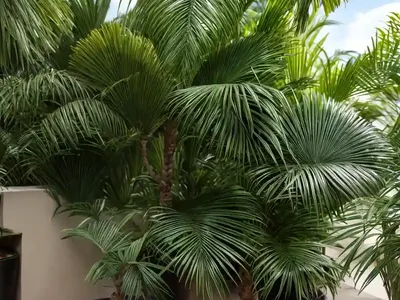
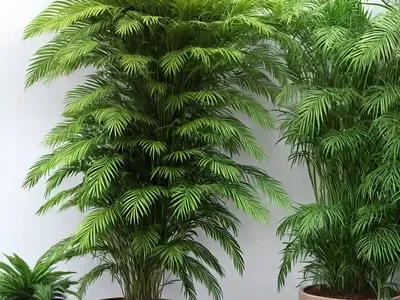
The Pacaya palm, scientifically known as Chamaedorea tepejilote, is a species of palm native to the rainforests of Central and South America. Belonging to the Arecaceae family, this palm is renowned for its slender stems, delicate fronds, and graceful appearance. It is a popular choice for landscaping, indoor gardening, and culinary purposes, making it a highly versatile and sought-after plant.
Key Takeaways – Pacaya Palm (Chamaedorea tepejilote)
Before we embark on our journey to unravel the beauty and complexities of the Pacaya palm, let’s take a quick look at some key takeaways that we will explore in detail throughout this guide:
- Plant Name: Pacaya Palm (Chamaedorea tepejilote)
- Culture
- Uses
- Water
- Sunlight
- Fertilizer
- Soil
- Pruning
- Propagation
- Container
- Popularity
- Common Diseases
- Common Pests
- Botanist’s Tips
- Fun Facts
- Links to External Resources
Now, let’s embark on our exploration of the magnificent Pacaya palm, uncovering its intricacies, care requirements, and the myriad of ways it enriches our lives.
Culture of the Pacaya Palm
Understanding the cultural significance and uses of the Pacaya palm is essential in appreciating its role in various facets of human life. From culinary delights to aesthetic enhancements, the Pacaya palm holds a special place in the hearts of many. Let’s delve into its cultural heritage and multifaceted uses:
Uses
The Pacaya palm is celebrated for its diverse uses, making it a prized plant in various settings. Some of its key uses include:
-
Culinary Delicacy: The young shoots and inflorescences of the Pacaya palm are highly esteemed as a culinary delicacy in several Central American countries. These edible parts are a staple in traditional dishes, revered for their unique flavor and nutritional value.
-
Landscaping and Ornamental Purposes: With its elegant fronds and graceful demeanor, the Pacaya palm is a favored choice for landscaping and ornamental gardening. Whether adorning gardens, parks, or indoor spaces, its aesthetic appeal adds a touch of sophistication and tranquility to any environment.
-
Traditional Medicine: In indigenous cultures, various parts of the Pacaya palm have been used for medicinal purposes. From treating digestive disorders to alleviating skin ailments, the plant holds a position of reverence in traditional medicine practices.
-
Cultural Significance: The Pacaya palm plays a significant role in the cultural and culinary traditions of the regions where it thrives. Its presence in local cuisines, artisanal crafts, and folklore reflects its deep-rooted significance within the cultural tapestry of Central and South America.
Pacaya Palm Care: Nurturing Nature’s Elegance
Caring for the Pacaya palm involves understanding and addressing its specific needs to ensure optimal growth and vitality. From water and sunlight requirements to soil composition and propagation techniques, providing the right care is essential for nurturing this botanical jewel. Let’s explore the essential facets of Pacaya palm care in detail:
Water
The Pacaya palm thrives in moist but well-drained soil, making it crucial to maintain appropriate moisture levels to support its growth. Adequate watering is fundamental to the health of the plant. Here are some tips for watering the Pacaya palm:
-
Moisture Regulation: The Pacaya palm prefers consistently moist soil, but it is essential to ensure proper drainage to prevent waterlogging. Water the plant when the top inch of the soil feels dry, adjusting the frequency based on environmental conditions and the plant’s specific needs.
-
Humidity Considerations: In indoor settings, particularly in drier climates, increasing humidity around the Pacaya palm can be beneficial. Misting the fronds or placing a humidifier in the vicinity can help create a more conducive environment for the plant.
-
Seasonal Variations: Adjust the watering frequency according to seasonal changes. During the warmer months, the Pacaya palm may require more frequent watering to maintain optimal moisture levels, while in the winter, moderation is key to prevent overwatering.
Sunlight
Proper exposure to sunlight is vital for the Pacaya palm’s well-being, as it significantly influences its growth and foliage development. Understanding its sunlight requirements is essential for creating an ideal environment for this exquisite palm. Here’s what you need to know about providing the right sunlight for the Pacaya palm:
-
Indoor Placement: When grown indoors, the Pacaya palm thrives in bright, indirect light. Position it near a window where it can receive ample natural sunlight without being exposed to direct, intense rays.
-
Outdoor Cultivation: In outdoor settings, the Pacaya palm flourishes in partially shaded or dappled light conditions. Protect it from prolonged exposure to harsh sunlight, especially during the peak hours of the day, to prevent damage to the delicate fronds.
-
Sunlight Management: Monitor the plant’s response to its current sunlight exposure and adjust its positioning accordingly. The goal is to strike a balance that provides the necessary light without subjecting the plant to excessive glare or heat.
Fertilizer
Supplementing the Pacaya palm’s nutrient requirements through regular fertilization is essential for promoting robust growth and vibrant foliage. By providing the right balance of essential nutrients, you can support the plant’s overall health and vitality. Here are some key considerations for fertilizing the Pacaya palm:
-
Balanced Fertilizer: Select a balanced, water-soluble fertilizer formulated for palms and apply it according to the manufacturer’s instructions. A fertilizer with a balanced N-P-K (nitrogen, phosphorus, potassium) ratio is ideal for supporting the Pacaya palm’s nutritional needs.
-
Frequency of Application: During the growing season, which typically spans from spring to early fall, fertilize the Pacaya palm every 4-6 weeks. Reduce or withhold fertilization during the cooler months to align with the plant’s natural growth patterns.
-
Avoid Overfeeding: Over-fertilization can have detrimental effects on the Pacaya palm, leading to nutrient imbalances and potential damage to the roots. Adhere to the recommended dosage and refrain from excessive or frequent fertilization.
Soil
The right soil composition is integral to the Pacaya palm’s well-being, influencing its moisture retention, root development, and overall vitality. Understanding the preferred soil characteristics enables you to create an optimal growing medium for the plant. Here’s what you need to know about the Pacaya palm’s soil requirements:
-
Well-Draining Medium: The Pacaya palm thrives in a well-draining soil mix that retains moisture without becoming waterlogged. A blend of peat moss, perlite, and coarse sand creates an ideal growing medium, facilitating effective drainage while supporting adequate moisture retention.
-
**Acidic pH: A slightly acidic to neutral pH range of 5.5-6.5 is conducive to the Pacaya palm’s growth. Test the soil’s pH periodically and make adjustments as needed to maintain an optimal growing environment for the plant.
-
Container Considerations: When growing the Pacaya palm in containers, ensure that the pots have drainage holes to prevent water accumulation at the roots. Use a high-quality, well-draining potting mix tailored for palms or create a custom blend to meet the plant’s specific soil needs.
Pruning
Pruning the Pacaya palm serves various purposes, from maintaining its aesthetic appeal to removing damaged or diseased fronds. Skillful pruning practices can enhance the plant’s appearance and promote a healthy growth trajectory. Consider the following guidelines for pruning the Pacaya palm:
-
Frond Maintenance: Regularly inspect the fronds for signs of damage, discoloration, or pest infestations. Remove any unhealthy or dead fronds using clean, sharp pruning shears to prevent the spread of diseases and maintain the plant’s visual allure.
-
Pruning Frequency: As part of routine maintenance, conduct selective pruning as needed to eliminate unsightly or compromised fronds. Avoid excessive pruning, as the Pacaya palm thrives when allowed to retain a certain level of foliage for photosynthesis and vital metabolic processes.
-
Pruning Best Practices: When pruning the Pacaya palm, exercise caution to avoid injuring the main stem or causing undue stress to the plant. Make clean cuts at the base of the fronds or at a point of origin near the central crown to minimize the risk of damage and facilitate efficient healing.
Propagation
Propagating the Pacaya palm allows you to expand your plant collection and share the beauty of this species with others. Understanding the propagation methods and best practices is essential for successfully cultivating new plants from existing ones. Here’s an overview of propagation techniques for the Pacaya palm:
-
Seed Propagation: Propagating the Pacaya palm from seeds is a viable method, although it requires patience and specialized care to achieve successful germination and early growth. Start with fresh, viable seeds and create a suitable germination environment with optimal warmth and humidity to support seedling development.
-
Division: Dividing mature Pacaya palm plants is a common propagation method that involves separating the offshoots or suckers from the parent plant. When conducting division, ensure that each division has a sufficient root system and viable growth points to facilitate successful establishment.
-
Care for Young Plants: Whether propagating from seeds or divisions, providing consistent, nurturing care to the young Pacaya palm plants is crucial. Monitor their growth progress, maintain appropriate watering and light conditions, and protect them from stressors that could impede their development.
Container Popularity
The Pacaya palm’s adaptable nature and graceful demeanor make it a popular choice for container gardening, allowing plant enthusiasts to incorporate its beauty into various indoor and outdoor settings. Cultivating the Pacaya palm in containers requires an understanding of its specific needs and container considerations. Here’s why the Pacaya palm is a favored option for container gardening:
-
Space-Saving Elegance: In limited spaces, such as apartments, offices, or small gardens, the Pacaya palm’s compact size and graceful form make it an ideal candidate for container cultivation. Its vertical growth habit allows it to thrive in containers without overwhelming the surrounding space.
-
Indoor Versatility: As an indoor plant, the Pacaya palm exudes an air of sophistication and tranquility, making it a favored choice for enhancing interior spaces. Its adaptability to indoor conditions, including moderate light and humidity levels, makes it an attractive option for cultivating a tropical ambiance within homes and offices.
-
Outdoor Accents: When placed in outdoor containers, the Pacaya palm serves as a captivating accent plant, adding a touch of tropical allure to patios, balconies, and garden landscapes. Its adaptability to partial shade and moderate sunlight makes it well-suited for container gardening in diverse outdoor environments.
Common Diseases
While the Pacaya palm is known for its resilience, it is not immune to certain diseases that can affect its health and vitality. Recognizing and addressing common diseases promptly is essential for safeguarding the plant against potential threats. Here are some prevalent diseases that can afflict the Pacaya palm:
-
Fungal Infections: Various fungal pathogens, such as phytophthora and fusarium, can pose a threat to the Pacaya palm, causing symptoms such as leaf spots, wilting, and overall decline in plant vigor. Maintaining proper soil drainage and minimizing excess moisture can help reduce the risk of fungal infections.
-
Palm Leaf Blight: Caused by the fungus Graphiola phoenicis, palm leaf blight can result in the formation of distinctive black spots on the Pacaya palm’s fronds. Adequate ventilation and the removal of affected foliage can help manage and prevent the spread of this fungal disease.
-
Root Rot: Overwatering and poorly draining soil can create conditions conducive to root rot, leading to the deterioration of the Pacaya palm’s root system. Proper moisture regulation and maintaining well-draining soil are essential for preventing root rot and preserving the plant’s health.
Disease Diagnosis
Recognizing the signs and symptoms of common diseases affecting the Pacaya palm is crucial for accurate diagnosis and targeted treatment. By observing the plant closely and understanding the indicators of potential diseases, you can take proactive measures to address any issues that may arise. Here’s how to diagnose diseases in the Pacaya palm:
-
Visual Inspection: Regularly inspect the Pacaya palm’s fronds, stems, and overall appearance for any unusual discoloration, spots, or patterns indicative of disease. Familiarize yourself with the typical characteristics of common palm diseases to aid in early detection.
-
Symptom Analysis: Note any changes in the plant’s growth, vitality, or leaf health, as these can provide valuable clues about potential diseases. Symptoms such as leaf spots, wilting, yellowing, or abnormal frond development warrant closer examination and potential intervention.
-
Professional Consultation: If you encounter signs of distress or disease in your Pacaya palm that you are unable to identify or address effectively, consider consulting with a plant health specialist or local horticultural extension service for expert guidance and support.
Common Pests
In addition to diseases, the Pacaya palm may also be susceptible to pest infestations that can compromise its health and aesthetic appeal. Understanding the common pests that may target the plant empowers you to implement proactive pest management strategies. Here are some prevalent pests that can affect the Pacaya palm:
-
Spider Mites: These tiny pests can inflict damage on the Pacaya palm by feeding on the plant’s foliage, leading to stippling, discoloration, and overall decline in plant vigor. Regular monitoring and maintaining adequate humidity levels can help deter spider mite infestations.
-
Mealybugs: Mealybugs are another potential menace to the Pacaya palm, clustering on the plant’s fronds and stems and sapping its vital juices. Physical removal, gentle washing, or targeted horticultural oils can aid in controlling mealybug populations and preventing damage to the plant.
-
Scale Insects: Scale insects can latch onto the Pacaya palm’s foliage and stems, secreting protective coverings and feeding on the plant’s sap. Implementing natural predators, such as beneficial insects or horticultural oils, can assist in managing scale insect infestations without resorting to harsh chemical treatments.
Botanist’s Tips for Pacaya Palm Care
Harnessing the insights and recommendations of seasoned botanists and plant care specialists can enrich your approach to nurturing the Pacaya palm. Here are some expert tips for Pacaya palm care that can enhance your ability to cultivate and maintain this captivating plant:
-
Seasonal Sensitivity: Pay attention to environmental changes and seasonal transitions, as the Pacaya palm’s care requirements may evolve based on factors such as temperature, light levels, and moisture patterns. Adjust your care routines to align with the plant’s seasonal sensitivities for optimal results.
-
Hydration Harmony: Strike a harmonious balance in watering the Pacaya palm, providing adequate moisture without subjecting the plant to waterlogged conditions. Tailor your watering schedule to the plant’s specific needs, considering factors such as temperature, humidity, and soil moisture retention.
-
Nutritional Nuances: Select a high-quality palm-specific fertilizer with a balanced nutrient profile to support the Pacaya palm’s growth and vitality. Follow recommended application rates and timing to optimize the plant’s access to essential nutrients without overloading it with excessive fertilization.
-
Pruning Precision: When pruning the Pacaya palm, exercise precision and care to avoid causing undue stress to the plant. Focus on removing damaged or unsightly fronds while preserving the plant’s natural elegance and photosynthetic capacity.
Fun Facts about the Pacaya Palm
To further immerse ourselves in the enchanting world of the Pacaya palm, let’s uncover some delightful and intriguing fun facts about this captivating plant:
-
Culinary Tradition: Across Central America, the Pacaya palm’s young shoots and inflorescences are cherished ingredients in traditional dishes, adding a distinctive flavor and nutritional richness to local cuisine.
-
Tropical Elegance: The Pacaya palm’s feathery fronds and slender stems exude an air of tropical elegance, making it a favored choice for creating lush, vibrant landscapes and indoor oasis settings.
-
Cultural Significance: In indigenous cultures, the Pacaya palm holds a position of cultural significance, being woven into the fabric of traditional practices, culinary traditions, and artisanal creativity.
-
Botanical Resilience: Despite its delicate appearance, the Pacaya palm exhibits resilience and adaptability, thriving in diverse environments and enriching the spaces it graces with its captivating presence.
Links to External Resources
For those eager to delve deeper into the world of the Pacaya palm and expand their knowledge of its care, cultivation, and cultural significance, the following resources provide valuable insights and information:
- Royal Botanic Gardens, Kew – Chamaedorea tepejilote
- Missouri Botanical Garden – Chamaedorea tepejilote
- Horticultural Science – Cultivation of the Pacaya Palm for Commercial Production
In conclusion, the awe-inspiring Pacaya palm (Chamaedorea tepejilote) invites us to embark on a journey of discovery and appreciation, celebrating its cultural significance, nurturing its botanical elegance, and weaving its captivating presence into the fabric of our lives. Whether adorning tropical landscapes, enriching culinary traditions, or gracing indoor sanctuaries, this remarkable palm embodies a harmony of beauty, resilience, and cultural connectivity. Embracing its allure and understanding its care requirements fosters a deep appreciation for the enchanting world of the Pacaya palm, inviting us to cultivate and cherish this botanical marvel.
It was a pleasure delving into the intricacies of the enchanting Pacaya palm! If you have any further questions or would like to explore additional aspects of plant care and horticulture, please feel free to reach out.