Oxeye Daisy (Leucanthemum vulgare): A Comprehensive Guide
Introduction
As a plant scientist, my passion lies in exploring the diverse and captivating world of plant species. The Oxeye Daisy (Leucanthemum vulgare) is a particularly intriguing plant that has captured the attention of botanists, horticulturists, and enthusiasts alike. In this comprehensive guide, we will delve into the fascinating realm of the Oxeye Daisy, exploring its characteristics, cultural significance, uses, and much more.
What is Oxeye Daisy (Leucanthemum vulgare)?
The Oxeye Daisy, scientifically known as Leucanthemum vulgare, is a perennial flowering plant belonging to the family Asteraceae. This plant is native to Europe and Asia but has been introduced to many other regions around the world where it has become naturalized.
Leucanthemum vulgare Characteristics
The Oxeye Daisy is known for its distinct appearance, with the following key characteristics:
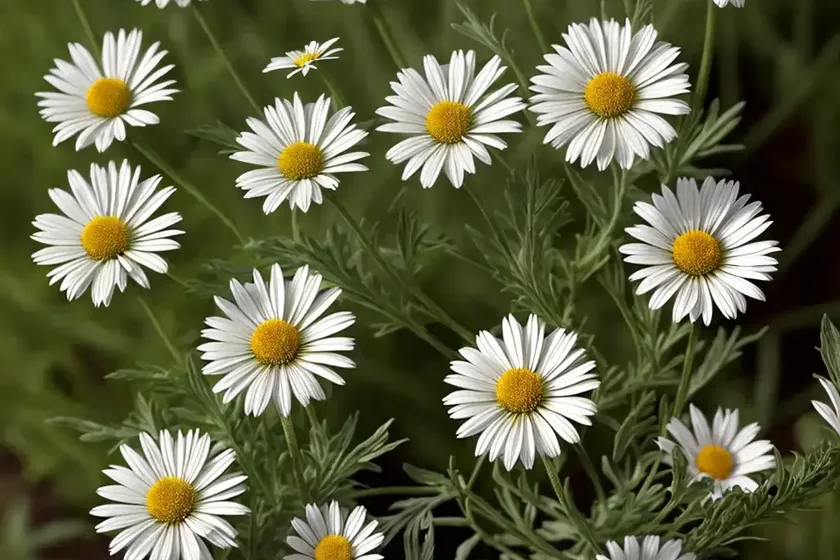
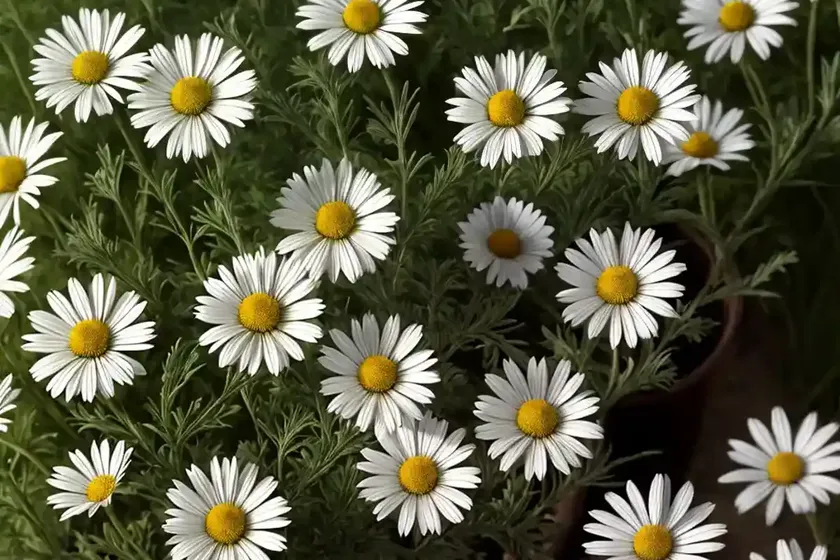
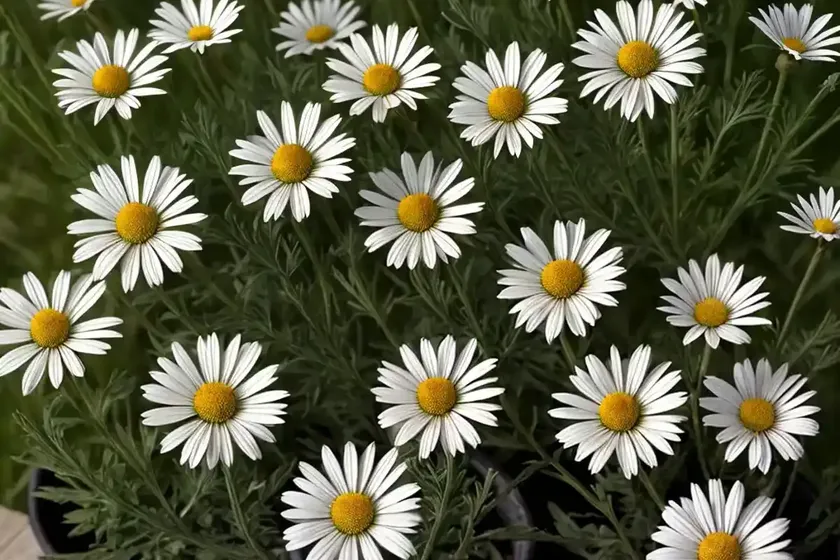
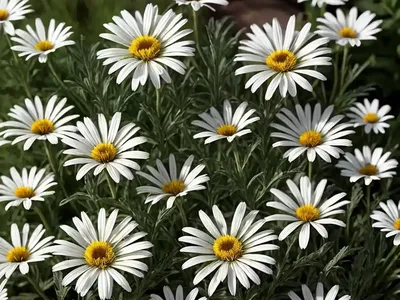
– Flower: The Oxeye Daisy produces classic daisy-like flowers with white petals and a bright yellow center. The flowers are prominent and create a stunning visual display.
– Foliage: The plant features deeply lobed, lance-shaped leaves that form a basal rosette. The leaves are typically bright green in color and add to the plant’s overall attractiveness.
– Growth Habit: This plant has a clumping growth habit, with multiple stems emerging from the base and reaching a height of up to 1-2 feet.
– Blooming Period: The Oxeye Daisy blooms profusely during the summer months, attracting pollinators and embellishing the landscape with its charming flowers.
Key Takeaways – Oxeye Daisy (Leucanthemum vulgare)
Let’s explore the key aspects of the Oxeye Daisy, ranging from its cultural significance to its uses in various settings:
Culture
The Oxeye Daisy holds cultural significance in various traditions and is often associated with symbolism, folklore, and medicinal uses. Its aesthetic appeal and resilience have made it a beloved plant in many cultures around the world.
Uses
The uses of Oxeye Daisy extend beyond its visual appeal. From traditional medicine to landscaping, this plant serves multiple practical and ornamental purposes, contributing to its widespread popularity.
Water
Understanding the water requirements of the Oxeye Daisy is crucial for its successful cultivation. Balancing moisture levels is essential for promoting healthy growth and blooming.
Sunlight
Proper sunlight exposure is pivotal for the Oxeye Daisy’s growth and flower production. Knowing its sunlight preferences is essential for optimizing its performance in outdoor settings.
Fertilizer
Fertilization plays a key role in nourishing the Oxeye Daisy and supporting its overall health. Selecting the appropriate fertilizer and understanding the application guidelines are essential for its well-being.
Soil
The choice of soil influences the Oxeye Daisy’s growth and resilience. Understanding its soil preferences aids in creating a conducive environment for the plant’s development.
Pruning
Pruning is an important aspect of maintaining the Oxeye Daisy’s form and encouraging prolific blooming. The right pruning techniques contribute to the plant’s vigor and visual appeal.
Propagation
Exploring the various propagation methods for the Oxeye Daisy enables enthusiasts to expand their plant collection and share its beauty with others.
Container Popularity
The Oxeye Daisy’s versatility makes it well-suited for container gardening, adding a touch of elegance to porches, patios, and outdoor spaces.
Container Common Diseases
Identifying and addressing common diseases that affect Oxeye Daisy in container settings is crucial for its long-term well-being.
Disease Diagnosis
Recognizing symptoms and signs of diseases in Oxeye Daisy helps in implementing timely interventions and safeguarding its health.
Common Pests
Understanding the potential pests that may target the Oxeye Daisy aids in formulating effective pest management strategies and preserving the plant’s vitality.
Botanist’s Tips
Incorporating expert tips from botanists adds valuable insights into successfully cultivating, caring for, and utilizing the Oxeye Daisy in various contexts.
Fun Facts
Exploring intriguing facts about the Oxeye Daisy enhances our appreciation for this captivating plant and enriches our knowledge of its unique attributes.
Links to External Resources
Referencing external resources provides opportunities for further exploration and a deeper understanding of the Oxeye Daisy’s significance and utility.
The diverse array of topics covered in this guide offers a comprehensive overview of the many facets of the Oxeye Daisy, from its cultural significance to its practical uses in horticulture.
Oxeye Daisy Benefits
The Oxeye Daisy holds numerous benefits, ranging from its aesthetic charm to its ecological contributions. Let’s explore some of the key advantages associated with this captivating plant:
Ecological Benefits
The Oxeye Daisy serves as an important nectar source for pollinators, including bees, butterflies, and other beneficial insects. Its prolific blooming period and attractive flowers make it a valuable addition to wildlife habitats.
Aesthetic Appeal
The classic beauty of the Oxeye Daisy’s flowers adds a touch of charm and elegance to landscapes, gardens, and natural settings. Its pristine white petals and bright yellow centers create a visually captivating display.
Versatile Uses
From traditional medicine to ornamental landscaping, the Oxeye Daisy offers versatility in its applications. Its cultural significance and adaptability make it a desirable plant in diverse settings.
Resilience
The Oxeye Daisy’s resilience enables it to thrive in various environmental conditions, making it a low-maintenance and adaptable plant for both novice and experienced gardeners.
Educational Value
This plant provides educational opportunities for learning about native flora, pollinator support, and the ecological importance of native plants in sustaining biodiversity.
The benefits associated with the Oxeye Daisy underscore its value as a botanical gem that enriches ecosystems and captivates admirers with its timeless allure.
Growing Leucanthemum vulgare
Cultivating Leucanthemum vulgare is an enriching experience that offers rewards in the form of vibrant blooms and ecological contributions. Understanding the plant’s specific requirements and growth habits is essential for successful cultivation.
Planting Location
Selecting an appropriate planting location is crucial for the plant’s growth and blooming. The Oxeye Daisy thrives in well-drained areas with ample sunlight, making it ideal for open landscapes and garden beds.
Soil Preparation
Preparing the soil by enriching it with organic matter and ensuring proper drainage sets the stage for healthy root development and robust growth of Leucanthemum vulgare.
Watering
Balancing moisture levels by providing adequate but not excessive water is essential for promoting the Oxeye Daisy’s well-being. Regular monitoring of soil moisture is key to optimizing its growth.
Fertilization
Applying a balanced fertilizer at the appropriate times supports the plant’s nutritional needs and enhances its blooming potential. Selecting a fertilizer formulated for flowering perennials benefits the overall performance of Leucanthemum vulgare.
Sunlight Requirements
Positioning the plant in a location that receives full sunlight or partial shade is essential for promoting vigorous growth and profuse blooming.
Mulching
Applying a layer of organic mulch around the base of the plant helps conserve soil moisture, suppress weed growth, and insulate the roots during temperature fluctuations.
Maintenance
Regular maintenance tasks such as deadheading spent flowers, monitoring for pests and diseases, and dividing the plant as needed contribute to its long-term health and vitality.
Winter Care
Implementing appropriate winter care measures, such as providing insulation and protection from harsh weather conditions, ensures the plant’s resilience during the colder months.
Propagation Methods
Exploring the various propagation methods, including division and seed propagation, provides avenues for expanding Leucanthemum vulgare’s presence in the garden and sharing its beauty with others.
Oxeye Daisy in Landscaping
The timeless appeal and versatility of the Oxeye Daisy make it a superb addition to landscaping projects, offering both aesthetic and ecological advantages.
Garden Borders
Incorporating Oxeye Daisy into garden borders and mixed perennial beds adds a touch of elegance and charm to the landscape, complementing other flowering plants with its classic blooms.
Naturalized Areas
The Oxeye Daisy’s ability to naturalize in open spaces, meadows, and wildflower gardens makes it a valuable component of naturalistic landscape designs, contributing to the beauty of untamed settings.
Pollinator Gardens
The abundant nectar provided by Oxeye Daisy flowers attracts pollinators, making it a desirable feature in pollinator-friendly gardens and habitats that support biodiversity.
Cottage Gardens
The traditional appeal of Oxeye Daisy aligns well with the quaint charm of cottage gardens, creating a captivating ambiance with its profuse blooms and classic floral aesthetics.
Xeriscaping
In drought-tolerant and water-wise landscaping projects, the resilient nature of the Oxeye Daisy makes it an excellent choice for adding visual interest and ecological benefits to the design.
Rock Gardens
The compact size and visual appeal of the Oxeye Daisy make it suitable for rock gardens, where it can thrive in well-drained soil and contribute to the overall allure of the landscape.
Slopes and Erosion Control
The erosion-controlling properties of Leucanthemum vulgare, combined with its adaptability to challenging terrain, make it beneficial for stabilizing slopes and preventing soil erosion.
Container Gardening
Utilizing Oxeye Daisy in containers and decorative planters adds a touch of graceful elegance to patios, balconies, and outdoor living spaces, enhancing the visual appeal of the setting.
The inclusion of Oxeye Daisy in landscaping endeavors offers a myriad of design possibilities and ecological benefits, making it a versatile and valuable addition to diverse outdoor environments.
Leucanthemum vulgare for Pollinators
The ecological significance of Leucanthemum vulgare extends to its role in supporting pollinators and contributing to the sustainability of natural habitats.
Bee Forage
Oxeye Daisy serves as an important nectar source for bees, including honeybees and native bee species, contributing to their nutritional needs during the flowering season.
Butterfly Support
The vibrant blooms of Leucanthemum vulgare attract and nourish butterflies, enhancing the local butterfly population and adding a touch of color to the surrounding landscape.
Beneficial Insect Habitat
The presence of Oxeye Daisy contributes to creating a hospitable habitat for various beneficial insects, promoting a healthy and balanced ecosystem within the garden or natural setting.
Wildlife Interaction
The allure of Oxeye Daisy’s flowers extends to wildlife interaction, as birds and other fauna may visit the plant, adding to the overall ecological richness of the area.
The support provided by Leucanthemum vulgare to pollinators underscores its importance in sustaining vital ecological networks and promoting biodiversity in natural and cultivated landscapes.
How to Care for Oxeye Daisy
Caring for Oxeye Daisy involves attentive maintenance practices and providing favorable growing conditions to support its health and visual appeal.
Watering
Balancing the moisture levels by providing consistent, moderate watering is essential for promoting healthy growth and flowering. Avoiding waterlogged conditions is crucial for preventing root rot.
Soil Requirements
The Oxeye Daisy thrives in well-draining soil with moderate fertility. Amending the soil with organic matter and ensuring good drainage supports the plant’s vigor and resilience.
Sunlight Preferences
Positioning the plant in a location that receives full sunlight or partial shade is pivotal for promoting robust growth and profuse blooming throughout the growing season.
Pruning
Regular deadheading of spent flowers promotes continuous blooming and prevents self-seeding. Trim back the plant after its blooming period to encourage new growth and maintain a tidy appearance.
Fertilization
Applying a balanced fertilizer in early spring supports the plant’s nutritional needs and encourages healthy growth and prolific blooming during the flowering season.
Disease Prevention
Implementing measures such as proper spacing, good air circulation, and avoiding overhead watering helps in preventing common diseases that may affect Oxeye Daisy.
Pest Management
Monitoring for potential pests and addressing infestations promptly ensures the plant’s resilience and minimizes the impact of damaging insect populations.
Winter Care
Providing protection from extreme cold and winter moisture, particularly in regions with harsh winters, supports the plant’s survival and readiness for the upcoming growing season.
Mulching
Applying a layer of organic mulch around the base of the plant helps retain soil moisture, suppresses weed growth, and insulates the roots during temperature fluctuations.
Division and Propagation
Periodic division of the plant and exploring seed propagation methods enable gardeners to expand their Oxeye Daisy collection and maintain its presence in the garden.
Companion Planting
Selecting compatible companion plants that complement the Oxeye Daisy’s growth habits and visual appeal creates harmonious and balanced plant combinations in the garden.
Caring for Oxeye Daisy involves a combination of attentive maintenance practices, optimization of growing conditions, and proactive pest and disease management to ensure its vigor and visual splendor.
Leucanthemum vulgare Common Names
The Oxeye Daisy is known by various common names across different regions, reflecting its widespread presence and cultural significance. Some common names for Leucanthemum vulgare include:
– Oxeye Daisy: The classic common name for Leucanthemum vulgare, derived from the plant’s appearance and the resemblance of its flowers to the eye of an ox.
– Marguerite: The name “Marguerite” is often used to refer to Leucanthemum vulgare in certain regions, reflecting its recognition and cultural associations in those areas.
– White Daisy: The descriptive term “White Daisy” is commonly used to denote Leucanthemum vulgare, emphasizing the color and floral characteristics of the plant.
– Moon Daisy: The evocative name “Moon Daisy” alludes to the bright, radiant appearance of the Oxeye Daisy’s flowers and their nocturnal allure.
The multitude of common names associated with Leucanthemum vulgare reflects its prominence in various landscapes and the enduring recognition of its captivating floral display.
Oxeye Daisy Varieties
The diversity within the Oxeye Daisy species offers a range of cultivated varieties, each displaying unique characteristics and adaptations. Some notable Oxeye Daisy varieties include:
– ‘Broadway Lights’: This variety features larger, double flowers with a sunny yellow center, adding a vibrant and exuberant presence to the garden.
– ‘May Queen’: Known for its early blooming period and profusion of blooms, ‘May Queen’ showcases classic Oxeye Daisy charm with its pristine white petals.
– ‘Snow Lady’: Compact and floriferous, ‘Snow Lady’ produces an abundance of daisy-like flowers, making it well-suited for containers and small gardens.
– ‘Becky’: Renowned for its long blooming season and sturdy stems, ‘Becky’ is a standout variety that offers enduring floral beauty in the landscape.
Exploring the array of Oxeye Daisy varieties provides opportunities for gardeners to select plants that align with their preferences and design aspirations, creating diverse and captivating garden displays.
Leucanthemum vulgare Medicinal Properties
The Oxeye Daisy possesses a rich history of traditional medicinal uses, with various parts of the plant holding therapeutic potential. Some of the medicinal properties and historical uses of Leucanthemum vulgare include:
– Anti-Inflammatory Effects: The flowers and leaves of Oxeye Daisy were historically employed for their anti-inflammatory properties, used in poultices and herbal preparations to alleviate skin irritations and inflammations.
– Digestive Aid: Infusions and decoctions made from the plant were valued for their digestive benefits, soothing discomfort and assisting in digestion.
– Wound Healing: The astringent properties of Oxeye Daisy were utilized in traditional medicine for aiding in wound healing and promoting skin health.
– Diuretic Action: Oxeye Daisy was recognized for its diuretic effects, leading to its use in promoting urine production and supporting urinary system health.
The historical medicinal properties of Leucanthemum vulgare underscore its cultural significance and the value placed on its therapeutic potential in traditional herbal practices.
Oxeye Daisy Symbolism
The Oxeye Daisy holds symbolism that has been revered in various cultural contexts, representing a range of meanings and sentiments. Some symbolic associations of Oxeye Daisy include:
– Innocence and Purity: The pristine white petals of the Oxeye Daisy have symbolized innocence and purity in cultural and literary representations, embodying a sense of unspoiled natural beauty.
– Childhood and Youth: The cheerful and unassuming demeanor of the Oxeye Daisy has been linked to the symbolism of childhood and youthful exuberance, evoking memories of carefree days and joyful innocence.
– Loyalty and Devotion: In certain cultural interpretations, the Oxeye Daisy has been associated with themes of loyalty and devotion, reflecting enduring sentiments and steadfast commitment.
– Optimism and Fresh Beginnings: The bright and cheerful appearance of the Oxeye Daisy’s flowers has been connected to themes of optimism and new beginnings, offering hope and positivity in diverse cultural narratives.
The symbolic significance of Oxeye Daisy enriches its cultural and historical relevance, transcending its botanical presence to evoke profound meanings and emotional resonance.
Leucanthemum vulgare Cultivation Tips
Cultivating Leucanthemum vulgare involves strategic considerations and mindful practices to promote its health and enduring beauty. Some cultivation tips for growing Oxeye Daisy include:
– Site Selection: Choose a planting location with well-drained soil and ample sunlight to provide an optimal growing environment for Leucanthemum vulgare.
– Soil Preparation: Amend the soil with organic matter and ensure good drainage to support healthy root development and robust growth.
– Watering Practices: Provide moderate and consistent moisture, avoiding waterlogged conditions while ensuring that the plant’s water needs are met, especially during dry periods.
– Fertilization Schedule: Apply a balanced fertilizer in early spring to provide essential nutrients for the plant’s growth and flowering.
– Pruning and Deadheading: Regular deadheading of spent flowers and light pruning after the blooming period promote continuous blooming and maintain the plant’s form.
– Winter Protection: Insulate the plant and protect it from harsh winter conditions to support its resilience and readiness for the upcoming growing season.
– Pest and Disease Management: Monitor for potential pests and diseases and implement timely interventions to safeguard the plant’s health and vitality.
– Propagation Opportunities: Explore division and seed propagation methods to expand the presence of Leucanthemum vulgare and share its beauty in the garden and beyond.
Implementing these cultivation tips enhances the success of growing Leucanthemum vulgare and ensures a thriving and visually captivating presence in the garden.
Oxeye Daisy Facts
Exploring intriguing facts about the Oxeye Daisy sheds light on its unique attributes and enriches our appreciation for this captivating plant. Some fascinating facts about Leucanthemum vulgare include:
– Herbal Tradition: Oxeye Daisy has been a part of traditional herbal practices, utilized for its medicinal properties and cultural significance.
– Native Habitat: The plant is native to Europe and Asia but has been naturalized in various regions, adapting to diverse environmental conditions.
– Ecological Contributions: The profuse blooming of Oxeye Daisy serves as a crucial nectar source for pollinators, supporting local biodiversity and ecosystem health.
– Cultural Significance: The Oxeye Daisy has been revered in various cultural traditions, symbolizing concepts of innocence, purity, and optimism in diverse narratives.
The compilation of intriguing facts about Oxeye Daisy illuminates its multi-faceted presence and cultural significance, adding depth to our understanding of this beloved plant.
Leucanthemum vulgare Native Habitat
Leucanth