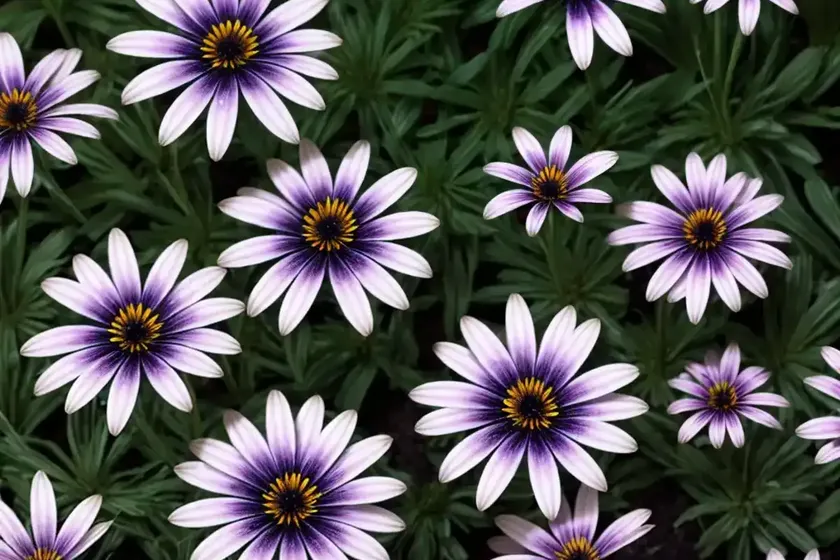
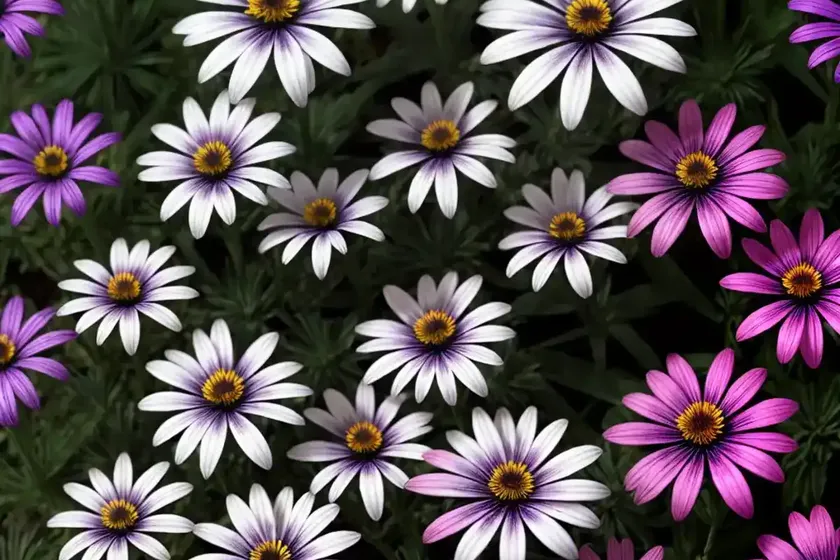
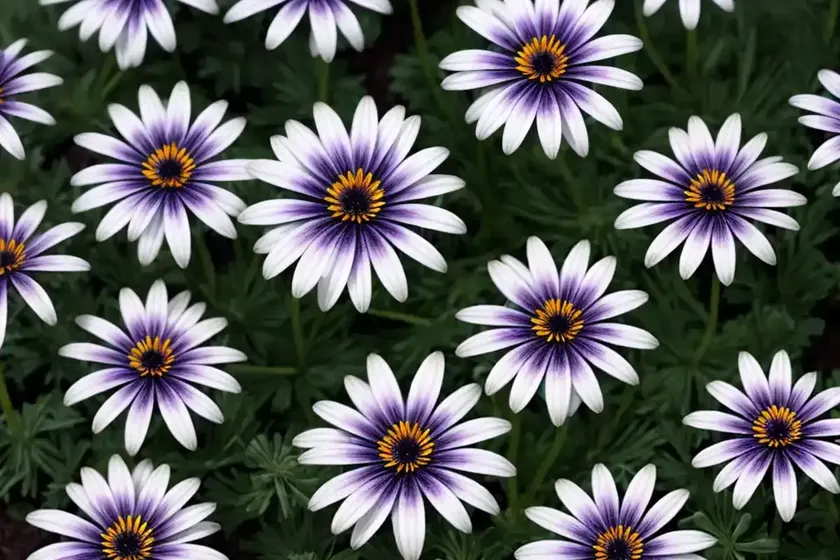
Osteospermum ‘Bright Lights Double Moonglow’ (African Daisy)

Osteospermum ‘Bright Lights Double Moonglow’ (African Daisy): A Complete Guide

Introduction to Osteospermum ‘Bright Lights Double Moonglow’

Osteospermum Bright Lights Double Moonglow, also known as African Daisy, is a stunning flowering plant sought after by garden enthusiasts and landscapers for its vibrant and cheerful blooms. The ‘Bright Lights Double Moonglow’ variety is a member of the Osteospermum genus and is particularly cherished for its unique and striking colors.

This comprehensive guide aims to provide plant lovers and gardening enthusiasts with extensive insights into the cultivation, care, and propagation of Osteospermum ‘Bright Lights Double Moonglow’ (African Daisy). From understanding its cultural requirements to managing common pests and diseases, this guide will cover every aspect of nurturing and enjoying this beautiful plant.

Key Takeaways – Osteospermum ‘Bright Lights Double Moonglow’ (African Daisy)

Before delving into the specific details of Osteospermum ‘Bright Lights Double Moonglow’, let’s quickly highlight some key takeaways for this popular African Daisy variety:

  • Plant Name: Osteospermum ‘Bright Lights Double Moonglow’ (African Daisy)
  • Botanical Name: Osteospermum
  • Common Names: African Daisy, South African Daisy
  • Plant Type: Perennial
  • Bloom Time: Spring to Fall
  • Growth Rate: Moderate
  • Mature Size: 12-24 inches (30-60 cm) in height and spread
  • Exposure: Full sun
  • Watering: Moderate
  • Soil Type: Well-draining, sandy soil
  • Uses: Borders, containers, and ground cover

Now, let’s dive into the specifics of cultivating and caring for Osteospermum ‘Bright Lights Double Moonglow’ to help you successfully grow and enjoy this delightful African Daisy.

Culture

Water

Osteospermum ‘Bright Lights Double Moonglow’ requires moderate watering, especially during the growing season. It is essential to ensure that the soil is consistently moist but not waterlogged. Adequate drainage is crucial to prevent waterlogged conditions that can lead to root rot. During hot and dry periods, it is important to provide supplemental watering to prevent the soil from drying out completely.

Beneath water is essential for the healthy growth and blooming of this African Daisy, and controlling the moisture levels is crucial for its overall well-being.

  • Key Points:
  • Provide moderate and consistent watering, ensuring the soil does not become waterlogged.
  • Supplemental watering during hot and dry periods is beneficial for the plant’s health.

Sunlight

African Daisies thrive in full sunlight and require at least 6-8 hours of direct sunlight to flourish. When planted in a location with inadequate sunlight, the plant may become leggy and produce fewer blooms. Ensuring proper sunlight exposure is vital for promoting robust growth and prolific flowering in Osteospermum ‘Bright Lights Double Moonglow’.

  • Key Points:
  • Plant in a location that receives full sunlight for at least 6-8 hours daily.
  • Inadequate sunlight can result in reduced blooming and leggy growth.

Fertilizer

Fertilizing Osteospermum ‘Bright Lights Double Moonglow’ is essential for promoting healthy growth and abundant flowering. A balanced, water-soluble fertilizer can be applied every 3-4 weeks during the growing season to provide the plant with essential nutrients. However, it is crucial to follow the manufacturer’s recommendations for the appropriate application rates and to avoid excessive fertilization, which can lead to salt buildup in the soil.

  • Key Points:
  • Use a balanced, water-soluble fertilizer during the growing season.
  • Follow the recommended application rates to avoid over-fertilization.

Soil

Osteospermum ‘Bright Lights Double Moonglow’ thrives in well-draining, sandy soil that replicates its native habitat. It is important to ensure that the soil provides excellent drainage to prevent waterlogging, which can negatively impact the plant’s overall health. Additionally, incorporating organic matter into the soil can enhance its structure and fertility, creating an optimal growing medium for the African Daisy.

  • Key Points:
  • Plant in well-draining, sandy soil to prevent waterlogged conditions.
  • Incorporate organic matter to improve soil structure and fertility.

Pruning

Pruning Osteospermum ‘Bright Lights Double Moonglow’ can help maintain its compact shape, encourage branching, and stimulate continuous blooming. Removing spent blooms and trimming straggly or leggy growth can promote a tidy and bushy habit while encouraging the plant to produce new flowers. Pruning is best performed in spring, and the removal of dead or faded flowers can extend the plant’s blooming period.

  • Key Points:
  • Prune spent blooms and leggy growth to maintain a tidy appearance.
  • Regular deadheading can prolong the flowering season.

Propagation

Osteospermum ‘Bright Lights Double Moonglow’ can be propagated through various methods, including seed sowing, division of mature plants, and stem cuttings. Propagation through seed sowing allows for the creation of new plants with diverse characteristics, while division and stem cuttings offer efficient ways to replicate the traits of the parent plant. Regardless of the propagation method chosen, providing appropriate growing conditions and care is crucial for the success of newly propagated African Daisies.

  • Key Points:
  • Propagate through seed sowing, division, or stem cuttings.
  • Provide optimal growing conditions to support the establishment of new plants.

Container Popularity

The compact and floriferous nature of Osteospermum ‘Bright Lights Double Moonglow’ makes it an ideal candidate for container gardening. Its vibrant and eye-catching blooms add cheerful charm to patio containers, balcony planters, and mixed arrangements. Incorporating this African Daisy variety into containers allows for versatile and portable displays, making it an appealing choice for gardeners with limited space or those seeking to create colorful focal points.

Container Common Diseases

While Osteospermum ‘Bright Lights Double Moonglow’ is generally resistant to most diseases, it can occasionally encounter issues related to fungal infections, particularly in humid and poorly ventilated conditions. Common diseases that may affect African Daisies in containers include:

  • Botrytis Blight: Also known as gray mold, this fungal disease can cause the appearance of grayish mold on the plant’s flowers and foliage, leading to wilting and decay.
  • Powdery Mildew: Characterized by a powdery white coating on the leaves, powdery mildew can negatively impact the plant’s overall health and aesthetics.

Preventing these diseases through proper cultural practices, including adequate spacing, good air circulation, and avoiding overhead watering, can help maintain the health and vigor of Osteospermum ‘Bright Lights Double Moonglow’ in containers.

  • Key Points:
  • Proper cultural practices can help prevent common fungal diseases.
  • Avoid overhead watering to minimize the risk of fungal infections.

Disease Diagnosis

Identifying and diagnosing diseases in Osteospermum ‘Bright Lights Double Moonglow’ is crucial for implementing timely and effective management strategies. Common signs of disease in African Daisies may include:

  • Wilting or drooping foliage
  • Discoloration or spots on leaves
  • Mold or mildew on flowers or foliage
  • Stunted growth or lack of vigor
  • Yellowing or browning of leaves

Careful observation and prompt action can aid in diagnosing and addressing potential diseases, ensuring the continued health and vitality of this vibrant flowering plant.

Common Pests

African Daisies, including Osteospermum ‘Bright Lights Double Moonglow’, can be susceptible to certain insect pests that may affect their growth and flowering. Common pests that may target these plants include:

  • Aphids: These tiny, sap-sucking insects can cluster on new growth and flower buds, causing distortion and discoloration of foliage and flowers.
  • Spider Mites: These arachnids can inflict damage by feeding on plant juices and creating fine webbing on the foliage, leading to a decline in overall plant health.

Monitoring the plants for early signs of pest infestations and implementing appropriate control measures, such as insecticidal soaps or horticultural oils, can help manage and mitigate the impact of these pests on Osteospermum ‘Bright Lights Double Moonglow’.

Botanist’s Tips

To achieve optimal growth and the best display of blooms from Osteospermum ‘Bright Lights Double Moonglow’, consider the following botanical tips:

  • Regular Deadheading: Removing spent blooms stimulates the plant to produce new flowers, extending the blooming period and promoting a tidy appearance.
  • Pruning for Shape: Prune the plant in spring to maintain a compact and bushy form, encouraging abundant flowering throughout the growing season.
  • Fertilization Schedule: Apply a balanced, water-soluble fertilizer according to the recommended schedule to provide essential nutrients for healthy growth and vigorous blooming.
  • Pest and Disease Monitoring: Regularly inspect the plant for signs of pests and diseases and take proactive measures to address any issues promptly.

Incorporating these botanical tips into the care and maintenance of Osteospermum ‘Bright Lights Double Moonglow’ can contribute to the successful cultivation and enjoyment of this delightful African Daisy variety.

Fun Facts

  • Osteospermum ‘Bright Lights Double Moonglow’ is known for its striking, multicolored blooms, adding a vibrant touch to gardens, landscapes, and floral arrangements.
  • African Daisies are native to South Africa and are part of the Asteraceae family, which includes a wide range of flowering plants.
  • These resilient perennials are well-adapted to tolerate drought conditions and are relatively low-maintenance, making them popular choices for sustainable landscaping and water-wise gardening.

Links to External Resources

For additional information and resources on Osteospermum ‘Bright Lights Double Moonglow’ and African Daisy plants, explore the following links:

  1. Royal Horticultural Society – Osteospermum
  2. University of Florida IFAS Extension – African Daisies
  3. Missouri Botanical Garden – Osteospermum
  4. Colorado State University Extension – Growing Perennial Flowers
  5. American Horticultural Society – African Daisy Varieties

By exploring these external resources, enthusiasts can gain further insights into the characteristics, cultivation, and care of Osteospermum ‘Bright Lights Double Moonglow’ and other African Daisy varieties.

In summary, Osteospermum ‘Bright Lights Double Moonglow’ (African Daisy) is a captivating flowering plant renowned for its colorful blooms and versatile uses in gardens and landscapes. By understanding its cultural requirements, addressing common diseases and pests, and incorporating botanist’s tips, enthusiasts can confidently cultivate and enjoy the beauty of this popular African Daisy variety.

With its vibrant and cheerful presence, Osteospermum ‘Bright Lights Double Moonglow’ continues to captivate the hearts of plant lovers and enrich outdoor spaces with its stunning floral display. Whether planted in garden beds or showcased in containers, this resilient and enchanting African Daisy is a delightful addition to any landscape, offering enduring beauty and a touch of South African charm.