Eastern Purple Coneflower (Echinacea Purpurea)
Echinacea purpurea, commonly known as Eastern Purple Coneflower, is a beautiful and beneficial perennial plant that has garnered attention for its uses in.
Echinacea purpurea, commonly known as Eastern Purple Coneflower, is a beautiful and beneficial perennial plant that has garnered attention for its uses in gardening, herbal medicine, and ecological sustainability. In this comprehensive guide, we will explore the key aspects of Eastern Purple Coneflower, including its cultural requirements, uses, propagation methods, common diseases, and botanist’s tips. Moreover, we will delve into its medicinal properties, folklore beliefs, and ecological value, offering a holistic perspective on this captivating plant.
What is Eastern Purple Coneflower (Echinacea Purpurea)?
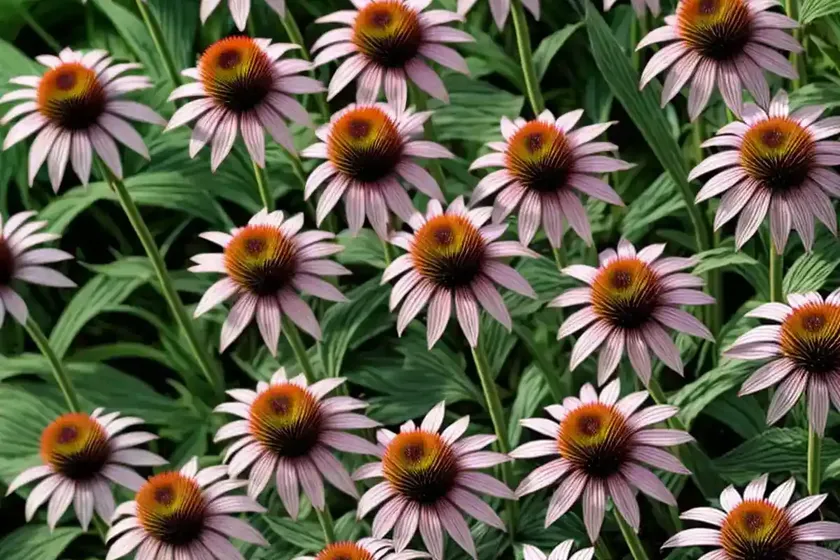
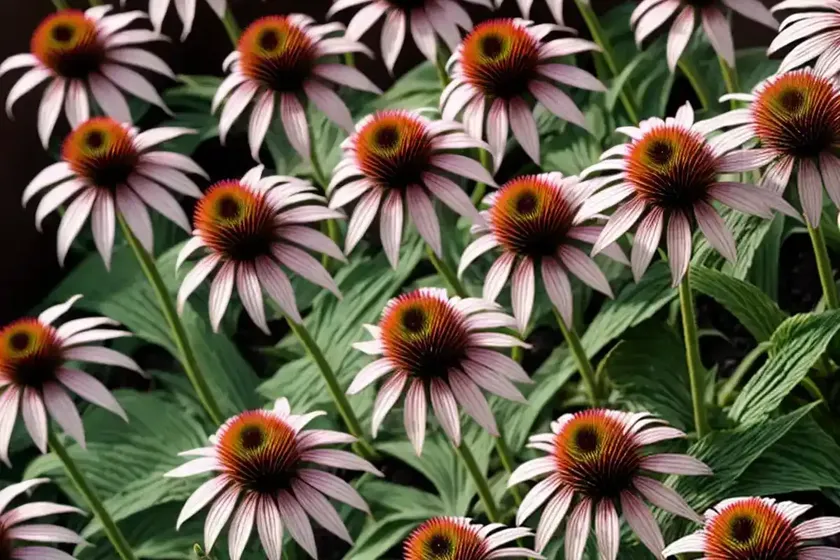
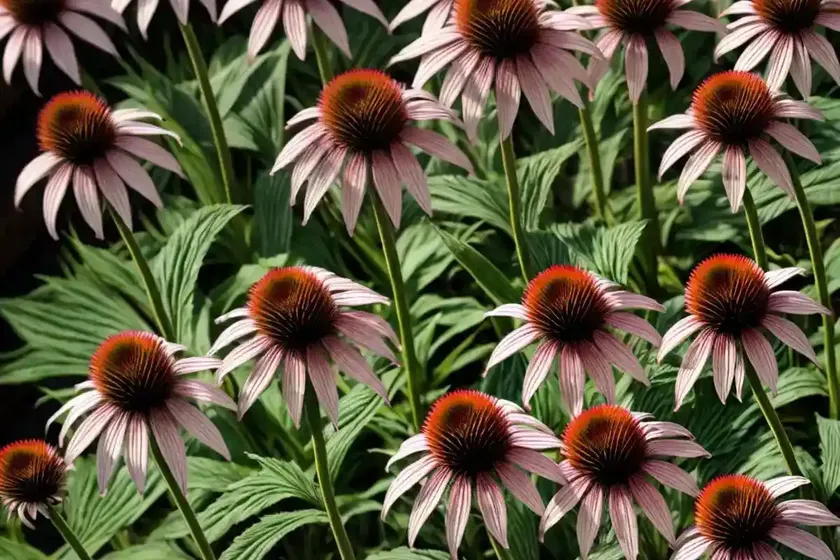
Eastern Purple Coneflower, scientifically known as Echinacea purpurea, is a flowering plant belonging to the Asteraceae family. It is native to eastern North America and is particularly prominent in the central and southeastern regions of the United States. The plant is characterized by its striking pink to purple daisy-like flowers with prominent, spiky orange-brown central cones. These vibrant blooms, coupled with its coarse, dark green foliage, make Echinacea purpurea a popular choice for gardens, landscapes, and naturalistic plantings.
Key Takeaways – Eastern Purple Coneflower (Echinacea Purpurea)
As we embark on this exploration of Eastern Purple Coneflower, it is essential to highlight the key takeaways that will be covered in detail throughout this guide:
- Culture
- Uses
- Water
- Sunlight
- Fertilizer
- Soil
- Pruning
- Propagation
- Container Popularity
- Common Diseases
- Disease Diagnosis
- Common Pests
- Botanist’s Tips
- Fun Facts
- Links to External Resources
Now, let’s journey into the diverse realms of Eastern Purple Coneflower, from its cultivation and care requirements to its ecological significance and traditional uses.
Culture
Understanding the cultural requirements of Eastern Purple Coneflower is fundamental to successfully cultivating and nurturing this captivating plant. From its need for adequate sunlight to its preference for well-drained soil, each aspect of its culture contributes to its overall health and vitality.
Uses
Echinacea purpurea possesses a myriad of uses, ranging from its horticultural value as a garden ornamental to its medicinal properties that have been recognized for centuries. Exploring the various applications of this versatile plant provides insights into its multi-faceted nature and its contributions to human well-being and environmental sustainability.
Medicinal Properties
The medicinal properties of Eastern Purple Coneflower have been a subject of great interest, especially in the realm of herbal medicine. The plant is renowned for its immune-boosting and anti-inflammatory properties, making it a popular choice for addressing colds, flu, and other respiratory ailments. Additionally, Echinacea purpurea is often used to support overall immune system function and promote general well-being. The roots, leaves, and flowers of the plant are utilized to create a range of herbal remedies, including tinctures, teas, and extracts.
Ecological Sustainability
Beyond its ornamental and medicinal uses, Eastern Purple Coneflower contributes to ecological sustainability by attracting pollinators such as bees and butterflies. Its nectar-rich flowers provide an important food source for these beneficial insects, aiding in the pollination of surrounding plants and contributing to the overall health of pollinator populations. Furthermore, the plant’s resilient nature and ability to thrive in various environmental conditions make it a valuable component of sustainable landscapes and naturalistic plantings.
Water
Proper watering is essential for the health and vigor of Eastern Purple Coneflower. Understanding the plant’s water requirements and implementing appropriate watering practices are crucial for promoting robust growth and vibrant blooms.
Sunlight
Sunlight plays a pivotal role in the development and flowering of Eastern Purple Coneflower. As a sun-loving plant, it thrives in full sunlight and requires a minimum of 6 hours of direct sun exposure per day to perform at its best.
Fertilizer
While Eastern Purple Coneflower can thrive in moderately fertile soil, incorporating organic matter and balanced fertilization practices can support the plant’s overall growth and flowering potential.
Soil
Well-drained soil is paramount for the successful cultivation of Eastern Purple Coneflower. The plant prefers slightly acidic to neutral soil with good drainage characteristics to prevent waterlogging and root rot.
Pruning
Pruning Eastern Purple Coneflower can help maintain its shape, encourage new growth, and prolong its flowering period. By removing spent blooms and cutting back the plant in late spring, gardeners can promote a tidy appearance and encourage the development of new flowering stems.
Propagation
Exploring the various propagation methods of Eastern Purple Coneflower, including seed sowing, division, and stem cuttings, offers insights into expanding and multiplying the presence of this captivating plant in gardens and landscapes.
Container Popularity
The adaptability of Eastern Purple Coneflower to container cultivation provides an opportunity for gardeners with limited space to enjoy the beauty and benefits of this plant. Exploring its container requirements and best practices for container gardening unveils new possibilities for incorporating Echinacea purpurea into diverse settings.
Common Diseases
Understanding the common diseases that can affect Eastern Purple Coneflower, such as powdery mildew and aster yellows, enables gardeners to implement preventive measures and responsive strategies to maintain the plant’s health and resilience.
Disease Diagnosis
Accurately identifying diseases and ailments that affect Eastern Purple Coneflower is a crucial step in devising effective treatment and management approaches. By recognizing the symptoms and signs of common diseases, gardeners can take proactive measures to address potential health issues and preserve the plant’s vitality.
Common Pests
In addition to diseases, Eastern Purple Coneflower can be susceptible to certain pests, including aphids and Japanese beetles. Familiarizing oneself with these common pests and adopting integrated pest management practices can help safeguard the plant from pest-related damage.
Botanist’s Tips
Drawing from the insights and expertise of botanists, this section presents valuable tips and recommendations for successfully cultivating, caring for, and appreciating Eastern Purple Coneflower. From plant selection to maintenance practices, these tips offer practical guidance for enthusiasts and horticulturalists alike.
Fun Facts
Delving into the intriguing and lesser-known aspects of Eastern Purple Coneflower unveils a treasure trove of fun facts that highlight the plant’s cultural significance, ecological value, and historical relevance. From folklore beliefs to ecological benefits, these fun facts shed light on the captivating world of Echinacea purpurea.
Links to External Resources
Exploring external resources, including botanical gardens, research institutions, and educational websites, provides an opportunity to delve deeper into the world of Eastern Purple Coneflower. From scholarly articles to practical gardening advice, these resources offer a wealth of information and inspiration for enthusiasts and scholars alike.
In this comprehensive guide, we have embarked on a journey through the captivating realm of Eastern Purple Coneflower (Echinacea purpurea), exploring its cultural requirements, uses, medicinal properties, ecological significance, and fascinating attributes. From its traditional uses to its ecological value, Eastern Purple Coneflower continues to captivate and inspire individuals across diverse domains, making it a cherished and invaluable component of gardens, landscapes, and natural ecosystems.
Throughout this exploration, we have delved into the plant’s medicinal properties, folklore beliefs, ecological value, and traditional uses, offering a holistic perspective on this captivating plant.
By understanding and appreciating the multifaceted nature of Eastern Purple Coneflower, we can cultivate a deeper connection with this remarkable plant and recognize its profound impact on human well-being, ecological sustainability, and cultural heritage. I hope that this comprehensive guide has provided valuable insights and inspiration, encouraging further exploration and appreciation of Echinacea purpurea in all its manifestations.