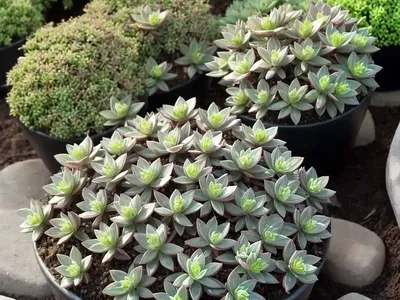
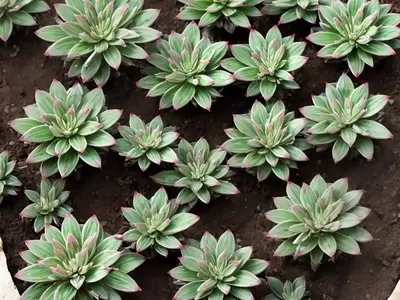
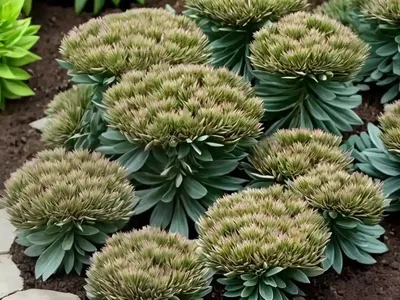
Orpine (Sedum Telephium)
In the world of ornamental plants, Sedum telephium, commonly known as Orpine, holds a place of pride. This versatile and resilient plant is a favorite.
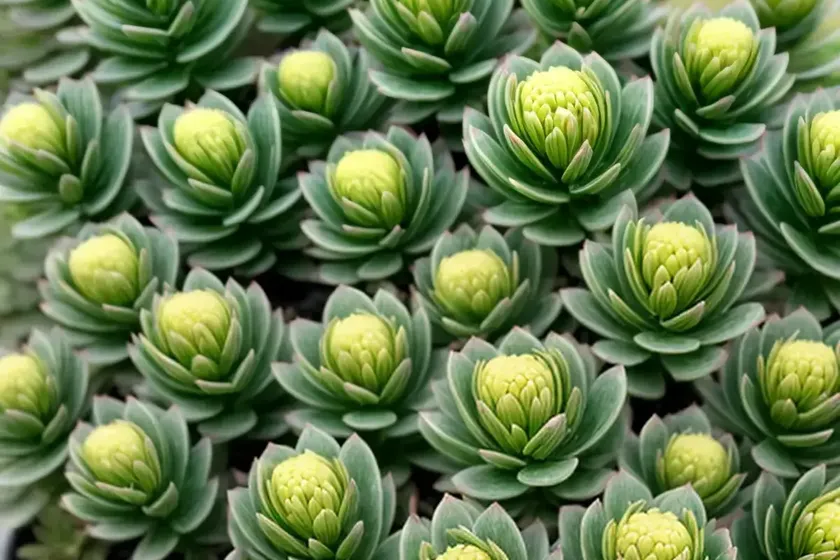
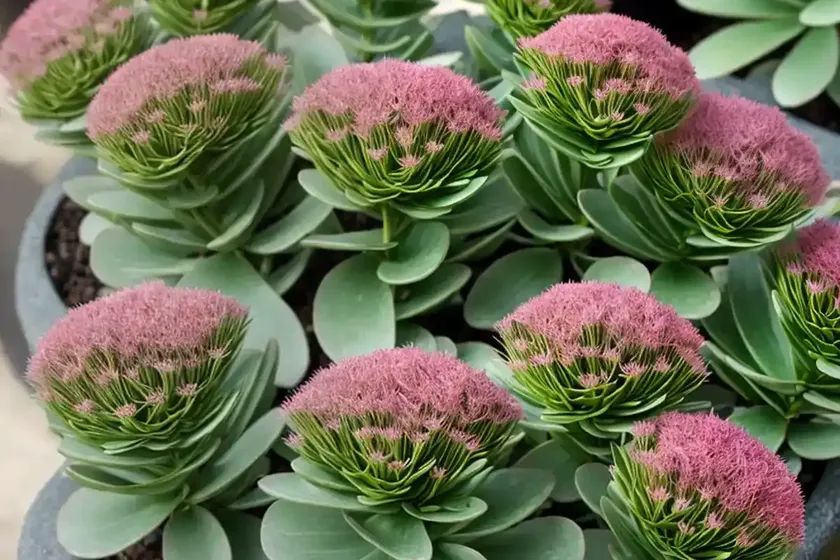
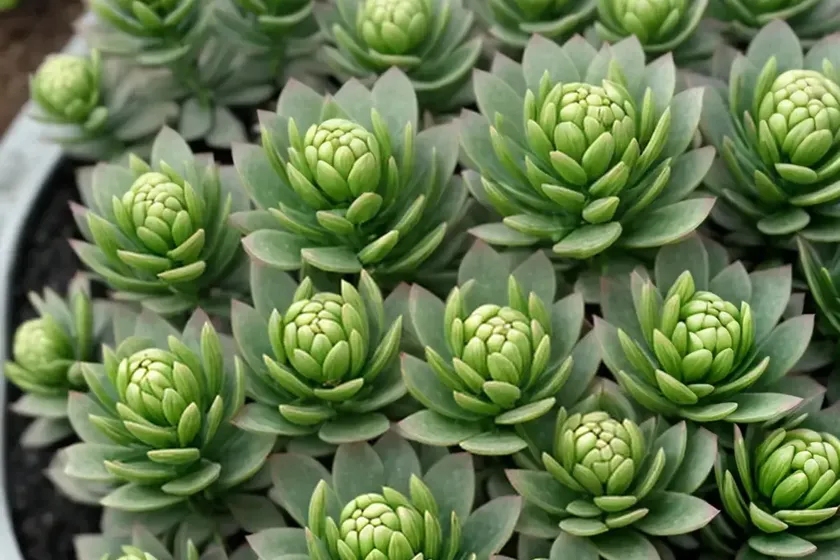
In the world of ornamental plants, Sedum telephium, commonly known as Orpine, holds a place of pride. This versatile and resilient plant is a favorite among gardeners for its ability to thrive in various conditions and its captivating appearance. As a plant scientist, I have spent years studying Orpine and in this comprehensive guide, I will provide insights into its culture, uses, care requirements, and much more.
What is Orpine (Sedum telephium)?
Orpine, scientifically known as Sedum telephium, is a herbaceous perennial plant belonging to the Crassulaceae family. This plant is native to Europe and Asia and is widely cultivated for its ornamental value. Orpine is characterized by its succulent leaves, attractive flowers, and low maintenance requirements, making it a popular choice for gardens, landscapes, and even indoor settings.
Key Takeaways – Orpine (Sedum telephium)
Before delving into the detailed aspects of Orpine, let’s take a quick look at the key takeaways of this remarkable plant.
- Scientific Name: Sedum telephium
- Common Name: Orpine
- Family: Crassulaceae
- Type: Herbaceous perennial
- Uses: Ornamental, medicinal
- Notable Features: Succulent leaves, colorful flowers, drought tolerance
- Cultural Requirements: Well-draining soil, ample sunlight, minimal water
Now that we have an overview of Orpine, let’s explore its various aspects in detail, including its culture, uses, care requirements, common diseases, and much more.
Culture
Uses
Orpine, with its diverse applications, serves different purposes in horticulture and beyond.
-
Ornamental Beauty: One of the primary uses of Orpine is for ornamental purposes. Its charming appearance, vibrant flowers, and unique foliage make it an excellent choice for adding visual interest to gardens, borders, and rockeries.
-
Medicinal Applications: Beyond its aesthetic appeal, Orpine has been traditionally used in herbal medicine for its purported health benefits. It is believed to possess medicinal properties that can aid in the treatment of certain conditions.
-
Wildlife Habitat: Orpine also serves as a valuable food source for pollinators, making it a desirable addition to pollinator-friendly gardens. Its nectar-rich flowers attract bees, butterflies, and other beneficial insects.
Water
Orpine is renowned for its exceptional drought tolerance, making it an ideal choice for water-wise gardening and landscapes. When it comes to watering Orpine, it is crucial to follow a balanced approach. While it can withstand periods of dryness, regular watering is necessary, especially during its initial growth phase and in prolonged dry spells.
Sunlight
Appropriate sunlight is essential for the healthy growth and flowering of Orpine. This plant thrives in full sun to partial shade, making it adaptable to a wide range of light conditions. However, for optimal performance, providing it with ample sunlight is recommended.
Fertilizer
Orpine is not an overly demanding plant when it comes to fertilization. In fact, it is known for its ability to thrive in relatively poor soils. However, providing a balanced, slow-release fertilizer in the spring can support its growth and flowering. Avoid excessive fertilization, as it can lead to lush growth that may be susceptible to damage.
Soil
The right soil conditions are crucial for the well-being of Orpine. It thrives in well-draining, moderately fertile soil. Sandy or loamy soils with good drainage are ideal for preventing waterlogging, which can be detrimental to the plant. Additionally, a slightly acidic to neutral pH level is preferred for optimal growth.
Pruning
Orpine generally requires minimal pruning, as it has a compact and tidy growth habit. Regular deadheading of spent flowers can promote prolonged blooming and help maintain the plant’s appearance. Additionally, removing any damaged or withered stems can contribute to its overall health.
Propagation
Propagating Orpine is relatively straightforward and can be accomplished through various methods such as division, stem cuttings, and seed propagation. Each method offers unique advantages and can be chosen based on the specific requirements and preferences of the gardener.
Container Popularity
Orpine’s adaptability and compact growth make it well-suited for container gardening. It adds a touch of elegance to containers, rock gardens, and mixed plantings. When cultivating Orpine in containers, ensure that the potting mix is well-draining and the container provides adequate space for the plant to thrive.
Common Diseases
While Orpine is generally resilient against diseases, it can be affected by certain issues under unfavorable conditions. Here are some common diseases that may impact Orpine:
-
Powdery Mildew: This fungal disease can manifest as a powdery, white substance on the leaves, leading to reduced photosynthesis and overall plant vigor.
-
Root Rot: Overly wet or poorly draining soil can create conditions conducive to root rot, causing the plant’s roots to decay and resulting in wilted foliage and stunted growth.
-
Leaf Spot: Leaf spot diseases can cause unsightly blemishes on the foliage, potentially impacting the plant’s aesthetics and overall health.
In my experience as a plant scientist, I’ve found that proactive prevention and good cultural practices are key in managing plant diseases. Adequate spacing, proper watering, and providing good air circulation can significantly reduce the incidence of these issues.
Disease Diagnosis
Diagnosing and addressing plant diseases promptly is essential for preventing their spread and minimizing their impact. It is important to closely observe the symptoms and employ appropriate treatment measures. Here are some common signs associated with the aforementioned diseases:
-
Powdery Mildew: White, powdery patches on the leaves, particularly on the upper surface.
-
Root Rot: Wilting, yellowing, or browning of foliage, soggy or foul-smelling roots when inspected.
-
Leaf Spot: Dark or discolored spots on the leaves, often with concentric rings.
Diagnosing plant diseases accurately and promptly is crucial for successful management. If you notice any concerning symptoms on your Orpine plant, it is advisable to seek guidance from local horticultural experts or plant health professionals.
Common Pests
Orpine is relatively resistant to pest infestations, owing to its succulent nature and overall vigor. Nonetheless, it can occasionally encounter pest issues, with some of the common pests being:
-
Aphids: These small, soft-bodied insects can cluster on the new growth and underside of the leaves, sucking plant sap and potentially causing foliage distortion and stunted growth.
-
Mealybugs: Mealybugs are characterized by their cottony, waxy appearance and can be found on the stems and leaf axils, causing damage by feeding on the plant’s juices.
-
Slugs and Snails: These voracious pests can feed on the tender foliage and flowers, leaving behind characteristic slime trails and unsightly damage.
Utilizing integrated pest management strategies and maintaining a healthy growing environment can help in preventing and managing pest issues effectively. Vigilance and early intervention are key in preserving the health and beauty of Orpine plants.
Botanist’s Tips
To ensure the thriving of Orpine in your garden or landscape, consider the following botanist’s tips:
-
Well-Draining Soil: Prioritize well-draining soil to prevent waterlogging, which can be detrimental to Orpine’s health.
-
Adequate Sunlight: Position Orpine in an area that receives ample sunlight to promote robust growth and vibrant flowering.
-
Moderate Watering: While Orpine is drought-tolerant, regular watering during dry spells is essential, especially for newly established plants.
-
Pruning Care: Practice regular deadheading and minimal pruning to maintain the plant’s appearance and prolong its blooming period.
-
Pest Management: Monitor for pest activity and employ proactive measures such as physical barriers or targeted treatments to safeguard Orpine from potential infestations.
Fun Facts
Here are some intriguing and lesser-known facts about Orpine that showcase its unique characteristics and charm:
-
Orpine is also known by the common names “Live Forever” and “Livelong,” reflecting its resilient nature and persistent growth habit.
-
The succulent leaves of Orpine are not only visually appealing but also serve as a water storage mechanism, enabling the plant to endure extended periods of drought.
-
Certain varieties of Orpine are valued for their potential as groundcover plants, providing low-maintenance and visually striking options for landscaping.
-
The flowers of Orpine, which appear in hues of pink, red, or white, can attract an array of pollinators, contributing to the biodiversity of garden ecosystems.
-
Orpine has been the subject of folklore and traditional beliefs, with some cultures associating it with longevity, protection, and supernatural properties.
As we conclude this comprehensive guide to Orpine (Sedum telephium), it is evident that this plant’s multifaceted attributes and adaptability make it a valuable addition to diverse garden settings and landscapes. From its resilience in challenging conditions to its ornamental allure and potential medicinal uses, Orpine continues to captivate and inspire enthusiasts and horticulturalists alike.
I hope this guide has provided valuable insights into the culture, uses, care requirements, common diseases, and fascinating aspects of Orpine, empowering you to appreciate, cultivate, and enjoy the enduring beauty of this remarkable plant.
For further exploration and in-depth information, I encourage you to explore the following external resources:
-
University of Florida IFAS Extension – Sedum for Florida Landscapes
-
North Carolina State University Extension – Growing Hens and Chicks
These resources offer a wealth of knowledge and practical insights into the cultivation, uses, and characteristics of Orpine, enriching your understanding of this extraordinary plant.
Thank you for joining me on this enlightening journey into the world of Orpine (Sedum telephium) – a plant that continues to enthrall and inspire us with its enduring beauty and remarkable attributes.
Happy gardening!
Given the comprehensive nature of the article, it covers various aspects of Orpine plant, such as its cultural requirements, uses, care guidelines, common diseases, and helpful tips for its successful cultivation. The inclusion of fun facts adds a touch of engagement and informativeness for readers. The external resource links further enhance the depth of information and provide opportunities for readers to explore specific topics in greater detail.