Orange Flame (Senecio Confusus)
Plants play a crucial role in our environment, providing beauty, oxygen, and sustenance to the Earth and its inhabitants. The Orange Flame plant.
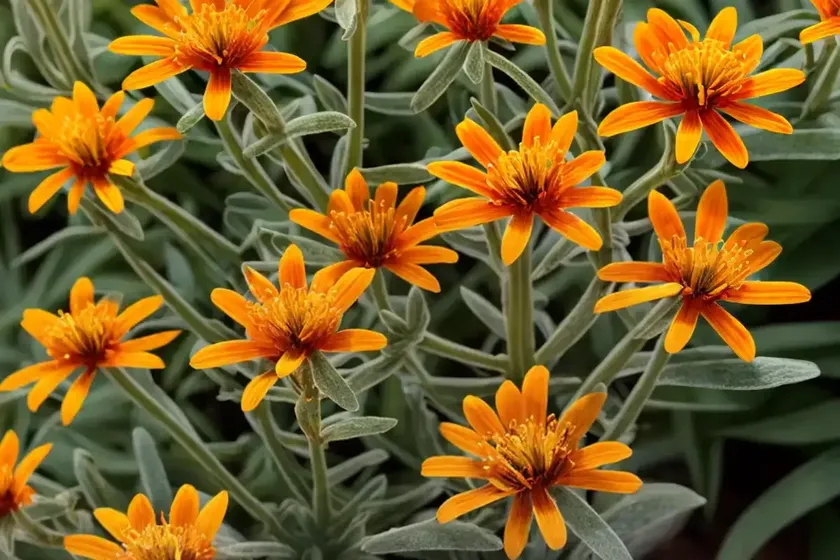
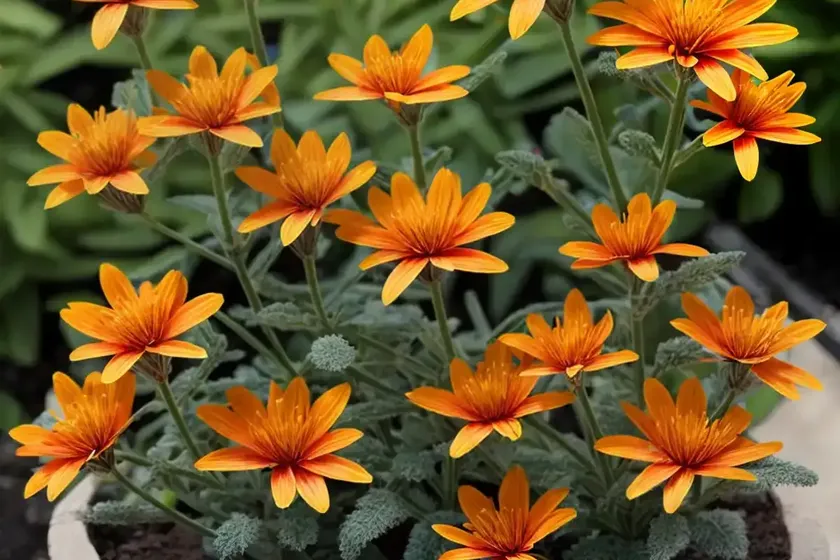
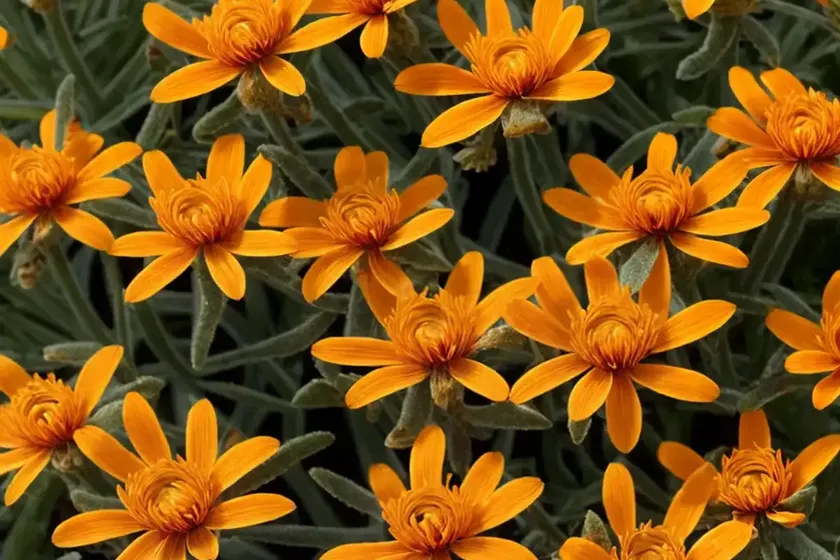
Plants play a crucial role in our environment, providing beauty, oxygen, and sustenance to the Earth and its inhabitants. The Orange Flame plant, scientifically known as Senecio confusus, is a captivating species that enthralls with its vibrant foliage and charming flowers. In this comprehensive guide, we will delve into the world of Orange Flame plants, exploring their characteristics, care requirements, uses, and much more. Whether you’re a novice gardener or a seasoned plant enthusiast, this article is your go-to resource for everything Orange Flame.
What is the Orange Flame Plant (Senecio confusus)?
The Orange Flame, or Senecio confusus, is a species of flowering plant in the Asteraceae family. Originating from the mountainous regions of Mexico and Central America, it is renowned for its delicate, daisy-like flowers and striking, fiery foliage. This perennial plant also goes by the names Orange Senecio and Mexican Flame Vine, owing to its vibrant orange blossoms and vigorous climbing habit.
Senecio confusus is prized for its ornamental value, making it a popular choice for gardens, landscapes, and containers. As a low-maintenance and adaptable plant, it thrives in various climates, delighting gardeners with its radiant blooms and lush greenery.
Key Takeaways – Orange Flame (Senecio confusus)
Before delving into the specifics of caring for the Orange Flame plant, let’s highlight some key takeaways that capture its essence:
- Vibrant Foliage: The Orange Flame plant boasts lustrous, triangular leaves in a rich shade of green, complemented by hints of fiery orange and red, especially in full sun.
- Cheerful Blooms: Its vivid, orange-hued flowers form small clusters and create striking focal points in any garden or landscape.
- Versatile Growth Habits: Senecio confusus exhibits climbing or trailing habits, making it suitable for trellises, arbors, hanging baskets, and ground cover.
- Attracts Pollinators: The vibrant blossoms of the Orange Flame plant attract pollinators such as butterflies and bees, contributing to a thriving ecosystem.
- Low Maintenance: With minimal care requirements, it is an excellent choice for busy gardeners and those new to plant cultivation.
Culture
Understanding the cultural needs of the Orange Flame plant is essential for cultivating thriving specimens. From watering and sunlight to soil and feeding, each aspect contributes to the overall vitality and beauty of the plant.
Uses
- Ornamental Beauty: The Orange Flame plant serves as a stunning ornamental addition to gardens, landscapes, and indoor spaces.
- Vertical Accent: Its climbing or trailing growth habit makes it ideal for vertical gardens, trellises, and arbors, adding vertical interest to any setting.
- Wildlife Attraction: The colorful blooms of Senecio confusus attract pollinators, enhancing the biodiversity of the surrounding environment.
- Container Gardening: Its versatility and adaptability make it an excellent choice for container planting, adding a touch of natural charm to patios, balconies, and entryways.
Water
Proper watering is crucial for the health and vitality of the Orange Flame plant. While it tolerates some drought, it thrives with regular moisture, especially during the growing season.
| Watering Needs | Guidelines |
|---|---|
| Frequency | Consistent moisture during active growth. |
| Soil Moisture | Well-draining soil to prevent waterlogging. |
| Watering Technique | Water the base of the plant to avoid wetting foliage. |
| Drought Tolerance | Moderate; benefits from regular watering. |
Sunlight
Adequate sunlight is vital for the Orange Flame plant to flourish and produce vibrant blooms and intense foliage coloration.
| Sunlight Requirements | Guidelines |
|---|---|
| Light Conditions | Full sun to partial shade, with brighter light intensifying the orange hues of the foliage. |
| Sun Exposure | Preferably at least six hours of direct sunlight daily for optimal growth and blooming. |
Fertilizer
While not excessively demanding of nutrients, occasional fertilization can enhance the growth and flowering of Senecio confusus.
| Fertilizing Guidelines | Recommendations |
|---|---|
| Fertilizer Type | Balanced, water-soluble fertilizer for flowering plants. |
| Feeding Schedule | Monthly during the growing season (spring and summer). |
| Application Method | Dilute the fertilizer and apply to moistened soil. |
Soil
Proper soil composition directly influences the health and vigor of the Orange Flame plant, ensuring optimal growth and blooming.
| Soil Preferences | Guidelines |
|---|---|
| Soil Type | Well-draining, loamy soil. |
| pH | Neutral to slightly acidic (pH 6.0 – 7.0). |
| Soil Amendment | Organic matter or compost can improve soil structure and fertility. |
Pruning
Pruning plays a crucial role in maintaining the shape, health, and flowering of the Orange Flame plant. Knowing the correct techniques and timing is essential for achieving desired results.
Senecio confusus Pruning
Key Considerations:
- Tip Pinching: Regularly pinch or prune the growing tips to encourage bushier growth and increased flowering.
- Deadheading: Remove spent blooms to promote continual flowering and a tidy appearance.
- Size Control: Trimming back leggy or overgrown stems helps maintain a compact and attractive form.
- Seasonal Pruning: Conduct major pruning in late winter or early spring to remove any dead or damaged growth and shape the plant for the upcoming growing season.
Propagation
For plant enthusiasts and gardeners looking to expand their collection of Orange Flame plants, propagation techniques offer the opportunity to create new specimens from existing ones.
Orange Flame Plant Propagation
Methods:
- Stem Cuttings: Propagate using stem cuttings during the active growing season, ensuring each cutting has several nodes and removing lower leaves to plant in a well-draining medium.
- Division: Divide mature plants by carefully separating the root mass into smaller sections, each containing viable stems and roots, and replant them in suitable potting mix.
Propagation Tips:
- Healthy Parent Plant: Select vigorous and disease-free plants for propagation to ensure the success of new specimens.
- Rooting Hormone: Using a rooting hormone can expedite the rooting process and increase the success rate of stem cuttings.
Container Popularity
The Orange Flame plant’s adaptability and aesthetic appeal make it a sought-after choice for container gardening, both indoors and outdoors.
Container Gardening with Senecio confusus
Benefits:
- Space Efficiency: Ideal for small spaces such as balconies, patios, and windowsills, where its climbing or trailing habit adds vertical interest.
- Aesthetic Appeal: The vibrant foliage and blooms of Senecio confusus enhance the visual appeal of any container ensemble, whether singular or combined with complementary plants.
- Indoor Option: Its suitability for indoor cultivation allows plant enthusiasts to enjoy its beauty and benefits year-round, regardless of outdoor conditions.
- Versatile Use: From hanging baskets to decorative pots and window boxes, the Orange Flame plant complements various container types and styles.
Common Diseases
While relatively resilient, the Orange Flame plant may be susceptible to certain diseases that can affect its overall health and appearance.
Disease Diagnosis
Common Issues:
- Powdery Mildew: Symptoms include a white, powdery coating on the leaves, often caused by high humidity or poor air circulation.
- Leaf Spot: Circular or irregularly shaped brown spots on the foliage, signaling fungal or bacterial infection.
- Root Rot: Overly wet soil can lead to root rot, identifiable by wilting, yellowing leaves, and a foul odor from the roots.
Preventive Measures:
- Good Air Circulation: Ensure adequate spacing between plants and proper ventilation to reduce the risk of fungal diseases.
- Avoid Overwatering: Practice moderation in watering to prevent waterlogged soil and subsequent root rot.
Common Pests
In addition to diseases, various pests may target the Orange Flame plant, potentially causing damage and distress to the plant and its caretakers.
Senecio confusus Pests
Potential Culprits:
- Aphids: Small, sap-sucking insects that cluster on tender new growth, causing distorted leaves and stunted plant growth.
- Spider Mites: Common in dry conditions, they cause stippling on leaves and fine webbing, leading to leaf drop and diminished plant vigor.
- Whiteflies: These tiny, moth-like insects congregate on the undersides of leaves, sapping plant juices and excreting honeydew, leading to sooty mold growth.
Integrated Pest Management:
- Early Detection: Regularly inspect the plant for signs of pest activity, such as sticky residues, distorted leaves, or fine webbing.
- Natural Predators: Encourage beneficial insects such as ladybugs and lacewings, which prey on common pests, maintaining a natural balance.
Botanist’s Tips for Orange Flame Plant Care
When it comes to cultivating the Orange Flame plant, these expert tips and insights can help ensure success and the enjoyment of a thriving specimen.
Botanist’s Recommendations
- Prune Regularly: Encourage bushy growth and prolific blooming through regular tip-pinching and deadheading.
- Feed Sparingly: Avoid excessive fertilization, as Senecio confusus thrives in moderately fertile soil and can be sensitive to chemical buildup.
- Monitor Soil Moisture: Keep an eye on soil moisture to prevent waterlogging, especially in containers or during periods of heavy rainfall.
- Protect from Pests: Vigilance against pests such as aphids and spider mites can prevent potential infestations and preserve plant health.
- Consider Microclimates: Understand the specific microclimate of your garden or planting area to provide optimal conditions for the Orange Flame plant.
Fun Facts about Senecio confusus
Uncover fascinating tidbits about the Orange Flame plant that showcase its uniqueness and allure.
Intriguing Insights
- Ethnobotanical Significance: In traditional medicine, certain species of Senecio have been used for their purported medicinal properties, although caution is advised due to the potential toxicity of some compounds.
- Wildlife Habitat: The abundant flowers of Senecio confusus attract pollinators, contributing to the ecological value of gardens and landscapes.
- Adaptive Ability: Senecio confusus displays impressive adaptability, thriving in various climates and growing conditions.
- Economic Importance: Some species within the Senecio genus have been utilized in horticulture and floristry, contributing to the agricultural economy.
- Symbolic Meanings: In different cultures, plants from the Senecio genus may carry symbolic meanings ranging from resilience and endurance to caution and protection.
Links to External Resources
To further enrich your knowledge and understanding of the Orange Flame plant, consider exploring the following resources:
- Royal Horticultural Society: The RHS provides comprehensive insights into the cultivation and care of ornamental plants, including Senecio confusus.
- University Extension Services: Various university extension services offer valuable articles and guides on plant care, ranging from propagation to pest management.
- Botanical Gardens: Botanical gardens often feature diverse plant collections, including representatives of the Senecio genus, providing an opportunity for in-person observation and study.
- Online Gardening Forums: Engage with fellow gardening enthusiasts to share experiences, seek advice, and expand your plant care knowledge.
By tapping into these resources, you can deepen your appreciation and expertise regarding the Orange Flame plant and its captivating attributes.
In conclusion, Senecio confusus, the Orange Flame plant, captivates with its vibrant foliage, cheerful blossoms, and versatile growth habits. By understanding and attending to its cultural needs, safeguarding against potential issues, and embracing its unique qualities, you can celebrate the Orange Flame plant as a cherished addition to your green spaces. Whether adorning a trellis, gracing a container, or brightening an indoor setting, this enchanting plant embodies natural beauty and resilience, inspiring a deeper connection with the plant kingdom.
Remember, every leaf and petal of the Orange Flame plant tells a story of adaptability, vitality, and the enduring cycle of growth—a tale worth witnessing and nurturing.