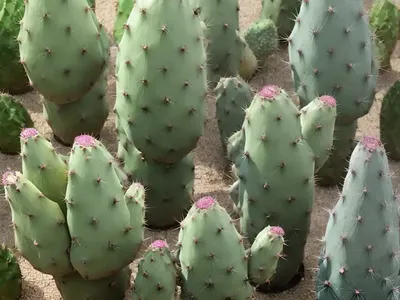
Bunny Ear Cactus (Opuntia Microdasys)
Plants play a crucial role in our ecosystem, providing us with oxygen, food, and various resources. One such fascinating plant is the Bunny Ear Cactus.
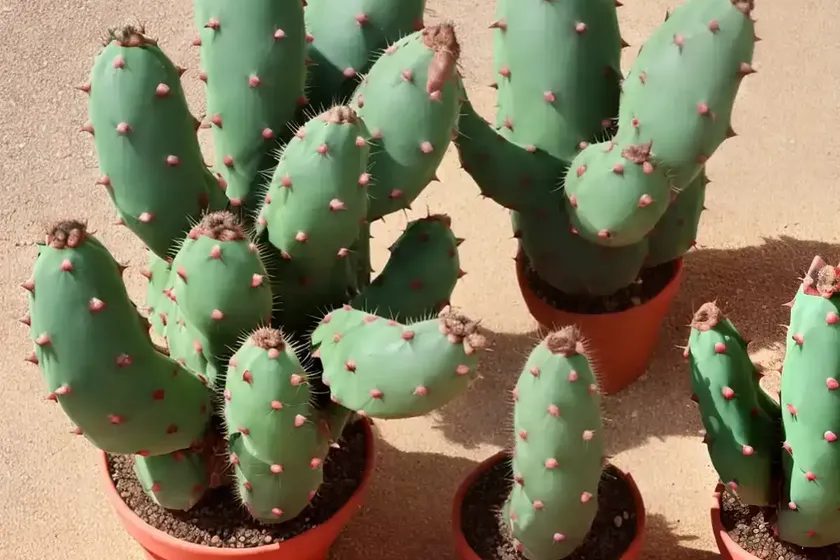
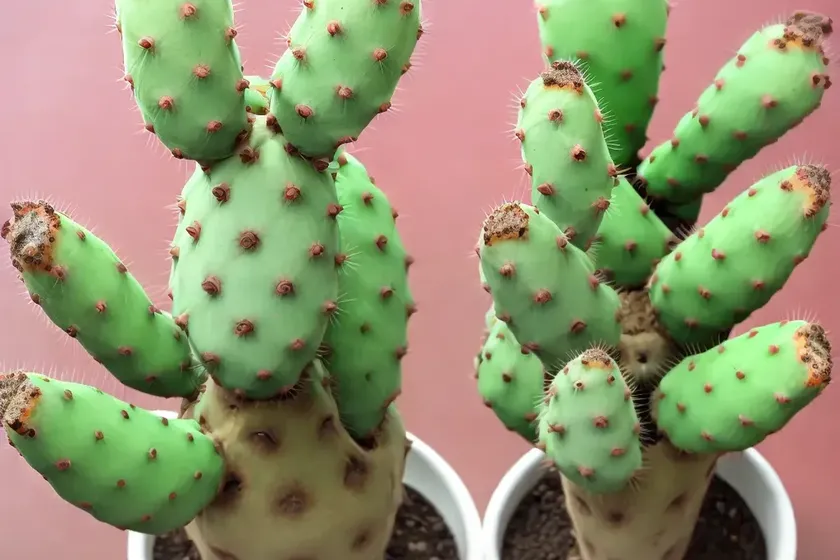
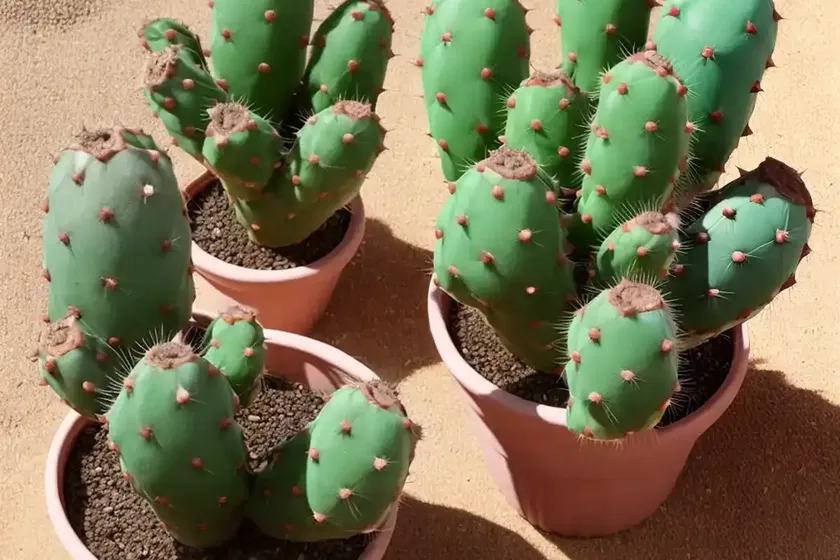
Plants play a crucial role in our ecosystem, providing us with oxygen, food, and various resources. One such fascinating plant is the Bunny Ear Cactus, scientifically known as Opuntia microdasys. This unique cactus is a popular choice among plant enthusiasts and requires specific care to thrive. In this comprehensive guide, we will explore everything you need to know about the Bunny Ear Cactus, from its cultural significance to its unique characteristics and care requirements.
What is the Bunny Ear Cactus (Opuntia microdasys)?
The Bunny Ear Cactus, or Opuntia microdasys, is a species of prickly pear cactus native to the arid regions of Mexico. It is a member of the Cactaceae family and is known for its distinctive flattened pads and clusters of tiny glochids, which resemble the appearance of bunny ears. The scientific name “Opuntia microdasys” is derived from the Greek word “Opuntia,” which refers to a species of prickly pear, and “microdasys,” which translates to “small and shaggy,” alluding to the fine, hair-like glochids covering the pads.
This cactus species has gained popularity not only for its unique appearance but also for its relatively low maintenance requirements, making it an excellent choice for both indoor and outdoor cultivation.
Key Takeaways – Bunny Ear Cactus (Opuntia microdasys)
Before delving into the specific care guidelines for the Bunny Ear Cactus, it’s essential to highlight the key takeaways about this remarkable plant. Here are some crucial points to keep in mind:
- The Bunny Ear Cactus (Opuntia microdasys) is a species of prickly pear cactus known for its flattened pads and clusters of hair-like glochids, resembling bunny ears.
- It is native to the arid regions of Mexico and is well-adapted to survive in dry, desert-like conditions.
- This cactus is prized for its unique aesthetic appeal and relatively low maintenance requirements, making it a popular choice for both novice and experienced plant enthusiasts.
- The cultural uses, care guidelines, water and sunlight requirements, soil preferences, propagation methods, and common diseases and pests associated with the Bunny Ear Cactus are essential aspects to consider for its successful growth and health.
With these key takeaways in mind, let’s explore each aspect of caring for the Bunny Ear Cactus in detail.
Culture
Culturally, the Bunny Ear Cactus holds significant value for various indigenous communities in Mexico. It has been traditionally used for both culinary and medicinal purposes, and its distinctive appearance has also made it a symbol of resilience and adaptability in the face of harsh environmental conditions.
The cultural significance of the Bunny Ear Cactus is a testament to the plant’s versatility, as it provides not only sustenance and healing properties but also serves as a source of inspiration and symbolism within diverse cultural contexts.
Uses
The uses of the Bunny Ear Cactus extend beyond its ornamental value. While its striking appearance makes it a popular choice for decorative purposes, especially in arid-themed gardens and xeriscapes, it also boasts culinary and medicinal uses.
Culinary Uses:
– The pads of the Bunny Ear Cactus, known as nopales, are edible and are commonly used in Mexican cuisine. They are rich in fiber, antioxidants, and essential nutrients, making them a valuable addition to various dishes such as salads, tacos, and stews.
Medicinal Uses:
– In traditional medicine, extracts from the Bunny Ear Cactus have been used to treat various ailments, including inflammation, indigestion, and skin conditions. The high antioxidant content of the cactus pads contributes to their therapeutic properties.
Decorative Uses:
– Beyond its practical uses, the Bunny Ear Cactus is widely sought after for its ornamental value. Its unique appearance and low maintenance requirements make it an ideal choice for indoor and outdoor landscaping, adding a touch of desert charm to gardens, terraces, and living spaces.
Water
Watering is a crucial aspect of caring for the Bunny Ear Cactus, as this species is adapted to arid environments and has specific water requirements to thrive.
Watering Tips:
– When watering the Bunny Ear Cactus, it’s important to follow a “soak and dry” method. This involves thoroughly watering the plant until excess water drains out of the pot, allowing the soil to dry completely before the next watering.
– During the growing season, typically spring and summer, water the cactus approximately once every 7-10 days, adjusting the frequency based on environmental conditions and the moisture level of the soil.
Drought Tolerance:
– Opuntia microdasys exhibits excellent drought tolerance, a characteristic that aligns with its native habitat in dry, arid regions. This tolerance allows the cactus to thrive in conditions of limited water availability, making it an ideal choice for water-wise gardening and xeriscaping.
Sunlight
Proper sunlight exposure is essential for the healthy growth and development of the Bunny Ear Cactus, as it is a sun-loving plant with specific light requirements.
Light Requirements:
– Place the Bunny Ear Cactus in a location that receives ample sunlight, ideally 6-8 hours of direct sunlight per day. South-facing windows or outdoor areas with full sun exposure are ideal for promoting optimal growth and preventing elongation or etiolation of the plant.
Indoor vs. Outdoor Cultivation:
– When grown indoors, ensure that the cactus is placed near a bright, sunny window or under grow lights to provide sufficient light exposure. For outdoor cultivation, choose a well-drained, sunny spot in the garden or use containers and raised beds to create suitable growing environments.
Fertilizer
While the Bunny Ear Cactus is adapted to low-nutrient environments, occasional fertilization can support its growth and overall health.
Fertilizing Schedule:
– During the active growing season in spring and summer, apply a balanced, water-soluble fertilizer specifically formulated for cacti and succulents. Dilute the fertilizer to half or a quarter of the recommended strength to prevent fertilizer burn and apply it approximately once a month.
Caution:
– Avoid over-fertilizing the Bunny Ear Cactus, as excessive nutrients can lead to issues such as weak growth, root damage, and nutrient toxicity. It is best to err on the side of caution and use fertilizers sparingly.
Soil
The right soil conditions are essential for the Bunny Ear Cactus to thrive, as they mimic its native habitat and provide the necessary support for healthy root development.
Soil Preferences:
– Use a well-draining cactus or succulent soil mix that allows excess water to flow through and prevents waterlogging, which can lead to root rot and other complications.
– A combination of sandy soil, perlite, and organic matter creates an ideal growing medium for the Bunny Ear Cactus, promoting aeration, water retention, and nutrient availability for the roots.
Soil pH:
– The ideal soil pH for Opuntia microdasys ranges from 6.0 to 7.5, representing a slightly acidic to neutral range that supports nutrient uptake and overall plant health.
Pruning
Proper pruning practices help maintain the shape and aesthetic appeal of the Bunny Ear Cactus while promoting air circulation and reducing the risk of pest infestations.
Pruning Techniques:
– Use sharp, clean pruning shears to carefully remove any damaged, diseased, or overgrown pads from the cactus. Make clean cuts close to the base of the pads to encourage healthy regrowth and minimize the risk of infection.
Caution:
– Exercise caution when handling the Bunny Ear Cactus, as the small glochids present on the pads can cause skin irritation upon contact. Wear gloves or use a protective barrier when pruning or handling the cactus to avoid discomfort.
Propagation
The propagation of the Bunny Ear Cactus allows plant enthusiasts to expand their cactus collection and share this unique species with others. There are several methods of propagating Opuntia microdasys, each with its own advantages and requirements.
Propagation Methods:
1. Offshoot Division:
– Offsets, or offshoots, naturally develop around the base of the Bunny Ear Cactus. These can be carefully detached from the parent plant and potted individually to establish new cactus plants.
– Ensure that the offshoots have calloused over before planting them in a well-draining soil mix to promote successful root development.
- Pad Cuttings:
-
Select healthy, mature pads from the cactus and allow the cut ends to callous over for a few days to minimize the risk of rotting. Once calloused, plant the pad cuttings in a suitable growing medium and water sparingly until they establish roots.
-
Seed Propagation:
- While less common, propagating the Bunny Ear Cactus from seeds allows for genetic diversity and the potential to grow new varieties. Plant cactus seeds in a well-draining soil mix and maintain optimal warmth and moisture for germination.
Propagation Tips:
– When propagating the Bunny Ear Cactus, it’s essential to provide the right environmental conditions, including warmth, light, and suitable growing medium, to support the establishment of new plants.
Container Popularity
The Bunny Ear Cactus is a popular choice for container gardening due to its compact size, unique aesthetic appeal, and low maintenance requirements.
Container Gardening:
– Plant the Bunny Ear Cactus in well-draining containers or pots with sufficient drainage holes to prevent water accumulation and promote root health.
– Containers allow for versatile placement options, making it possible to create indoor displays, outdoor arrangements, and container gardens featuring the striking presence of Opuntia microdasys.
Compact Growth:
– The slow and compact growth habit of the cactus makes it well-suited for container cultivation, allowing it to thrive in limited spaces such as balconies, patios, and windowsills.
Common Diseases
While the Bunny Ear Cactus is relatively resilient, it is susceptible to certain diseases and issues that can affect its overall health and vitality.
Disease Diagnosis:
– Common diseases that may affect the Bunny Ear Cactus include fungal infections, particularly those related to excessive moisture and poor air circulation. Symptoms such as wilting, yellowing pads, and mold growth indicate potential disease issues.
Preventative Measures:
– To prevent diseases, maintain proper watering practices, provide adequate ventilation, and avoid overwatering, which can create favorable conditions for fungal growth and disease development.
Common Pests
Pest infestations can pose a threat to the Bunny Ear Cactus, with certain insects targeting the plant for feeding and reproduction.
Pest Control:
– Common pests that may affect Opuntia microdasys include mealybugs, spider mites, and scale insects. Regularly inspect the cactus for signs of pest activity, such as webbing, sticky residue, or visible insects, and take prompt measures to address infestations.
Natural Predators:
– Introducing natural predators such as beneficial insects or using organic pest control methods can help manage pest populations without resorting to chemical treatments that may harm the cactus or its ecosystem.
Botanist’s Tips
As a plant scientist, I often encounter fascinating insights and tips for caring for the Bunny Ear Cactus based on scientific research and practical experience. Here are some valuable tips to consider for successful cultivation and appreciation of Opuntia microdasys:
- Temperature Considerations:
-
Provide the Bunny Ear Cactus with protection from extreme temperature fluctuations, especially during winter. While the plant can tolerate brief cold spells, prolonged exposure to freezing temperatures can damage its tender pads.
-
Adequate Air Circulation:
-
Ensure proper air circulation around the cactus to minimize the risk of fungal diseases and promote overall plant health. Avoid placing the cactus in areas with stagnant air or poor ventilation.
-
Protective Measures:
-
Handle the Bunny Ear Cactus with care and attention to avoid contact with the small glochids, which can cause skin irritation and discomfort. Wearing protective gloves when handling the cactus is advisable.
-
Winter Dormancy:
- In cooler climates, the Bunny Ear Cactus may enter a period of winter dormancy, during which its growth slows down. Reduce watering and provide slightly cooler temperatures during this time to mimic its natural growth cycle.
Fun Facts
To appreciate the Bunny Ear Cactus to its fullest extent, consider these intriguing and delightful fun facts about Opuntia microdasys:
- Natural Habitat:
-
In its native habitat, the Bunny Ear Cactus is an integral part of arid ecosystems, providing food and shelter for various desert-dwelling species, including insects, birds, and small mammals.
-
Symbol of Resilience:
-
The unique appearance and adaptability of the Bunny Ear Cactus have made it a symbol of resilience and endurance, often associated with the ability to thrive in harsh conditions and overcome adversities.
-
Cultural Significance:
-
Throughout history, cacti, including the Bunny Ear Cactus, have been revered and utilized by indigenous communities for their culinary, medicinal, and symbolic value, representing a rich cultural heritage.
-
Environmental Benefits:
- As a xerophyte, the Bunny Ear Cactus plays an essential role in water conservation and soil stabilization in arid environments, contributing to the sustainability and balance of desert ecosystems.
With these comprehensive insights into the cultural significance, uses, and care guidelines for the Bunny Ear Cactus, you are well-equipped to embark on a rewarding journey of cultivating and appreciating this remarkable plant. Whether you are drawn to its aesthetic appeal, culinary potential, or symbolic significance, Opuntia microdasys offers a wealth of opportunities for exploration and admiration.
Links to External Resources
To expand your knowledge and explore further details about the Bunny Ear Cactus and its care requirements, refer to the following external resources:
- Bunny Ear Cactus Care Guide – The Spruce
- Opuntia microdasys Fact Sheet – Missouri Botanical Garden
- Cultivation and Uses of Opuntia Species – Food and Agriculture Organization of the United Nations
- Cactus and Succulent Plant Care – The Cactus and Succulent Society of America
These resources offer valuable insights, practical tips, and in-depth information to support your journey in caring for the Bunny Ear Cactus and expanding your horticultural knowledge.
In conclusion, the Bunny Ear Cactus (Opuntia microdasys) encapsulates the allure of desert flora, offering a unique blend of aesthetic appeal, cultural significance, and practical utility. By embracing the diverse facets of this remarkable plant, you can foster a deeper appreciation for its resilience, beauty, and the captivating world of cacti and succulents. Happy gardening and may your Bunny Ear Cactus thrive and bring joy and inspiration to your botanical pursuits!