Oligoneuron album (White Goldenrod): A Complete Guide
Oligoneuron album, commonly known as White Goldenrod, is a beautiful flowering plant that belongs to the Asteraceae family. This native North American plant is cherished for its ornamental value and also holds significance in traditional medicine and folklore. In this comprehensive guide, we will delve into the taxonomy, characteristics, growth requirements, ecological importance, conservation status, landscaping uses, and much more of Oligoneuron album.
What is Oligoneuron album (White Goldenrod)
Oligoneuron album Taxonomy
White Goldenrod (Oligoneuron album) belongs to the Plantae kingdom and the Asteraceae family. Its taxonomy can be detailed as follows:
- Kingdom: Plantae
- Clade: Angiosperms
- Order: Asterales
- Family: Asteraceae
- Genus: Oligoneuron
- Species: O. album
White Goldenrod Plant Description
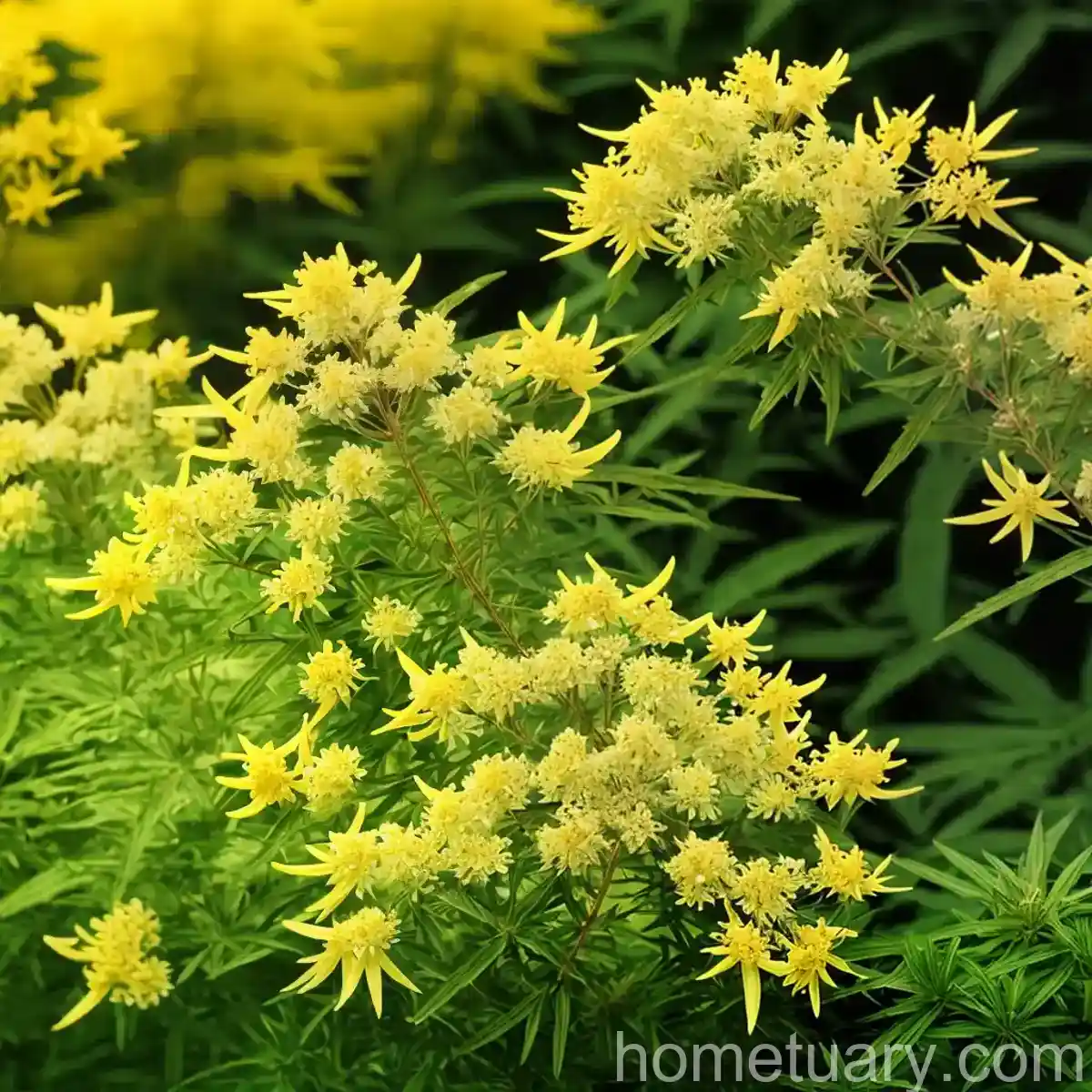
Oligoneuron album is a herbaceous perennial plant known for its distinctive white flowers that bloom in late summer to early fall. The plant typically grows to a height of 2 to 3 feet and has lance-shaped leaves with serrated edges. The flowers are small and arranged in dense, plume-like clusters, adding a touch of elegance to the landscape.
Oligoneuron album Habitat
White Goldenrod is native to North America and can be found in a variety of habitats, including prairies, open woodlands, savannas, and along roadsides. It thrives in areas with well-drained soil and ample sunlight.
White Goldenrod Characteristics
The key characteristics of Oligoneuron album include:
- Flower Color: White
- Height: 2 to 3 feet
- Leaves: Lance-shaped with serrated edges
- Blooming Season: Late summer to early fall
Key Takeaways – Oligoneuron album (White Goldenrod)
Culture
White Goldenrod is a versatile plant that can be incorporated into various garden styles, from naturalistic prairie plantings to more formal mixed borders and containers. Its graceful appearance and resilience make it a popular choice among gardeners looking to add visual interest to their outdoor spaces.
Uses
- Ornamental: Oligoneuron album is widely used in landscaping for its charming white flowers and elegant foliage. It adds a touch of grace to gardens, prairies, and naturalistic landscapes.
- Medicinal: In traditional medicine, certain parts of the plant are used to prepare herbal remedies for various ailments.
Water
Oligoneuron album has moderate water needs. It thrives in well-drained soil and is relatively drought-tolerant once established. However, consistent moisture is beneficial for optimal growth and flowering.
Sunlight
White Goldenrod is a sun-loving plant and thrives in full sunlight. It requires at least 6 to 8 hours of direct sunlight per day to bloom profusely and maintain healthy foliage.
Fertilizer
When grown in nutrient-deficient soils, Oligoneuron album can benefit from a balanced, slow-release fertilizer applied in spring. However, excessive fertilization should be avoided, as it can lead to overly lush growth and reduced flowering.
Soil
The plant prefers well-drained, moderately fertile soil. It can tolerate a range of soil types, including loam, sandy, and rocky soils. Good drainage is essential to prevent waterlogging, which can be detrimental to the plant’s health.
Pruning
Minimal pruning is required for Oligoneuron album. Deadheading spent flowers can promote prolonged blooming, while cutting back the stems in early spring can encourage a more compact growth habit.
Propagation
White Goldenrod can be propagated through division or by collecting and planting seeds. Division is best done in early spring, while seeds can be sown directly in the ground in fall or started indoors and transplanted in spring.
Container Popularity
Oligoneuron album is well-suited for container cultivation, adding a touch of elegance to patio plantings, balcony gardens, and other small-scale outdoor spaces.
Container Common Diseases
When grown in containers, Oligoneuron album may be susceptible to certain diseases, including:
- Powdery Mildew: A fungal disease that manifests as a powdery white coating on the leaves.
- Root Rot: Caused by overwatering and poorly drained soil, leading to root damage and decline.
Disease Diagnosis
Regular monitoring for signs of disease, proper sanitation, and appropriate cultural practices can help prevent and manage common diseases affecting Oligoneuron album.
Common Pests
While White Goldenrod is relatively resistant to pests, it may occasionally attract aphids, caterpillars, and other common garden pests. Vigilant monitoring and prompt action can prevent pest infestations from causing significant damage.
Botanist’s Tips
- Plant in a location with well-drained soil and ample sunlight.
- Deadhead spent flowers to encourage continuous blooming.
- Monitor for signs of disease and pest infestations, taking proactive measures to address any issues.
- Propagate through division or seed sowing for an expanded plant collection.
Fun Facts
- Despite its common name, White Goldenrod is not a true goldenrod (Solidago spp.), but it belongs to the same family (Asteraceae).
- The plant’s white flowers attract a variety of pollinators, including butterflies, bees, and other beneficial insects.
- Oligoneuron album has been historically used for its medicinal properties by indigenous communities.
Links to External Resources
For additional information on Oligoneuron album, you can explore the following resources:
– The United States Department of Agriculture (USDA) Plants Database
– Missouri Botanical Garden Plant Finder
– Native Plant Trust
Conclusion
Oligoneuron album, or White Goldenrod, is a charming native plant with ornamental, ecological, and cultural significance. Its graceful appearance, adaptability, and wildlife-friendly nature make it a valuable addition to gardens, landscapes, and natural habitats across North America. By understanding its growth requirements, uses, and ecological importance, we can appreciate and promote the conservation of this beautiful species.
References
1. Flora of North America (2006). “Oligoneuron Rafinesque.” Flora of North America North of Mexico. Vol. 21. Oxford University Press.
2. Gleason, H.A. & Cronquist, A. (1991). Manual of Vascular Plants of Northeastern United States and Adjacent Canada. The New York Botanical Garden.
3. University of Wisconsin-Madison (n.d.). “Oligoneuron album (Aiton) G.L. Nesom & Pruski.” Wisconsin State Herbarium – University of Wisconsin-Madison.