Oleander (Nerium Oleander)
Oleander holds a special place in the world of gardening. With its vibrant, showy flowers and ability to thrive in various conditions, it has become a.
Oleander holds a special place in the world of gardening. With its vibrant, showy flowers and ability to thrive in various conditions, it has become a popular choice for many gardeners and landscapers. In this comprehensive guide, we will delve deep into the world of Oleander (Nerium Oleander), exploring its culture, uses, care requirements, common diseases, and much more. Whether you are a seasoned gardener or a beginner, this guide will equip you with the knowledge and tools needed to cultivate and care for this beautiful plant.
What is Oleander (Nerium Oleander)?
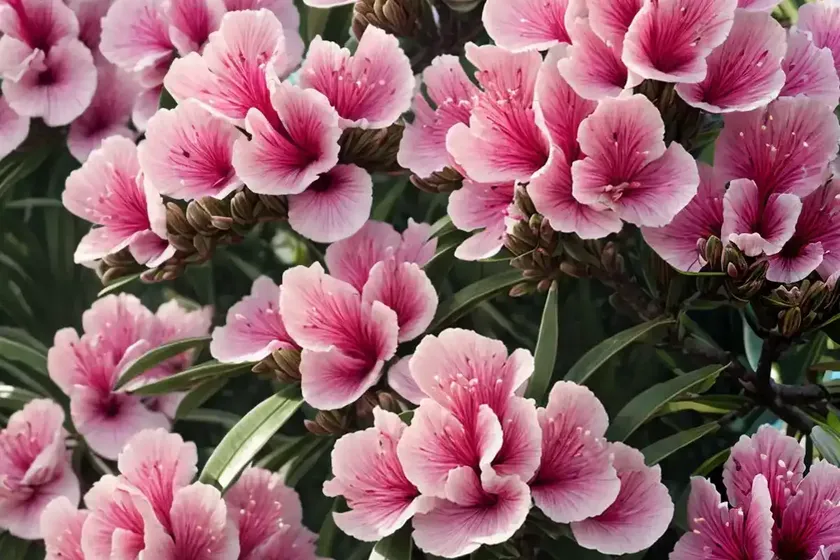
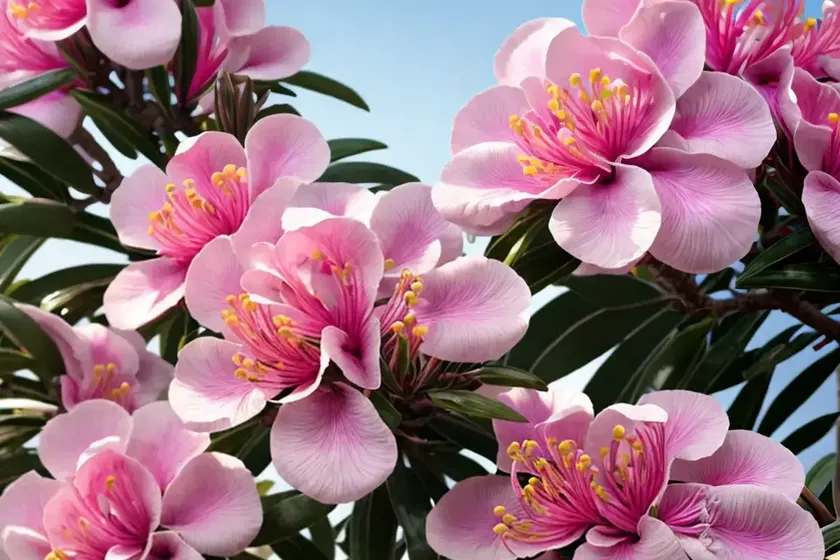
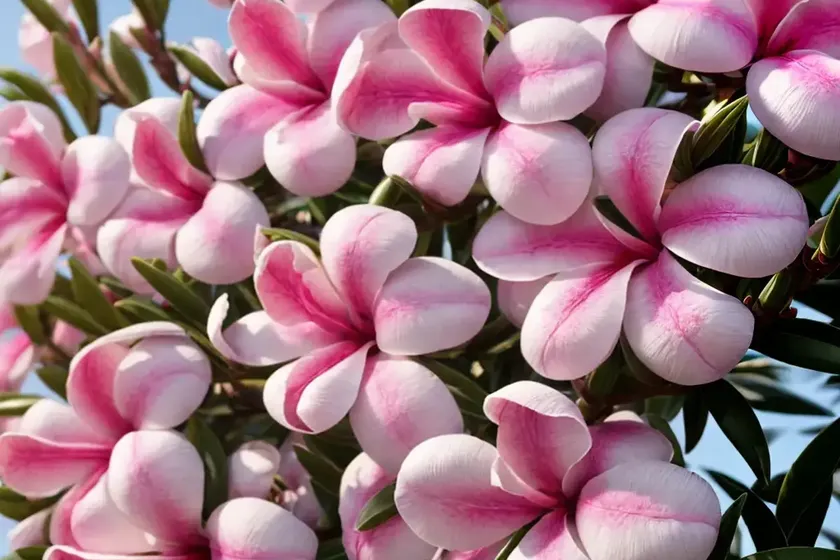
Oleander, scientifically known as Nerium Oleander, is a flowering evergreen shrub belonging to the Apocynaceae family. This plant is native to the Mediterranean region, Southeast Asia, and the Indian subcontinent. It is characterized by its striking, funnel-shaped flowers that bloom in clusters and come in a variety of colors, including white, pink, red, and yellow. The leaves are elongated and leathery, arranged in whorls around the stem. Oleander is valued for its ornamental beauty and its ability to act as a privacy screen or windbreak in landscapes.
Oleander has also had a historical significance, with its uses ranging from medicinal purposes to being a symbol of various emotions and sentiments. However, it’s important to note that all parts of the Oleander plant are toxic if ingested, so caution should be exercised when growing it, especially in households with children and pets.
Now, let’s dive deeper into the key aspects of Oleander, covering its culture, uses, and the essential requirements for its growth and maintenance.
Key Takeaways – Oleander (Nerium Oleander)
Before we explore the specifics of Oleander care and cultivation, let’s take a moment to highlight the key takeaways of this remarkable plant:
- Oleander Plant Care: Understanding the specific care requirements to ensure optimal growth and blooming.
- Nerium Oleander Varieties: Exploring the different varieties of Oleander and their unique characteristics.
- Oleander Flower Colors: Appreciating the diverse range of flower colors that Oleander can produce.
- Nerium Oleander Toxicity: Being aware of the plant’s toxic nature and taking necessary precautions.
- Oleander Growth Requirements: Understanding the environmental conditions essential for healthy growth.
- Nerium Oleander Pruning Tips: Learning the best practices for maintaining the plant’s shape and vigor.
- Oleander Propagation Methods: Exploring the techniques for propagating Oleander and expanding your plant collection.
- Nerium Oleander Disease Prevention: Identifying common diseases and implementing preventive measures.
- Oleander Pest Control: Dealing with potential pests that can affect the health of the plant.
- Nerium Oleander Landscaping Ideas: Harnessing the ornamental value of Oleander in landscaping projects.
- Oleander Container Gardening: Discovering the possibilities of cultivating Oleander in containers.
- Nerium Oleander Medicinal Uses: Exploring the historical and potential medicinal properties of Oleander.
- Oleander Plant Symbolism: Understanding the symbolic meanings associated with Oleander.
- Nerium Oleander Drought Tolerance: Appreciating the plant’s ability to withstand periods of water scarcity.
- Oleander Flowering Season: Learning about the blooming patterns and seasons of Oleander.
- Nerium Oleander Fragrance: Exploring the aromatic qualities, if any, associated with the plant.
- Oleander Leaves Turning Yellow: Addressing common issues related to leaf discoloration.
- Nerium Oleander Winter Care: Understanding the winter requirements and protective measures for Oleander.
- Oleander Common Problems: Identifying and resolving issues that commonly affect Oleander plants.
- Nerium Oleander Natural Habitat: Gaining insights into the native environments where Oleander thrives.
- Oleander Planting Guide: Following a comprehensive guide for successful planting and establishment.
- Nerium Oleander Leaf Spot Prevention: Implementing strategies to prevent and manage leaf spot diseases.
- Oleander Root System: Understanding the characteristics and behavior of the plant’s root system.
- Nerium Oleander Wildlife Attraction: Recognizing the potential role of Oleander in attracting wildlife.
- Oleander Garden Design: Incorporating Oleander into garden designs for aesthetic and functional benefits.
- Nerium Oleander Plant Structure: Appreciating the structural aspects of the plant and its growth habits.
- Oleander Best Companion Plants: Discovering suitable companion plants to grow alongside Oleander.
- Nerium Oleander Leaf Drop: Addressing factors contributing to leaf dropping and strategies to minimize it.
- Oleander Soil pH Requirements: Understanding the ideal soil pH range for successful cultivation.
- Nerium Oleander Pruning Mistakes to Avoid: Learning from common pruning errors to maintain plant health.
- Oleander Indoor Care: Exploring the potential for growing Oleander as an indoor plant.
- Nerium Oleander Water Requirements: Establishing a balanced watering regimen for healthy growth.
- Oleander Seed Germination: Understanding the process of germinating Oleander seeds for propagation.
- Nerium Oleander Sun Exposure: Optimizing sunlight exposure for robust growth and flowering.
- Oleander Plant Diseases and Treatments: Identifying diseases and implementing appropriate treatments.
- Nerium Oleander Container Size: Determining the suitable container size for growing Oleander in pots.
- Oleander Fertilization Tips: Providing the necessary nutrients for vigorous growth and bloom production.
- Nerium Oleander Garden Pests: Identifying and managing garden pests that can affect Oleander.
- Oleander Cold-Hardiness: Understanding the plant’s ability to withstand cold and frost.
- Nerium Oleander Root Rot Prevention: Implementing measures to prevent root rot and ensure root health.
- Oleander Flower Arrangement Ideas: Exploring creative ways to incorporate Oleander blooms into floral arrangements.
- Nerium Oleander Landscape Maintenance: Planning and executing maintenance tasks within landscaping settings.
- Oleander Plant Winter Protection: Safeguarding Oleander from potentially harmful winter conditions.
- Nerium Oleander Soil Drainage: Addressing the importance of soil drainage for the plant’s health.
- Oleander Growth Habits: Understanding the growth patterns and habits of Oleander plants.
- Nerium Oleander Pollinators: Recognizing the role of pollinators in the reproductive process of Oleander.
- Oleander Pruning Schedule: Establishing a regular pruning schedule for maintaining plant form and health.
- Nerium Oleander Leaf Browning: Managing factors that contribute to leaf browning and discoloration.
- Oleander Companion Herbs: Exploring compatible herbaceous companions to grow with Oleander.
- Nerium Oleander Whiteflies Control: Implementing strategies to control and manage whiteflies affecting Oleander plants.
Oleander Culture
Understanding the cultural requirements of Oleander is essential for successfully fostering this plant in various settings. From suitable growing conditions to its uses, Oleander culture encapsulates a range of factors that contribute to its overall cultivation.
Uses
Oleander is primarily cultivated for its ornamental value, as the vibrant and abundant flowers add color and visual appeal to gardens and landscapes. The plant’s dense foliage and suitability for hedging make it an excellent choice for creating privacy screens and decorative borders. Historically, Oleander has been used for medicinal purposes, although it’s important to acknowledge the plant’s toxicity and exercise caution when exploring any potential medicinal applications.
Water
Oleander plants prefer well-draining soil and moderate watering. While established plants are somewhat drought-tolerant, consistent moisture is ideal for promoting healthy growth and flowering. It is important to avoid overwatering, as excessive moisture can lead to root rot and other complications.
Sunlight
Oleander thrives in full sun, requiring at least 6 to 8 hours of direct sunlight each day for optimal growth and flowering. In locations with intense heat, some afternoon shade can help protect the plant from excessive sun exposure.
Fertilizer
Applying a balanced fertilizer formulated for flowering shrubs can contribute to the health and vigor of Oleander plants. A slow-release fertilizer can be beneficial, and it’s important to follow the application instructions provided by the manufacturer. Fertilization should be performed during the active growing season, typically in spring and summer.
Soil
Oleander plants thrive in well-draining soil with a slightly acidic to neutral pH level (6.5 to 7.5). Amending the soil with organic matter such as compost can improve its overall structure and moisture retention properties. Good drainage is crucial, as waterlogged soil can adversely affect the health of Oleander plants.
Pruning
Pruning is an essential aspect of Oleander maintenance, contributing to the plant’s overall shape, health, and blooming capacity. Proper pruning also helps to remove dead or damaged plant material, promoting air circulation and reducing the risk of disease.
Pruning Techniques
When pruning Oleander, it’s important to use sharp and clean tools to make precise cuts. Regular deadheading of spent flowers can encourage the plant to produce new blooms. Additionally, selective pruning can help maintain the desired shape and size of the plant, making it suitable for various landscape and garden settings.
Propagation
Oleander can be propagated through a variety of methods, including seeds, stem cuttings, and layering. Each propagation technique offers its own unique advantages and requirements, allowing gardeners to expand their Oleander collection and share the beauty of this plant with others.
Seed Germination
Germinating Oleander seeds typically requires a warm and moist environment. Sowing the seeds in a well-draining soil mix and providing gentle bottom heat can aid in the germination process. It’s important to note that Oleander seeds may take some time to germinate, and patience is key when employing this propagation method.
Stem Cuttings
The propagation of Oleander through stem cuttings offers a reliable and straightforward approach to increasing plant numbers. By selecting healthy and semi-hardwood cuttings from the parent plant, one can encourage the development of roots and subsequent growth in new individuals. Providing the right moisture and environmental conditions is crucial for successful root formation.
Layering
Layering is another effective method for propagating Oleander, where a lower branch is encouraged to root while still attached to the parent plant. Once roots have formed, the new plant can be separated and transplanted, resulting in a genetically identical individual.
Container Popularity
Oleander’s versatility and adaptability make it well-suited for container gardening. Whether grown on a patio, balcony, or as a decorative accent near entrances, Oleander’s striking appearance and relative ease of care contribute to its popularity as a container plant.
Container Size
When growing Oleander in containers, it’s crucial to select an appropriately sized pot that allows for proper root development while not being excessively large. A container with adequate drainage holes is essential to prevent waterlogging and maintain the health of the plant.
Common Diseases
Like all plants, Oleander is susceptible to certain diseases that can affect its overall health and appearance. Identifying common diseases and understanding their prevention and treatment is essential for maintaining vibrant and robust Oleander plants.
Disease Diagnosis
Diagnosing diseases affecting Oleander involves observing the appearance of the plant, including its leaves, stems, and flowers. Symptoms such as leaf spots, discoloration, wilting, or abnormal growth may indicate the presence of a disease. Timely identification and intervention are crucial for minimizing the impact of diseases on the plant.
Common Pests
An array of pests can potentially affect Oleander plants, causing damage to their foliage, flowers, and overall health. Recognizing common pests and implementing appropriate pest control measures is essential for preserving the vitality and visual appeal of the plant.
Pest Identification
Pests that commonly affect Oleander include aphids, scale insects, mites, and caterpillars, among others. Monitoring the plant for signs of pest infestation, such as distorted growth, sticky residues, or visible pests, can aid in early pest identification and management.
Botanist’s Tips
Incorporating insights from experienced botanists and horticulturists can provide valuable guidance for successfully cultivating and caring for Oleander plants. These tips offer practical advice and recommendations based on scientific knowledge and empirical observations.
Fun Facts
In addition to its ornamental beauty, Oleander possesses several fascinating and lesser-known attributes that contribute to its overall allure. Discovering the lesser-known aspects of Oleander can deepen one’s appreciation for this remarkable plant.
Links to External Resources
To further enrich your understanding of Oleander (Nerium Oleander) and its cultivation, here are some external resources that provide additional information and expert insights:
- American Society for the Prevention of Cruelty to Animals (ASPCA)
- University of Florida IFAS Extension – Oleander Poisoning
- Royal Horticultural Society (RHS) – Nerium Oleander
- University of California – Oleander
- Missouri Botanical Garden – Nerium Oleander
With a deeper understanding of the cultural, care, and maintenance aspects of Oleander, you can embark on a rewarding journey of enriching your garden or landscape with this enchanting plant. By following the guidelines and tips outlined in this guide, you can cultivate and enjoy the beauty of Oleander while ensuring the health and well-being of your plants. Whether you are drawn to its vibrant flowers, its versatility in landscaping, or its historical significance, Oleander holds a special place in horticulture and continues to captivate enthusiasts around the world.