Ohio Spiderwor (Tradescantia Ohiensis)
Native plants play a crucial role in maintaining the ecological balance of an area and are essential for promoting biodiversity. One such native gem of.
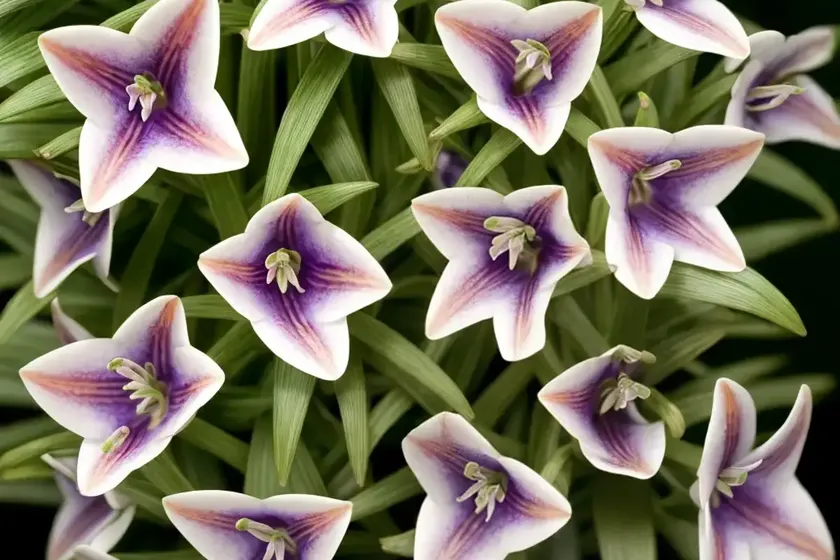
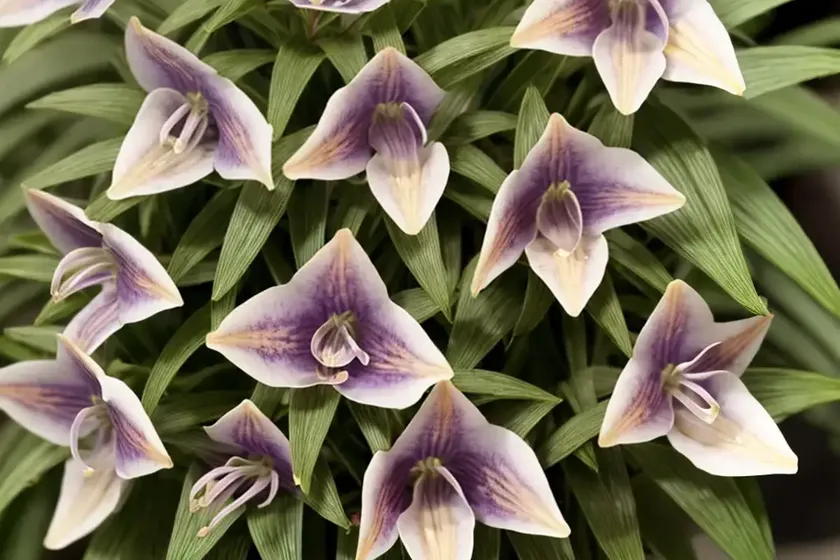
Native plants play a crucial role in maintaining the ecological balance of an area and are essential for promoting biodiversity. One such native gem of Ohio is the Ohio Spiderwort (Tradescantia ohiensis), a resilient and beautiful wildflower that adds a touch of natural elegance to the Ohio landscape. In this comprehensive guide, we will explore the various facets of Ohio Spiderwort, from its cultural significance to its ecological role and from its uses in landscaping to its role in promoting Ohio’s natural heritage.
What is Ohio Spiderwort (Tradescantia Ohiensis)?
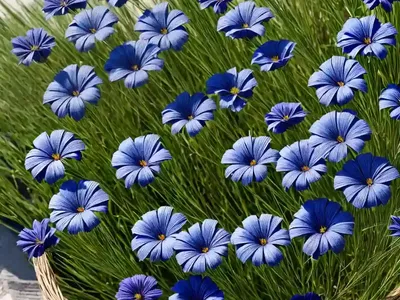
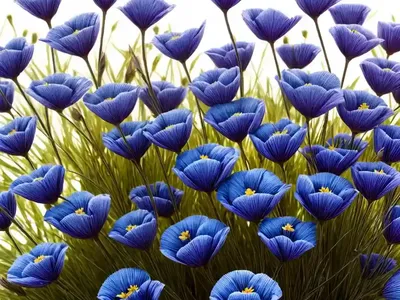
Ohio Spiderwort, scientifically known as Tradescantia ohiensis, is a perennial herbaceous plant belonging to the Commelinaceae family. This native wildflower is known for its striking blue to purple flowers and long, grass-like foliage. The plant is native to the eastern and central United States, including Ohio, where it thrives in prairies, woodlands, and along roadsides.
Key Takeaways – Ohio Spiderwort (Tradescantia Ohiensis)
Before delving into the details of the Ohio Spiderwort, let’s highlight some key takeaways:
- Common Name: Ohio Spiderwort
- Scientific Name: Tradescantia ohiensis
- Family: Commelinaceae
- Native Habitat: Ohio and eastern/central United States
- Characteristics: Striking blue to purple flowers, grass-like foliage
- Cultural Significance: Ornamental, ecological, and medicinal uses
- Ecological Role: Supports pollinators, serves as groundcover, and contributes to the native ecosystem
Now, let’s explore the various aspects of this fascinating plant in detail.
Culture
Uses
Ohio Spiderwort serves a range of cultural and ecological purposes, including:
- Ornamental Use: The attractive flowers and foliage of Ohio Spiderwort make it a desirable plant for landscaping and gardening purposes. It adds a touch of natural beauty to gardens and natural landscapes.
- Ecological Significance: Ohio Spiderwort plays a vital role in supporting pollinators, such as bees and butterflies, with its nectar-rich flowers. It also contributes to the native landscape by serving as groundcover in prairies and natural habitats.
- Medicinal Uses: Traditionally, certain Native American tribes used the root of the Spiderwort plant for its medicinal properties, particularly for its anti-inflammatory and diuretic qualities.
Water
Ohio Spiderwort is a relatively low-maintenance plant when it comes to water requirements. It thrives in well-drained soils and is moderately tolerant of drought once established. However, consistent moisture, particularly during the growing season, helps promote healthy foliage and flower production.
Sunlight
When it comes to sunlight, Ohio Spiderwort prefers to grow in partial to full sun. It thrives in open sunny areas but also tolerates light shade, making it an adaptable plant for various garden settings.
Fertilizer
Ohio Spiderwort generally does not have high fertilizer requirements. A light application of balanced, slow-release fertilizer in early spring can provide the necessary nutrients for healthy growth and blooming. However, excessive fertilization can lead to lush foliage at the expense of flower production.
Soil
The plant prefers well-drained soils with a slightly acidic to neutral pH. It can adapt to a range of soil types, including loamy, sandy, or clay soils, as long as they offer good drainage. Amending the soil with organic matter can further enhance its growth and resilience.
Pruning
Ohio Spiderwort is a low-maintenance plant that requires minimal pruning. Deadheading spent flowers can promote continuous blooming and prevent self-seeding, especially if naturalization is not desired in the garden. Additionally, removing damaged or yellowing foliage can help maintain the plant’s overall appearance.
Propagation
Propagation of Ohio Spiderwort can be achieved through division or seed sowing. Here’s a brief overview of each method:
- Division: In early spring or fall, mature clumps of Ohio Spiderwort can be divided, with each division containing healthy roots and shoots. These divisions can be replanted in desired locations to establish new plants.
- Seed Sowing: Ohio Spiderwort produces seed capsules containing numerous seeds. Collecting the seeds and sowing them in a prepared seedbed or container in fall can lead to the germination of new plants in the following spring.
Container Popularity
While Ohio Spiderwort is typically grown in garden beds and naturalized settings, it can also thrive in containers under the right conditions. The container should provide adequate depth for root development and excellent drainage to prevent waterlogging.
Common Diseases
Ohio Spiderwort is relatively resistant to diseases and pests, especially when grown in favorable conditions. However, it can occasionally face challenges such as:
- Fungal Diseases: Excessive moisture, poor air circulation, and crowded growth can make the plant susceptible to fungal diseases like leaf spot and powdery mildew.
- Root Rot: Overly wet or poorly-drained soils can lead to root rot, particularly in periods of prolonged rain or overwatering.
Disease Diagnosis
Diagnosing diseases in Ohio Spiderwort primarily involves observing changes in foliage color, texture, and overall plant vigor. It also requires paying attention to signs of fungal growth, spotting, or wilting. Timely action, including improving cultural conditions and using appropriate fungicidal treatments if needed, can help manage or prevent diseases.
Common Pests
While Ohio Spiderwort is relatively resistant to pests, it may occasionally encounter the following challenges:
- Aphids: These small, sap-sucking insects can infest the new growth and flower buds of Ohio Spiderwort, leading to distorted growth and the development of sooty mold.
- Spider Mites: Under hot and dry conditions, spider mites can colonize the undersides of leaves, causing stippling and webbing.
Botanist’s Tips
To promote the health and vitality of Ohio Spiderwort and minimize the impact of pests and diseases, consider the following tips:
- Cultural Practices: Provide optimal growing conditions, including well-drained soil, appropriate sunlight, and adequate air circulation to create an environment that promotes plant health.
- Regular Monitoring: Regularly inspect the plant for signs of pest infestations and diseases, particularly during periods of stress such as extreme weather conditions.
- Integrated Pest Management: Implement a holistic approach to pest management, including the use of beneficial insects, natural predators, and selective pesticide applications if necessary.
Fun Facts
- The genus name “Tradescantia” is in honor of John Tradescant, an English naturalist and gardener known for his botanical contributions.
- Ohio Spiderwort blooms in the morning and closes its flowers by the early afternoon, adding a touch of dynamic beauty to its presence in the garden.
Links to External Resources
For further exploration of Ohio Spiderwort and related topics, consider visiting the following resources:
By delving into the cultural, ecological, and horticultural aspects of Ohio Spiderwort (Tradescantia ohiensis), we gain a deeper appreciation for the role of native plants in our landscapes and natural ecosystems. From its ornamental beauty to its role in supporting pollinators and its resilience in various growing conditions, Ohio Spiderwort stands as a testament to the rich botanical heritage of Ohio and the broader region it calls home.
In cultivating an understanding and appreciation for native plants like Ohio Spiderwort, we contribute to the preservation of biodiversity, the promotion of sustainable landscapes, and the celebration of the natural splendor that surrounds us.
With its captivating flowers and unwavering resilience, Ohio Spiderwort serves as an ambassador for the native flora of Ohio, inviting us to explore, appreciate, and preserve the natural treasures that grace the Buckeye State.
In closing, let Ohio Spiderwort stand as a testament to the enduring beauty and ecological significance of native plants, inspiring us to cultivate a deeper connection with the natural world and the invaluable role of native flora in our lives.
Disclaimer: This article is meant for informational purposes only. It is important to verify the specific care requirements and attributes of plants in your region before proceeding with cultivation or landscaping activities.