Ocimum ‘African Blue’ (African Blue Basil)
In the world of culinary herbs, there are few plants as versatile and beloved as Ocimum ‘African Blue’, commonly known as African Blue Basil. This hearty.
Introduction
In the world of culinary herbs, there are few plants as versatile and beloved as Ocimum ‘African Blue’, commonly known as African Blue Basil. This hearty and fragrant herb has gained popularity in gardens and kitchens around the world due to its unique flavor, beautiful foliage, and various uses. In this comprehensive guide, we will delve into all aspects of this remarkable plant, from its cultivation and care to its culinary and medicinal applications.
What is Ocimum ‘African Blue’?
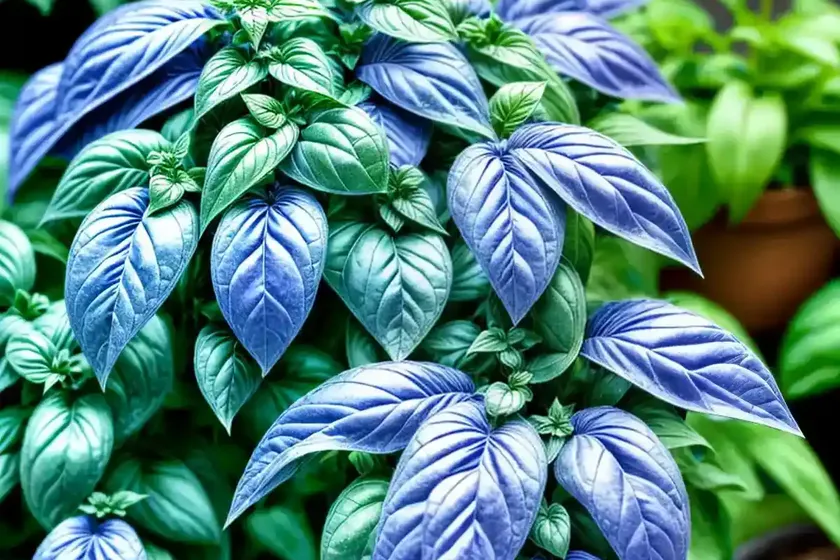
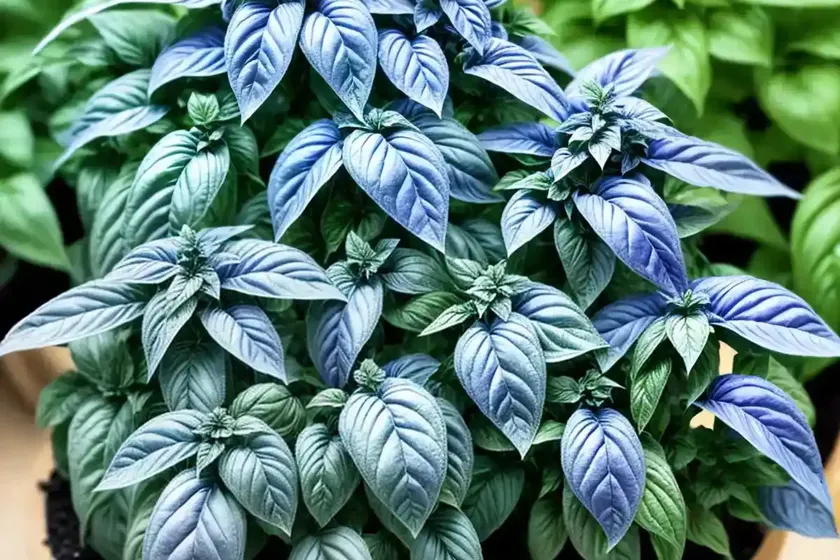
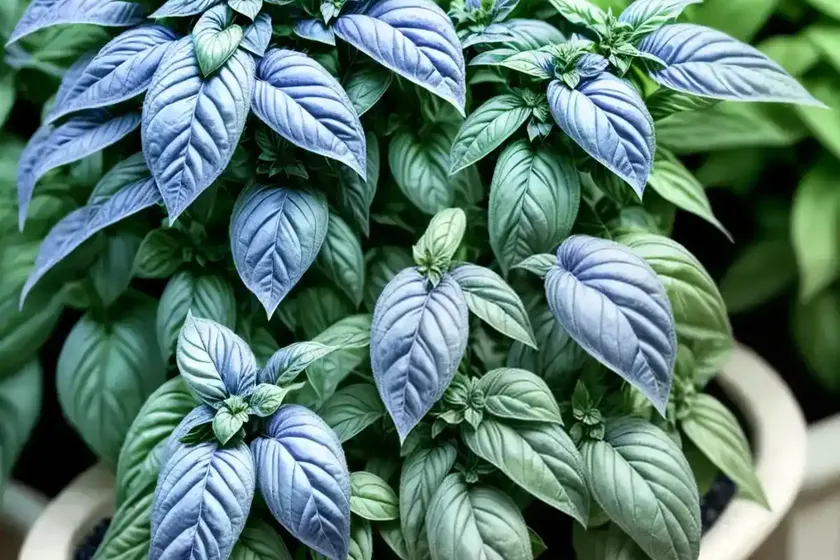
Ocimum ‘African Blue’ is a cultivar of basil, a member of the mint family (Lamiaceae), which is prized for its aromatic leaves and a wide array of uses in cooking, medicine, and ornamental gardening. This particular variety, also known as African Blue Basil, distinguishes itself through its striking purple-tinged stems, pink flowers, and a robust growth habit that sets it apart from other basil types.
Key Takeaways – Ocimum ‘African Blue’ (African Blue Basil)
Before we delve into the specifics of African Blue Basil, it’s important to highlight some key aspects and takeaway points about this remarkable plant:
- Cultivation: African Blue Basil requires well-drained soil and warm temperatures for optimal growth.
- Uses: This basil variety is widely used in cooking, herbal remedies, and fragrance gardens.
- Water: Proper watering is essential to maintain the health and vitality of African Blue Basil.
- Sunlight: Adequate sunlight exposure is crucial for the development of flavorful leaves.
- Fertilizer: A balanced fertilizer can support the growth and productivity of African Blue Basil.
- Soil: Well-drained, nutrient-rich soil is pivotal for the health of this basil variety.
- Pruning: Regular pruning helps maintain the bushy growth and flavor of the plant.
- Propagation: African Blue Basil can be propagated through stem cuttings or seeds.
- Container Popularity: It is well-suited for container gardening due to its compact growth habit.
- Common Diseases: African Blue Basil is susceptible to certain fungal diseases.
- Common Pests: Pests like aphids and caterpillars can pose a threat to the plant’s well-being.
Culture of Ocimum ‘African Blue’
Uses
African Blue Basil is renowned for its diverse array of uses, making it a valuable addition to culinary, medicinal, and ornamental settings. Here are some of the key uses of this versatile plant:
-
Culinary Uses: The leaves of African Blue Basil are commonly used in a variety of dishes, including salads, soups, sauces, and meat marinades. Its robust flavor with hints of licorice and cloves makes it a preferred choice for many chefs and home cooks.
-
Medicinal Applications: In traditional medicine, African Blue Basil has been used for its purported medicinal properties, including anti-inflammatory and antioxidant effects. It is also utilized in herbal teas and remedies due to its aromatic and therapeutic qualities.
-
Fragrance Gardens: The aromatic foliage and delicate pink flowers make African Blue Basil a captivating addition to fragrance gardens, where its pleasant scent can be appreciated by garden visitors and pollinators alike.
Water
Proper watering is crucial to the health and vigor of African Blue Basil. As with most herbs, overwatering can lead to root rot and other complications, while underwatering can result in wilting and diminished flavor. Here are some key points to consider when watering African Blue Basil:
-
Frequency: Water the plant when the top inch of the soil feels dry to the touch. During hot and dry periods, more frequent watering may be necessary.
-
Watering Technique: Water the soil around the base of the plant, aiming to keep the foliage dry to minimize the risk of fungal diseases.
-
Container Considerations: If African Blue Basil is grown in a container, ensure that it has drainage holes to prevent waterlogging.
Sunlight
Adequate sunlight is essential for the growth, flavor, and essential oil production of African Blue Basil. When selecting a location for planting, consider the following sunlight requirements:
-
Full Sun: African Blue Basil thrives in full sun, receiving a minimum of 6-8 hours of direct sunlight per day. In regions with intense heat, some afternoon shade may be beneficial.
-
Container Cultivation: If grown in containers, place the pots in a sunny location or on a patio where they can receive ample sunlight.
Fertilizer
While African Blue Basil is relatively undemanding, providing a balanced fertilizer can support its growth and productivity. Here are some fertilizer guidelines to consider:
-
Timing: Apply a slow-release or liquid fertilizer once a month during the growing season, typically from spring to early fall.
-
Type of Fertilizer: Choose a balanced, all-purpose fertilizer with an N-P-K ratio of 10-10-10 or similar. Organic options such as compost and well-decomposed manure can also be used.
-
Application: Apply the fertilizer according to the manufacturer’s instructions, and water the plant afterward to ensure that the nutrients are properly distributed in the soil.
Soil
The right soil conditions are vital for the health and development of African Blue Basil. Consider the following guidelines for soil preparation and maintenance:
-
Well-Drained Soil: African Blue Basil thrives in well-drained soil with good aeration. Consider adding organic matter or perlite to improve drainage in heavy or compacted soils.
-
pH Level: Aim for a slightly acidic to neutral soil pH ranging from 6.0 to 7.5. Conduct a soil test if necessary to determine the pH and nutrient levels of the soil.
-
Moisture Retention: While good drainage is important, the soil should also retain enough moisture to sustain the plant between watering sessions.
Pruning and Propagation
Pruning
Regular pruning is essential to maintain the bushy and compact growth habit of African Blue Basil. Additionally, pruning helps to enhance the flavor and aroma of the leaves. Follow these pruning techniques for optimal results:
-
Pinching: Pinch off the stem tips and flower buds regularly to encourage lateral growth and prevent the plant from becoming leggy.
-
Harvesting: Regularly harvest mature leaves by snipping them off just above a pair of leaves. This encourages the growth of new foliage and prevents the plant from bolting.
-
Pruning Frequency: Prune African Blue Basil as needed throughout the growing season to keep the plant in shape and ensure a bountiful harvest.
Propagation
African Blue Basil can be propagated through both stem cuttings and seeds, offering gardeners multiple options for increasing their plant stock. Here are the common propagation methods for African Blue Basil:
-
Stem Cuttings: Take 4-6 inch cuttings from healthy, non-flowering stems, remove the lower leaves, and place them in a container with water or moist potting mix. Once rooted, transplant the cuttings into individual pots or the garden.
-
Seed Propagation: Collect seeds from mature African Blue Basil plants and sow them in well-prepared seed-starting mix indoors. Keep the soil consistently moist and provide warmth for successful germination. Transplant the seedlings outdoors after the last frost date.
Container Cultivation
African Blue Basil is particularly well-suited for container gardening due to its compact growth habit and ornamental appeal. Whether you have limited outdoor space or simply want to keep this herb close at hand, growing it in containers can be a rewarding experience. Here are some key considerations for growing African Blue Basil in containers:
-
Container Size: Select a container that is at least 12 inches in diameter and has drainage holes to prevent waterlogging.
-
Potting Mix: Use a well-draining, high-quality potting mix with added organic matter to support healthy growth.
-
Placement: Position the containers in a sunny location with at least 6-8 hours of direct sunlight per day.
-
Watering and Fertilizing: Container-grown plants may require more frequent watering and occasional fertilization to support their growth in the confined space.
Common Diseases and Pests
Disease Diagnosis
African Blue Basil is susceptible to certain fungal diseases that can affect its overall health and vigor. Recognizing and addressing these diseases early on is crucial for preventing widespread damage. Here are some common diseases that may affect African Blue Basil:
-
Downy Mildew: Identified by grayish-white fuzzy patches on the undersides of leaves, downy mildew can cause leaf yellowing and defoliation if left untreated.
-
Fusarium Wilt: This soil-borne disease can lead to wilting, yellowing, and stunted growth in affected plants. The vascular tissues may also show signs of discoloration.
-
Botrytis Rot: Also known as gray mold, this fungal disease can cause water-soaked lesions on the plant’s stems and leaves, ultimately leading to decay.
Common Pests
In addition to diseases, African Blue Basil may also fall prey to various pests that can compromise its health and productivity. Here are some common pests to watch out for:
-
Aphids: These tiny, soft-bodied insects can cluster on the tender new growth of African Blue Basil, causing distortion of the leaves and the secretions of sticky honeydew.
-
Spider Mites: Spider mites are common pests that feed on the undersides of leaves, causing stippling, webbing, and overall decline in plant health.
-
Caterpillars: Certain caterpillar species may feed on the leaves of African Blue Basil, leading to unsightly foliage and reduced plant vigor.
Botanist’s Tips
As a plant scientist with a passion for Ocimum ‘African Blue’, I have accumulated several tips and recommendations to ensure the successful cultivation and enjoyment of this remarkable herb. Here are some insights and suggestions to help you make the most of your African Blue Basil plants:
-
Companion Planting: Consider interplanting African Blue Basil with other herbs, such as parsley, chives, and thyme, to create diverse and mutually beneficial garden ecosystems.
-
Harvesting and Storage: To maximize the flavor and longevity of African Blue Basil leaves, harvest them in the morning when the essential oil content is at its peak. Store the harvested leaves in a cool, dry place or freeze them for future use.
-
Integrated Pest Management: Implement integrated pest management techniques, such as hand-picking pests, using insecticidal soaps, and fostering beneficial insect populations, to minimize pest damage without resorting to harsh chemicals.
Fun Facts about Ocimum ‘African Blue’
To further appreciate the allure and significance of African Blue Basil, here are some intriguing and lesser-known facts about this unique plant:
-
Culinary Traditions: In some cultures, African Blue Basil is utilized in traditional dishes and ceremonial feasts, adding a distinct flavor and aroma to the cuisine.
-
Fragrance Production: The fragrant leaves and flowers of African Blue Basil are often utilized in potpourri, herbal sachets, and scented crafts, adding a delightful touch to indoor spaces.
-
Pollinator Attraction: The nectar-rich flowers of African Blue Basil attract pollinators such as bees, butterflies, and hummingbirds, contributing to the biodiversity of the garden ecosystem.
Links to External Resources
To further your understanding of Ocimum ‘African Blue’ and expand your knowledge and expertise in cultivating this exceptional herb, consider exploring the following external resources:
- African Blue Basil: Growing and Harvesting Guide
- Culinary Uses of African Blue Basil
- Medicinal Properties of Basil
- Companion Planting for Herbs
In conclusion, Ocimum ‘African Blue’ (African Blue Basil) stands out as an exceptional and multifaceted herb that offers a wealth of benefits to gardeners, cooks, and herbal enthusiasts. By following the guidelines and recommendations outlined in this comprehensive guide, you can successfully cultivate, utilize, and appreciate the remarkable attributes of African Blue Basil in your own garden and kitchen.
Remember, the journey of exploring and nurturing this captivating plant is filled with discovery, aroma, and the savory delights of fresh, home-grown herbs.
Happy gardening and happy cooking!
Note: The information and recommendations provided in this guide are based on scientific and horticultural knowledge, and individual experiences with growing African Blue Basil may vary based on local climate, soil conditions, and other environmental factors.


