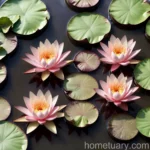
Nymphaea Colorata (Tropical Water Lily): A Comprehensive Guide
Nymphaea colorata, commonly known as the tropical water lily, is a stunning aquatic plant that graces water gardens with its colorful and exotic blooms. This plant holds significant cultural and ecological importance and is cherished by gardeners and nature enthusiasts worldwide for its beauty and symbolism. In this comprehensive guide, we will delve into the intricate details of Nymphaea colorata, providing valuable insights into its culture, uses, care requirements, and much more. Whether you are a seasoned water garden aficionado or a budding enthusiast, this guide will equip you with the knowledge and expertise needed to cultivate and appreciate the captivating allure of the tropical water lily.
What is Nymphaea Colorata (Tropical Water Lily)?
Nymphaea colorata, a member of the Nymphaeaceae family, is a species of water lily native to various regions in Asia, including India and Sri Lanka. With its strikingly vibrant blooms and distinctive floating leaves, this aquatic plant has captured the fascination of botanists, gardeners, and artists for centuries. The name “Nymphaea” is derived from the Greek word “nymph,” signifying a water deity or spirit, while “colorata” refers to its vividly colored flowers, encapsulating the essence of this exquisite botanical marvel.
Nymphaea colorata is renowned for its aquatic habitat, where it thrives in nutrient-rich waters, adorning ponds, lakes, and slow-moving streams with its resplendent presence. The species exhibits remarkable adaptability to various water conditions, making it a versatile addition to both natural and man-made aquatic environments. Its intricate blooms and foliage attract a diverse array of wildlife, enriching the ecological fabric of its surroundings.
Key Takeaways – Nymphaea Colorata (Tropical Water Lily)
Before delving into the specific aspects of Nymphaea colorata, let’s outline the key takeaways that will guide our exploration of this captivating aquatic plant:
- Scientific Name: Nymphaea colorata
- Common Name: Tropical Water Lily
- Family: Nymphaeaceae
- Native Habitat: Asia, including India and Sri Lanka
- Key Features: Vibrant blooms, floating leaves
- Cultural Significance: Symbolism, aesthetic value
- Ecological Role: Habitat provision, wildlife attraction
- Cultivation: Water gardens, ponds, aquatic containers
The following sections will provide a comprehensive overview of the culture, uses, care requirements, and ecological significance of Nymphaea colorata, enabling you to cultivate, appreciate, and harness the full potential of this enchanting aquatic species.
Culture
Habitat and Natural Range
Nymphaea colorata is indigenous to a wide expanse of Asia, particularly thriving in the freshwater habitats of India and Sri Lanka. The species is adept at inhabiting various aquatic environments, including ponds, marshes, and shallow streams with slow-moving or still waters. Its distribution across these regions underscores its adaptability to tropical climates, where it flourishes amidst the lush, verdant landscapes, adorning the water’s surface with its resplendent blooms.
Symbolism and Cultural Significance
Tropical water lilies have held profound symbolism and cultural significance across diverse societies and civilizations. In many cultures, water lilies are emblematic of purity, enlightenment, and spiritual rejuvenation. The intrinsic beauty and serenity exuded by the blooms have inspired artists, poets, and philosophers, serving as an enduring muse for creative expression and contemplation.
In addition to their symbolic resonance, water lilies have been utilized for various practical and ceremonial purposes. From ornamental adornments in cultural festivals to medicinal remedies in traditional pharmacopoeias, the tropical water lily has left an indelible mark on the cultural tapestry of its native regions, transcending mere botanical significance to become an integral part of human heritage.
Aesthetic and Ecological Value
Beyond their cultural symbolism, tropical water lilies hold immense aesthetic and ecological value. In water gardens and natural aquatic settings, these luminous blooms bestow a touch of elegance and tranquility, elevating the visual appeal of their surroundings. Moreover, the floating leaves and intricate root systems of Nymphaea colorata provide vital habitat and refuge for aquatic organisms, fostering biodiversity and ecological balance within freshwater ecosystems.
The enduring allure of tropical water lilies lies in their ability to harmonize beauty and ecological functionality, offering a compelling testament to the seamless integration of nature’s aesthetics and practicality.
Varieties and Color Palette
Nymphaea colorata exhibits a stunning array of varieties, each distinguished by unique colorations, patterns, and bloom sizes. The captivating hues of tropical water lily blooms encompass a vibrant palette of shades, ranging from radiant pinks and purples to creamy whites and radiant yellows. This diverse spectrum of colors not only enriches the visual landscape of water gardens but also exemplifies the species’ remarkable genetic diversity and adaptability to different growing conditions.
Medicinal and Therapeutic Properties
While primarily celebrated for their ornamental allure, tropical water lilies have also been acknowledged for their medicinal and therapeutic properties in traditional systems of medicine. Various parts of the plant, including the leaves, flowers, and rhizomes, have been utilized in herbal remedies for ailments ranging from skin disorders to digestive disturbances. The presence of bioactive compounds and phytochemicals within the plant has piqued the interest of modern scientific research, unveiling the potential pharmacological benefits of Nymphaea colorata in complementary and alternative medicine.
Uses
Ornamental Gardening
One of the foremost uses of Nymphaea colorata lies in ornamental gardening, where the species serves as a captivating centerpiece in water features, ponds, and aquatic landscapes. The enchanting blooms and expansive leaves of the tropical water lily impart a touch of elegance and vibrancy to garden settings, creating a serene and picturesque ambiance. Gardening enthusiasts and landscape designers often incorporate tropical water lilies into their designs to introduce a captivating aquatic element and infuse naturalistic charm into the outdoor environment.
Aquatic Habitat Enhancement
Beyond their ornamental appeal, tropical water lilies play a pivotal role in enhancing aquatic habitats and ecological landscapes. The dense foliage and floating leaves of Nymphaea colorata provide shelter and nesting sites for aquatic organisms, contributing to the ecological complexity and biodiversity of freshwater ecosystems. By creating optimal conditions for fish, amphibians, and invertebrates, these aquatic plants foster a thriving habitat that sustains and enriches the natural balance of aquatic environments.
Traditional and Cultural Practices
In several cultures and traditions, tropical water lilies are integrated into ceremonial practices, religious rituals, and artistic expressions. Whether adorning sacred ponds and water bodies in religious ceremonies or inspiring painters and poets with their ethereal beauty, these botanical wonders transcend their botanical identity to become envoys of cultural heritage and spiritual significance. Furthermore, the utilization of water lily extracts and derivatives in traditional medicine underscores their historical and practical value in indigenous healing practices.
Water
Water Quality and Purity
Nymphaea colorata exhibits a preference for clean, well-oxygenated waters with minimal pollution and nutrient enrichment. The species thrives in environments with high water quality, free from contaminants and excessive algal growth. To ensure the optimal growth and vitality of tropical water lilies, it is essential to maintain pristine water conditions, mitigating the impact of pollutants, sedimentation, and nutrient run-off that can impede the overall health of aquatic ecosystems.
Water Depth and Circulation
The cultivation of Nymphaea colorata necessitates attention to water depth and circulation within the aquatic environment. Tropical water lilies thrive in shallow waters, typically ranging from 6 inches to 18 inches in depth, allowing their rhizomes to anchor in the substrate while enabling the foliage and blooms to emerge gracefully on the water’s surface. Adequate water circulation, whether natural or facilitated through the use of aquatic pumps or features, plays a significant role in maintaining oxygen levels and preventing stagnation, fostering an optimal growing environment for the plants.
Water Temperature and Seasonal Variability
The temperature of the water exerts a notable influence on the growth and blooming patterns of Nymphaea colorata. These tropical water lilies exhibit a preference for moderately warm water temperatures, typically ranging from 70°F to 85°F (21°C to 29°C) during the active growing season. During colder periods, it is imperative to safeguard the plants from excessively low temperatures, as prolonged exposure to cold water can inhibit growth and potentially compromise the overall health of the plants. Therefore, vigilance in monitoring and regulating water temperature is crucial for ensuring the robust vitality of tropical water lilies throughout the varying seasons.
Sunlight
Light Requirements
As heliophilic species, Nymphaea colorata relies on ample sunlight to fuel photosynthesis and sustain its growth and blooming cycles. Ideally, tropical water lilies thrive in full sunlight, basking in at least 6 to 8 hours of direct sunlight each day. Adequate exposure to sunlight not only facilitates robust vegetative growth but also promotes prolific blooming, allowing the plants to unleash their full splendor and ornamental charm. In environments where natural sunlight may be limited, supplemental lighting or careful site selection can help meet the species’ light requirements, ensuring optimal performance and visual appeal.
Photoperiod Management
The management of photoperiod – the duration of light and darkness to which the plants are exposed – is a critical factor in regulating the blooming behavior of Nymphaea colorata. In their natural habitat, tropical water lilies exhibit a proclivity for blooming during daylight hours and retracting their blooms during the nighttime. Mimicking this natural photoperiod through appropriate lighting schedules in cultivated environments can help synchronize and enhance the blooming season of the plants, allowing gardeners to orchestrate a visually captivating display of floral splendor.
Fertilizer
Nutrient Requirements
Tropical water lilies are discerning in their nutrient requirements, necessitating a balanced supply of essential macro and micronutrients to fuel their growth and flowering capabilities. Nitrogen, phosphorus, and potassium (N-P-K) are pivotal macronutrients that govern the fundamental metabolic processes within the plants, influencing vegetative vigor, bloom production, and overall vitality. Furthermore, the uptake of micronutrients, such as iron, manganese, and zinc, is essential for sustaining healthy foliage coloration and mitigating the onset of nutrient deficiencies that can impair the plants’ aesthetics and resilience.
Fertilization Strategies
Fertilization practices for Nymphaea colorata should be tailored to suit the specific needs and conditions of aquatic environments. Water-soluble fertilizers formulated for aquatic plants can be administered at regular intervals throughout the growing season, ensuring a steady and regulated supply of nutrients to sustain the plants’ vigor and aesthetics. Slow-release fertilizer pellets or tablets specially designed for water lilies offer a convenient and sustained nutrient release, effectively nourishing the plants while minimizing the risk of over-fertilization and adverse environmental impacts.
Nutrient Imbalance and Algal Overgrowth
Cognizance of nutrient imbalances and the potential for algal overgrowth is indispensable in the context of tropical water lily cultivation. Excessive nutrient enrichment, particularly in the form of nitrogen and phosphorus, can precipitate algal blooms and eutrophication, compromising water quality and inhibiting the growth and aesthetic appeal of aquatic plants. Prudent fertilization practices, coupled with regular monitoring of water chemistry and algae levels, can help mitigate the risks associated with nutrient imbalances, preserving the health and clarity of the aquatic ecosystem while nourishing the tropical water lilies.
Soil
Growing Medium and Anchorage
The substrate and growing medium for Nymphaea colorata play a pivotal role in providing anchorage and sustenance for the plants’ growth and propagation. In their natural habitat, tropical water lilies root themselves in muddy or silty substrates, utilizing their rhizomes to anchor securely while absorbing nutrients from the sediment. In cultivated environments, specialty aquatic planting soil or loamy substrates rich in organic matter are recommended for providing a supportive and nurturing medium for the plants, facilitating robust root development and anchorage amidst the aquatic environment.
Soil Composition and Texture
The ideal soil composition for tropical water lilies should be loose, friable, and well-draining, allowing for adequate root aeration and minimizing the risk of waterlogged conditions. A balanced blend of loam, peat, and sand can furnish an optimal growing medium, affording the plants access to vital nutrients and oxygen while preventing the onset of soil compaction or anaerobic conditions that can impede the plants’ health. The texture and structure of the soil should strike a harmonious balance between water retention and drainage, fostering an environment conducive to the proliferous growth and vitality of Nymphaea colorata.
Pruning
Bloom Maintenance and Pruning Techniques
Pruning and bloom maintenance are integral aspects of tropical water lily care, essential for optimizing floral displays, managing excessive vegetative growth, and ensuring the plants’ long-term health. As blooms reach the conclusion of their life cycles, deadheading – the removal of spent blooms – can promote continuous flowering and prevent seed production, redirecting the plants’ energy towards prolific bloom production. Additionally, the periodic pruning of aging or excess foliage can help prevent overcrowding, fostering better air circulation and light penetration while maintaining an aesthetically pleasing and healthy growth habit for the plants.
Rhizome Division and Propagation
The propagation of Nymphaea colorata often involves rhizome division, an effective technique for expanding plantings and rejuvenating older specimens. In the process of rhizome division, the parent rhizome is carefully separated into sections, each comprising viable growth points and root structures. These divided segments can be replanted in suitable growing environments, allowing the establishment of new plantings or revitalizing existing ones through the propagation of genetically identical offspring. Rhizome division not only facilitates the expansion of plantings but also engenders the renewal and rejuvenation of tropical water lilies, invigorating their growth and vitality.
Propagation
Division and Offsets
As mentioned earlier, division and separation of rhizomes represent a primary method of propagating Nymphaea colorata. When dividing the rhizomes, it is essential to ensure that each segment possesses viable growing points and root structures, enabling them to establish themselves in new planting sites and initiate robust vegetative growth. Rhizome offsets, characterized by budding growth points and root systems, can also serve as potential propagation units, fostering the expansion of planting stock and the cultivation of new plantings from these progeny.
Seed Propagation
While less commonly employed than rhizome division, seed propagation offers an alternative method for fostering new genetic variations and expanding the diversity of tropical water lilies. The collection and sowing of mature seeds, obtained from pollinated blooms, can yield unique progeny with varied traits and colorations, enriching the repertoire of Nymphaea colorata varieties available to enthusiasts and horticulturists. Seed propagation entails considerations related to germination conditions, light exposure, and temperature regulation to optimize the establishment and growth of seedlings, paving the way for the introduction of novel genetic strains and cultivars within the species.
Container Cultivation
Container Selection and Design
The cultivation of Nymphaea colorata in containers presents an exciting opportunity to extend the beauty and allure of tropical water lilies to diverse settings, including patios, balconies, and smaller water features. When selecting containers for aquatic plantings, it is imperative to choose spacious receptacles with sufficient depth, enabling the plants’ rhizomes to anchor and establish themselves comfortably while accommodating the growth and extension of their foliage and blooms. Additionally, containers with sturdy construction and weather-resistant materials are essential for withstanding the aquatic environment and supporting the exuberant growth of tropical water lilies.
Container Placement and Water Management
Strategic placement of containers in locations with ample sunlight and favorable environmental conditions is crucial for promoting the flourishing growth and blooming of Nymphaea colorata. Adequate exposure to sunlight, coupled with regulated water depths and high water quality, are essential components of successful container cultivation, ensuring that the plants receive the requisite resources and environmental stimuli to thrive. Moreover, vigilant water management, including regular monitoring of water levels, nutrient supplementation, and water quality assessment, is indispensable for sustaining the health and vitality of tropical water lilies within the confines of containers.
Popularity
Horticultural Appeal and Market Demand
Nymphaea colorata enjoys widespread popularity and horticultural appeal owing to its resplendent blooms, ornamental foliage, and adaptability to diverse aquatic settings. The captivating allure of tropical water lilies has garnered significant demand in the ornamental plant market, where gardening enthusiasts, landscape designers, and water garden aficionados seek to incorporate these botanical wonders into their outdoor spaces and aquatic features. The versatility of Nymphaea colorata in both naturalistic ponds and container gardens has further broadened its appeal among individuals seeking to integrate the beauty of aquatic plants into their home and garden environments.
Cultural and Artistic Significance
Beyond its horticultural significance, the tropical water lily holds a prominent place in artistic expressions, cultural traditions, and botanical illustrations. Artists, photographers, and writers often draw inspiration from the ethereal beauty and poetic allure of Nymphaea colorata, capturing and immortalizing its enchanting splendor in myriad forms of creative media. Moreover, the cultural and allegorical symbolism associated with tropical water lilies transcends the boundaries of horticulture, resonating with individuals who recognize and appreciate the profound interplay between nature, art, and human consciousness.
Common Diseases
Fungal Pathogens
Nymphaea colorata is susceptible to various fungal pathogens that can manifest as leaf spots, stem rots, or blights, compromising the vigor and aesthetics of the plants. Fungal infections often proliferate under conditions of high humidity, poor air circulation, and prolonged leaf wetness, necessitating proactive measures to minimize environmental triggers and mitigate the onset of diseases. Phytophthora and Pythium species are among the common fungal pathogens that can afflict tropical water lilies, necessitating careful monitoring and management to curb their impact and prevent the spread of infections.
Bacterial Diseases
Bacterial diseases, such as bacterial leaf spot and soft rot, pose potential threats to the health and longevity of Nymphaea colorata, triggering symptoms of leaf browning, leaf lesions, and tissue necrosis. These diseases are often incited by excessive moisture, poor sanitation, and mechanical injuries, underscoring the importance of practicing good cultural and hygiene practices to mitigate the risk of bacterial infections. Implementing proper watering techniques, maintaining clean water sources, and promptly removing and discarding infected plant material are essential strategies for averting bacterial diseases and preserving the wellbeing of tropical water lilies.
Viral Pathogens
Although less common than fungal and bacterial diseases, viral pathogens can afflict tropical water lilies, inducing symptoms such as mottling, distortion, and stunting of foliage. Viral diseases are often transmitted through vectors such as aphids or infected propagation materials, necessitating stringent measures to prevent the ingress and spread of viral pathogens within cultivated environments. As there are limited treatment options for viral diseases once plants are infected, emphasis should be placed on exclusionary practices, vector control, and the utilization of disease-free planting stock to circumvent the introduction of viral pathogens to Nymphaea colorata.
Disease Diagnosis
Symptomatic Evaluation
The diagnosis of diseases in Nymphaea colorata involves a systematic evaluation of symptomatic manifestations, including leaf discoloration, necrotic lesions, and abnormal growth patterns. Accurate identification of disease symptoms and signs is paramount for distinguishing between fungal, bacterial, and viral pathogens