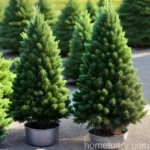
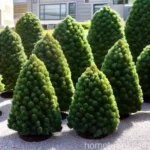
The Marvelous Norway Spruce (Picea abies ‘Clanbrassiliana Stricta’)
Plants are fascinating organisms that contribute immensely to the ecological balance of our planet. Among these, trees hold a special place due to their longevity, variety, and the plethora of benefits they offer. One such remarkable tree is the Norway spruce, scientifically known as Picea abies ‘Clanbrassiliana Stricta’. In this comprehensive guide, we will explore the world of Norway spruce, its characteristics, care requirements, uses, and much more.
What is a Plant: Norway Spruce (Picea abies ‘Clanbrassiliana Stricta’)
Norway spruce, a member of the Pinaceae family, is a coniferous tree that originates from Europe and is widely cultivated around the world. The cultivar ‘Clanbrassiliana Stricta’ is a popular variety known for its narrow, upright form and dense, attractive foliage. With its elegant appearance and versatile uses, it has become a favorite in landscapes, gardens, and forestry.
Key Takeaways – Norway Spruce (Picea abies ‘Clanbrassiliana Stricta’)
Before diving into the details, let’s highlight some key takeaways about the Norway spruce ‘Clanbrassiliana Stricta’ that we will explore in this guide:
- Plant Name: Norway Spruce (Picea abies ‘Clanbrassiliana Stricta’)
- Common Names: Clanbrassiliana spruce, Stricta Norway spruce
- Scientific Name: Picea abies ‘Clanbrassiliana Stricta’
- Family: Pinaceae
- Type: Coniferous tree
- Growth Form: Narrow, upright
- Foliage: Dense and attractive
- Uses: Landscaping, forestry, gardens
- Attributes: Elegant form, adaptable
Now that we have a basic understanding of the Norway spruce ‘Clanbrassiliana Stricta’, let’s delve into the specifics of its culture, care, uses, and interesting facts.
Culture
Understanding the cultural requirements of the Norway spruce ‘Clanbrassiliana Stricta’ is essential for its successful growth and development. From water and sunlight needs to soil and fertilizer preferences, optimal cultural practices contribute to the overall health and vigor of this magnificent tree.
Water
Proper watering is crucial for the sustained growth and vitality of Norway spruce trees. While they are relatively adaptable to different moisture levels, ensuring adequate water supply, especially during dry periods, promotes healthy foliage and root development.
Watering Guidelines
- Young Trees: Newly planted Norway spruce trees require regular watering, especially during the first growing season, to establish a strong root system. Adequate moisture should be maintained without waterlogged conditions.
- Established Trees: Mature Norway spruce trees are moderately drought-tolerant but benefit from supplemental watering during prolonged dry spells. Deep watering to moisten the entire root zone is preferable over frequent shallow watering.
To determine the need for watering, periodic soil moisture checks can be conducted. Well-draining soil that retains moisture without becoming waterlogged is ideal for the optimal growth of Norway spruce.
Sunlight
Norway spruce ‘Clanbrassiliana Stricta’ thrives in locations with ample sunlight, although it can tolerate partial shade under certain conditions. Providing the right amount of sunlight ensures vibrant foliage and robust growth, contributing to the tree’s overall appearance and health.
Sunlight Recommendations
- Full Sun: Ideally, Norway spruce trees should be planted in areas with full sunlight exposure to promote dense, healthy foliage and compact growth.
- Partial Shade: While tolerant of partial shade, especially in regions with intense heat, it is advisable to provide at least 4-6 hours of direct sunlight for optimal growth.
Understanding the sunlight requirements of Norway spruce trees aids in selecting suitable planting locations and optimizing their growing conditions.
Fertilizer
Proper nutrition is pivotal for the sustained vitality and vigor of Norway spruce ‘Clanbrassiliana Stricta’. Appropriate fertilization supports robust growth and enhances the tree’s resistance to environmental stressors, contributing to its overall health and appearance.
Fertilization Guidelines
- Timing: Fertilize Norway spruce trees in early spring before the onset of new growth to provide essential nutrients for the upcoming growing season.
- Fertilizer Type: A balanced, slow-release fertilizer formulated for coniferous trees is suitable for Norway spruce. Ensure that the fertilizer contains essential macronutrients and micronutrients required for healthy growth.
- Application Method: Apply the fertilizer evenly in the root zone, avoiding direct contact with the trunk. Water the tree thoroughly after fertilization to facilitate nutrient uptake.
Regular soil testing can assist in determining the specific nutritional requirements of Norway spruce ‘Clanbrassiliana Stricta’ and guide the application of appropriate fertilizers to maintain optimal growth and vigor.
Soil
Choosing the right soil and ensuring proper soil conditions are vital for the successful cultivation of Norway spruce trees. The soil type, pH level, and drainage characteristics directly impact the tree’s growth, root development, and overall health.
Soil Preferences
- Type: Well-draining, loamy soil with good moisture retention is ideal for Norway spruce trees. Heavy clay soils should be amended with organic matter to improve drainage and aeration.
- pH Level: Slightly acidic to neutral soil with a pH range of 5.5 to 7.5 is suitable for Norway spruce. Soil pH testing can help determine the need for amendments to achieve optimal conditions.
- Drainage: Avoid waterlogged or poorly drained soils, as they can lead to root rot and other moisture-related issues. Proper soil drainage is essential for the health of Norway spruce trees.
Conducting a thorough soil analysis and preparing the planting site with suitable soil amendments significantly contributes to the long-term success of Norway spruce ‘Clanbrassiliana Stricta’.
Pruning
Pruning plays a crucial role in shaping the growth habit, maintaining the desired form, and promoting overall health and vigor in Norway spruce trees. Proper pruning practices can enhance the tree’s aesthetic appeal while also addressing any structural or growth-related concerns.
Pruning Guidelines
- Timing: Prune Norway spruce trees during the dormant season in late winter or early spring to minimize stress and allow for rapid recovery.
- Objective: The primary objectives of pruning Norway spruce ‘Clanbrassiliana Stricta’ include removing dead, damaged, or diseased branches, shaping the tree to maintain its upright form, and thinning to improve light penetration and airflow within the canopy.
- Techniques: Use clean, sharp pruning tools to make precise cuts, avoiding unnecessary injury to the tree. Remove any competing or crossing branches to maintain a well-spaced, structured canopy.
Regular monitoring and selective pruning contribute to the structural integrity, health, and aesthetic appeal of Norway spruce trees, ensuring their long-term vitality in the landscape.
Propagation
Propagating Norway spruce ‘Clanbrassiliana Stricta’ allows for the expansion of its presence in gardens, landscapes, and forestry settings. Understanding the preferred propagation methods and exploring the potential challenges aids in successfully propagating this captivating conifer.
Propagation Methods
- Seed Propagation: Propagating Norway spruce from seeds requires careful collection, storage, and sowing. Stratification, a cold treatment to break seed dormancy, is necessary for successful germination.
- Cuttings: Softwood or semi-hardwood cuttings can be utilized for vegetative propagation of Norway spruce. Rooting hormone application and optimal environmental conditions support the development of new plants from cuttings.
Successfully propagating Norway spruce ‘Clanbrassiliana Stricta’ through seeds or cuttings calls for attention to detail, patience, and adherence to recommended propagation techniques.
Container Popularity
The compact, upright form of Norway spruce ‘Clanbrassiliana Stricta’ contributes to its popularity as a container plant. Its elegant appearance and adaptability to container culture make it a favored choice for diverse outdoor and indoor settings.
Container Considerations
- Selection: Choose deep, sturdy containers with ample drainage holes to accommodate the root system and promote proper soil aeration and moisture balance.
- Soil: Utilize well-draining potting mixes tailored for coniferous plants to ensure optimal root development and growth in containers.
- Placement: Position containers in areas with adequate sunlight exposure, and ensure regular monitoring of moisture levels to prevent water stress.
Convenient for small gardens, patios, and urban landscapes, container-grown Norway spruce ‘Clanbrassiliana Stricta’ offers versatility and ornamental value in limited space.
Common Diseases
Understanding common diseases that affect Norway spruce ‘Clanbrassiliana Stricta’ is vital for proactive management and the maintenance of tree health. Recognizing the symptoms and implementing appropriate control measures is essential for disease prevention and mitigation.
Disease Diagnosis
- Needle Cast: Fungal diseases such as Rhizosphaera needle cast and Stigmina needle cast can cause needle discoloration, premature defoliation, and overall decline in tree health. Proper cultural practices and fungicidal treatments can aid in disease management.
- Canker Diseases: Various canker pathogens can impact Norway spruce trees, causing sunken lesions on branches and trunk. Pruning and removal of infected plant parts can help control the spread of canker diseases.
Regular monitoring, prompt diagnosis, and targeted interventions are critical for mitigating the impact of common diseases on the health and vigor of Norway spruce ‘Clanbrassiliana Stricta’.
Common Pests
The presence of common pests can pose challenges to the health and vitality of Norway spruce ‘Clanbrassiliana Stricta’. Identifying and managing pest infestations is essential for preserving the tree’s aesthetic appeal and overall vigor.
Pest Management
- Adelgids: Spruce-feeding adelgids can cause disfiguration and physiological stress in Norway spruce trees. Insecticidal treatments and horticultural oils can help control adelgid populations.
- Spider Mites: Infestations of spider mites can lead to stippled foliage and reduced vigor in Norway spruce trees. Miticides and regular monitoring aid in preventing extensive damage caused by spider mite infestations.
Vigilance and proactive pest management strategies are integral to safeguarding the health and visual appeal of Norway spruce ‘Clanbrassiliana Stricta’ from common pest threats.
Botanist’s Tips
Developing a deeper understanding of the nuances of Norway spruce ‘Clanbrassiliana Stricta’ through botanist’s tips can enhance the appreciation of its unique features and contribute to its successful cultivation and care.
Expert Recommendations
- Cultural Adaptability: Norway spruce trees exhibit remarkable adaptability to diverse growing conditions, making them suitable for a wide range of landscapes and climate zones.
- Form and Structure: Emphasize the elegant form and compact structure of ‘Clanbrassiliana Stricta’ in landscape designs to create focal points and visual interest.
- Maintenance Practices: Regular monitoring, timely intervention, and adherence to optimal cultural practices are pivotal for the sustained health and vigor of Norway spruce trees.
Incorporating expert insights and recommendations into the care and cultivation of Norway spruce ‘Clanbrassiliana Stricta’ contributes to its long-term success and ornamental value in diverse settings.
Fun Facts
Delving into the world of fun facts about Norway spruce ‘Clanbrassiliana Stricta’ offers a delightful glimpse into the unique attributes, historical significance, and ecological importance of this remarkable tree.
Fascinating Tidbits
- Historical Significance: Norway spruce holds cultural and historical significance in various European countries and has been associated with traditional festivities and ceremonies.
- Wildlife Habitat: The dense foliage and elegant form of Norway spruce trees provide valuable habitat and shelter for diverse wildlife, contributing to ecological diversity.
- Longevity: With proper care and favorable conditions, Norway spruce ‘Clanbrassiliana Stricta’ can live for several decades, making it a lasting and cherished presence in landscapes and gardens.
Unearthing intriguing and captivating fun facts about Norway spruce ‘Clanbrassiliana Stricta’ enriches the appreciation for its multifaceted value and ecological significance.
Links to External Resources
Explore more about Norway spruce ‘Clanbrassiliana Stricta’ and its cultural significance, uses, and ecological importance through the following external resources:
- The Spruce: Norway Spruce Trees
- Royal Horticultural Society: Picea abies ‘Clanbrassiliana Stricta’
- University of Florida IFAS Extension: Norway Spruce
- Missouri Botanical Garden: Picea abies
As we conclude our exploration of the captivating Norway spruce ‘Clanbrassiliana Stricta’, I hope you have gained valuable insights into its unique characteristics, cultural requirements, and significance in diverse settings. With its elegant form, adaptability, and ornamental value, this remarkable tree continues to enrich landscapes and gardens with its enduring presence and ecological contributions.
Remember, by learning more about the botanical marvels that surround us, we deepen our appreciation for the intricate tapestry of the natural world and our role in preserving its splendor.
Happy Gardening!