Lonicera Caerulea Sugar Mountain� Blue (Honeyberry)
Lonicera caerulea, commonly known as Sugar Mountain® Blue or Honeyberry, is an intriguing and less known fruit-bearing plant. With its distinct blue.
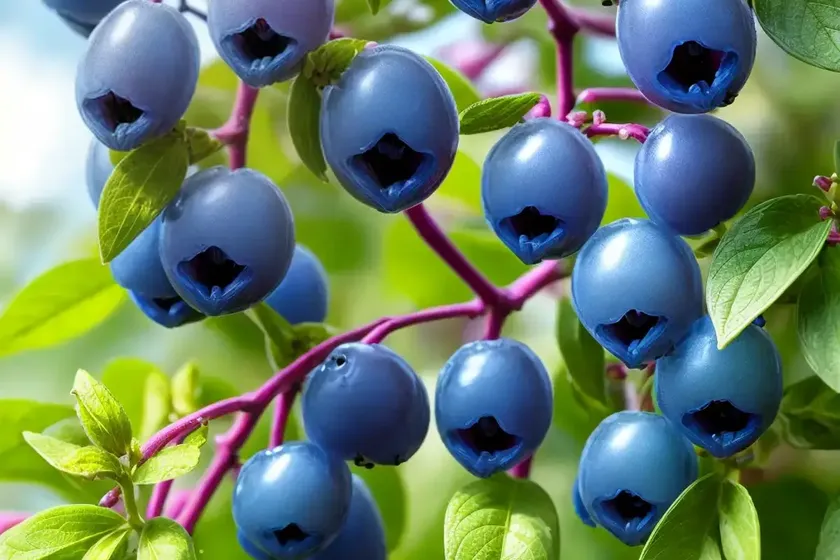
Lonicera caerulea, commonly known as Sugar Mountain® Blue or Honeyberry, is an intriguing and less known fruit-bearing plant. With its distinct blue berries and graceful foliage, it is becoming increasingly popular among gardeners and fruit enthusiasts. In this comprehensive guide, we will delve into the various aspects of Lonicera caerulea Sugar Mountain® Blue, from its culture and uses to its cultivation and maintenance. As a plant scientist, I am excited to share with you the key insights and practical tips for growing and caring for this remarkable shrub.
What is Lonicera caerulea Sugar Mountain® Blue?
Lonicera caerulea, also known as blue honeysuckle or honeyberry, is a deciduous shrub belonging to the Caprifoliaceae family. This plant is native to the northern hemisphere and is particularly valued for its edible berries, which are similar in appearance to blueberries. The Sugar Mountain® Blue variety is a specifically cultivated and selected form of Lonicera caerulea, known for its improved berry size, flavor, and overall productivity.
Key Takeaways – Lonicera caerulea Sugar Mountain® Blue (Honeyberry)
Before we delve deeper into the specific aspects of Lonicera caerulea Sugar Mountain® Blue, let’s highlight the key takeaways in terms of its characteristics and cultivation:
- Plant Name: Lonicera caerulea Sugar Mountain® Blue (Honeyberry)
- Characteristics: Blue berries, ornamental foliage, cold hardiness
- Cultivation: Suitable for a wide range of climates, including cooler regions
- Uses: Edible berries, landscape ornamental, wildlife habitat
Now, let’s explore the various facets of this fascinating plant, from its cultural requirements to its uses and benefits.
Culture of Lonicera caerulea Sugar Mountain® Blue
Understanding the culture of Lonicera caerulea Sugar Mountain® Blue is essential for successful cultivation and healthy growth. This encompasses the plant’s water, sunlight, fertilizer, soil, pruning, and propagation requirements.
Water
Lonicera caerulea Sugar Mountain® Blue has moderate water needs, particularly during its active growth phases and fruit development. Adequate moisture is essential for the establishment of young plants and the formation of high-quality berries. However, it’s crucial to ensure proper drainage to prevent waterlogged conditions, which can be detrimental to the plant’s root system.
Sunlight
This variety of Lonicera caerulea thrives in full sun to partial shade conditions. While it can tolerate some shade, providing ample sunlight is beneficial for robust growth and fruit production. In regions with intense heat, partial shade during the hottest part of the day can help prevent stress on the plant.
Fertilizer
When it comes to fertilization, Lonicera caerulea Sugar Mountain® Blue benefits from a balanced fertilizer application in early spring before new growth emerges. A slow-release fertilizer designed for fruit-bearing plants can provide the necessary nutrients for healthy development and bountiful harvests. It’s important to follow the recommended application rates to avoid over-fertilization, which can lead to excessive vegetative growth at the expense of fruit production.
Soil
This plant thrives in well-draining, slightly acidic to neutral soil with a rich organic content. A loamy soil type is ideal for Lonicera caerulea Sugar Mountain® Blue, providing the necessary balance of water retention and drainage. Conducting a soil test can help determine the pH and nutrient levels, allowing for targeted amendments to create an optimal growing environment for the plant.
Pruning
Pruning plays a crucial role in shaping the growth of Lonicera caerulea Sugar Mountain® Blue and promoting fruit-bearing wood. Proper pruning techniques, including the removal of dead or damaged branches and the thinning of overcrowded growth, contribute to improved air circulation and light penetration within the canopy. Additionally, selective pruning can stimulate the development of fruiting spurs and enhance the overall structure of the plant.
Propagation
Lonicera caerulea Sugar Mountain® Blue can be propagated through various methods, including hardwood cuttings, softwood cuttings, and division. Hardwood cuttings taken during the dormant season and treated with rooting hormone can develop into new plants with proper care and attention. Softwood cuttings from young, actively growing shoots can also be utilized for propagation, providing a reliable means of expanding a collection of these valuable shrubs.
Uses of Lonicera caerulea Sugar Mountain® Blue
The uses of Lonicera caerulea Sugar Mountain® Blue extend beyond its ornamental charm and extend to its culinary potential, landscape value, and ecological significance.
Culinary Uses
One of the most prominent uses of Lonicera caerulea Sugar Mountain® Blue is the harvest of its delectable berries. The berries can be enjoyed fresh, offering a unique flavor profile that combines sweetness and tanginess, reminiscent of blueberries and blackberries. Additionally, they can be used in various culinary applications, including jams, jellies, pies, and beverages. Their high levels of antioxidants and nutritional benefits make them a valuable addition to a diverse range of recipes.
Landscape Ornamental
Beyond its fruit-bearing capabilities, Lonicera caerulea Sugar Mountain® Blue contributes to the ornamental beauty of gardens and landscapes. The plant’s graceful growth habit, elegant foliage, and striking blue berries make it a visually appealing addition to both ornamental gardens and edible landscapes. When in bloom, the delicate flowers further enhance its aesthetic appeal, attracting pollinators and adding a touch of elegance to its surroundings.
Wildlife Habitat
As a native plant species, Lonicera caerulea Sugar Mountain® Blue provides valuable habitat and food sources for wildlife. Birds are particularly fond of the berries, making this shrub a welcome addition to wildlife-friendly gardens and naturalized areas. By incorporating this plant into landscape designs, gardeners can contribute to the conservation of native flora and support biodiversity within their local ecosystems.
Popularity of Lonicera caerulea Sugar Mountain® Blue in Container Gardening
In recent years, the popularity of container gardening has surged, driven by its versatility and accessibility. Lonicera caerulea Sugar Mountain® Blue is well-suited for container cultivation, presenting an attractive option for individuals with limited space or those seeking to incorporate edible plants into their patio, balcony, or small-scale gardens.
Container Common Diseases
When growing Lonicera caerulea Sugar Mountain® Blue in containers, it’s important to be aware of potential diseases that can affect the plant. Common container diseases that may impact this shrub include:
- Root rot: Overwatering or poor drainage in containers can lead to root rot, compromising the health of the plant.
- Powdery mildew: Humid conditions and poor air circulation within containers can create favorable environments for powdery mildew development on the foliage.
Disease Diagnosis and Management in Container-Grown Lonicera caerulea Sugar Mountain® Blue
Monitoring the health of container-grown Lonicera caerulea Sugar Mountain® Blue is essential for early disease detection and effective management. Here are some key points to consider:
Common Diseases
- Leaf spot: If the foliage develops spots or discoloration, it may indicate the presence of leaf spot diseases. Prompt treatment with appropriate fungicidal sprays can help mitigate the issue and prevent further spread.
Disease Diagnosis
Diagnosing diseases in container-grown Lonicera caerulea Sugar Mountain® Blue involves closely inspecting the plant for symptoms such as abnormal leaf discoloration, wilting, or unusual growth patterns. Additionally, regular monitoring of the growing medium and drainage conditions can provide insights into potential disease issues arising from environmental factors.
Disease Management
Implementing cultural practices that promote optimal growing conditions, such as proper watering, adequate sunlight, and good air circulation, can contribute to disease prevention in container-grown Lonicera caerulea Sugar Mountain® Blue. Additionally, utilizing disease-resistant varieties and maintaining vigilant hygiene measures can help minimize the risk of disease outbreaks in container plantings.
Common Pests Affecting Lonicera caerulea Sugar Mountain® Blue
Despite its resilience, Lonicera caerulea Sugar Mountain® Blue can be susceptible to certain pests that may impact its growth and fruit production. Recognizing and addressing these potential pest issues is crucial for maintaining the health and vigor of the plant.
Common Pests
- Aphids: These small, sap-sucking insects can infest the new growth of Lonicera caerulea, causing damage to the leaves and affecting the overall vitality of the plant.
- Spider mites: Infestations of spider mites can lead to the development of webbing on the foliage and a decline in the plant’s health, particularly in dry and warm conditions.
- Fruit flies: Fruit flies may pose a threat to the ripening berries of Lonicera caerulea Sugar Mountain® Blue, necessitating protective measures to safeguard the harvest.
Pest Management Strategies
Implementing integrated pest management (IPM) practices is essential for addressing pest issues while minimizing the use of chemical controls. Strategies for pest management in Lonicera caerulea Sugar Mountain® Blue may include:
- Encouraging natural predators: Creating habitat and food sources for beneficial insects that prey on pests can help maintain a balanced ecosystem within the garden.
- Physical removal: Handpicking and removing pest insects when feasible, particularly during early infestations, can help prevent population surges and minimize damage to the plant.
- Selective insecticidal treatments: If pest populations reach damaging levels, targeted application of insecticidal soaps or oils can provide effective control while minimizing impact on non-target organisms.
Botanist’s Tips for Growing Lonicera caerulea Sugar Mountain® Blue
As a plant scientist with a passion for horticulture, I have gathered several practical tips for successfully cultivating and caring for Lonicera caerulea Sugar Mountain® Blue. These insights are based on scientific knowledge and hands-on experience, aimed at empowering gardeners to achieve optimal results with this remarkable shrub.
Botanist’s Tips
- Site selection: Choose a well-drained location with ample sunlight for planting Lonicera caerulea Sugar Mountain® Blue, ensuring proper air circulation and light exposure for the plant.
- Soil preparation: Prior to planting, amend the soil with organic matter to enhance its structure and fertility, providing an optimal foundation for the shrub’s establishment and growth.
- Mulching: Apply a layer of organic mulch around the base of the plant to conserve moisture, suppress weed growth, and insulate the roots during temperature fluctuations.
- Pruning techniques: Employ strategic pruning to maintain an open, well-ventilated canopy and encourage the development of fruit-bearing wood within the plant.
- Pollination considerations: When cultivating multiple Lonicera caerulea Sugar Mountain® Blue plants, ensure that compatible varieties are planted in proximity to facilitate cross-pollination and maximize fruit set.
Fun Facts About Lonicera caerulea Sugar Mountain® Blue
- The berries of Lonicera caerulea Sugar Mountain® Blue are rich in anthocyanins, contributing to their vibrant blue color and antioxidant properties.
- The plant’s common name, honeyberry, is derived from the sweet flavor of its berries, resembling that of honey with a hint of tanginess.
- Lonicera caerulea Sugar Mountain® Blue is a relatively long-lived shrub, with the potential to provide bountiful harvests for many years under favorable growing conditions.
Links to External Resources
For further exploration of Lonicera caerulea Sugar Mountain® Blue and related topics, I recommend the following external resources:
- The Honeyberry Farm: A specialized resource offering a wealth of information on honeyberries, including cultivation tips, variety selection, and culinary uses.
- University of Saskatchewan – Fruit Program: The university’s fruit program features valuable research and publications on Lonicera caerulea, encompassing breeding advancements, production techniques, and genetic diversity studies.
Conclusion
Lonicera caerulea Sugar Mountain® Blue, also known as honeyberry, is a captivating plant with a diverse range of uses and a promising future in horticulture and agriculture. By understanding its cultural requirements, uses, common diseases, and pest management strategies, gardeners and fruit enthusiasts can unlock the full potential of this remarkable shrub. As a plant scientist, I am enthusiastic about the valuable opportunities that Lonicera caerulea Sugar Mountain® Blue presents for sustainable and rewarding cultivation, and I look forward to witnessing its continued growth in popularity and recognition within the horticultural community.
With careful attention to its needs and the implementation of sound cultivation practices, Lonicera caerulea Sugar Mountain® Blue has the potential to grace gardens, orchards, and landscapes with its ornamental charm and delectable bounty, enriching our connection with nature and the diverse world of fruit-bearing plants.
Remember, the joy of growing Lonicera caerulea Sugar Mountain® Blue extends beyond the harvest – it encompasses the journey of nurturing and witnessing the beauty and abundance that this unique plant has to offer.
This comprehensive guide explores the various aspects of Lonicera caerulea Sugar Mountain® Blue, offering insights into its culture, uses, and cultivation. With a focus on practical tips and scientific knowledge, the guide aims to empower gardeners and fruit enthusiasts to successfully grow and appreciate this remarkable shrub.
Note: The content within this article is intended for informational purposes only and does not constitute professional advice. When considering the cultivation and management of plants, it is advisable to consult with local horticultural experts and extension services to address region-specific requirements and best practices.