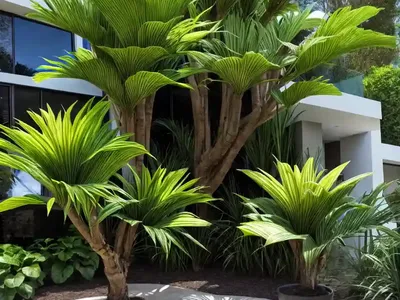
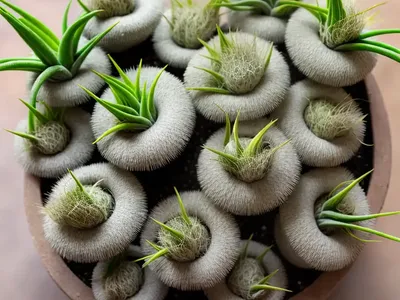
Nidularium Innocentii (Nidularium Innocentii)
Nidularium innocentii, commonly known as the Innocent’s Nidularium, is a striking epiphytic plant belonging to the Bromeliaceae family. Characterized by.
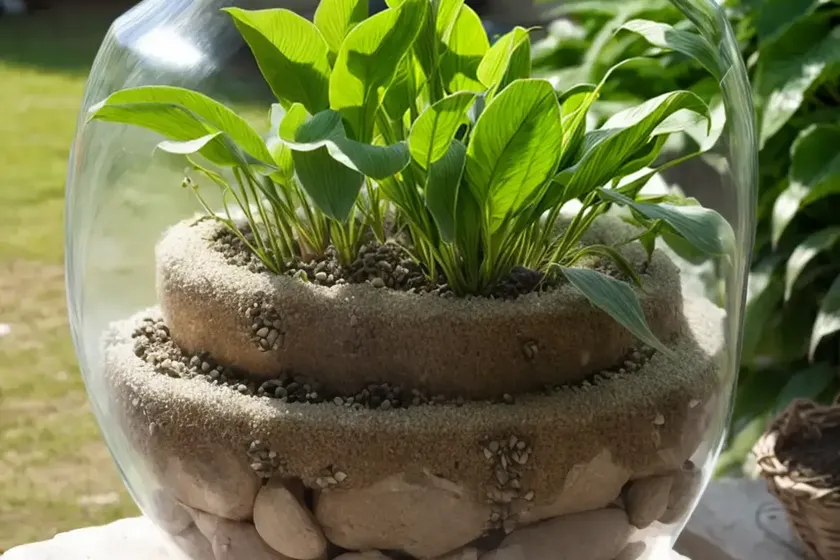
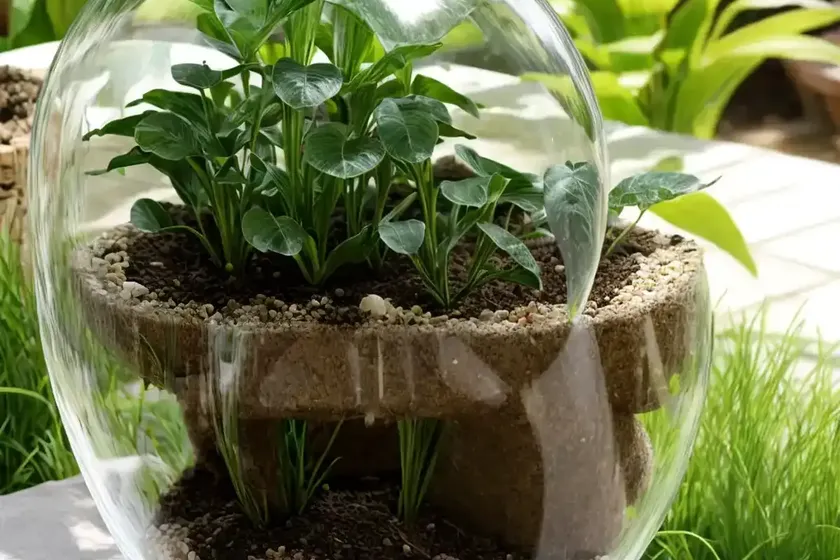
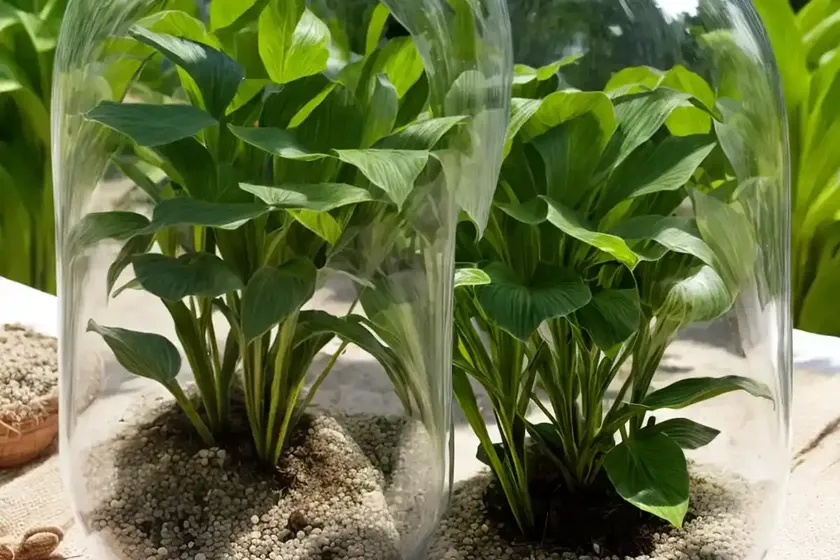
What is Nidularium innocentii (Nidularium innocentii)?
Nidularium innocentii, commonly known as the Innocent’s Nidularium, is a striking epiphytic plant belonging to the Bromeliaceae family. Characterized by its stunning foliage and unique inflorescence, this plant is a popular choice for both indoor and outdoor cultivation. Originating from the tropical rainforests of Brazil, Nidularium innocentii has gained significant popularity among plant enthusiasts due to its low maintenance requirements and ornamental appeal.
Key Takeaways – Nidularium innocentii
Before delving into the detailed aspects of caring for Nidularium innocentii, let’s explore the key takeaways associated with this captivating plant.
- Botanical Name: Nidularium innocentii
- Common Name: Innocent’s Nidularium
- Family: Bromeliaceae
- Type: Epiphytic
- Native Habitat: Brazilian rainforests
- Uses: Ornamental decoration, indoor and outdoor landscaping
- Characteristics: Striking foliage, unique inflorescence
- Maintenance: Low
- Popularity: Increasing among plant enthusiasts
Now, let’s explore the essential aspects of Nidularium innocentii care and cultivation in more detail.
Culture
Water
Nidularium innocentii thrives in a humid environment, making it crucial to ensure adequate water supply without waterlogging the roots. Here are some essential watering tips for maintaining the plant’s health:
- Watering Frequency: Water the plant when the topsoil feels slightly dry to the touch during the growing season. Reduce watering in winter to prevent waterlogging.
- Water Quality: Use lukewarm water or rainwater to avoid the harmful effects of chemicals present in tap water.
- Watering Method: Direct the water into the leaf axils and central cup of the plant for effective absorption.
Sunlight
Proper light exposure is essential for Nidularium innocentii to flourish and display its vibrant foliage. Consider the following sunlight requirements for optimal growth:
- Light Intensity: Provide bright, indirect light to the plant, avoiding direct sunlight that can scorch the leaves.
- Light Duration: Ensure the plant receives approximately 6-8 hours of filtered sunlight daily.
- Sunlight Protection: Shield the plant from intense midday sunlight, especially during the summer months, to prevent leaf damage.
Fertilizer
Fertilizing Nidularium innocentii is crucial for promoting healthy growth and vibrant foliage. Consider the following guidelines for effective fertilization:
- Fertilizer Type: Utilize a balanced liquid fertilizer formulated for bromeliads or a diluted general-purpose, water-soluble fertilizer.
- Fertilizing Frequency: Apply the fertilizer at half-strength every 2-4 weeks during the growing season, reducing to once a month in winter.
- Application Method: Ensure the fertilizer reaches the central cup and leaf axils for efficient absorption.
Soil
Nidularium innocentii thrives in a well-draining, moisture-retentive medium to support its epiphytic nature. Consider the following soil requirements for successful cultivation:
- Soil Type: Utilize a well-aerated, acidic potting mix specifically designed for epiphytic bromeliads, or create a custom mix using bark, perlite, and peat moss.
- Drainage: Opt for a container with adequate drainage holes to prevent water accumulation and root rot.
Pruning
Pruning Nidularium innocentii primarily involves the removal of old or decaying leaves to maintain the plant’s health and aesthetic appeal. Here are some essential pruning tips for effective plant maintenance:
- Leaf Trimming: Carefully trim brown or withered leaves using sterilized pruning shears to prevent the spread of disease.
- Invasive Growth: Remove any invasive or overgrown offsets to promote the plant’s overall vitality and appearance.
Propagation
Nidularium innocentii can be propagated through offsets or pups, allowing for the expansion of your plant collection. Consider the following propagation techniques for successful reproduction:
- Offset Harvesting: Wait until the offsets are approximately one-third the size of the parent plant before carefully detaching and planting them in a suitable growing medium.
- Pup Division: Gently separate the pups from the parent plant, ensuring the presence of roots, and transplant them into individual containers with appropriate growing conditions.
Container
When selecting a container for Nidularium innocentii, prioritize features that facilitate adequate drainage and provide ample space for the plant’s growth. Here are some container considerations for optimal plant health:
- Container Size: Choose a pot that accommodates the plant’s root system with some additional room for growth, typically 1-2 inches larger than the previous container.
- Drainage Holes: Ensure the container has multiple drainage holes to prevent waterlogging and maintain proper soil moisture levels.
- Material: Opt for a breathable, non-porous container material such as terracotta or ceramic to promote aeration and prevent water retention.
Popularity
Nidularium innocentii has gained increasing popularity among plant enthusiasts due to its striking appearance, low maintenance requirements, and versatility in indoor and outdoor settings. With its unique inflorescence and vibrant foliage, this epiphytic bromeliad has become an appealing choice for those seeking an eye-catching addition to their plant collection.
Common Diseases
Disease Diagnosis
While Nidularium innocentii is relatively resistant to diseases, it may occasionally encounter issues such as fungal infections or bacterial rot. Here are some common disease symptoms and diagnostic measures:
- Fungal Infections: Look for signs of dark spots, powdery mildew, or mushy tissue, and consider adjusting the plant’s environment to reduce humidity levels and improve air circulation.
- Bacterial Rot: Monitor the plant for soft, discolored areas and promptly remove affected sections to prevent the spread of the infection.
Common Pests
Pest Control
Nidularium innocentii can be susceptible to certain pests that may impact its overall health and appearance. Implement these pest control measures to protect the plant from common invaders:
- Spider Mites: Rinse the plant with a steady stream of water to dislodge spider mites and apply a horticultural oil or insecticidal soap for further control.
- Mealybugs: Utilize a cotton swab dipped in rubbing alcohol to carefully remove mealybugs from the plant, ensuring thorough coverage of affected areas.
Botanist’s Tips
As a plant scientist with a deep appreciation for Nidularium innocentii, I offer the following tips to ensure the successful care and cultivation of this captivating bromeliad:
- Inspect Water Quality: Regularly assess the quality of the water used for watering or misting, as Nidularium innocentii is sensitive to chemicals present in tap water.
- Monitor Humidity Levels: Maintain consistent humidity levels around the plant, especially in drier environments, to support its epiphytic nature.
- Gentle Handling: When handling the plant for maintenance or propagation, exercise care to avoid damaging the delicate foliage and inflorescence.
Fun Facts
Let’s explore some intriguing and lesser-known facts about Nidularium innocentii:
- The name “Nidularium” is derived from the Latin word “nidulus,” meaning “little nest,” referencing the plant’s characteristic nest-like growth habit.
- Nidularium innocentii is prized for its unique inflorescence, which features delicate, clustered flowers emerging from a central, cup-shaped structure.
- In its natural habitat, Nidularium innocentii often grows as an epiphyte, clinging to trees and absorbing nutrients and moisture from the surrounding air and organic debris.
Links to External Resources
To further enhance your knowledge and understanding of Nidularium innocentii, consider exploring the following external resources:
- Royal Horticultural Society – Bromeliads
- Bromeliad Society International
- University of Florida IFAS Extension – Bromeliads for the Home Landscape
In conclusion, Nidularium innocentii stands out as an enchanting addition to any plant collection, offering a captivating blend of ornamental foliage and distinctive inflorescence. By following the guidelines and tips outlined in this comprehensive guide, you can ensure the successful care and cultivation of this remarkable epiphytic bromeliad, enhancing your indoor or outdoor spaces with its unique allure.
Remember to embrace the remarkable characteristics of Nidularium innocentii and appreciate its resilience and beauty as it thrives in your care.
Now, go forth and elevate your botanical adventures with the alluring presence of Nidularium innocentii!