New Zealand Spinach (Tetragonia Tetragonioides)
Plants have always held a mystique and are an incredibly important part of our world. They provide us with food, oxygen, and even medicine. Some plants are.
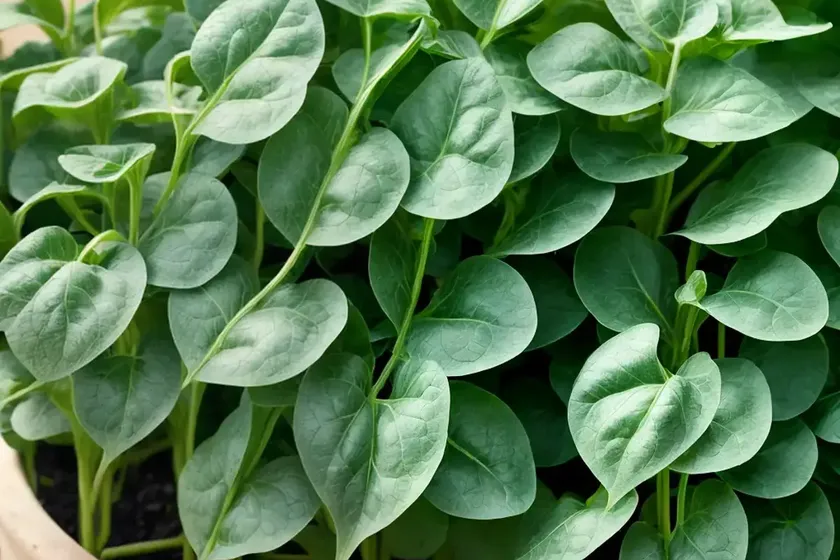
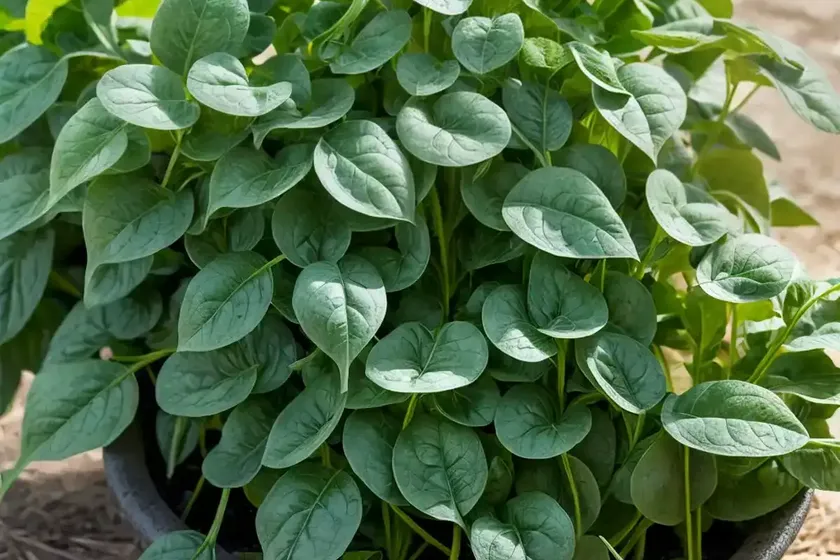
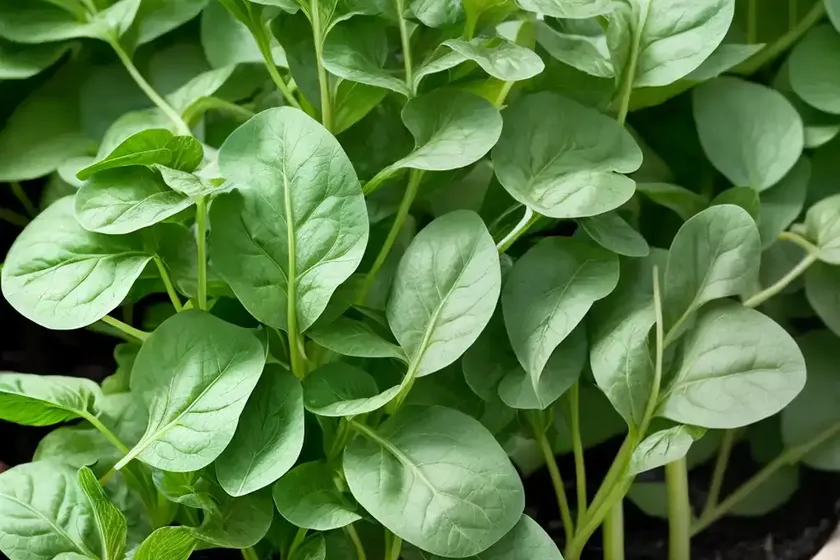
Plants have always held a mystique and are an incredibly important part of our world. They provide us with food, oxygen, and even medicine. Some plants are so versatile that their uses extend beyond basic sustenance. One such plant is the New Zealand spinach, scientifically known as Tetragonia tetragonioides. In this guide, we will delve into the culture, uses, care requirements, and interesting facts about this remarkable plant.
What is New Zealand Spinach (Tetragonia tetragonioides)?
New Zealand spinach, or Tetragonia, is a leafy green plant native to New Zealand, Australia, and South America. Despite its name, it is not botanically related to true spinach (Spinacia oleracea), but it earned the moniker due to its similar culinary uses. Tetragonia tetragonioides has a long history of cultivation, and it has been valued for its resilience and nutritional value.
Key Takeaways: New Zealand Spinach (Tetragonia tetragonioides)
Before we delve into the specifics of Tetragonia tetragonioides, let’s have a look at some key takeaways and highlights about this intriguing plant.
- Cultural Significance: Tetragonia tetragonioides has a rich cultural history, utilized by various indigenous communities for its culinary and medicinal properties.
- Adaptability: It is well-adapted to challenging climates and is an excellent food source in areas with poor soil quality.
- Nutritional Powerhouse: New Zealand spinach is a great source of vitamins, minerals, and antioxidants, offering a plethora of health benefits.
- Ease of Cultivation: With the right care, Tetragonia tetragonioides can be grown with relative ease, making it an attractive option for home gardeners.
- Versatile Uses: From culinary applications to traditional medicine, this plant has a wide array of uses that make it a valuable addition to any garden.
Culture of New Zealand Spinach (Tetragonia tetragonioides)
Understanding the cultural requirements of Tetragonia tetragonioides is crucial for its successful growth and development. Let’s explore the various aspects of its culture to gain a comprehensive understanding.
Water
Tetragonia tetragonioides thrives in well-drained soil that is kept consistently moist. Adequate watering is essential, especially during dry spells or warmer months. However, it is important to avoid waterlogging, as this can lead to root rot and other issues. Regular monitoring of soil moisture levels is recommended to ensure optimal growth.
Sunlight
New Zealand spinach prefers full sun to partial shade. It thrives in locations that receive at least 6-8 hours of direct sunlight per day. However, it can tolerate some shade, particularly in regions with intense summer heat.
Soil
When it comes to soil, Tetragonia tetragonioides prefers a moderately fertile, well-draining soil with a slightly acidic to neutral pH. Amending the soil with organic matter such as compost can improve its structure and fertility, promoting healthy growth.
Fertilizer
A balanced, organic fertilizer applied during the growing season can provide the necessary nutrients for robust growth. Avoid over-fertilization, as this can lead to excessive leafy growth at the expense of fruit production.
Pruning
While not necessary for its growth, regular pruning can help maintain the plant’s shape and promote bushier growth. This can involve the removal of leggy or overgrown stems to encourage new growth and ensure a more compact form.
Uses of New Zealand Spinach (Tetragonia tetragonioides)
Tetragonia tetragonioides has a wide range of uses, making it a versatile and valuable addition to any garden. Let’s explore the various applications of this plant.
- Culinary Uses: New Zealand spinach is commonly used in salads, stir-fries, and soups, where its tender leaves add a mild, spinach-like flavor to dishes. It can be eaten raw or cooked and is a popular ingredient in various cuisines.
- Medicinal Properties: In traditional medicine, Tetragonia tetragonioides has been used to treat ailments such as inflammation, coughs, and digestive issues. Its high nutritional content makes it a valuable addition to a balanced diet.
Propagation of New Zealand Spinach (Tetragonia tetragonioides)
Tetragonia tetragonioides can be propagated by seeds, which are easily collected from mature plants. By understanding the propagation process, gardeners can expand their New Zealand spinach crop with ease.
Seed Propagation
- Seed Collection: Allow some of the plants to flower and set seeds. Once the seed pods are dry and brown, carefully collect the seeds and store them in a cool, dry place.
- Sowing Seeds: Sow the seeds directly into prepared soil in the garden or in containers. Keep the soil consistently moist until the seeds germinate, which typically takes 7-14 days.
Container Gardening
For those with limited garden space, Tetragonia tetragonioides can be cultivated in containers such as pots or window boxes. This offers the flexibility to move the plants as needed to optimize sunlight exposure or protect them from extreme weather.
Popularity in Container Gardening
Due to its relatively compact size and adaptability to container growing, New Zealand spinach is gaining popularity among urban and small-space gardeners. It offers a fresh, homegrown supply of nutritious greens without requiring a traditional garden plot.
Common Diseases of New Zealand Spinach (Tetragonia tetragonioides)
Like any plant, Tetragonia tetragonioides is susceptible to certain diseases. Understanding these diseases and their symptoms is important for effective management.
Disease Diagnosis
- Downy Mildew (Plasmopara halstedii): This fungal disease presents as yellow or brown patches on the leaves and can lead to defoliation. Proper spacing of plants and adequate ventilation can help prevent its spread.
- Powdery Mildew (Erysiphe cichoracearum): Powdery mildew appears as a white, powdery coating on the leaves, stems, and buds. It thrives in warm, dry conditions and can be managed through proper pruning and good air circulation.
Common Pests
Pests can pose a threat to the health of Tetragonia tetragonioides, but with vigilance and proactive measures, their impact can be minimized.
- Aphids (Aphidoidea): These small, sap-sucking insects can be found on the undersides of leaves. They can be dislodged with a strong stream of water or controlled using insecticidal soap.
- Slugs and Snails: These pests are often active at night and can cause damage to the leaves of Tetragonia tetragonioides. Trap them using beer traps or apply copper barriers to protect the plants.
Botanist’s Tips for Growing New Zealand Spinach
To ensure successful cultivation of Tetragonia tetragonioides, consider the following expert tips from botanists and experienced gardeners.
- Companion Planting: Pair New Zealand spinach with plants that complement its growth requirements and help repel pests. For example, planting it alongside aromatic herbs like basil and thyme can deter certain pests and promote overall plant health.
- Intercropping: Intercropping Tetragonia tetragonioides with other compatible plants can optimize space and resources, leading to a more productive garden.
Fun Facts about New Zealand Spinach (Tetragonia tetragonioides)
Let’s explore some fascinating and little-known facts about Tetragonia tetragonioides.
- Adaptations: Tetragonia tetragonioides has specialized adaptations that allow it to thrive in coastal environments, making it well-suited to saline soils and ocean spray.
- Traditional Medicine: In addition to its culinary uses, Tetragonia tetragonioides has a long history of use in traditional medicine for a variety of health conditions, reflecting its cultural significance.
- Nutritional Powerhouse: This leafy green is packed with essential nutrients, including vitamins A, C, and E, as well as minerals like calcium, iron, and potassium.
Links to External Resources
To further enhance your understanding of New Zealand spinach (Tetragonia tetragonioides), here are some valuable external resources that provide in-depth information on its benefits, culinary uses, and cultivation techniques:
- Tetragonia tetragonioides: A Nutritional Powerhouse
- Culinary Delights with New Zealand Spinach
- Growing and Caring for Tetragonia tetragonioides
The resources provided above offer a wealth of knowledge that can enrich your journey in cultivating and utilizing Tetragonia tetragonioides.
In conclusion, New Zealand spinach (Tetragonia tetragonioides) is a remarkable plant with a rich cultural history, exceptional nutritional value, and versatile uses. By understanding its culture, uses, care requirements, and fascinating facts, you can embark on a rewarding journey of cultivating and enjoying the benefits of this exceptional leafy green. Whether in the garden or the kitchen, Tetragonia tetragonioides holds great promise as a valuable addition to a sustainable, health-conscious lifestyle.
For more information and detailed insights on the topics covered in this guide, please refer to the external resources provided. Remember, the journey of plant exploration is an endlessly fascinating and enriching one, and Tetragonia tetragonioides is undoubtedly a standout character in the diverse tapestry of plant life.
Happy gardening!