Livingstone Daisy (Cleretum Bellidiforme)
As a plant scientist, I’m excited to delve into the wonderful world of Livingstone Daisy, scientifically known as Cleretum bellidiforme. This ornamental.
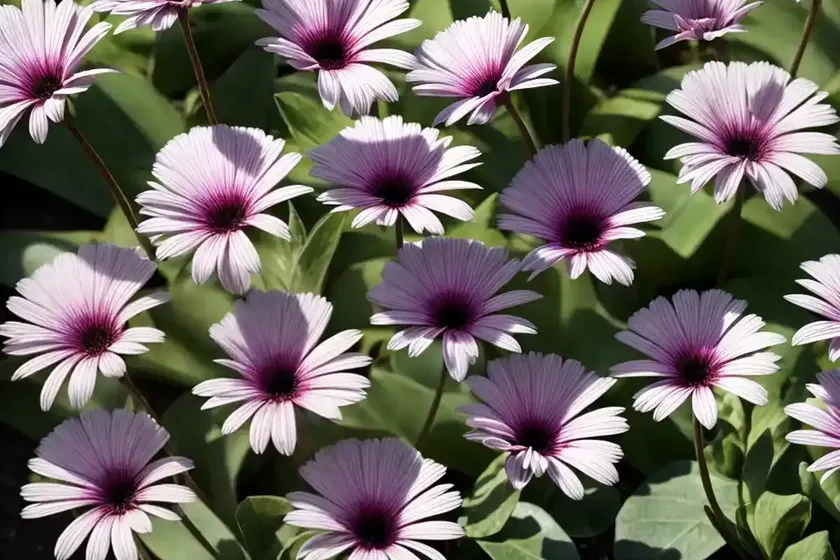
As a plant scientist, I’m excited to delve into the wonderful world of Livingstone Daisy, scientifically known as Cleretum bellidiforme. This ornamental flowering plant is cherished by gardeners for its vibrant hues and easy maintenance. In this guide, we’ll explore the different aspects of caring for Livingstone Daisy, including its culture, uses, water and sunlight requirements, fertilizer needs, soil preferences, pruning, propagation, and more. Let’s dig into the fascinating details of this delightful plant.
What is Livingstone Daisy (Cleretum bellidiforme)?
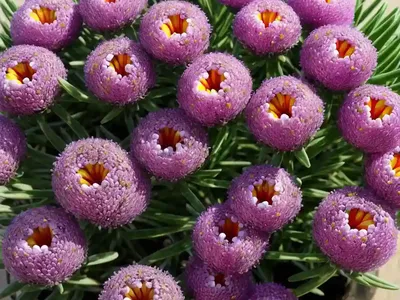
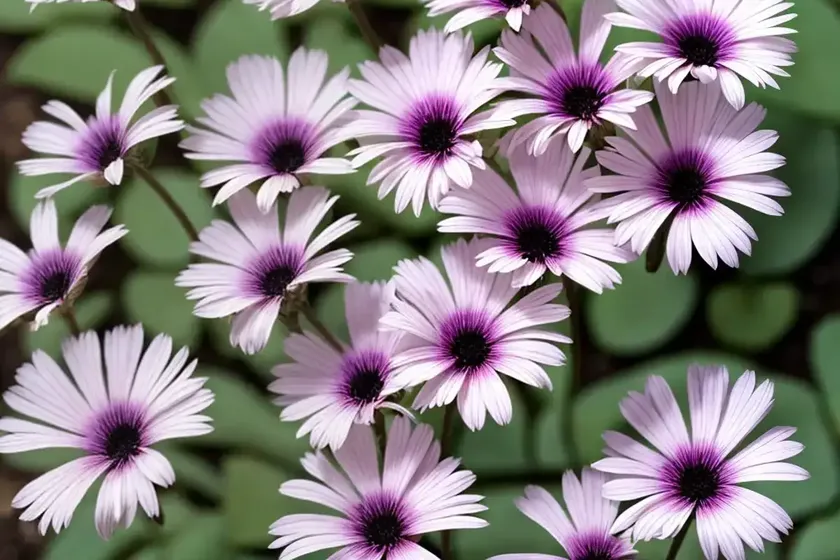
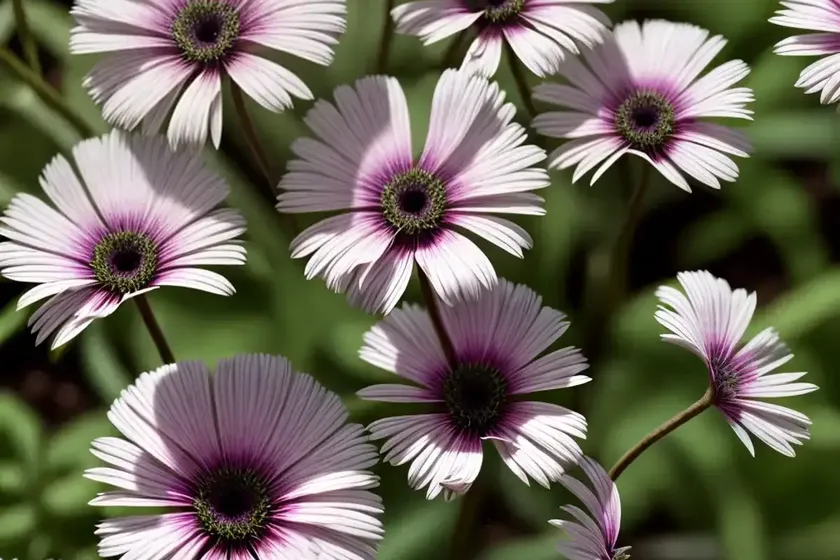
Livingstone Daisy, also known as Hardy Ice Plant, is a species of flowering plant in the Aizoaceae family. It hails from South Africa, specifically from the Namaqualand region, and is renowned for its stunning, daisy-like flowers that come in an array of captivating colors, including shades of purple, pink, orange, yellow, and white.
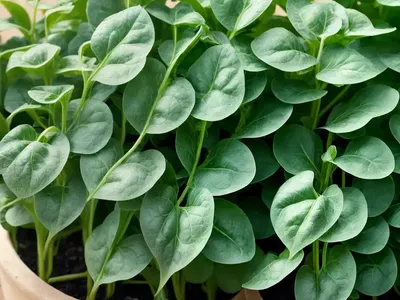
This herbaceous perennial is a low-growing succulent that forms dense mats, making it an exemplary addition to rock gardens, borders, containers, and hanging baskets. Its ability to thrive in poor, well-drained soil and withstand dry conditions makes it a preferred choice for xeriscaping and drought-tolerant landscaping.
Without further ado, let’s delve into the key care tips and best practices for cultivating the beautiful Livingstone Daisy.
Key Takeaways: Livingstone Daisy (Cleretum bellidiforme)
- Culture
- Uses
- Water
- Sunlight
- Fertilizer
- Soil
- Pruning
- Propagation
- Container Popularity
- Common Diseases
- Common Pests
- Botanist’s Tips
- Fun Facts
- Links to External Resources
Culture
Understanding the cultural requirements of Livingstone Daisy is essential for fostering its optimal growth and vibrant blooms.
Uses
The versatile uses of Livingstone Daisy make it a sought-after plant for various landscaping and gardening purposes.
Water
Determining the appropriate watering regime is crucial for the health and vitality of Livingstone Daisy.
Sunlight
Proper sunlight exposure is pivotal in ensuring the robust growth and prolific flowering of Livingstone Daisy.
Fertilizer
The right fertilization approach can significantly enhance the overall health and bloom production of Livingstone Daisy.
Soil
Achieving the ideal soil conditions is paramount for the successful cultivation of Livingstone Daisy.
Pruning
Implementing timely and proper pruning practices contributes to the longevity and aesthetic appeal of Livingstone Daisy.
Propagation
Exploring the different methods of propagation enables gardeners to expand their Livingstone Daisy collection with ease.
Container Popularity
The suitability of Livingstone Daisy for container gardening opens up a myriad of possibilities for urban and space-constrained gardeners.
Common Diseases
Identifying and addressing common diseases plaguing Livingstone Daisy is essential for its well-being.
Common Pests
Combatting common pests effectively is crucial in safeguarding Livingstone Daisy from potential damage.
Botanist’s Tips
Insider tips from botanists and experienced growers can offer invaluable insights into successfully nurturing Livingstone Daisy.
Fun Facts
Uncover fascinating and little-known facts about Livingstone Daisy that add a layer of intrigue to its allure.
Links to External Resources
Access external sources to further enrich your knowledge and cultivation practices for Livingstone Daisy.
Now, let’s delve deeper into each of these key aspects to gain a comprehensive understanding of nurturing Livingstone Daisy.
Culture
Caring for Livingstone Daisy encompasses a range of cultural practices that are instrumental in shaping its health and appearance.
Water
Livingstone Daisy, though drought-tolerant, requires consistent watering, especially during its active growth periods and flowering phases. However, it’s crucial to avoid overwatering, as excessive moisture can lead to root rot and other detrimental issues.
The watering frequency should be adjusted based on the environmental conditions and the moisture retention properties of the soil. It’s advisable to allow the soil to dry out partially between waterings to prevent waterlogging and maintain optimal growing conditions for Livingstone Daisy.
Sunlight
Livingstone Daisy thrives in bright, full sunlight, making it an ideal choice for sunny garden spots and areas with direct sun exposure. Adequate sunlight is essential for promoting robust growth and prolific blooming in Livingstone Daisy. Providing at least 6-8 hours of sunlight daily is recommended to support its flourishing development.
In regions with scorching temperatures, offering some protection during the hottest part of the day can help prevent sun damage and maintain the plant’s vigor.
Soil
Livingstone Daisy exhibits a preference for well-drained, sandy or gritty soil with minimal organic content. It’s essential to ensure that the soil provides excellent drainage to prevent water stagnation, which can be detrimental to the plant’s roots.
A soil pH range of 6.0 to 7.5 is generally suitable for Livingstone Daisy, and incorporating organic matter or perlite into the soil can aid in improving its texture and drainage capability.
Fertilizer
Livingstone Daisy doesn’t require heavy feeding and is generally content with minimal fertilization. Using a balanced, water-soluble fertilizer diluted to half-strength during its active growth period can provide the necessary nutrients for healthy foliage and abundant blooms.
Applying the fertilizer sparingly, about once a month during the growing season, can help prevent excessive vegetative growth and support the plant’s flowering performance.
Pruning
Pruning Livingstone Daisy primarily involves deadheading spent flowers to encourage continuous blooming and maintain a neat, tidy appearance. Removing withered blooms not only enhances the plant’s aesthetic appeal but also promotes ongoing flowering, prolonging the ornamental display of Livingstone Daisy.
Periodic trimming to shape the plant and control its spread may also be necessary, particularly in container-grown specimens or to manage its growth in garden beds and borders.
Propagation
Livingstone Daisy can be propagated through various methods, including seed propagation and vegetative propagation through stem cuttings. Both approaches offer viable means of expanding your Livingstone Daisy collection and can be undertaken with relative ease.
Seed propagation is particularly straightforward, and with proper care and favorable conditions, seeds readily germinate, yielding new plants for your garden. Stem cuttings also present a reliable means of multiplying Livingstone Daisy, providing an efficient way to propagate specific cultivars or preserve the desirable traits of established plants.
Container Popularity
The compact growth habit and captivating flowers of Livingstone Daisy make it an excellent candidate for container gardening. Its low maintenance requirements, heat tolerance, and vibrant blooms render it a charming addition to patio pots, window boxes, and other container arrangements.
When cultivating Livingstone Daisy in containers, selecting a well-draining potting mix and ensuring adequate sunlight exposure are essential considerations for supporting its growth and flowering.
Common Diseases
Livingstone Daisy is generally resilient to many diseases; however, it can occasionally be affected by fungal issues such as powdery mildew and Botrytis. Ensuring proper air circulation, adequate spacing, and avoiding overwatering can help mitigate the risk of fungal infections.
Disease Diagnosis
Powdery Mildew: This fungal disease manifests as a powdery, white coating on the leaves and stems of Livingstone Daisy. It thrives in humid conditions and can inhibit the plant’s growth and vitality if left unchecked.
Botrytis: Also known as grey mold, Botrytis is characterized by the presence of fuzzy, grayish mold on the foliage and flowers of Livingstone Daisy. It is often a result of excessive moisture and poor air circulation, particularly in humid environments.
Common Pests
Livingstone Daisy is relatively resistant to pest infestations, but it can occasionally encounter issues with aphids, spider mites, and snails. Implementing vigilant monitoring and employing appropriate pest control measures can help safeguard the plant from potential pest damage.
Aphids: These small, sap-sucking insects can cluster on the tender shoots and flower buds of Livingstone Daisy, causing distortion and stunted growth. Deploying natural predators, such as ladybugs, or using insecticidal soap can effectively manage aphid populations.
Spider Mites: These minuscule pests can infest the undersides of the plant’s leaves and spin fine webs, leading to stippled, discolored foliage. Regularly hosing down the plant to dislodge the mites and applying neem oil can aid in controlling spider mite infestations.
Snails: These voracious feeders can feast on the tender foliage of Livingstone Daisy, leaving behind unsightly holes and damage. Using physical barriers, such as copper tape or diatomaceous earth, can deter snails and protect the plant from their depredations.
Botanist’s Tips
Insider tips from botanists and seasoned growers can provide valuable insights and recommendations for successfully cultivating Livingstone Daisy.
-
Selecting the Right Cultivar: When choosing from the various cultivars of Livingstone Daisy, consider factors such as flower color, growth habit, and suitability for your specific growing conditions. Some cultivars exhibit varying flower sizes and color intensities, offering an array of options to suit different aesthetic preferences.
-
Accommodating Spreading Growth: As Livingstone Daisy tends to spread and colonize the surrounding area, especially in favorable conditions, it’s important to plan for its growth and select planting locations with ample space to accommodate its natural expansion.
-
Supplemental Watering in Pots: When growing Livingstone Daisy in containers, be mindful of its watering needs, as potted plants may dry out more quickly than those in garden beds. Regularly checking the moisture level of the potting mix and providing supplemental water as needed can help maintain the plant’s vigor and blooming capacity.
-
Overwintering Considerations: In colder climates, protecting Livingstone Daisy from frost and extreme cold is essential for its survival. Implementing measures such as covering the plants with frost cloths or temporarily relocating potted specimens indoors can help safeguard them during winter.
Fun Facts
Uncover intriguing and delightful facts about Livingstone Daisy that add to its allure and appeal.
-
Edible Blooms: The flowers of Livingstone Daisy are not just visually appealing but also edible, adding a colorful and flavorful accent to salads and garnishes.
-
Drought Adaptation: Livingstone Daisy’s natural adaptation to arid conditions enables it to thrive in environments with minimal water availability, making it an ideal choice for xeriscaping and water-wise gardening.
-
Pollinator Attraction: The bright, nectar-rich flowers of Livingstone Daisy attract a variety of pollinators, including bees, butterflies, and other beneficial insects, contributing to the ecological value of the plant.
Links to External Resources
Discover additional insights and valuable information about cultivating Livingstone Daisy from reputable external sources and expert sources.
- Royal Horticultural Society: Livingstone Daisy Plant Profile
- University of California: Livingstone Daisy Growing Guide
- Missouri Botanical Garden: Cleretum bellidiforme Information
- The Spruce: Hardy Ice Plant Overview
- Gardener’s World: Growing Livingstone Daisy from Seed
By tapping into these comprehensive resources, you can enrich your knowledge and gain valuable insights into the care and cultivation of Livingstone Daisy.
In conclusion, the enchanting Livingstone Daisy, with its resplendent blooms and undemanding nature, stands as a captivating choice for gardeners seeking to enhance their outdoor spaces with vibrant color and visual appeal. By understanding and implementing the key care tips and cultural practices outlined in this guide, you can foster the flourishing growth and flourishing blooming of Livingstone Daisy, creating a stunning botanical display that enlivens any garden or landscape setting.
In the words of Gertrude Jekyll, “A garden is a grand teacher. It teaches patience and careful watchfulness; it teaches industry and thrift; above all, it teaches entire trust.” Embrace the joys of gardening and the splendor of cultivating Livingstone Daisy, and let its radiant blooms inspire and delight you throughout the seasons.
Remember, the journey of nurturing Livingstone Daisy is as beautiful and rewarding as the blooms it bestows.
Happy gardening!