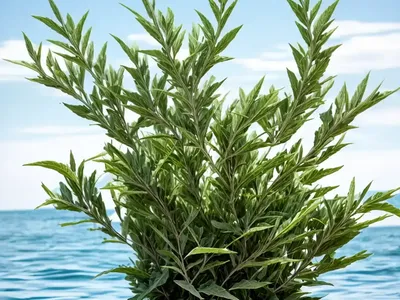
Nettle-leaved Fathen (Chenopodium Murale)
Plants have been an integral part of human civilization, providing food, medicine, and aesthetic beauty. In this blog post, we will explore the.
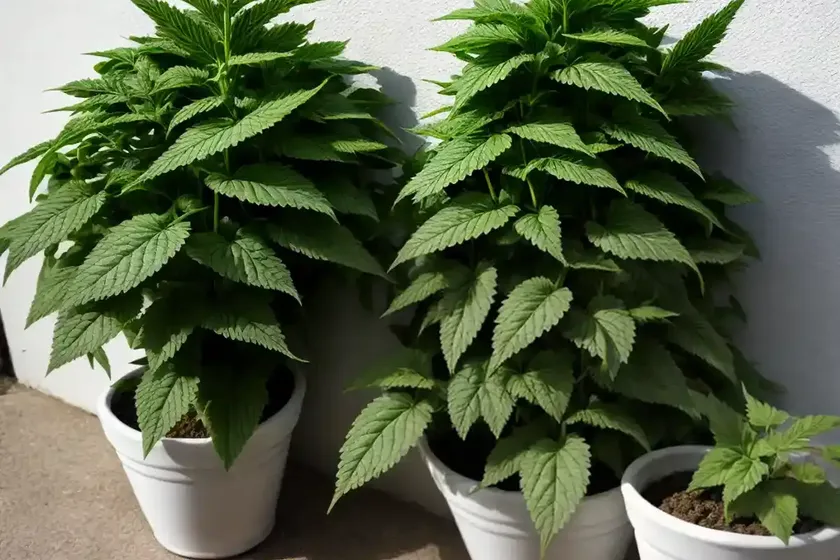
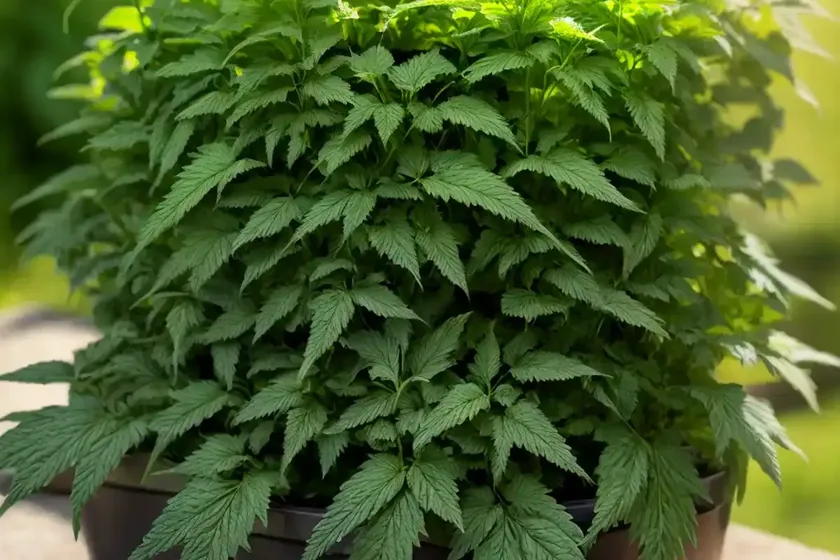
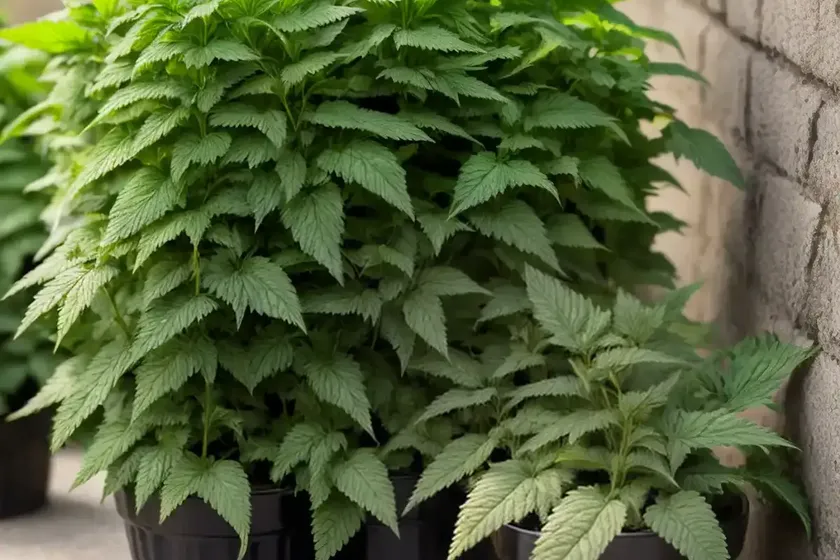
Plants have been an integral part of human civilization, providing food, medicine, and aesthetic beauty. In this blog post, we will explore the lesser-known plant, Nettle-leaved Fathen, scientifically known as Chenopodium murale. From its characteristics and habitat to its culinary and medicinal uses, we will unravel the secrets of this intriguing plant. Let’s delve into the world of Nettle-leaved Fathen and uncover its cultural, ecological, and scientific significance.
What is Nettle-leaved Fathen (Chenopodium murale)?
Nettle-leaved Fathen, also known by its scientific name Chenopodium murale, is a species of flowering plant in the amaranth family, Amaranthaceae. This annual plant is native to Asia, but it has spread to different parts of the world and is considered an invasive species in some regions.
Nettle-leaved Fathen Characteristics:
As a plant scientist, understanding the characteristics of Nettle-leaved Fathen is essential in appreciating its unique features. Here are some key characteristics of Chenopodium murale:
- Scientific Classification:
- Kingdom: Plantae
- Order: Caryophyllales
- Family: Amaranthaceae
- Genus: Chenopodium
-
Species: Chenopodium murale
-
Physical Description:
- Nettle-leaved Fathen is an annual herb that typically grows to a height of 30-100 centimeters.
- The leaves are alternate and vary in shape, from ovate to diamond-shaped, with serrated margins.
-
The flowers are small and greenish, arranged in dense, spike-like clusters.
-
Habitat and Distribution:
- It thrives in disturbed habitats, such as agricultural fields, gardens, and waste areas.
- Native to Asia, it has spread to other continents, including Europe, Africa, and North America.
Key Takeaways – Nettle-leaved Fathen (Chenopodium murale)
Before delving deeper into the intricacies of Nettle-leaved Fathen, let’s take a glance at the key takeaways that we will explore in this comprehensive guide:
- **Cultural Significance:
-
Uncover the historical and cultural importance of Nettle-leaved Fathen in various traditions and folklore.
-
**Plant Uses:
-
Explore the diverse uses of Nettle-leaved Fathen, including its culinary, medicinal, and ecological applications.
-
**Cultivation Tips:
-
Discover the essential requirements for growing Nettle-leaved Fathen, from soil and sunlight to water and fertilizer.
-
**Pests and Diseases:
-
Identify common pests and diseases that affect Nettle-leaved Fathen and learn how to diagnose and manage them effectively.
-
**Botanist’s Tips:
- Get insights and tips from botanists on how to care for and maximize the potential of Nettle-leaved Fathen.
Now, let’s embark on a fascinating journey to unravel the mysteries and marvels of Nettle-leaved Fathen. We will explore its cultural significance, diverse uses, cultivation techniques, and much more.
Culture: Historical and Cultural Significance of Nettle-leaved Fathen
Plants have been deeply intertwined with human culture and traditions for centuries. Nettle-leaved Fathen, with its rich history and diverse uses, holds a significant place in various cultures and folklore. Let’s delve into the cultural significance of this enigmatic plant and explore its historical journey through time.
Folklore and Mythology:
Nettle-leaved Fathen has been a part of folklore and mythology in different cultures, often associated with symbolism, healing, and spirituality. The plant’s distinctive characteristics and adaptability have contributed to its intriguing presence in folklore and stories across different regions.
- Folklore Beliefs:
-
In some traditions, Nettle-leaved Fathen is believed to possess protective qualities and has been used in rituals to ward off negative energies.
-
Mythical Associations:
- Certain mythological narratives depict Nettle-leaved Fathen as a symbol of resilience and adaptability, reflecting its ability to thrive in diverse environments.
Historical Significance:
Throughout history, Nettle-leaved Fathen has found its place in traditional medicine, culinary practices, and agricultural rituals. Understanding its historical significance provides valuable insights into the plant’s evolution and its enduring relevance in human societies.
- Traditional Uses:
-
Historical records indicate that Nettle-leaved Fathen was utilized for various purposes, including food, medicine, and ceremonial practices.
-
Culinary Traditions:
-
In some cultures, the leaves of Nettle-leaved Fathen were incorporated into traditional dishes, adding a unique flavor and nutritional value to meals.
-
Medicinal Heritage:
- Ancient medicinal systems recognized the therapeutic properties of Nettle-leaved Fathen, utilizing it to address a range of health concerns.
Ethnobotanical Research:
Ethnobotanical studies have shed light on the intricate relationship between Nettle-leaved Fathen and human communities, highlighting the plant’s multifaceted contributions to indigenous knowledge and practices.
- Traditional Remedies:
-
Indigenous cultures have developed specific remedies and preparations using Nettle-leaved Fathen, showcasing its role in traditional healthcare systems.
-
Ethnobotanical Uses:
- Ethnobotanical research has revealed the diverse ways in which communities have incorporated Nettle-leaved Fathen into their daily lives, from food to spirituality.
Uses: Exploring the Diverse Applications of Nettle-leaved Fathen
Nettle-leaved Fathen, with its versatile nature and various beneficial properties, has been embraced for its diverse uses across different domains. From culinary delights to medicinal remedies, this plant offers a myriad of applications that cater to human needs and environmental sustainability. Let’s unravel the numerous uses and benefits of Nettle-leaved Fathen.
Culinary Uses:
The leaves and young shoots of Nettle-leaved Fathen have been utilized in culinary practices, adding a distinctive flavor and nutritional boost to various dishes. Incorporating this plant into culinary creations offers a unique opportunity to explore its gastronomic potential.
- Culinary Dishes:
- Nettle-leaved Fathen leaves can be used in salads, soups, and stir-fries, imparting a mild, earthy taste to the dishes.
-
The young shoots of Nettle-leaved Fathen can be cooked as a nutritious vegetable, contributing to diverse culinary experiences.
-
Culinary Recipes:
- Explore innovative recipes that feature Nettle-leaved Fathen as a central ingredient, showcasing its culinary versatility and nutritional value.
Medicinal Properties:
Nettle-leaved Fathen possesses medicinal properties that have been recognized and utilized in traditional healing practices. From promoting wellness to addressing specific ailments, the plant offers a natural source of therapeutic support.
- Therapeutic Benefits:
-
The medicinal properties of Nettle-leaved Fathen include anti-inflammatory and antioxidant qualities, contributing to its potential in holistic healthcare.
-
Herbal Preparations:
-
Traditional herbal remedies incorporate Nettle-leaved Fathen to create infusions, extracts, or topical applications, harnessing its healing potential.
-
Traditional Medicine:
- Explore the historical and contemporary uses of Nettle-leaved Fathen in traditional medicine, drawing upon its beneficial properties for wellness.
Environmental Benefits:
Beyond its direct human uses, Nettle-leaved Fathen offers ecological advantages, contributing to environmental sustainability and biodiversity conservation.
- Ecosystem Importance:
-
Nettle-leaved Fathen plays a role in supporting local ecosystems, providing habitat and food sources for diverse species, including pollinators.
-
Environmental Remediation:
-
The adaptive nature of Nettle-leaved Fathen makes it valuable for soil stabilization and land reclamation efforts, contributing to environmental restoration.
-
Wildlife Interactions:
- Explore the interactions between Nettle-leaved Fathen and wildlife species, recognizing its significance in fostering ecological balance.
Cultural Significance:
The cultural relevance of Nettle-leaved Fathen extends beyond specific uses, encompassing its symbolic and ceremonial value in diverse traditions and belief systems.
- Folklore Stories:
-
Discover the folklore and tales associated with Nettle-leaved Fathen, reflecting its portrayal in cultural narratives and belief systems.
-
Ethnobotanical Uses:
- Uncover the ethnobotanical practices that showcase the multifaceted role of Nettle-leaved Fathen in indigenous cultures and communities.
Water, Sunlight, Fertilizer, and Soil: Essentials for Growing Nettle-leaved Fathen
As a plant enthusiast or gardener, understanding the essential requirements for cultivating Nettle-leaved Fathen is crucial for ensuring its healthy growth and optimal performance. From water and sunlight to soil and fertilizer, providing the ideal conditions can contribute to the plant’s vitality and productivity. Let’s explore the key factors for successfully growing Nettle-leaved Fathen.
Water:
- Optimal Moisture Levels:
-
Nettle-leaved Fathen thrives in moderately moist soil, requiring consistent but not excessive watering to support its growth.
-
Watering Frequency:
-
During the growing season, monitor the soil moisture and water the plant when the top inch of the soil becomes dry to the touch.
-
Drainage Considerations:
- Ensure that the planting site or container provides adequate drainage to prevent waterlogging, which can negatively impact the plant’s health.
Sunlight:
- Sun Exposure:
-
Nettle-leaved Fathen prefers partial to full sunlight, thriving in locations that receive at least 4-6 hours of direct sunlight per day.
-
Shade Tolerance:
-
While the plant tolerates some shade, providing sufficient sunlight promotes robust growth and the development of its characteristic features.
-
Light Conditions:
- Monitor the sunlight exposure based on the plant’s response, adjusting the positioning as needed to optimize its light intake.
Fertilizer:
- Nutrient Requirements:
-
Nettle-leaved Fathen benefits from a balanced, all-purpose fertilizer, applied during the growing season to supplement essential nutrients.
-
Application Frequency:
-
Apply fertilizer every 4-6 weeks, following the manufacturer’s recommendations for dilution and application rates to avoid over-fertilization.
-
Soil Enrichment:
- Incorporate organic matter into the soil, such as compost or well-rotted manure, to enhance its fertility and support the plant’s nutritional needs.
Soil:
- Soil Type:
-
Nettle-leaved Fathen thrives in well-draining, loamy soil with a slightly acidic to neutral pH, promoting healthy root development and nutrient uptake.
-
Soil Texture:
-
Ensure that the soil texture is friable and provides adequate aeration, promoting a hospitable environment for the plant’s root system.
-
Soil Preparation:
- Prior to planting, prepare the soil by removing debris, loosening the top layer, and incorporating organic amendments to improve its quality.
Pruning and Propagation: Care Techniques for Nettle-leaved Fathen
Effective care techniques, including pruning and propagation, are essential for maintaining the health and vigor of Nettle-leaved Fathen. By employing proper pruning methods and exploring propagation strategies, you can enhance the plant’s growth, encourage new growth, and expand its presence in your garden or landscape. Let’s delve into the essentials of pruning and propagation for Nettle-leaved Fathen.
Pruning:
- Pruning Purpose:
-
Prune Nettle-leaved Fathen to remove spent flowers, control its size, and encourage bushier growth by stimulating lateral branching.
-
Pruning Technique:
-
Use sterilized pruning shears or scissors to make precise cuts, trimming back the plant to the desired shape and size without causing damage.
-
Timing:
- Perform pruning in late spring or early summer after the flowering period to manage the plant’s growth and maintain its visual appeal.
Propagation:
- Propagation Methods:
-
Nettle-leaved Fathen can be propagated from seeds or through stem cuttings, providing opportunities to propagate new plants and expand their presence.
-
Seed Propagation:
-
Sow Nettle-leaved Fathen seeds directly in the garden or in containers, ensuring proper soil preparation and consistent moisture for germination.
-
Cutting Propagation:
-
Take stem cuttings from healthy, mature plants and root them in a suitable growing medium to establish new plants.
-
Propagation Care:
- Provide optimal growing conditions, including warmth, humidity, and regular watering, to support the successful establishment of propagated plants.
Container Popularity: Growing Nettle-leaved Fathen in Containers
The versatility of Nettle-leaved Fathen extends to its suitability for container gardening, offering an adaptable and attractive option for growing this plant in diverse settings. Whether you have limited outdoor space or prefer container gardening for its convenience, cultivating Nettle-leaved Fathen in containers can be an engaging and rewarding experience. Let’s explore the considerations and benefits of growing Nettle-leaved Fathen in containers.
Container Selection:
- Container Size:
-
Choose a container that provides ample space for the plant’s root system, ensuring sufficient depth and width for optimal growth.
-
Drainage Holes:
-
Select containers with adequate drainage holes to prevent water accumulation and promote proper soil moisture levels.
-
Material Options:
- Consider options such as terracotta, plastic, or ceramic containers, evaluating their durability, weight, and aesthetic appeal.
Cultivation Tips for Containers:
- Soil Mix:
-
Use a well-draining potting mix with a balanced blend of organic matter, perlite, and vermiculite to create an ideal growing medium for Nettle-leaved Fathen.
-
Watering Regimen:
-
Monitor the moisture levels in the container, adjusting the watering frequency to maintain consistent but not waterlogged conditions.
-
Sunlight Exposure:
- Position the container in a location that receives adequate sunlight, ensuring that the plant has access to the light it needs for robust growth.
Container Design and Placement:
- Aesthetic Considerations:
-
Incorporate Nettle-leaved Fathen containers into your garden or outdoor spaces, considering their visual impact and potential for enhancing the overall design.
-
Placement Flexibility:
-
Containers offer the flexibility to move and rearrange Nettle-leaved Fathen, allowing you to experiment with different placements and arrangements.
-
Indoor Cultivation:
- Grow Nettle-leaved Fathen in containers indoors, bringing the beauty and benefits of this plant into your home or office environment.
Common Diseases: Identifying and Managing Nettle-leaved Fathen Diseases
Nettle-leaved Fathen, like any other plant, is susceptible to certain diseases that can impact its health and overall well-being. By familiarizing yourself with common diseases that affect Nettle-leaved Fathen and understanding their symptoms and management strategies, you can effectively safeguard the plant from potential threats. Let’s explore some common diseases that Nettle-leaved Fathen may encounter and how to diagnose and manage them appropriately.
Disease Diagnosis:
- Leaf Spot:
- Symptoms: Circular or irregular spots on leaves, often with dark margins and yellow halos.
-
Management: Remove affected leaves, improve air circulation, and avoid overhead watering to reduce leaf spot incidence.
-
Powdery Mildew:
- Symptoms: Powdery white patches on leaves and stems, leading to distortion and stunted growth.
-
Management: Apply fungicides as recommended, prune affected parts, and maintain proper spacing for improved ventilation.
-
Downy Mildew:
- Symptoms: Yellow or brownish patches on leaves, often accompanied by a downy, grayish-white growth on the undersides.
- Management: Enhance air circulation, avoid overhead watering, and use fungicidal sprays to manage downy mildew outbreaks.
Disease Management:
- Practical Strategies:
-
Implement cultural practices such as proper spacing, watering at the base, and maintaining a clean garden environment to reduce disease pressure.
-
Organic Remedies:
-
Explore organic disease management approaches, including neem oil, baking soda solutions, and compost tea applications, to mitigate disease impact.
-
Early Intervention:
- Monitor the plant regularly for signs of disease, intervening promptly with appropriate measures to prevent the spread and progression of infections.
Common Pests: Addressing Nettle-leaved Fathen Pest Infestations
In addition to diseases, Nettle-leaved Fathen may encounter various pests that can pose a threat to its vitality and growth. Identifying common pests and implementing effective pest management strategies are essential for protecting the plant and maintaining its health. Let’s explore some common pests that may affect Nettle-leaved Fathen and how to address pest infestations proactively.
Pest Identification:
- Aphids:
- Identification: Small, soft-bodied insects that cluster on new growth, causing leaf distortion and honeydew secretion.
-
Management: Use insecticidal soaps, introduce natural predators, and blast aphids off the plant with a strong spray of water.
-
Spider Mites:
- Identification: Tiny arachnids that create webbing on leaves and feed on plant sap, leading to stippling and discoloration.
-
Management: Apply horticultural oils, increase humidity, and regularly rinse the plant to reduce spider mite populations.
-
Caterpillars:
- Identification: Larval stages of moths and butterflies that chew on leaves, causing visible damage and defoliation.
- Management: Handpick caterpillars, use biological insecticides, and encourage natural predators to control caterpillar populations.
Pest Management:
- Cultural Practices:
-
Implement cultural strategies, such as removing debris, rotating crops, and maintaining plant health, to minimize pest attraction and establishment.
-
Beneficial Insects:
-
Encourage the presence of beneficial insects, such as ladybugs and lacewings, to control pest populations naturally and maintain ecological balance.
-
Integrated Pest Management (IPM):
- Adopt an integrated approach that combines preventive measures, monitoring, and targeted interventions to manage pests while minimizing environmental impact.
Botanist’s Tips: Caring for Nettle-leaved Fathen and Maximizing its Potential
As a plant scientist, I am always eager to share practical tips and insights to help enthusiasts and gardeners care for Nettle-leaved Fathen effectively. By leveraging botanist’s tips and guidance, you can nurture Nettle-leaved Fathen to its fullest potential, fostering robust growth, resilience, and aesthetic appeal. Here are some valuable tips for caring for Nettle-leaved Fathen based on botanical expertise:
- Observation and Monitoring:
-
Regularly observe the plant’s growth, development, and response to environmental conditions, allowing you to detect early signs of stress or potential issues.
-
Selective Pruning:
- Use selective pruning to shape the plant, remove dead or damaged parts, and