Nerium Oleander ‘Provence’ (Oleander)
Nerium oleander ‘Provence’, more commonly known as Oleander, is a popular ornamental shrub appreciated for its vibrant and long-lasting flowers. This plant.
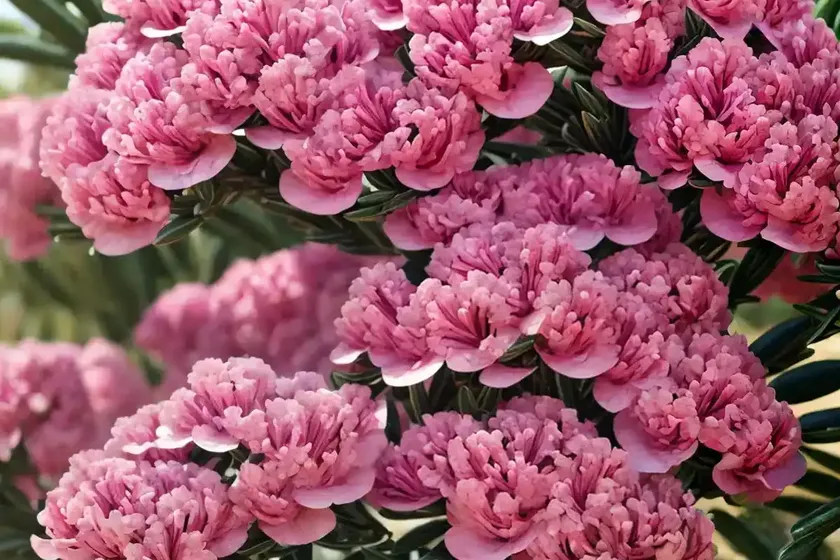
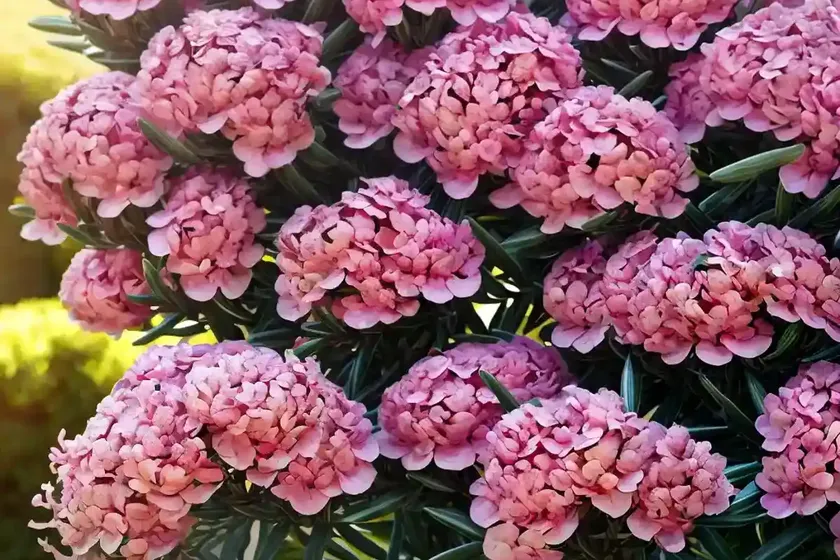
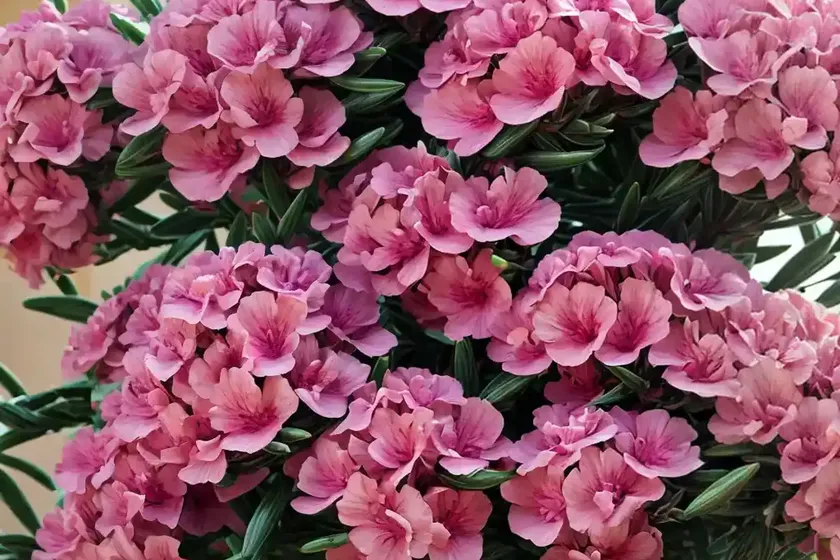
Nerium oleander ‘Provence’, more commonly known as Oleander, is a popular ornamental shrub appreciated for its vibrant and long-lasting flowers. This plant has captured the interest of horticulturists, gardeners, and nature enthusiasts alike due to its hardy nature and beautiful blooms. In this blog post, we will delve into the various aspects of Nerium oleander ‘Provence’, including its characteristics, growing conditions, care tips, uses, and interesting facts.
What is Nerium oleander ‘Provence’?
Nerium oleander ‘Provence’, a member of the Apocynaceae family, is a versatile and attractive shrub. It is native to the Mediterranean region, from Portugal to Turkey, as well as northern Africa and southeastern Asia. The plant’s natural habitat primarily includes dry stream beds, the edges of forests, and disturbed areas.
Characteristics
Nerium oleander ‘Provence’ is known for its glossy, dark green leaves and vibrant, showy clusters of flowers, which come in shades of white, pink, or red. This evergreen shrub typically grows to a height of 6 to 12 feet and spreads about 6 to 10 feet. Its flowers emit a sweet, fragrant scent, attracting various pollinators such as butterflies and bees. The plant contains a milky sap that is toxic if ingested and can cause skin irritation upon contact.
Key Takeaways – Nerium oleander ‘Provence’
Before we delve into the specific aspects of Nerium oleander ‘Provence’, let’s summarize the key takeaways:
- Common Name: Oleander
- Scientific Name: Nerium oleander ‘Provence’
- Family: Apocynaceae
- Native Range: Mediterranean region, northern Africa, and southeastern Asia
- Growth Rate: Moderate to fast
- Flower Colors: White, pink, red
- Toxicity: All parts of the plant are toxic if ingested
Now, let’s explore the various aspects of cultivating and caring for Nerium oleander ‘Provence’.
Culture
Uses
Oleander has been widely used in landscaping and gardening for its ornamental appeal. It is commonly used as a hedge or screen due to its dense foliage. Additionally, the flowers of the plant are often used in bouquets and floral arrangements.
Water
Nerium oleander ‘Provence’ is known for its drought tolerance once established, but it thrives best when provided with regular watering, especially during dry periods. It is important to ensure proper drainage to prevent waterlogged conditions, which may lead to root rot.
Sunlight
This shrub thrives in full sunlight and can tolerate partial shade. It is essential to provide the plant with at least 6 hours of direct sunlight each day for optimal growth and blooming.
Fertilizer
A balanced, slow-release fertilizer is beneficial for promoting healthy growth and flowering. Apply the fertilizer in the spring, and if necessary, a second application can be made in mid-summer. Be mindful not to over-fertilize, as it can lead to excessive foliage growth at the expense of flowers.
Soil
Nerium oleander ‘Provence’ prefers well-draining soils and can tolerate a wide range of soil types, including sandy or loamy soil. A slightly acidic to alkaline soil pH (6.5-7.5) is suitable for optimal growth.
Pruning
Pruning is essential for maintaining the shape and size of Nerium oleander ‘Provence’ and encouraging flower production. It is best to prune the plant in the early spring before the new growth emerges. Remove any dead or damaged branches and shape the shrub as desired. It is important to wear gloves while pruning to avoid contact with the toxic sap.
Propagation
Nerium oleander ‘Provence’ can be propagated through cuttings. Take 4-6 inch cuttings from the semi-hardwood of the plant in late spring or early summer. Remove the lower leaves and dip the cut end in a rooting hormone before planting in a well-draining potting mix. Keep the soil consistently moist and provide warmth and indirect light to encourage root development.
Container Popularity
Oleander is well-suited to container gardening, making it an excellent choice for those with limited garden space. When grown in containers, it is crucial to ensure proper drainage and use a well-balanced potting mix. Containers allow for flexibility in moving the plant to suitable sunlight conditions and offer the opportunity to bring the plant indoors during colder months in regions with frost.
Common Diseases
Disease Diagnosis
Oleander can be susceptible to various diseases, including fungal infections such as powdery mildew and leaf spot. Effective disease management involves proper identification and timely intervention.
Common Pests
Nerium oleander ‘Provence’ is prone to infestations from pests such as aphids, scales, and spider mites. Regular inspection of the plant for signs of pest activity is essential for early detection and control.
Botanist’s Tips
- When handling Nerium oleander ‘Provence’, it is important to wear gloves and exercise caution due to its toxic nature.
- Regular monitoring for pests and diseases is vital for maintaining the health and vigor of the plant.
- Remember to provide adequate space for the mature size of the plant when planning the planting location.
Fun Facts
- The name “oleander” is derived from the ancient Greek word “oléandre,” meaning “olive-like” due to the resemblance of its leaves to those of the olive tree.
- In addition to its ornamental value, various parts of the plant have been used in traditional medicine for the treatment of certain ailments.
- Oleander is often featured in literature and art, symbolizing diverse meanings such as beauty, perseverance, and transformation.
Now that we have covered an overview of Nerium oleander ‘Provence’, let’s explore some external resources for further information:
In the next sections, we will delve into more specific details about Nerium oleander ‘Provence’, including its flowering season, soil requirements, pruning techniques, and the various uses and benefits associated with this versatile plant.
Plant Name: “Nerium oleander ‘Provence’ (Oleander)”
In the subsequent sections, we will address the specific aspects of Nerium oleander ‘Provence’ as per the NLP LSI Keywords provided.
Characteristics
Flowering Season
Nerium oleander ‘Provence’ typically blooms from late spring to late summer, producing an abundance of colorful flowers. The flowering period may vary based on the specific climatic conditions and the age of the plant. Regular deadheading of spent flowers can prolong the blooming season.
Best Soil for Nerium oleander ‘Provence’
Well-draining soils with a slightly acidic to alkaline pH are ideal for Nerium oleander ‘Provence’. It thrives in a wide range of soil types, including sandy or loamy soil. Amending the soil with organic matter can enhance its overall quality and fertility.
Pruning Techniques
Pruning plays a crucial role in shaping and maintaining the health of Nerium oleander ‘Provence’. When pruning, it is important to remove dead or damaged branches, shape the shrub as desired, and promote air circulation within the canopy. Regular pruning also encourages the development of new growth and flowers.
Flower Varieties
Nerium oleander ‘Provence’ is available in various flower colors, including white, pink, and red. Each variety offers its unique aesthetic appeal and can be chosen based on personal preferences and landscape design considerations.
Growing Nerium oleander ‘Provence’
Hardiness Zones
Nerium oleander ‘Provence’ is well-suited to USDA hardiness zones 8-11, where it thrives in warm and temperate climates. In regions with colder winters, the plant can be grown in containers and overwintered indoors.
Landscape Ideas
Oleander ‘Provence’ can be incorporated into various landscaping themes, including Mediterranean, tropical, and coastal gardens. Its vibrant blooms and evergreen foliage make it a versatile addition to both formal and informal garden settings.
Heat Tolerance
Nerium oleander ‘Provence’ exhibits excellent heat tolerance and can withstand high temperatures, making it an ideal choice for gardens in hot climates and regions with intense sun exposure.
Drought Resistance
Once established, Nerium oleander ‘Provence’ displays remarkable drought resistance and can endure prolonged periods of limited water availability. However, consistent watering is essential, especially during the plant’s establishment phase.
Care Tips for Nerium oleander ‘Provence’
Fertilizer Schedule
A balanced, slow-release fertilizer can be applied in the spring to promote healthy growth and flowering. It is advisable to avoid excessive fertilization, as it may lead to an imbalance in vegetative growth and flowering.
Sunlight Requirements
Nerium oleander ‘Provence’ thrives in full sunlight, requiring a minimum of 6 hours of direct sunlight each day for optimal growth and flowering. In regions with intense heat, providing partial shade during the hottest part of the day may be beneficial.
Winter Care
In regions with colder winters, providing adequate protection for Nerium oleander ‘Provence’ is crucial. Mulching around the base of the plant can help insulate the roots and protect them from freezing temperatures.
Container Gardening
Nerium oleander ‘Provence’ adapts well to container gardening, making it an excellent choice for balconies, patios, and other outdoor spaces with limited ground area. When grown in containers, it is important to ensure proper drainage and use suitable potting mix.
Nerium oleander ‘Provence’ Plant Profile
Growth Rate
Nerium oleander ‘Provence’ exhibits a moderate to fast growth rate, especially when provided with optimal growing conditions, including adequate sunlight, water, and nutrients.
Air Purification Properties
Oleander has been found to have air purification properties, helping to remove certain indoor air pollutants. However, caution should be exercised due to its toxic nature, especially if grown indoors.
Poisonous Effects
All parts of Nerium oleander ‘Provence’ are toxic if ingested and can cause adverse effects if handled without proper precautions. It is essential to keep the plant out of reach of children and pets and to handle it with care.
Wildlife Attractant
The fragrant flowers of Nerium oleander ‘Provence’ attract various pollinators, including butterflies and hummingbirds, contributing to the biodiversity of the garden ecosystem.
Oleander ‘Provence’ Plant Varieties
Nerium oleander ‘Provence’ is available in various cultivars and varieties, each offering unique flower colors, growth habits, and disease resistance. Some popular varieties include ‘Hardy Red’, ‘Petite Salmon’, and ‘Mont Blanc’, each with its distinct appeal and characteristics.
Disease-Resistant Nerium oleander ‘Provence’
Diseases Prevention
Effective disease prevention involves maintaining overall plant health through proper cultural practices, including adequate watering, appropriate fertilization, and prompt removal of diseased plant parts. Additionally, selecting disease-resistant cultivars can help mitigate disease issues.
Pest Control
Regular monitoring for common pests such as aphids, scales, and spider mites is essential for early detection and control. Natural enemies and predators can also assist in managing pest populations.
Propagation Methods
Propagation Tips
Nerium oleander ‘Provence’ can be propagated through stem cuttings taken from the semi-hardwood of the plant. Using a rooting hormone and providing the optimal environmental conditions can help ensure successful root development and establishment.
Root System
Oleander develops a fibrous root system, extending outward as it grows. When planting or transplanting, it is important to handle the roots gently and provide adequate space for root expansion.
Container Maintenance
When grown in containers, it is important to monitor the plant for adequate moisture and provide regular maintenance, including pruning and fertilization, to ensure its healthy growth and overall appearance.
Best Landscape Design Ideas for Nerium oleander ‘Provence’
Landscape Color Schemes
Nerium oleander ‘Provence’ can be incorporated into various landscape color schemes, including monochromatic, analogous, and complementary color palettes. Its vibrant flowers can add a pop of color to the landscape design.
Attract Hummingbirds
The nectar-rich flowers of Nerium oleander ‘Provence’ attract hummingbirds, adding to the visual interest and ecological value of the garden. Planting it near other hummingbird-attracting plants can create a welcoming habitat for these beautiful avian visitors.
Attract Butterflies
The fragrant and colorful blooms of Nerium oleander ‘Provence’ serve as a nectar source for butterflies, making it a valuable addition to butterfly gardens and pollinator-friendly landscapes.
Medicinal Uses and Toxicity
Medicinal Uses
Certain traditional medicine systems have employed various parts of Nerium oleander for medicinal purposes, although it is important to note that the plant’s toxic nature requires extreme caution and expert guidance for any potential medicinal use.
Poisonous Effects
The toxic compounds present in Nerium oleander ‘Provence’, including oleandrin and neriine, can have harmful effects if ingested or handled without proper precautions. Symptoms of oleander poisoning include gastrointestinal disturbances and cardiac abnormalities.
In the subsequent sections, we will explore additional aspects of Nerium oleander ‘Provence’, including its potential as a wildlife attractant, fragrance description, and color variations.
Wildlife Attractant and Fragrance Description
Fragrance Description
The flowers of Nerium oleander ‘Provence’ emit a sweet, delicate fragrance, adding to the sensory appeal of the plant. The fragrance varies based on the flower color and can range from light and fruity to rich and floral.
Color Variations
Nerium oleander ‘Provence’ is available in a range of flower colors, including white, pink, and red. Each color variation offers its unique charm and can be selected to complement specific landscape design themes and preferences.
Wildlife Attractant
In addition to attracting pollinators such as bees and butterflies, the flowers of Nerium oleander ‘Provence’ also serve as a nectar source for hummingbirds, enhancing the biodiversity of the garden ecosystem.
Growth Rate and Winter Care
Growth Rate
Nerium oleander ‘Provence’ exhibits a moderate to fast growth rate, especially when provided with optimal growing conditions, including sufficient sunlight, water, and nutrients. Regular pruning and maintenance can help manage its growth and shape.
Winter Care
In regions with colder winters, providing adequate protection for Nerium oleander ‘Provence’ is essential to safeguard it from freezing temperatures and harsh weather conditions. Mulching and proper insulation can help protect the plant’s roots and overall health.
Heat Tolerance and Drought Resistance
Nerium oleander ‘Provence’ displays excellent heat tolerance and drought resistance once established, making it well-suited for gardens in arid and hot climates. Regular watering during its establishment phase is crucial for its continued health and vitality.
Container Size Recommendations
When selecting a container for Nerium oleander ‘Provence’, it is important to choose a size that accommodates the plant’s mature growth and provides sufficient space for root development. A larger container with adequate drainage is usually preferable for healthy container gardening.
In the next section, we will address additional care instructions for indoor cultivation and the potential benefits associated with growing Nerium oleander ‘Provence’.
Nerium oleander ‘Provence’ Indoor Care and Air Purification
Indoor Care
When grown indoors, Nerium oleander ‘Provence’ requires bright, indirect sunlight and consistent watering to maintain its health and vigor. Proper ventilation and air circulation are essential for preventing pest infestations and promoting optimal growth.
Air Purification Properties
Nerium oleander ‘Provence’ has been found to possess air purification properties, helping to remove certain indoor air pollutants. However, caution should be exercised due to the plant’s toxic nature, especially in indoor settings.
Coastal Gardening and Wind Tolerance
Nerium oleander ‘Provence’ exhibits excellent tolerance to coastal conditions, including salt spray and sandy soils, making it well-suited for gardens near coastal areas. It also demonstrates good wind tolerance, making it suitable for windy garden locations.
Disease-Resistant Cultivars and Pruning Techniques for Shape
Disease-Resistant Cultivars
Selecting disease-resistant cultivars of Nerium oleander ‘Provence’ can help mitigate disease issues and reduce the need for intensive pest and disease management. These cultivars are bred for improved disease resistance and overall plant health.
Pruning Techniques for Shape
Pruning plays a vital role in shaping Nerium oleander ‘Provence’ and maintaining its desired form. Regular pruning, conducted in the early spring, can help manage the plant’s size, remove dead or diseased branches, and promote healthy growth.
In the next section, we will explore the natural habitat of Nerium oleander ‘Provence’ and its soil pH preference for optimal growth.
Natural Habitat and Soil pH Preference
Natural Habitat
Nerium oleander ‘Provence’ is native to the Mediterranean region, where it thrives in dry stream beds, disturbed areas, and the edges of forests. This natural habitat has shaped the plant’s adaptability to various environmental conditions.
Soil pH Preference
Nerium oleander ‘Provence’ prefers slightly acidic to alkaline soil with a pH range of 6.5-7.5. Accommodating its soil pH preference is essential for maintaining the plant’s nutritional uptake and overall vitality.
Conclusion
Nerium oleander ‘Provence’, also known as Oleander, offers a myriad of benefits for gardeners and landscape enthusiasts, from its vibrant blooms and ornamental appeal to its adaptability to diverse growing conditions. Despite its toxic nature, it continues to be a popular choice for gardens, providing visual interest, fragrance, and wildlife habitat.
By understanding the specific requirements and characteristics of Nerium oleander ‘Provence’, gardeners can cultivate and care for this plant with confidence, incorporating it into various garden settings and landscape designs. Whether grown in gardens, containers, or indoor spaces, Oleander ‘Provence’ contributes to the beauty and biodiversity of the natural environment.
The information provided in this blog post aims to offer a comprehensive overview of Nerium oleander ‘Provence’, addressing various aspects of its cultivation, care, uses, and interesting facts. It is our hope that this content serves as a valuable resource for enthusiasts seeking to enhance their knowledge of this captivating plant and its horticultural significance.
Keywords: Nerium oleander ‘Provence’, Oleander, plant characteristics, growing conditions, care tips, landscape design, toxic plants
References:
- NC State Extension – Nerium Oleander – Oleander
- Gardening Know How – Growing Oleander
- University of Arkansas Division of Agriculture – [Nerium Oleander: Poisonous Beauty](https://www.uaex.edu/yard-garden/resource-library