Nerium Oleander ‘Petite Salmon’ (Oleander)
Nerium oleander ‘Petite Salmon’ is a beautiful and versatile flowering plant that is prized by gardeners for its vibrant blooms and resilience in various.
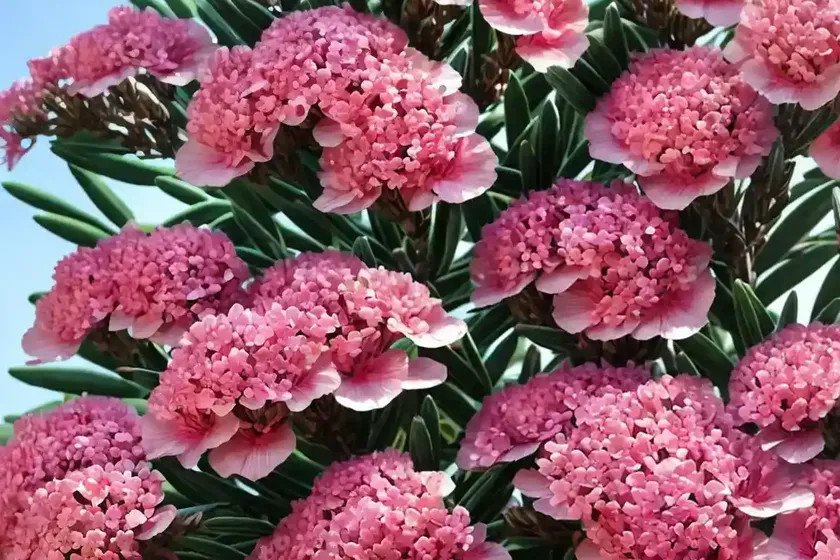
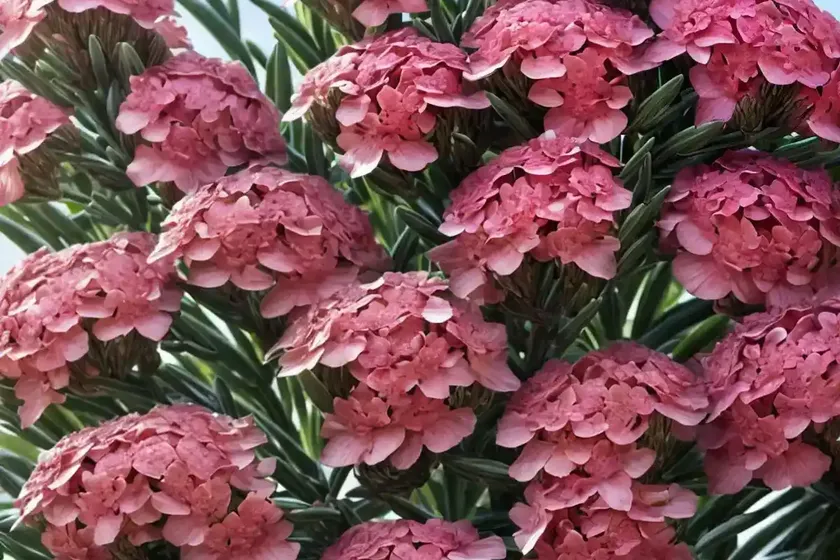
Nerium oleander ‘Petite Salmon’ is a beautiful and versatile flowering plant that is prized by gardeners for its vibrant blooms and resilience in various growing conditions. In this comprehensive guide, we will delve into the various aspects of caring for and cultivating this stunning plant, including its cultural requirements, propagation methods, common pests and diseases, and its role in landscaping. Whether you are a novice gardener or an experienced horticultural enthusiast, this guide will provide you with valuable insights into maximizing the potential of Nerium oleander ‘Petite Salmon’ in your garden or landscape.
What is Nerium Oleander ‘Petite Salmon’?
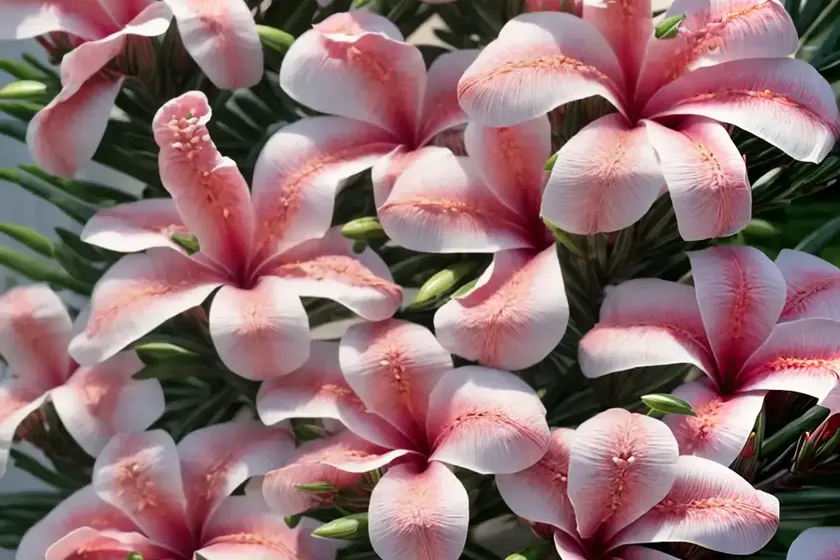
Nerium oleander ‘Petite Salmon’ is a compact and bushy evergreen shrub that belongs to the Apocynaceae family. It is a cultivated variety of the larger Nerium oleander species, which is native to the Mediterranean region and parts of Asia. The ‘Petite Salmon’ cultivar is distinguished by its showy clusters of fragrant, salmon-pink flowers and glossy, dark green foliage, making it a popular choice for ornamental gardening and landscaping.
Key Takeaways
Before diving into the specific aspects of cultivating and caring for Nerium oleander ‘Petite Salmon’, let’s highlight some key takeaways about this stunning plant:
- Botanical Name: Nerium oleander ‘Petite Salmon’
- Common Name: Oleander ‘Petite Salmon’
- Plant Type: Evergreen shrub
- Flower Color: Salmon-pink
- Foliage: Glossy, dark green
- Fragrance: Sweet, floral scent
- Growth Habit: Compact and bushy
- Hardiness Zones: 8-11
- Uses: Ornamental plant, landscaping, container gardening
Now, let’s explore the essential aspects of cultivating and caring for Nerium oleander ‘Petite Salmon’, including its cultural requirements, propagation techniques, common pests and diseases, and its role as a container plant and in landscaping.
Culture
Water
Proper irrigation is crucial for the health and vitality of Nerium oleander ‘Petite Salmon’. While this plant is relatively drought-tolerant once established, it thrives when provided with regular moisture, particularly during the active growing season. When watering your Oleander ‘Petite Salmon’, aim to keep the soil evenly moist but not waterlogged. Water deeply, allowing the top layer of the soil to dry out between watering sessions to prevent waterlogging, which can lead to root rot.
In periods of prolonged drought or intense heat, it is essential to provide supplemental watering to support the plant’s vigor and encourage prolific flowering. However, it’s important to strike a balance, as overwatering can also lead to detrimental consequences for the plant’s health.
Sunlight
Nerium oleander ‘Petite Salmon’ thrives in full sunlight, making it an ideal choice for sunny garden beds, borders, and landscaping features. When selecting a planting site for your Oleander ‘Petite Salmon’, ensure that it receives at least 6-8 hours of direct sunlight each day. Adequate sunlight not only promotes robust growth and abundant flowering but also enhances the plant’s overall visual appeal, showcasing its vibrant blooms and glossy foliage to their full potential.
In regions with scorching summers, providing some protection from the intense afternoon sun can benefit the plant, particularly during the peak of summer. However, in general, Nerium oleander ‘Petite Salmon’ is well-suited to sunny and warm locations, where it can thrive and flourish.
Fertilizer
Fertilizing Oleander ‘Petite Salmon’ can help support healthy growth and prolific flowering, particularly in nutrient-deficient soils or container-grown specimens. When selecting a fertilizer for your Nerium oleander, opt for a balanced, slow-release fertilizer that provides essential nutrients without promoting excessive vegetative growth at the expense of blooms. A fertilizer with a formulation such as 10-10-10 or 20-20-20 can be suitable for providing a balanced blend of nitrogen, phosphorus, and potassium, along with essential micronutrients.
Apply the fertilizer in spring as new growth emerges, following the manufacturer’s recommendations regarding application rates and frequency. Avoid over-fertilizing, as this can lead to an imbalance in nutrient uptake and potentially cause harm to the plant. Additionally, refrain from applying fertilizer in late summer or fall, as this can stimulate tender growth that may be susceptible to damage from frost or cold temperatures.
Soil
Nerium oleander ‘Petite Salmon’ thrives in well-draining, slightly acidic to neutral soil with a loamy or sandy texture. While this plant is relatively adaptable to a range of soil types, including clay soils, it is essential to ensure that the soil provides adequate drainage to prevent waterlogging, which can lead to root rot and other issues.
Before planting your Oleander ‘Petite Salmon’, amend the soil with organic matter such as compost or well-rotted manure to improve its structure, fertility, and moisture retention capabilities. This can be particularly beneficial when working with sandy or excessively well-draining soils, helping to create a more conducive environment for the plant’s root system.
Pruning
Pruning plays a vital role in shaping the growth habit of Nerium oleander ‘Petite Salmon’ and promoting abundant flowering. Prune your Oleander ‘Petite Salmon’ in late winter or early spring, before the onset of new growth, to remove any dead, damaged, or diseased branches. Additionally, this is an opportune time to shape the plant and maintain its desired size and form, encouraging a bushy and compact growth habit.
When pruning, use sharp, clean pruners to make precise cuts, ensuring that the wounds are clean and the risk of disease is minimized. As Oleander ‘Petite Salmon’ can be susceptible to certain pests and diseases, proactive pruning practices can help mitigate these risks and ensure the plant’s long-term health and vitality.
Propagation
Nerium oleander ‘Petite Salmon’ can be propagated through various methods, including seeds, stem cuttings, and division. Stem cuttings are a popular and effective means of propagating this plant, particularly for preserving the specific characteristics of the ‘Petite Salmon’ cultivar. To propagate Oleander ‘Petite Salmon’ from cuttings:
- Select a healthy, non-flowering stem from the parent plant, measuring approximately 4-6 inches in length.
- Carefully remove any lower leaves to expose the nodes where roots will form.
- Dip the cut end of the stem in a rooting hormone to promote root development.
- Plant the cutting in a well-draining potting mix, ensuring that the soil is kept consistently moist while the cutting establishes roots.
Place the potted cutting in a warm, sheltered location with bright, indirect light, and maintain adequate moisture levels to support the rooting process. After several weeks, the cutting should develop roots and can be transplanted into a larger container or into the garden.
Container Popularity
Nerium oleander ‘Petite Salmon’ is well-suited to container cultivation, making it an excellent choice for patio gardens, balconies, and other confined spaces. When grown in containers, Oleander ‘Petite Salmon’ can be positioned on sunny patios or against south-facing walls, where it can bask in ample sunlight and showcase its vibrant blooms and glossy foliage.
Select a spacious container with adequate drainage holes to accommodate the plant’s root system and promote healthy growth. Use a well-draining potting mix formulated for container plants, which can provide the necessary support, aeration, and moisture retention for the plant. Additionally, regular watering and fertilization are essential for container-grown Nerium oleander ‘Petite Salmon’, as potted plants are more reliant on the resources provided within their confined environment.
Container Common Diseases
While container gardening offers numerous advantages for cultivating Nerium oleander ‘Petite Salmon’, there are specific diseases that can affect plants grown in containers. Some common diseases to watch out for in container-grown Oleander ‘Petite Salmon’ include:
- Root rot: Overwatering or inadequate drainage can lead to root rot in container plants, compromising the health and vigor of the plant. To prevent this, ensure that the container provides ample drainage and that the soil is allowed to dry out slightly between watering sessions.
- Powdery mildew: This fungal disease can affect Oleander ‘Petite Salmon’ grown in containers, particularly in humid or poorly ventilated conditions. To mitigate powdery mildew, provide adequate air circulation and maintain moderate humidity levels around the plant.
- Leaf spot: Certain leaf spot diseases can impact container-grown Nerium oleander ‘Petite Salmon’, resulting in unsightly blemishes and potentially compromising the plant’s overall health. Implementing proper watering practices and avoiding overhead watering can help minimize the risk of leaf spot diseases.
Maintaining a vigilant approach to plant health and promptly addressing any signs of disease can help safeguard container-grown Oleander ‘Petite Salmon’ and ensure its sustained vitality and ornamental appeal.
Disease Diagnosis
Diagnosing and addressing diseases in Nerium oleander ‘Petite Salmon’ is essential for preserving the plant’s health and vitality. When observing symptoms of disease, such as unusual discoloration, wilting, or deformities, it is essential to identify the underlying cause and implement appropriate measures to mitigate the issue. Some common steps for diagnosing diseases in Oleander ‘Petite Salmon’ include:
- Visual inspection: Carefully examine the plant for any signs of pests, fungal growth, or abnormal symptoms, focusing on the leaf surfaces, stems, and overall growth habit.
- Research common diseases: Familiarize yourself with the common diseases that can affect Oleander ‘Petite Salmon’, such as fungal infections, bacterial diseases, and viral pathogens. This can help narrow down potential causes of the observed symptoms.
- Seek professional guidance: If uncertain about the nature of the disease affecting your Nerium oleander ‘Petite Salmon’, consider reaching out to a horticultural expert, local extension service, or plant clinic for diagnosis and treatment recommendations.
Prompt and accurate disease diagnosis is pivotal for implementing targeted treatments and preventative measures to protect the plant and prevent the spread of diseases to other garden specimens.
Common Pests
Several pests can pose a threat to the health and aesthetics of Nerium oleander ‘Petite Salmon’, requiring proactive management to minimize their impact. Some common pests that can affect Oleander ‘Petite Salmon’ include:
- Aphids: These small, sap-sucking insects can infest the new growth and undersides of leaves, causing distortion, yellowing, and reduced vigor. Natural predators, such as ladybugs, lacewings, and predatory insects, can help control aphid populations, or you can use insecticidal soaps for management.
- Scale insects: These pests can appear as small, raised bumps on the stems and foliage of Nerium oleander ‘Petite Salmon’, feeding on the plant’s sap and potentially causing wilting and decline. Prune and dispose of heavily infested plant parts, and consider using horticultural oils to manage scale insect populations.
- Spider mites: Spider mites are microscopic pests that can cause stippling, webbing, and decline in affected plants. Increasing humidity, pruning infested plant parts, and using insecticidal soaps or oils can help control spider mite infestations.
By regularly monitoring your Oleander ‘Petite Salmon’ for signs of pest activity and promptly addressing infestations, you can safeguard the plant’s health and minimize the risk of damage from common garden pests.
Botanist’s Tips
As horticultural enthusiasts and botany devotees, we are always eager to share practical tips and insights for cultivating and caring for plants such as Nerium oleander ‘Petite Salmon’. Here are some botanist’s tips to help you maximize the potential of your Oleander ‘Petite Salmon’:
- Pollinator attraction: Nerium oleander ‘Petite Salmon’ is known to attract a variety of pollinators, including bees, butterflies, and hummingbirds, with its vibrant blooms and sweet fragrance. Consider incorporating this plant into pollinator gardens or wildlife-friendly landscapes to support native pollinators and enhance biodiversity.
- Mulching benefits: Applying a layer of organic mulch around the base of Oleander ‘Petite Salmon’ can provide numerous benefits, including moisture retention, weed suppression, and soil temperature moderation. Use a layer of mulch, such as shredded bark or compost, to conserve soil moisture and support the plant’s overall health.
- Companion planting: Pairing Nerium oleander ‘Petite Salmon’ with compatible companion plants can create visually appealing and ecologically functional garden displays. Consider combining Oleander ‘Petite Salmon’ with other Mediterranean-inspired plants, such as lavender, rosemary, and salvias, to create cohesive and low-maintenance garden themes.
By incorporating these botanist’s tips into your approach to cultivating Nerium oleander ‘Petite Salmon’, you can enrich your gardening experience and create thriving, vibrant landscapes for years to come.
Fun Facts
Exploring the intriguing and unique aspects of Nerium oleander ‘Petite Salmon’ can offer fascinating insights into this beloved plant’s natural history and cultural significance. Here are some fun facts about Oleander ‘Petite Salmon’ to pique your interest:
- Medicinal heritage: Oleander has a historical association with medicinal uses, particularly in traditional herbal medicine and folk remedies. However, it is essential to emphasize that all parts of the Nerium oleander plant are highly toxic if ingested and should never be used for medicinal purposes without expert guidance.
- Cultural symbolism: In certain cultures, including ancient Greek and Roman traditions, oleander has been associated with diverse symbolic meanings, including beauty, resilience, and transformative qualities. Additionally, the plant’s allure and toxicity have contributed to its inclusion in various legends, folklore, and literary works.
- Versatile uses: While primarily appreciated for its ornamental value, Nerium oleander ‘Petite Salmon’ has been employed in various creative applications, from natural dyes derived from its flowers to its potential use in erosion control and landscape restoration.
These fun facts shed light on the multifaceted nature of Oleander ‘Petite Salmon’ and its rich cultural and ecological significance throughout history.
Links to External Resources
To further expand your knowledge and exploration of Nerium oleander ‘Petite Salmon’, we have compiled a selection of external resources that provide valuable insights and practical information about this captivating plant:
- Royal Horticultural Society (RHS) – Nerium oleander ‘Petite Salmon’ Profile
- University of Florida IFAS Extension – Oleander Cultivation Guide
- Missouri Botanical Garden – Nerium oleander ‘Petite Salmon’ Plant Profile
By delving into these external resources, you can broaden your understanding of Nerium oleander ‘Petite Salmon’ and further enrich your gardening expertise with practical insights and expert recommendations.
In conclusion, Nerium oleander ‘Petite Salmon’ embodies a compelling combination of ornamental beauty, cultural significance, and horticultural versatility, making it a cherished addition to gardens, landscapes, and horticultural collections. By embracing the cultivation and care guidelines outlined in this comprehensive guide, you can harness the full potential of Oleander ‘Petite Salmon’ and create vibrant, captivating landscapes that showcase the enduring allure of this beloved plant.
Remember to celebrate Oleander ‘Petite Salmon’ for its unique attributes, while also acknowledging the importance of responsible horticultural practices and safety considerations when interacting with this captivating plant.
Happy gardening!