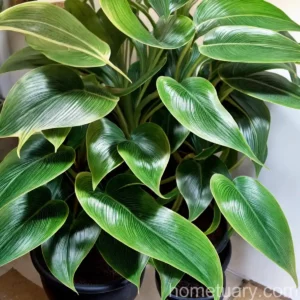
Pothos (Epipremnum aureum): The Ultimate Care Guide
The Pothos plant, scientifically known as Epipremnum aureum, is a versatile and popular plant known for its ease of care, air-purifying properties, and attractive trailing growth habit. This tropical plant is native to the Solomon Islands and has become a favorite among indoor plant enthusiasts due to its ability to thrive in a variety of environmental conditions. Whether you’re a seasoned plant parent or a beginner looking to add greenery to your space, this comprehensive care guide will equip you with the knowledge and tips needed to nurture and enjoy the beauty of Pothos plants in your home.
What is Pothos (Epipremnum aureum)?
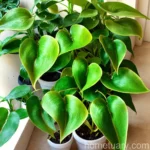
Pothos, also commonly referred to as Devil’s Ivy, is a species of flowering plant in the arum family, Araceae. It is characterized by its heart-shaped leaves and its vining growth habit, making it an ideal choice for hanging baskets or as a trailing plant in a pot. Epipremnum aureum is known for its adaptability and resilience, thriving in a wide range of light and moisture conditions. In addition to its low-maintenance care requirements, Pothos is prized for its ability to improve indoor air quality by filtering out toxins such as formaldehyde and benzene.
Key Takeaways – Pothos (Epipremnum aureum)
Culture
- Pothos, or Epipremnum aureum, is a versatile and popular plant known for its ease of care and air-purifying properties.
- It is native to the Solomon Islands and features heart-shaped leaves and a trailing growth habit.
Uses
- Pothos is commonly used as an indoor decorative plant, valued for its ability to improve indoor air quality.
- Its trailing growth habit makes it suitable for hanging baskets and as a trailing plant in pots.
Water
- Pothos prefers moderately moist soil and should be watered when the top inch of the soil becomes dry.
- Overwatering should be avoided, as it can lead to root rot and other moisture-related issues.
Sunlight
- Pothos thrives in bright, indirect light but can tolerate lower light conditions.
- It should be protected from direct sun exposure, as this can lead to leaf scorching.
Fertilizer
- Regular fertilization with a balanced, water-soluble fertilizer supports the healthy growth of Pothos plants.
- Fertilization should be reduced during the winter months when growth slows down.
Soil
- Well-draining, peat-based potting mixes are ideal for Pothos plants.
- The soil should be rich in organic matter and have good moisture retention properties.
Pruning
- Pruning helps maintain the desired shape and size of the plant, as well as encourages bushier growth.
- Regularly removing yellowing or damaged leaves also promotes overall plant health.
Propagation
- Pothos plants can be easily propagated through stem cuttings placed in water or directly in soil.
- This allows for the creation of new plants and is a simple way to expand your Pothos collection.
Container
- Pothos plants thrive in containers with drainage holes to prevent waterlogging.
- The choice of container influences the overall aesthetic of the plant and should complement its trailing growth habit.
Popularity
- Pothos is a highly popular indoor plant due to its low-maintenance care requirements and aesthetic appeal.
- It is often recommended for beginners and individuals looking to enhance the visual appeal of their indoor spaces.
Common Diseases
- Pothos plants are susceptible to root rot, leaf spot diseases, and other fungal issues related to overwatering.
- Proper watering practices and good airflow can help prevent these common diseases.
Common Pests
- Mealybugs, spider mites, and aphids are common pests that can affect Pothos plants.
- Regular inspection and prompt treatment help keep pest infestations under control.
Botanist’s Tips
- Known for its resilience, Pothos can tolerate a variety of environmental conditions, making it an adaptable and forgiving plant.
- Regularly wiping the leaves with a damp cloth helps maintain their glossy appearance and removes dust buildup, allowing for better photosynthesis.
Fun Facts
- The Pothos plant is named after the genus ‘Epipremnum’, which means “upon tree” in reference to its climbing habits.
- Its common name, Devil’s Ivy, is derived from its ability to thrive in low light and neglect, seeming almost impossible to kill.
Links to External Resources
For more detailed information on Pothos (Epipremnum aureum) care, propagation, and common issues, refer to the following resources:
- Pothos Care Guide – The Spruce
- Epipremnum aureum Care Tips – Gardening Know How
- Propagation of Pothos Plants – University of Florida
- Common Problems with Pothos – University of Vermont Extension
With an understanding of the key elements related to the care and maintenance of Pothos plants, let’s delve deeper into each aspect to provide a comprehensive guide for plant enthusiasts and beginners alike.
Pothos (Epipremnum aureum) Care Guide
Pothos Care Tips
Watering
Proper watering is crucial to the health of Pothos plants. Although they are relatively forgiving in terms of water requirements, it’s essential to find the right balance to prevent issues such as root rot. This can be achieved by following these watering tips:
- Frequency: Water your Pothos plant when the top inch of the soil is dry. Depending on the environmental conditions and the season, this could range from once a week to every 10-14 days.
- Water Quality: Use room-temperature water to avoid shocking the plant, and if possible, allow tap water to sit out for 24 hours to dissipate any chlorine and reduce fluoride levels.
- Drainage: Ensure that the container has proper drainage holes to prevent water from accumulating at the bottom, which can lead to root rot.
Sunlight
While Pothos plants are adaptable to various light conditions, they thrive in bright, indirect light. Understanding their light requirements and providing the optimal environment ensures healthy growth and vibrant foliage. Consider the following tips when it comes to sunlight:
- Ideal Light Conditions: Place your Pothos plant in a location that receives bright, indirect light, such as near a north-facing window or several feet away from an east or west-facing window.
- Avoid Direct Sunlight: Protect the plant from direct sunlight, as this can lead to leaf scorching and damage.
Fertilization
Proper fertilization supports the growth and vibrancy of Pothos plants. By providing essential nutrients, you can ensure that your plant continues to thrive. Consider the following tips for fertilizing your Pothos:
- Fertilizer Type: Select a balanced, water-soluble fertilizer with an N-P-K ratio of 20-20-20 or 10-10-10.
- Application Frequency: Fertilize your Pothos plant every 4-6 weeks during the growing season (spring and summer) and reduce fertilization to every 6-8 weeks during the fall and winter.
- Dilution: Follow the instructions on the fertilizer label for the correct dilution ratio to avoid over-fertilization.
Soil
Choosing the right type of soil is essential for the health and growth of your Pothos plant. The soil should provide adequate drainage and moisture retention to prevent waterlogging and support root development. Consider the following soil tips for Pothos plants:
- Well-Draining Mix: Use a well-draining potting mix that includes components such as peat, perlite, and pine bark to promote optimal drainage.
- Moisture Retention: The soil should also have good moisture retention properties to ensure that the plant’s roots receive adequate hydration between waterings.
Pruning
Pruning is an essential aspect of Pothos plant care, helping to maintain the desired shape and promoting bushier growth. Additionally, removing yellowing or damaged leaves supports overall plant health. Follow these pruning tips to keep your Pothos looking its best:
- Tools: Use clean, sharp scissors or pruning shears to make precise cuts and minimize the risk of damage to the plant.
- Pruning Frequency: Regularly inspect the plant for yellowing or damaged leaves and trim them as needed to maintain the plant’s appearance.
Propagation
The ability to propagate Pothos plants through stem cuttings is a fun and rewarding way to expand your plant collection or share the joy of gardening with others. Whether in water or soil, the following tips will help you successfully propagate your Pothos plants:
- Choosing Cuttings: Select healthy stem cuttings with at least two nodes and remove any leaves from the lower node to be placed in the growing medium.
- Water Propagation: Place the cuttings in a container with water, ensuring that the nodes are submerged while the leaves remain above the waterline. Change the water regularly to prevent stagnation.
- Soil Propagation: Insert the cuttings into a pot with moist potting mix, lightly pressing the soil around the nodes. Keep the soil consistently moist and provide the appropriate light conditions for root development.
Container
Selecting the right container for your Pothos plant not only influences its overall aesthetic but also plays a role in ensuring proper drainage and root development. Consider the following tips when choosing a container:
- Drainage Holes: Opt for containers with drainage holes to prevent waterlogging and promote healthy root growth.
- Size: Choose a container that allows for adequate spacing for the plant’s roots and accommodates its trailing growth habit.
Epipremnum Aureum Care Guide
Pothos Plant Varieties
Pothos plants are available in a variety of cultivars, each showcasing unique leaf patterns and colors. Understanding the different varieties allows you to select plants that align with your aesthetic preferences and design vision for your living space. Consider the following common Pothos plant varieties:
- Golden Pothos: Characterized by its heart-shaped green leaves streaked with golden-yellow variegation, this is one of the most popular Pothos varieties.
- Marble Queen Pothos: This variety features lush, variegated leaves with creamy-white and green marbling, adding an elegant touch to any indoor setting.
- Neon Pothos: With its vibrant, neon-green leaves, this cultivar adds a pop of color to any room and thrives in the same conditions as other Pothos varieties.
- Jade Pothos: Known for its glossy, green leaves, the Jade Pothos is a classic choice for adding lush greenery to both homes and offices.
Light Requirements
Understanding the light requirements of Epipremnum aureum is essential for ensuring that the plant receives the optimal amount of light for healthy growth. Consider the following insights into Pothos plant light requirements:
- Bright, Indirect Light: Place your Pothos plant in a location that receives bright, indirect light to support vibrant foliage and robust growth.
- Low-Light Tolerance: While Pothos plants thrive in bright conditions, they can also tolerate lower light levels, making them adaptable to a variety of indoor environments.
Water Needs
Maintaining appropriate moisture levels is crucial for the health and vitality of Pothos plants. Monitoring the plant’s water needs allows you to prevent issues such as overwatering or underwatering. Consider the following guidelines for watering Epipremnum aureum:
- Moderate Moisture: Aim to keep the soil moderately moist, allowing the top inch to dry out before watering again.
- Avoid Overwatering: Overwatering can lead to root rot and other moisture-related issues, so it’s important to let the soil dry out slightly between waterings.
Indoor Plant Benefits
In addition to its aesthetic appeal, Pothos plants offer several benefits as indoor plants, including their air-purifying properties and minimal care requirements. Understanding these benefits enhances the overall appreciation of Epipremnum aureum as an indoor plant. Consider the following advantages of having Pothos plants indoors:
- Air Purification: Pothos plants are effective air purifiers, helping to remove toxins such as formaldehyde, benzene, and trichloroethylene from indoor air.
- Low-Maintenance: Their resilience and adaptability make Pothos plants an ideal choice for individuals seeking low-maintenance plant care without compromising on visual appeal.
Trailing Plant
The trailing growth habit of Pothos plants makes them a versatile and visually appealing addition to any indoor space. Understanding and appreciating this growth habit allows you to leverage it for decorative and aesthetic purposes within your home. Consider the following insights into the trailing growth habit of Pothos plants:
- Hanging Baskets: Pothos plants are commonly displayed in hanging baskets, allowing their trailing vines to cascade and create an elegant, cascading effect.
- Trailing Pots: When placed in pots on elevated surfaces, the trailing vines of Pothos plants add a dynamic and visually captivating element to the indoor environment.
Pest Control
Proactive pest control measures are essential for preventing pest infestations that can compromise the health of your Pothos plants. Monitoring the plant and taking prompt action against common pests ensures its continued vitality. Consider the following tips for pest control with Pothos plants:
- Regular Inspection: Routinely check the plant for signs of common pests such as mealybugs, spider mites, and aphids, focusing on the undersides of leaves and along the stems.
- Natural Remedies: When dealing with pests, consider using natural remedies such as insecticidal soap or neem oil to minimize the impact on the plant and its environment.
Additional Care Insights
Best Soil for Pothos Plants
Selecting the right soil is crucial for the overall health and well-being of Pothos plants. By providing the appropriate growing medium, you can ensure that the plant’s root system develops optimally and that moisture is retained effectively. Consider the following insights into the best soil for Pothos plants:
- Well-Draining Potting Mix: Use a well-draining potting mix that combines ingredients such as peat, perlite, and pine bark to promote proper drainage and aeration.
- Organic Matter: The soil should contain organic matter to support nutrient retention and root health, ensuring the plant receives essential elements for growth.
Epipremnum Aureum Light Requirements
Understanding the light requirements of Epipremnum aureum allows you to provide an optimal environment for healthy growth and vibrant foliage. By aligning with the plant’s specific needs, you can create a thriving and visually appealing indoor space. Consider the following insights into the light requirements of Pothos plants:
- Indirect Light: Place your Pothos plant in a location that receives bright, indirect light to support robust growth and variegated foliage patterns.
- Low-Light Tolerance: While the plant thrives in bright conditions, it can also tolerate low-light environments, making it adaptable to various indoor settings.
Pothos Plant Growth Stages
Understanding the growth stages of Pothos plants allows you to anticipate and respond to the plant’s changing needs as it matures. By recognizing these stages, you can adjust your care routines and provide the necessary support for healthy, consistent growth. Consider the following insights into the growth stages of Pothos plants:
- Establishment Phase: During the initial stages, the plant focuses on developing its root system and acclimating to its new environment, requiring consistent moisture and optimal light conditions.
- Vining Growth: As the plant matures, it begins to display its distinctive trailing growth habit, with new leaves and vines emerging from the central stem.
Epipremnum Aureum Variegated Leaves
The variegated leaves of Pothos plants contribute to their aesthetic appeal and visual interest, showcasing an array of colors and patterns that enhance indoor spaces. Understanding the variations in leaf patterns allows you to appreciate the unique beauty of Epipremnum aureum. Consider the following insights into the variegated leaves of Pothos plants:
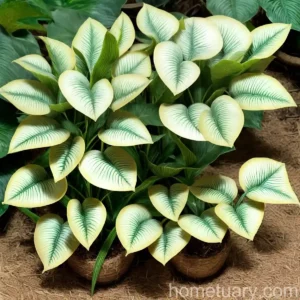
- Color Variations: Variegated leaves can exhibit shades of green, yellow, and white, creating striking contrast and patterns that add visual appeal to the plant.
- Aesthetic Enhancement: Variegation contributes to the overall aesthetic appeal of Pothos plants, making them a sought-after choice for indoor décor.
Pothos Plant Health Benefits
In addition to its ornamental value, Pothos plants offer several health benefits as indoor companions, contributing to a positive and nurturing indoor environment. Understanding and appreciating these benefits adds further value to the presence of Pothos plants in your home. Consider the following health benefits of Pothos plants:
- Air Purification: Pothos plants aid in removing toxins from indoor air, promoting cleaner and healthier living spaces.
- Stress Reduction: Indoor greenery, such as Pothos plants, has been linked to stress reduction and improved overall well-being.
Epipremnum Aureum Trailing Vine Care
The trailing vine of Pothos plants is a distinctive feature that contributes to their versatility and visual impact. Caring for these trailing vines allows you to maintain the plant’s appearance and capitalize on its dynamic growth habit. Consider the following tips for caring for the trailing vines of Epipremnum aureum:
- Support Structure: If growing the plant in a pot, provide a support structure such as a moss pole or trellis to encourage upward growth and prevent the vines from trailing excessively.
- Pinching Back: Periodically pinch back the trailing vines to encourage bushier growth and prevent leggy, unproductive growth.
Pothos Plant Container Gardening
Container gardening with Pothos plants provides an opportunity to create visually engaging displays and incorporate greenery into small or confined spaces. Maximizing the potential of container gardening allows you to explore creative possibilities with Pothos plants. Consider the following insights into container gardening with Pothos plants:
- Aesthetic Arrangements: Combining Pothos plants with other compatible indoor plants in containers creates visually appealing displays and enhances the overall aesthetic of indoor spaces.
- Vertical Gardens: Utilize hanging baskets and vertical planters to create stunning vertical gardens that showcase the trailing growth habit of Pothos plants.
Epipremnum Aureum Low-Maintenance Plant
Pothos plants are celebrated for their low-maintenance care requirements, making them an excellent choice for individuals seeking greenery without the demands of high-maintenance plants. Understanding and appreciating these low-maintenance qualities further enhances the appeal of Epipremnum aureum. Consider the following insights into the low-maintenance nature of Pothos plants:
- Adaptability: Pothos plants are adaptable to a wide range of environmental conditions, allowing them to thrive in various indoor settings with minimal intervention.
- Forgiving Nature: Their resilience and forgiving nature make Pothos plants an ideal choice for beginners and individuals with busy lifestyles.
Conclusion
Pothos (Epipremnum aureum) plants are versatile, resilient, and visually captivating additions to any indoor space. By understanding and implementing the care tips and insights provided in this comprehensive guide, you can nurture