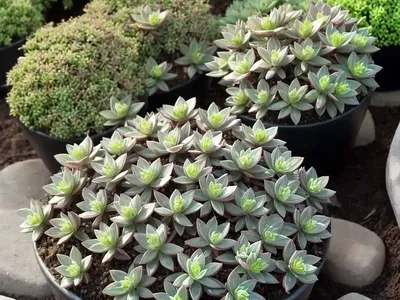
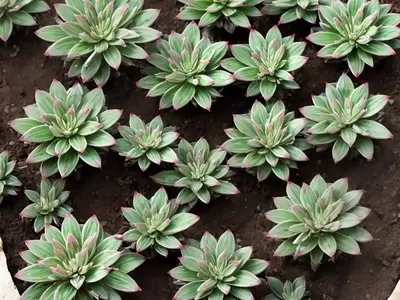
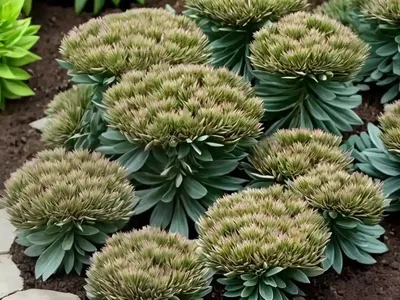
Needle Stonecrop (Sedum Lineare)
Plants are an essential and fascinating part of our world. They are not only the foundation of the Earth’s ecosystems but also provide us with food.
Introduction to Plant Science
Plants are an essential and fascinating part of our world. They are not only the foundation of the Earth’s ecosystems but also provide us with food, medicine, oxygen, and beauty. As a plant scientist, I am constantly amazed by the diversity of plants and their crucial role in sustaining life on our planet. In this blog post, we will delve into the captivating world of the Needle Stonecrop (Sedum Lineare) – a resilient and versatile plant that holds immense cultural, ecological, and horticultural significance.
What is Needle Stonecrop (Sedum Lineare)?
The Needle Stonecrop, scientifically known as Sedum Lineare, is a delightful succulent plant that belongs to the family Crassulaceae. Originating from East Asia, particularly China and Japan, this plant has gained popularity for its adaptability, low maintenance requirements, and ornamental value. With its needle-like foliage and delicate white flowers, Sedum Lineare adds a touch of elegance to various landscapes and garden settings.
Sedum Lineare Characteristics
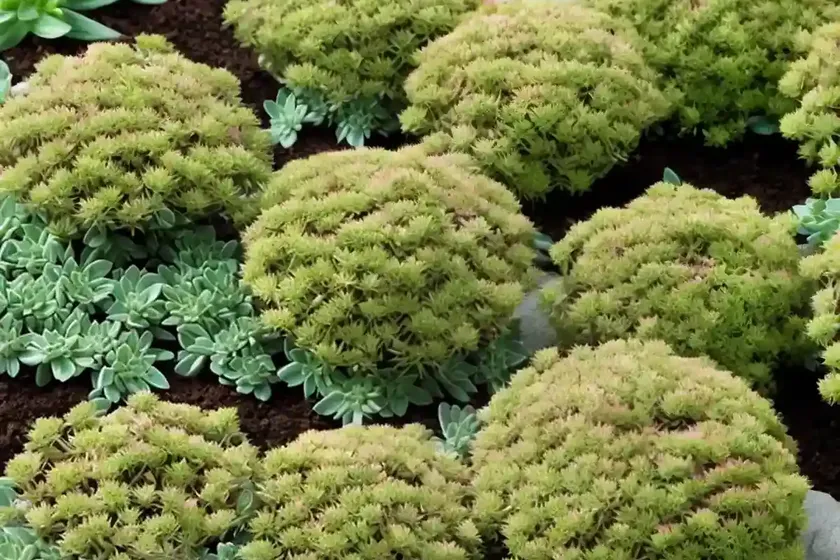
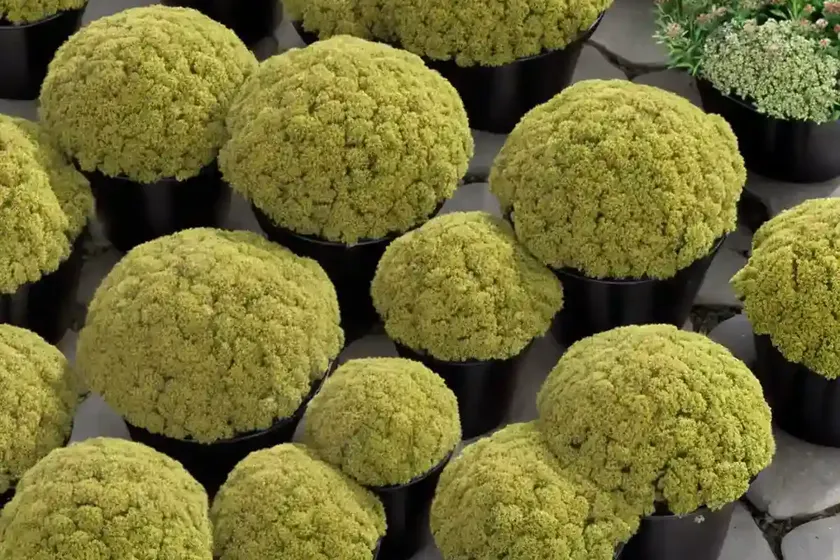
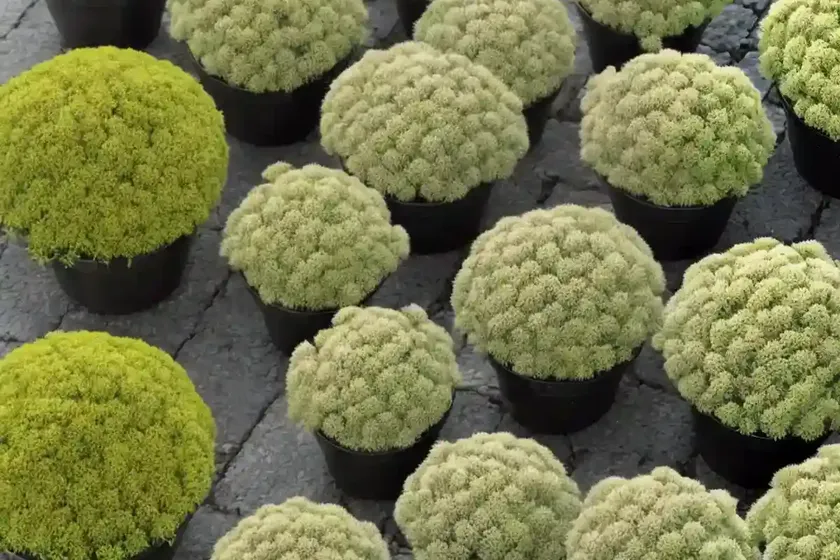
Characterized by its slender, needle-shaped leaves and dainty star-shaped flowers, Sedum Lineare is a visually striking plant. The leaves are arranged in whorls along the stems, creating a unique and attractive foliage pattern. The plant typically grows in spreading mats or low mounds, making it an excellent choice for groundcover and rock gardens. Its adaptability to diverse growing conditions further enhances its appeal to gardeners and landscaping enthusiasts.
Key Takeaways – Needle Stonecrop (Sedum Lineare)
Let’s explore the key aspects of Needle Stonecrop (Sedum Lineare), including its cultural significance, growing requirements, care tips, propagation methods, and ecological benefits.
Culture
The culture of a plant encompasses its historical, social, and symbolic significance. Needle Stonecrop (Sedum Lineare) has been an integral part of various cultural practices and traditions, often associated with symbolism, folklore, and medicinal uses. Its resilience and aesthetic appeal have also made it a popular choice in modern landscaping and ecological design.
Uses
As a versatile plant, Needle Stonecrop (Sedum Lineare) serves multiple purposes, including ornamental landscaping, erosion control, and ecological restoration. Its compact growth habit and drought tolerance make it suitable for various landscape settings, from rock gardens and green roofs to xeriscapes and contemporary architectural designs.
Water
Understanding the water requirements of Sedum Lineare is essential for ensuring its optimal growth and health. While it is known for its ability to withstand periods of drought, providing sufficient water during the establishment phase and dry spells is crucial. Proper watering practices contribute to the resilience and vitality of this remarkable plant.
Sunlight
Sunlight plays a fundamental role in the growth and development of Needle Stonecrop (Sedum Lineare). It thrives in full sun to partial shade, displaying vibrant foliage and abundant flowering when provided with adequate sunlight. Understanding its sunlight preferences is paramount for harnessing its ornamental and ecological potential.
Fertilizer
Appropriate fertilization practices contribute to the vigor and flowering capacity of Sedum Lineare. Understanding the nutritional needs of the plant and choosing suitable fertilizers can enhance its visual appeal and ecological performance. Implementing balanced fertilization practices is essential for maintaining the health and vitality of this remarkable succulent.
Soil
The soil requirements of Sedum Lineare influence its overall growth and adaptability. Understanding the ideal soil conditions, including drainage, pH levels, and organic matter content, is crucial for cultivating thriving populations of this remarkable plant. Tailoring soil preparations to meet its specific needs can significantly impact its performance in diverse landscapes.
Pruning
Pruning is a valuable horticultural practice that promotes the health, aesthetics, and longevity of Needle Stonecrop (Sedum Lineare). Timely and skillful pruning techniques can shape the plant, rejuvenate its growth, and enhance its ornamental value. Understanding the principles of pruning and applying them judiciously can optimize its performance in various garden and landscape settings.
Propagation
The propagation of Sedum Lineare enables gardeners and horticulturists to expand its presence and harness its ecological benefits. Understanding different propagation methods, including division, stem cuttings, and seed propagation, provides opportunities for cultivating diverse varieties and utilizing them in a range of landscape and ecological applications.
Container Popularity
Needle Stonecrop (Sedum Lineare) has earned popularity as a container plant, adding charm and resilience to various indoor and outdoor settings. Understanding its suitability for container cultivation and implementing appropriate care practices are essential for maximizing its ornamental potential in diverse lifestyle and horticultural contexts.
Common Diseases
Managing diseases effectively is essential for maintaining the health and vigor of Sedum Lineare. Understanding common diseases that affect this plant, along with their symptoms and control measures, can help in preventing and mitigating potential disease problems in garden and landscape settings.
Disease Diagnosis
Accurate diagnosis of diseases is crucial for implementing targeted control measures and preserving the health of Needle Stonecrop (Sedum Lineare). Recognizing disease symptoms and identifying causal agents enable timely intervention and effective management strategies to safeguard this remarkable plant.
Common Pests
Pests can pose significant challenges to the well-being of Needle Stonecrop (Sedum Lineare), requiring vigilant monitoring and management. Understanding common pests that afflict this plant, along with ecologically friendly control options, is paramount for preserving its aesthetic and ecological value in diverse garden and landscape settings.
Botanist’s Tips
Insights from botanists and plant scientists provide valuable guidance for cultivating and appreciating Needle Stonecrop (Sedum Lineare). Gaining practical advice and expert tips can enhance the success and enjoyment of growing this remarkable plant.
Fun Facts
Unveiling the intriguing aspects and fun facts about Sedum Lineare adds an extra layer of appreciation for this remarkable plant. Exploring its unique characteristics, cultural significance, and ecological contributions enriches our understanding and admiration of Needle Stonecrop.
Now that we have established the key topics to cover, let’s delve into each aspect in detail to gain a comprehensive understanding of Needle Stonecrop (Sedum Lineare).
Sedum Lineare Characteristics
Sedum Lineare, commonly known as Needle Stonecrop, exhibits a range of distinctive characteristics that contribute to its appeal and versatility. Let’s explore its notable features:
-
Needle-Shaped Foliage: The needle-like leaves of Sedum Lineare create a striking visual effect, with slender, elongated foliage arranged in whorls along the stems. This unique leaf structure sets it apart from other succulent species, adding an element of sophistication to its appearance.
-
Star-Shaped Flowers: The delicate white flowers of Sedum Lineare bloom in clusters, forming charming star-shaped blooms that add a touch of elegance to the plant. This flowering display enhances its ornamental value and provides a source of nectar for pollinators.
-
Compact Growth Habit: Sedum Lineare typically forms spreading mats or low mounds, making it an excellent choice for groundcover and rock garden plantings. Its compact growth habit contributes to its utility in various landscape and horticultural applications.
-
Drought Tolerance: Adapted to thrive in arid environments, Sedum Lineare exhibits exceptional drought tolerance, making it suitable for xeriscapes, green roofs, and other water-wise landscaping designs. Its ability to withstand periods of low moisture availability enhances its ecological value.
-
Resilience: As a resilient plant, Sedum Lineare can withstand challenging growing conditions, including poor soil quality, limited water availability, and harsh sunlight. Its adaptability and toughness make it a valuable asset in landscape restoration and ecological stabilization projects.
-
Low Maintenance Requirements: Needle Stonecrop (Sedum Lineare) is known for its low maintenance needs, making it a popular choice for gardeners and landscapers seeking versatile plants that require minimal care. Its self-sufficiency and ease of cultivation contribute to its widespread appeal.
By understanding the distinct characteristics of Sedum Lineare, we can appreciate its aesthetic appeal, ecological resilience, and horticultural versatility. These features form the foundation for exploring its cultural significance, growing requirements, care tips, and ecological benefits.
Growing Needle Stonecrop
Cultivating Needle Stonecrop (Sedum Lineare) in garden and landscape settings requires an understanding of its specific requirements and growth habits. Let’s delve into the key considerations for successfully growing this remarkable plant.
Soil Requirements: Sedum Lineare thrives in well-draining soil with moderate fertility levels. It prefers sandy or gravelly soils that provide good aeration and drainage. Amending the soil with organic matter can enhance its moisture retention capacity while maintaining optimal drainage.
Sunlight Preferences: Providing ample sunlight is crucial for the growth and flowering of Needle Stonecrop. It flourishes in full sun to partial shade, displaying vibrant foliage colors and profuse flowering when exposed to adequate sunlight. Ensuring proper light exposure is essential for harnessing its ornamental potential.
Watering Needs: While Sedum Lineare is drought-tolerant once established, it benefits from regular watering during the initial establishment phase. Watering deeply but infrequently promotes robust root development and helps the plant acclimate to its growing environment. Once established, it can withstand dry conditions but may appreciate occasional supplemental irrigation during prolonged periods of drought.
Temperature Tolerance: Needle Stonecrop (Sedum Lineare) exhibits a good tolerance for a wide range of temperatures. It can withstand both heat and cold, making it suitable for diverse climatic conditions. Protecting it from extreme temperature fluctuations and providing adequate shelter during harsh weather conditions can further support its growth and resilience.
Fertilization Practices: Sedum Lineare generally thrives in leaner soils and does not require heavy fertilization. Applying a balanced, low-nitrogen fertilizer at the beginning of the growing season can provide the necessary nutrients for healthy growth and flowering. Over-fertilization should be avoided to prevent excessive vegetative growth at the expense of flowering.
Pruning and Maintenance: Regular maintenance practices, including occasional pruning, deadheading faded flowers, and removing autumn debris, can promote the overall health and appearance of Needle Stonecrop. Pruning can help rejuvenate the plant, stimulate new growth, and maintain its compact form.
By understanding the specific growing requirements of Sedum Lineare, including soil, sunlight, water, temperature, fertilization, and maintenance needs, gardeners and horticulturists can create conducive environments for its optimal growth and performance.
Sedum Lineare Care Tips
Providing attentive care and timely maintenance can significantly enhance the vigor and aesthetic appeal of Needle Stonecrop (Sedum Lineare). Here are some essential care tips for cultivating and nurturing this remarkable plant:
-
Site Selection: Choose a well-drained planting location that receives ample sunlight, especially in cooler climates, to ensure optimal growth and flowering of Sedum Lineare.
-
Watering Practices: During the establishment phase, water the plant moderately, allowing the soil to dry out between watering sessions. Once established, reduce watering frequency and prioritize deep, infrequent irrigation to promote strong root development and drought tolerance.
-
Soil Preparation: Prepare the planting area by amending the soil with organic matter to improve its structure and moisture retention capacity. Ensure proper drainage to prevent waterlogging, which can be detrimental to the roots of Sedum Lineare.
-
Seasonal Considerations: Monitor the plant during extreme weather conditions, such as prolonged periods of intense heat or severe cold, and provide protection or water as needed to support its resilience and survival.
-
Pruning and Deadheading: Trim back overgrown or damaged foliage, and remove spent flowers to encourage continued blooming and maintain the plant’s compact form.
-
Fertilization Practices: Apply a balanced fertilizer sparingly in early spring to provide essential nutrients for healthy growth and flowering. Avoid excessive fertilization, particularly with high-nitrogen formulations, to prevent excessive vegetative growth.
By following these care tips, gardeners can ensure the well-being and ornamental value of Needle Stonecrop (Sedum Lineare), enhancing its performance in various landscape and horticultural settings.
Needle Stonecrop Varieties
The diversity of Needle Stonecrop (Sedum Lineare) extends to a range of cultivated varieties and hybrids, offering gardeners and landscape designers a selection of options to suit their specific preferences and growing conditions. Let’s explore some popular varieties of Sedum Lineare:
| Variety | Description |
|---|---|
| ‘Variegatum’ | This variety features variegated leaves with creamy white edges, adding an attractive visual contrast to the foliage. |
| ‘Golden Teardrops’ | Known for its bright golden-yellow foliage, this variety creates a striking display in garden borders and rockeries. |
| ‘Red Carpet’ | A low-growing variety with vibrant red-tinged foliage, ‘Red Carpet’ forms dense mats, making it an excellent choice for groundcover. |
| ‘Silver Frost’ | This variety showcases silvery-gray foliage that imparts a cool and elegant appearance to the plant, ideal for modern landscaping designs. |
By exploring these varieties of Sedum Lineare, gardeners can select options that align with their design preferences, color schemes, and landscape requirements, adding diversity and visual interest to their planting schemes.
Sedum Lineare Propagation Methods
Propagating Needle Stonecrop (Sedum Lineare) allows for the expansion of its presence in garden and landscape settings, providing opportunities to create new plantings and enhance its ecological contributions. Let’s explore several propagation methods for cultivating Sedum Lineare:
-
Division: Propagating Sedum Lineare through division involves separating mature clumps into smaller sections, each with healthy roots and foliage. This method allows for the rapid multiplication of plants and is best performed in early spring.
-
Stem Cuttings: Taking stem cuttings from the parent plant and rooting them in a well-draining propagation medium is an effective way to propagate Sedum Lineare. Select healthy, non-flowering stems for optimal success in this propagation method.
-
Seed Propagation: Growing Sedum Lineare from seeds provides an avenue for creating diverse populations and exploring genetic variation. Sowing seeds in a suitable propagation medium and providing the necessary conditions for germination can yield new plants for garden and landscape use.
By mastering these propagation methods, gardeners and horticulturists can expand the presence of Needle Stonecrop (Sedum Lineare) and explore its potential in various horticultural and ecological applications.
Needle Stonecrop Planting Guide
Embracing the planting guide for Sedum Lineare enables gardeners to establish thriving populations of this remarkable plant in their desired garden and landscape settings. Let’s outline the essential steps for planting Needle Stonecrop:
-
Site Selection: Choose a well-drained, sunny to partially shaded location for planting, ensuring that the soil is suitable for Sedum Lineare’s growth habits and water needs.
-
Soil Preparation: Prepare the planting area by amending the soil with organic matter to improve its structure and fertility. Ensure proper drainage to prevent waterlogging, which can be detrimental to the roots of Sedum Lineare.
-
Planting Depth: Bury the root ball of Sedum Lineare at the same level as it was in the nursery container, ensuring that the crown of the plant is at the soil surface.
-
Spacing: Allow adequate spacing between individual plants to accommodate their spreading growth habit, promoting air circulation and reducing competition for resources.
-
Watering: Water the newly planted Sedum Lineare thoroughly to help settle the soil and support its initial establishment. Follow up with regular, deep watering during the initial growth phase and adjust the frequency based on the plant’s moisture needs.
-
Mulching: Apply a layer of organic mulch around the base of Sedum Lineare to conserve soil moisture, suppress weeds, and provide insulation during extreme temperature fluctuations.
By following this planting guide, gardeners can create conducive environments for the successful establishment and growth of Needle Stonecrop (Sedum Lineare), maximizing its ornamental value and ecological contributions in diverse landscape settings.
Sedum Lineare in Containers
Harnessing the adaptability and ornamental appeal of Needle Stonecrop (Sedum Lineare) in container plantings offers numerous possibilities for integrating it into various indoor and outdoor settings. Let’s explore the considerations for cultivating Sedum Lineare in containers:
-
Container Selection: Choose well-draining containers of appropriate size to accommodate the growth habits and space requirements of Sedum Lineare. Select containers with drainage holes to prevent waterlogging and root rot.
-
Potting Mix: Use a well-draining potting mix formulated for succulents and cacti, ensuring adequate aeration and moisture retention capacity to support the growth of Sedum Lineare.
-
Sunlight Exposure: Position the containers in locations that receive ample sunlight, such as south-facing windowsills or bright outdoor spaces, to ensure optimal growth and flowering of Sedum Lineare.
-
Watering Practices: Water container-grown Sedum Lineare sparingly, allowing the soil to dry out between watering sessions. Avoid overwatering, as excessive moisture can lead to root rot and other water-related problems.
-
Maintenance: Monitor the container plantings for signs of overgrowth, root congestion, or depleted soil fertility, and repot or refresh the potting mix as needed to support the health and vigor of Sedum Lineare.
By incorporating Sedum Lineare into container plantings, individuals can enjoy its ornamental beauty, resilience, and low maintenance requirements in diverse indoor and outdoor living spaces, adding a touch of elegance and natural charm to their surroundings.
Needle Stonecrop Maintenance
Effective maintenance practices are integral to ensuring the long-term health, vigor, and ornamental value of Needle Stonecrop (Sedum Lineare) in garden and landscape settings. Let’s explore the key aspects of Sedum Lineare maintenance:
-
Pruning: Regular pruning can help manage the growth of Sedum Lineare, remove dead or damaged foliage, and promote a compact and tidy appearance. Pruning can also stimulate new growth and encourage continuous flowering.
-
Deadheading: Removing spent flowers from Sedum Lineare can redirect the plant’s energy into producing new blooms, prolonging the flowering period and enhancing its visual appeal.
-
Weed Control: Maintaining weed-free planting areas around Sedum Lineare can reduce competition for resources, decrease pest and disease pressures, and support the plant’s overall vigor and health.
-
Fertilization: Apply a balanced, low-nitrogen fertilizer sparingly in early spring to provide essential nutrients for the growth and flowering of Sedum Lineare. Avoid over-fertilizing, as this can lead to excessive vegetative growth at the expense of flowering.
By integrating these maintenance practices into the care regimen for Sedum Lineare, gardeners and horticulturists can ensure the continuous health, vitality, and aesthetic appeal of this remarkable plant in diverse garden and landscape settings.
Sedum Lineare Soil Requirements
Understanding the specific soil requirements of Needle Stonecrop (Sedum Lineare) is crucial for creating suitable growing environments that support its optimal growth and performance. Let’s explore the essential soil requirements for cultivating Sedum Lineare:
-
Drainage: Sedum Lineare thrives in well-draining soil that prevents waterlogging and root rot. Amending heavy clay soils with sand or gravel promotes better drainage and aeration, supporting the plant’s resilience and adaptability.
-
pH Levels: Needle Stonecrop prefers slightly acidic to neutral soil with a pH range of 6.0 to 7.5. Testing the soil pH and adjusting it as needed can create favorable conditions for the growth and flowering of Sedum Lineare.
-
Organic Matter Content: Incorporating organic matter, such as compost or well-rotted manure,