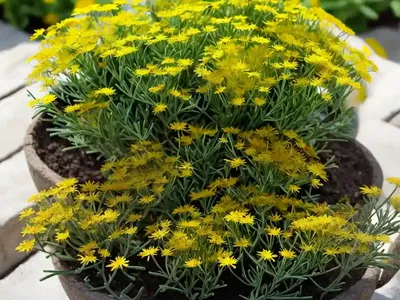
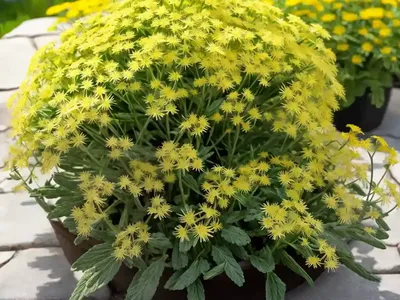
Narrow-Leaved Ragwort (Senecio Inaequidens)
Plants are diverse living organisms that belong to the kingdom Plantae. They are characterized by their ability to photosynthesize, which means they can.
What is Plant?
Plants are diverse living organisms that belong to the kingdom Plantae. They are characterized by their ability to photosynthesize, which means they can convert light energy into chemical energy in the form of glucose. There are over 390,000 different species of plants, ranging from tiny mosses to giant trees, and they play a crucial role in the Earth’s ecosystems.
Plants provide the oxygen we breathe, serve as the base of the food chain, and contribute to the water cycle. They also have numerous uses for humans, ranging from food and medicine to building materials and ornamental purposes. Studying plants and their interactions with the environment is the focus of plant science, a field that encompasses various disciplines such as botany, ecology, genetics, and agriculture.
In this blog post, we will delve into the fascinating world of plants by focusing on one specific species – Narrow-Leaved Ragwort (Senecio inaequidens). We’ll explore its characteristics, cultural significance, uses, and cultivation tips, as well as its ecological impact, invasive potential, and management strategies. Let’s embark on an exciting journey to unravel the secrets of this intriguing plant!
Narrow-Leaved Ragwort (Senecio inaequidens)
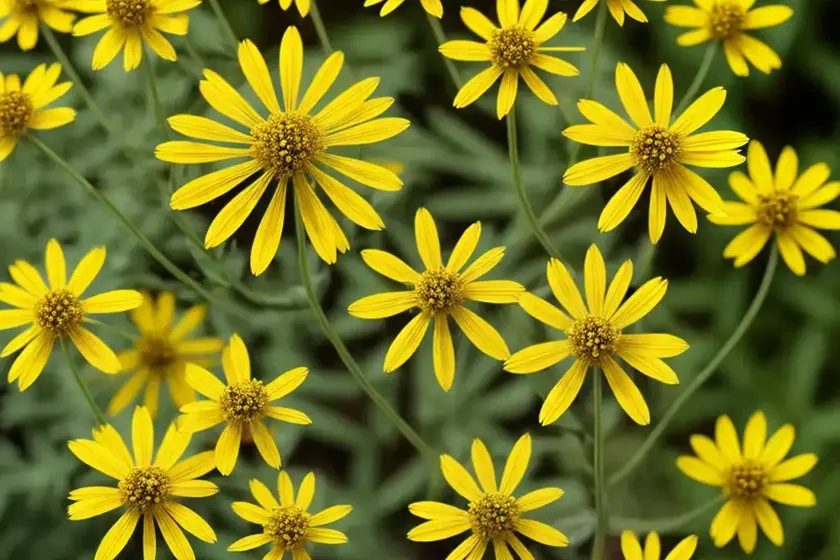
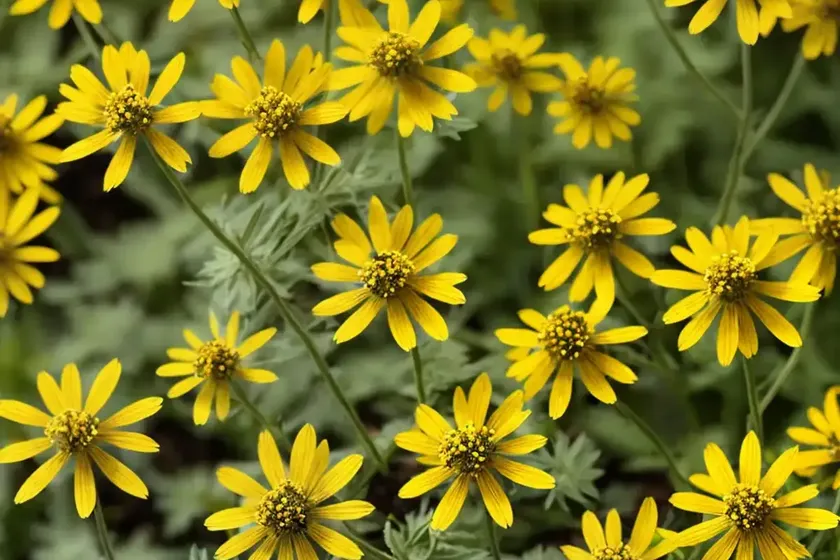
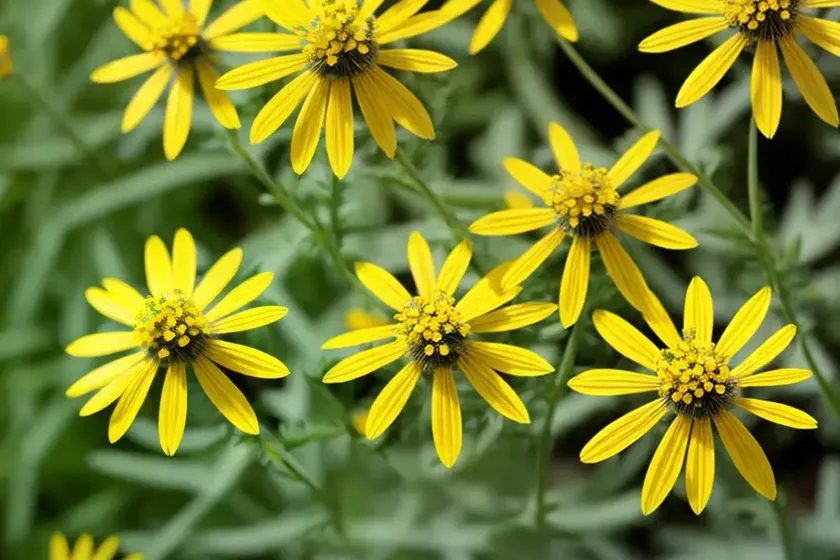
Narrow-Leaved Ragwort (Senecio inaequidens), also known as narrow-leaved groundsel, is a species of flowering plant in the daisy family (Asteraceae). It is native to South Africa and has been introduced to several other regions, including Europe, North America, and Asia. This plant is recognized for its rapid spread and ability to colonize various habitats, making it a subject of interest for ecologists, conservationists, and horticulturists.
Key Takeaways
Before we delve further into the specifics of Narrow-Leaved Ragwort, let’s overview the key takeaways that we will cover in this article. These points will serve as a roadmap for our exploration of this fascinating plant:
- Identification: Recognizing the characteristics that distinguish Senecio inaequidens from other plant species.
- Habitat: Understanding the natural environments where Narrow-Leaved Ragwort thrives.
- Growth Requirements: Exploring the specific conditions essential for the successful growth of this plant.
- Care Tips: Providing insights into the best practices for nurturing and maintaining Narrow-Leaved Ragwort.
- Invasive Species: Examining the invasive potential of Senecio inaequidens and its ecological impact.
- Control Methods: Discussing strategies to manage and prevent the spread of Narrow-Leaved Ragwort.
- Native Range and Distribution: Tracing the origins and global distribution of this plant.
- Flowering Season: Noting the specific times when Narrow-Leaved Ragwort blooms.
- Toxicity: Understanding the potential toxic properties of this plant and its implications.
- Ecological Impact: Assessing the broader ecological consequences of the presence of Senecio inaequidens.
Now that we have outlined our journey, let’s delve into the world of Narrow-Leaved Ragwort and unravel its mysteries.
Culture
Uses
Narrow-Leaved Ragwort (Senecio inaequidens) has both ecological and horticultural significance. While it has been labeled as an invasive species in some regions, it also possesses certain medicinal properties and can contribute to ecological restoration efforts. Understanding the diverse uses and implications of this plant is essential for effectively managing its presence.
Ecological Uses
- Habitat Colonization: In its native range and in certain non-native regions, Senecio inaequidens has demonstrated its ability to colonize disturbed habitats. This characteristic can be beneficial in ecological restoration projects aimed at rehabilitating degraded lands.
- Wildlife Habitat: The rapid growth of Narrow-Leaved Ragwort can create valuable habitats for certain wildlife species, providing shelter and food sources in areas where other vegetation may struggle to establish.
Medicinal Uses
While caution must be exercised due to its potential toxic properties, some traditional uses of Senecio inaequidens include:
- Wound Healing: In some cultures, extracts from Narrow-Leaved Ragwort have been used topically to aid in wound healing. However, it is important to note that this practice should be approached with significant care due to the plant’s potential toxicity.
Understanding the cultural and ecological roles of Narrow-Leaved Ragwort is essential for taking a holistic approach to its management and harnessing its potential benefits while mitigating its negative impacts.
Water
Understanding the water needs of Narrow-Leaved Ragwort is crucial for its successful cultivation and management. While this plant can exhibit a degree of adaptability, providing the appropriate water conditions can optimize its growth and minimize its potential to spread in unintended areas.
Water Requirements
- Moderate Watering: Senecio inaequidens typically thrives in moderately moist soils. While it can tolerate brief periods of dryness, consistent moisture is beneficial for its growth, especially during the establishment phase.
- Drainage: Ensuring proper drainage to prevent waterlogging is essential, as excessive moisture can lead to the proliferation of Narrow-Leaved Ragwort in unwanted areas.
Sunlight
Sunlight plays a pivotal role in the growth and performance of plants, and Senecio inaequidens is no exception. Understanding its sunlight requirements is crucial for creating optimal conditions for its cultivation.
Sunlight Preferences
- Full Sun to Partial Shade: Narrow-Leaved Ragwort generally flourishes in locations with ample sunlight, but it can also tolerate partial shade. However, providing adequate sunlight tends to promote robust growth and flowering.
- Consideration for Invasive Potential: In regions where Senecio inaequidens is considered invasive, managing its exposure to sunlight can be a strategic approach for controlling its spread.
Fertilizer
Applying fertilizers thoughtfully and in accordance with the specific needs of Narrow-Leaved Ragwort can contribute to its healthy growth while minimizing its potential for invasive spread.
Fertilization Practices
- Minimal Fertilization: In horticultural settings, it is advisable to apply minimal fertilizer to Senecio inaequidens, as excessive nutrients can lead to overly vigorous growth and potential invasiveness.
- Balanced Formulations: If fertilization is deemed necessary, using balanced, slow-release formulations can help sustainably support the plant’s growth without causing excessive proliferation.
Soil
The soil composition plays a critical role in determining the growth and spread of Narrow-Leaved Ragwort. Understanding its soil preferences and adapting cultivation practices accordingly is essential for effective management.
Soil Requirements
- Well-Drained Soil: Senecio inaequidens thrives in well-drained soils, and it is important to avoid waterlogged conditions to prevent excessive spreading.
- Adaptability: While it prefers fertile and loamy soils, Narrow-Leaved Ragwort exhibits a degree of adaptability and can establish in a range of soil types, including disturbed and nutrient-poor substrates.
Pruning
Pruning is an essential practice in plant care, and understanding the appropriate techniques for Narrow-Leaved Ragwort can contribute to its maintenance and control.
Pruning Techniques
- Regular Removal of Seed Heads: As Senecio inaequidens can propagate readily via its abundant seeds, removing the spent flower heads can help limit its reproductive output and minimize its spread.
- Containment: Pruning to restrict the size and spread of the plant can be especially important in regions where Narrow-Leaved Ragwort is considered invasive.
Propagation
Understanding the propagation methods of Narrow-Leaved Ragwort is instrumental in both horticultural and ecological contexts. By controlling its propagation, the potential for invasiveness can be managed, while targeted propagation can also be utilized for ecological restoration efforts.
Propagation Methods
- Seed Propagation: Senecio inaequidens naturally reproduces prolifically via seeds, and caution should be exercised in managing its seed production and dispersal to prevent unintended proliferation.
- Controlled Propagation: In horticultural settings, utilizing controlled propagation methods such as division or stem cuttings can help manage the spread of Narrow-Leaved Ragwort and confine its cultivation to designated areas.
Container Popularity
In horticulture, container gardening has gained popularity due to its versatility and space-saving attributes. Understanding the adaptability of Narrow-Leaved Ragwort to container cultivation is essential for integrating it into diverse garden designs.
Container Cultivation
- Suitability for Containers: Senecio inaequidens can thrive in containers, making it suitable for balconies, patios, and small garden spaces.
- Containment: Cultivating Narrow-Leaved Ragwort in containers provides an effective means of containment, reducing the risk of its spread into natural ecosystems.
Common Diseases
Plants are susceptible to various diseases, and understanding the potential afflictions of Narrow-Leaved Ragwort is crucial for its management and maintenance.
Disease Diagnosis
- Powdery Mildew: Senecio inaequidens can be susceptible to powdery mildew, a fungal disease that manifests as a powdery white coating on the leaves. Monitoring for signs of this disease is essential for prompt intervention.
Common Pests
Insects and other arthropods can pose threats to the health and vigor of plants. Recognizing the potential pests of Narrow-Leaved Ragwort is essential for implementing targeted pest management strategies.
Pest Resistance
- Aphids: Like many plants, Senecio inaequidens can be susceptible to aphid infestations, which can impact its growth and vigor. Implementing measures to manage aphid populations can help safeguard the health of this plant.
Botanist’s Tips
As a plant scientist, I would like to offer some additional tips and insights based on my expertise in working with plants and studying ecological interactions.
Fun Facts
- Global Distribution: Narrow-Leaved Ragwort has rapidly spread to various regions worldwide, demonstrating its adaptability and tenacity as an invasive species.
- Ecological Impact: Its ability to colonize disturbed habitats contributes to its ecological significance, and studying its interactions with native flora and fauna can provide valuable insights into ecosystem dynamics.
- Adaptability: Senecio inaequidens exhibits phenotypic plasticity, allowing it to thrive in diverse environmental conditions and adapt to new habitats.
Links to External Resources
For further information on Narrow-Leaved Ragwort and related topics, I recommend exploring the following authoritative resources:
- Royal Botanic Gardens, Kew – A renowned institution with extensive plant information and conservation resources.
- United States Department of Agriculture (USDA) – National Invasive Species Information Center – Detailed information on the invasive potential of Narrow-Leaved Ragwort and management strategies.
Plant Name: “Narrow-Leaved Ragwort (Senecio inaequidens)” A hundred years ago puzzling over long-leaved ragwort in Maynooth. now they are recognizing its impact according to Irish Examiner a total of 48 sightings of a plant have been made in Cork since 2014 includes links are to be made.
The wildflower known as Narrow-leaved Ragwort is posing a threat to livestock particularly horses let’s take a look at it Northern Standard consists of the uses.
In conclusion, the exploration of Narrow-Leaved Ragwort (Senecio inaequidens) offers valuable insights into the dynamics of invasive species, ecological restoration, and horticultural management. By understanding its growth requirements, ecological impact, and control measures, we can navigate the complex interactions between this plant and its environment. As we continue to unravel the mysteries of plants like Narrow-Leaved Ragwort, we gain a deeper appreciation for the ecological tapestry that sustains life on our planet.
Whether it’s exploring the medicinal potential of traditional plants, addressing the challenges of invasive species, or harnessing the beauty of horticultural diversity, plants continue to captivate and inspire us with their multifaceted significance in our lives. Let us embrace the opportunity to learn from and protect the rich botanical heritage that surrounds us.