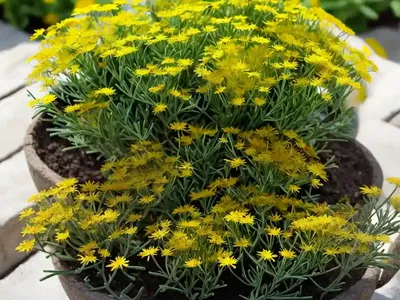
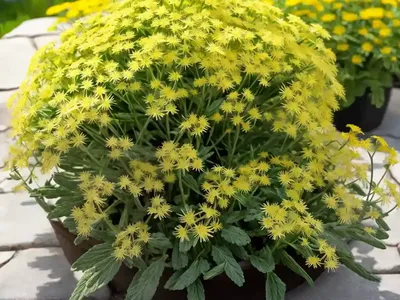
Narrow-leaf Chalk Sticks (Curio Talinoides)
As a plant scientist, I am thrilled to share insights and expertise on one of the most intriguing succulent species, the Narrow-Leaf Chalk Sticks (Curio.
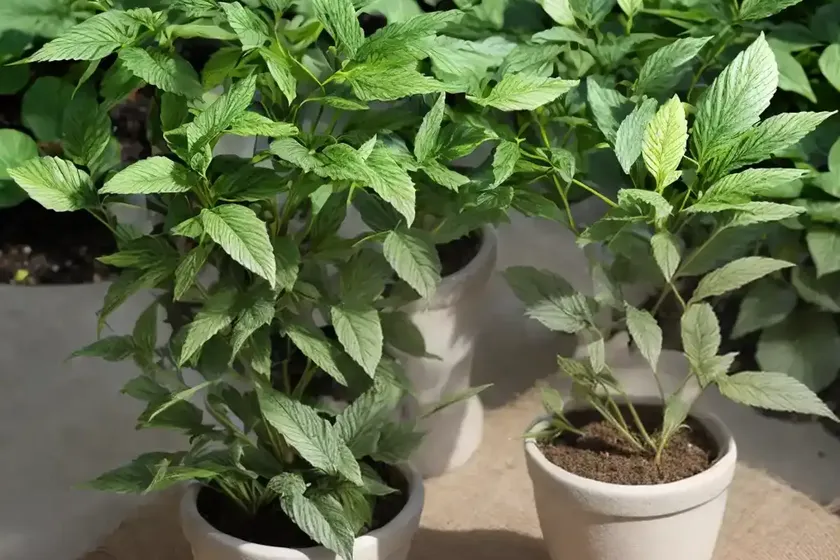
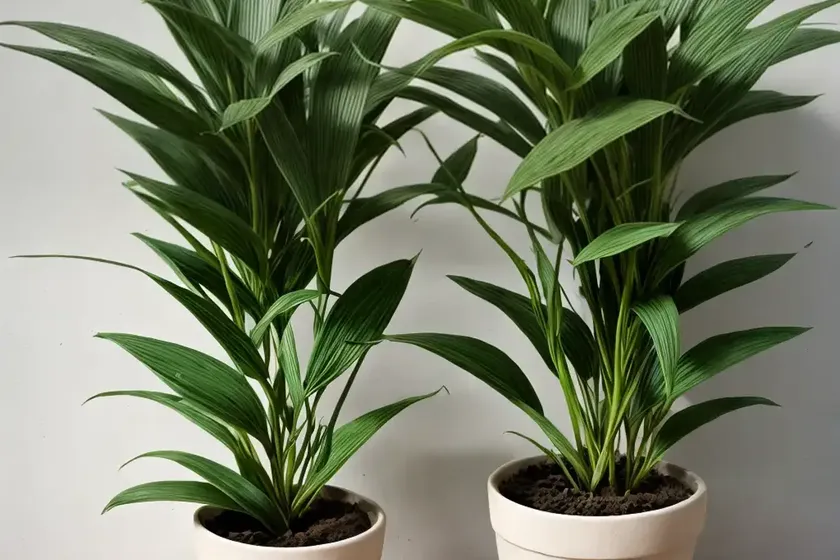
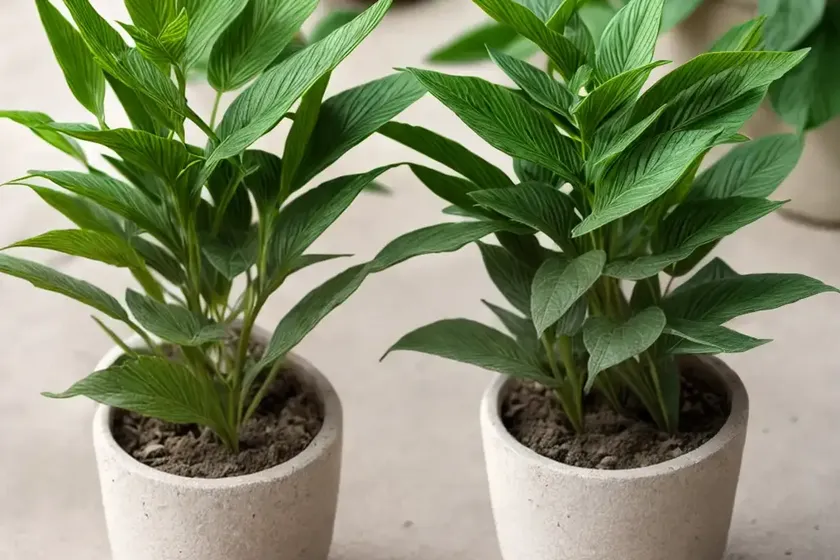
As a plant scientist, I am thrilled to share insights and expertise on one of the most intriguing succulent species, the Narrow-Leaf Chalk Sticks (Curio talinoides). This plant is not only visually captivating but also a remarkable addition to various gardening and landscaping projects. In this comprehensive guide, I will delve into the culture, uses, care requirements, propagation, common diseases, and so much more about the Narrow-Leaf Chalk Sticks. Let’s embark on this horticultural journey and explore the wonders of Curio talinoides.
What is Narrow-Leaf Chalk Sticks (Curio talinoides)?
Curio talinoides, commonly referred to as Narrow-Leaf Chalk Sticks, is a captivating succulent plant known for its slender, cylindrical leaves and upright growth habit. Belonging to the Asteraceae family, this species is native to South Africa, particularly the Eastern Cape region. Its unique appearance and adaptability make it a popular choice for xeriscape gardens, rockeries, coastal landscapes, and container gardens.
Key Takeaways – Narrow-Leaf Chalk Sticks (Curio talinoides)
Before delving into the detailed aspects of care and cultivation, let’s outline the key takeaways about Narrow-Leaf Chalk Sticks for quick reference:
- Plant Name: Narrow-Leaf Chalk Sticks (Curio talinoides)
- Common Names: Narrow-Leaf Succulent, Chalk Sticks Plant
- Category: Succulent Houseplant, Drought-Tolerant Plant
- Growth Habit: Upright, Evergreen Succulent
- Cultural Uses: Xeriscape Gardening, Low-Maintenance Landscapes
- Propagation: Easily Propagated from Cuttings
- Suitable Environments: Coastal Gardens, Arid Climates, Sunny Areas
- Special Feature: Unique Foliage, Suitable for Vertical Gardening
- Adaptability: Thrives in Low-Water Landscapes, Suitable for Small Spaces
With these key takeaways in mind, let’s delve deeper into the various aspects of caring for and utilizing Narrow-Leaf Chalk Sticks in horticulture and landscaping.
Culture of Narrow-Leaf Chalk Sticks (Curio talinoides)
Understanding the cultural requirements of Curio talinoides is pivotal for ensuring its optimal growth and well-being. From water and sunlight needs to soil preferences, each aspect plays a vital role in nurturing healthy and vibrant Narrow-Leaf Chalk Sticks.
Water
Narrow-Leaf Chalk Sticks, true to its classification as a drought-tolerant plant, exhibits a preference for infrequent watering. The succulent’s water-storing capabilities allow it to withstand prolonged periods of drought, making it an ideal choice for water-wise landscapes and regions with arid climates. When it comes to watering Curio talinoides, the following guidelines can be adhered to:
- Established Plants: Water sparingly, allowing the soil to dry out completely between watering sessions.
- Potted Specimens: Ensure well-draining soil and pots with drainage holes to prevent waterlogging.
- Winter Care: During winter months, reduce watering frequency to mimic the plant’s natural dormancy period.
Sunlight
In its natural habitat, Narrow-Leaf Chalk Sticks thrives in bright, direct sunlight. When cultivating Curio talinoides, consider the following sunlight requirements:
- Full Sun: Provide ample sunlight, preferably in the form of direct sun exposure for at least 6 to 8 hours daily.
- Shade Considerations: While tolerant of intense sunlight, some shade may be beneficial in extremely hot climates to prevent leaf scorching.
- Indoor Placement: When kept indoors, place the plant near south or west-facing windows to ensure it receives adequate sunlight.
Fertilizer
Due to its inherent ability to thrive in nutrient-deficient soils, Curio talinoides does not necessitate frequent fertilization. However, providing minimal nutrients during the growing season can support healthy growth. Consider the following fertilization tips:
- Minimal Fertilization: Utilize a balanced, diluted fertilizer at a quarter or half-strength every 3 to 4 months during the active growing period.
- Avoid Overfeeding: Excessive fertilization can lead to issues such as overly lush growth and decreased drought tolerance.
Soil
Well-draining, sandy soil is paramount for cultivating healthy Narrow-Leaf Chalk Sticks. Opt for a cactus or succulent potting mix or formulate a custom blend to suit the plant’s needs. Consider the following soil requirements:
- Drainage Excellence: Ensure the soil mix provides exceptional drainage to prevent water accumulation around the roots.
- Amendment Options: Incorporate perlite, coarse sand, or pumice into the soil mix to enhance its drainage capabilities.
Pruning
Pruning requirements for Curio talinoides are minimal, primarily focusing on the removal of withered or damaged leaves. When undertaking pruning, employ sterilized tools and carefully remove the targeted foliage to maintain the plant’s aesthetic appeal and overall health.
Propagation
Propagating Narrow-Leaf Chalk Sticks is a straightforward process, largely facilitated through stem cuttings. Follow these simple steps to propagate Curio talinoides:
- Select a healthy stem section, preferably with at least two sets of leaves.
- Allow the cutting to air dry for 1-2 days to promote callusing at the cut end.
- Plant the cutting in a well-draining soil mix, ensuring the nodes are beneath the soil surface.
- Maintain slightly moist soil until roots develop, after which regular care practices can be instituted.
Container Popularity
Curio talinoides’ compact growth habit and striking appearance render it a popular choice for container gardening. Furthermore, its drought-tolerant nature makes it well-suited for container cultivation, requiring less frequent watering compared to many other ornamental plants. Whether utilized in individual containers or as a component of succulent arrangements, Narrow-Leaf Chalk Sticks adds a touch of elegance to various container gardening projects.
Common Diseases
Narrow-Leaf Chalk Sticks, by virtue of its natural hardiness, is relatively resistant to common plant diseases. However, certain environmental conditions or inadequate care practices can give rise to issues such as root rot and fungal infections. To maintain the plant’s health and vitality, it is crucial to be vigilant for signs of disease and promptly address any concerns through targeted interventions.
Disease Diagnosis
When observing potential symptoms of disease in Curio talinoides, such as leaf discoloration or wilting, it is essential to conduct a thorough assessment to ascertain the underlying cause. Factors like overwatering, poor air circulation, or pest infestations could contribute to the development of disease symptoms. By identifying the root cause, appropriate remedial measures can be implemented to restore the plant’s well-being.
Common Pests
While Narrow-Leaf Chalk Sticks is generally resistant to pest infestations, certain insects may pose occasional challenges to its health. Common pests that can affect Curio talinoides include:
- Mealybugs
- Aphids
- Scale Insects
Vigilance and early intervention are instrumental in curbing pest populations and preventing potential damage to the plant. Utilize horticulturally-approved pest control methods and practices to safeguard Narrow-Leaf Chalk Sticks from pest-related issues.
Botanist’s Tips
Drawing on botanical expertise and practical insights, here are some tips to optimize the cultivation and utilization of Curio talinoides:
- Drought-Tolerant Landscapes: Incorporate Narrow-Leaf Chalk Sticks in xeriscape gardens and low-water landscapes to introduce texture and visual interest while promoting water conservation.
- Coastal Garden Charm: Given its proclivity for coastal climates, Curio talinoides serves as an excellent choice for gardens situated near coastal areas, adding a unique and resilient element to the landscape.
- Container Companions: Pair Narrow-Leaf Chalk Sticks with complementary succulents and cacti in containers to create aesthetically pleasing arrangements with minimal maintenance requirements.
Fun Facts
Delving into the realm of intriguing botanical trivia, here are some captivating and little-known facts about Narrow-Leaf Chalk Sticks (Curio talinoides):
- Coastal Adaptability: Curio talinoides exhibits remarkable resilience to coastal conditions, thriving in environments characterized by salty air and strong winds.
- Vertical Gardening Darling: Its vertical growth habit and sculptural foliage make it an ideal candidate for vertical gardening, adding a vertical dimension to green spaces.
- Natural Habitat: In its natural habitat, Curio talinoides often grows in rocky outcrops and slopes, showcasing its adaptability to challenging terrain.
Links to External Resources
To further enrich your understanding of Narrow-Leaf Chalk Sticks and delve into additional insights and perspectives, consider exploring the following external resources:
Incorporating the information and guidance gleaned from these resources can augment your horticultural endeavors and broaden your knowledge of Curio talinoides and related succulent species.
In summary, Narrow-Leaf Chalk Sticks (Curio talinoides) stands as an exemplary testament to nature’s ingenuity, showcasing resilience, adaptability, and ornamental charm. By embracing its unique features and understanding its specific cultural requirements, gardeners and landscaping enthusiasts can leverage the distinctive allure and practical benefits of this remarkable succulent. Whether adorning rock gardens, coastal landscapes, or minimalist urban spaces, Curio talinoides imparts a touch of botanical elegance and sustainable allure to diverse horticultural settings.
With a foundation of botanical knowledge and a passion for natural beauty, incorporating succulent wonders like Narrow-Leaf Chalk Sticks enriches gardening experiences, fosters environmental stewardship, and celebrates the vast diversity of plant life.
As a plant scientist, it is my ardent hope that this comprehensive guide serves as a source of inspiration and knowledge, igniting a collective appreciation for unique plant species and fostering a deeper connection with the natural world. Let Narrow-Leaf Chalk Sticks pave the way for sustainable, aesthetically captivating landscapes and kindle a sense of wonderment in the heart of every admirer.
So go ahead, embrace the allure of Curio talinoides, and embark on a journey of succulent discovery and horticultural enrichment.
Happy planting!
NLP/LSI Keywords: Narrow-leaf Succulent, Curio talinoides care, Growing Curio talinoides, Chalk Sticks plant, Curio talinoides propagation, Succulent houseplant, Indoor plant care, Drought-tolerant plant, Desert plant, Evergreen succulent, Unique plant species, Xeriscape gardening, Low-maintenance plant, Vertical gardening with Curio talinoides, Curio talinoides varieties, Curio talinoides landscape uses, Curio talinoides in containers, Curio talinoides as a groundcover, Curio talinoides natural habitat, Curio talinoides as a rock garden plant, Curio talinoides and drought resistance, Curio talinoides for sunny areas, Curio talinoides for coastal gardens, Cacti and succulent enthusiasts, Curio talinoides as a trailing plant, Curio talinoides and water conservation, Curio talinoides landscaping ideas, Curio talinoides for arid climates, Curio talinoides and wildlife gardens, Curio talinoides and container garden design, Curio talinoides in modern architecture, Curio talinoides and low-water gardening, Curio talinoides for small spaces, Curio talinoides and vertical gardening, Curio talinoides for rockeries, Curio talinoides and Mediterranean gardens, Curio talinoides as a focal point in garden design, Curio talinoides and succulent collections, Curio talinoides and indigenous plant gardens, Curio talinoides and eco-friendly landscapes, Curio talinoides for urban gardening, Curio talinoides and natural landscaping, Curio talinoides and xerophytic plantings, Curio talinoides and low-water landscapes, Curio talinoides for rooftop gardens, Curio talinoides and sustainable gardening, Curio talinoides for water-wise landscapes, Curio talinoides and minimalist gardens, Curio talinoides for arid region landscaping, Curio talinoides and arid garden design*