Narcissus ‘Trevithian’ (Jonquil Daffodil): An Exquisite Spring Bloomer
Introduction
Narcissus ‘Trevithian’, commonly known as Jonquil Daffodil, belongs to the Amaryllidaceae family, characterized by its delicate, fragrant flowers and foliage. This charming spring-blooming perennial holds immense horticultural value for both professional landscapers and home gardeners. In this comprehensive guide, we will delve into the vital aspects of cultivating and caring for Narcissus ‘Trevithian’, exploring its cultural significance, uses, ideal growing conditions, propagation methods, diseases, and pests, alongside botanist’s tips, fun facts, and external resources.
What is Plant: Narcissus ‘Trevithian’ (Jonquil Daffodil)
Before we delve into the detailed aspects of Narcissus ‘Trevithian’, let’s gain an understanding of its taxonomical and morphological characteristics.
Taxonomical Classification
- Kingdom: Plantae
- Clade: Tracheophytes
- Clade: Angiosperms
- Clade: Monocots
- Order: Asparagales
- Family: Amaryllidaceae
- Genus: Narcissus
- Species: Narcissus pseudonarcissus
Morphological Features
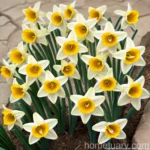
Narcissus ‘Trevithian’ features slender, grass-like foliage with charming, fragrant, golden yellow blooms held aloft on graceful stems. The flower consists of a prominent cup-shaped corona surrounded by six tepals, creating a visually captivating display in gardens and landscapes.
Key Takeaways – Narcissus ‘Trevithian’ (Jonquil Daffodil)
Let’s explore the key takeaways associated with Narcissus ‘Trevithian’, encapsulating its cultural significance, uses, and essential care requirements.
Culture
Narcissus ‘Trevithian’ has pervaded the horticultural realm as a symbol of rebirth and new beginnings, making it a popular choice for spring garden displays, landscape borders, and naturalizing in woodland settings. Its cultural significance is intertwined with its vibrant blooms and symbolizes hope, making it a common choice for gifting during the spring season.
Uses
Ornamental Value
The ornamental value of Narcissus ‘Trevithian’ is unparalleled, serving as a focal point in landscapes and garden beds, offering a burst of color and fragrance to outdoor spaces. Additionally, its cut flowers are widely used in floral arrangements and bouquets, adding a touch of elegance and freshness to indoor spaces.
Medicinal Purposes
In traditional medicine, various parts of the Narcissus plant have been used to prepare herbal remedies for a range of ailments. However, it’s crucial to exercise caution, as certain parts of the plant contain toxic alkaloids, necessitating careful handling and informed usage.
Water
Narcissus ‘Trevithian’ thrives in well-draining soil and benefits from consistent moisture, especially during its active growth period. Adequate watering is essential to support the development of healthy foliage and vibrant blooms. However, it’s vital to avoid waterlogging, which can lead to root rot and other detrimental consequences.
Sunlight
When it comes to sunlight requirements, Narcissus ‘Trevithian’ demonstrates a preference for full to partial sunlight exposure. Positioning the plants in locations receiving 6-8 hours of direct or indirect sunlight daily can optimize their growth and blooming potential, ensuring robust foliage and prolific flowering.
Fertilizer
The application of a balanced, water-soluble fertilizer formulated for flowering plants can bolster the overall health and vigor of Narcissus ‘Trevithian’. Timing is critical when fertilizing these perennials, with early spring and post-blooming phases being the most opportune periods for supplementing the soil with essential nutrients.
Soil
Narcissus ‘Trevithian’ flourishes in well-drained, moderately fertile soil with a slightly acidic to neutral pH range. Incorporating organic matter, such as well-rotted compost or leaf mold, can enhance soil structure and fertility, providing an optimal growing medium for these daffodils to thrive.
Pruning
Pruning practices for Narcissus ‘Trevithian’ primarily revolve around the removal of spent flowers and, subsequently, the preservation of the foliage until it withers naturally. Deadheading promotes energy conservation and redirects nutrients towards bulb development, ensuring a bountiful display of blooms in subsequent seasons.
Propagation
Division
Propagating Narcissus ‘Trevithian’ through division involves separating the offsets, or bulbils, from the parent bulbs during their dormant phase. This method allows for the expansion of the daffodil colony and the generation of new planting material for subsequent cultivation.
Container Popularity
The compact size and aesthetic appeal of Narcissus ‘Trevithian’ have contributed to its popularity as a container plant, enabling enthusiasts with limited gardening space to enjoy the beauty of these daffodils on patios, balconies, and other confined settings.
Container Common Diseases
Narcissus ‘Trevithian’ can be susceptible to certain diseases when grown in containers, necessitating vigilant monitoring and proactive management to maintain their health and vitality. Common container-specific diseases include:
- Botrytis Blight: This fungal disease can lead to the development of gray mold on the foliage and flowers, resulting in aesthetic and physiological deterioration.
- Basal Rot: Caused by the Fusarium oxysporum fungus, this disease manifests as the decay of bulb scales and the basal plate, jeopardizing the overall health of the bulbs.
Disease Diagnosis
Prompt identification and diagnosis of diseases affecting Narcissus ‘Trevithian’ in containers are pivotal for implementing targeted control measures and preventing widespread infection. Visual symptoms, laboratory analysis, and professional consultation can aid in accurate disease diagnosis, laying the foundation for effective management strategies.
Common Pests
Pests pose a potential threat to the well-being of Narcissus ‘Trevithian’ when grown in containers, necessitating a comprehensive understanding of the prevalent pests and their management approaches. Common pests encountered in container-grown daffodils include:
- Narcissus Bulb Fly: The larvae of this fly species can inflict damage to the bulbs of Narcissus ‘Trevithian’, leading to diminished vigor and compromised flowering capacity.
- Narcissus Eelworm: These microscopic pests can cause stunted growth and distortion of foliage, imposing a detrimental impact on the overall health of containerized daffodils.
Botanist’s Tips
As a plant scientist, I urge enthusiasts to embrace sustainable gardening practices, prioritize the conservation of native pollinators, and explore the diverse array of Narcissus ‘Trevithian’ cultivars and hybrids to enrich their horticultural pursuits.
Fun Facts
- The genus name ‘Narcissus’ is derived from Greek mythology, referencing the beautiful youth Narcissus who became infatuated with his reflection, eventually transforming into a flower bearing his name.
- Jonquil Daffodils, a beloved variation of Narcissus ‘Trevithian’, are revered for their captivating fragrance and vivid, golden blooms, evoking a sense of joy and exuberance during the spring season.
- The stunning beauty of Narcissus ‘Trevithian’ serves as a visual feast for early pollinators, attracting bees, butterflies, and other beneficial insects to the garden, fostering ecological balance and biodiversity.
Links to External Resources
To further enrich your understanding of Narcissus ‘Trevithian’ and Jonquil Daffodils, I recommend exploring the following external resources:
- Royal Horticultural Society: Narcissus ‘Trevithian’
- American Daffodil Society
- University of Minnesota Extension: Daffodils for Minnesota Gardens
In conclusion, the enchanting allure and cultural significance of Narcissus ‘Trevithian’ make it a cherished addition to diverse landscapes and gardens, symbolizing the arrival of spring and the renewal of life. Through conscientious cultivation and nurturing, enthusiasts can revel in the exquisite blooms and enduring beauty of these daffodils, fostering a deep appreciation for nature’s vibrant tapestry.
“Just living is not enough… one must have sunshine, freedom, and a little flower.” – Hans Christian Andersen