Pinus Pumila (Dwarf Siberian Pine): A Comprehensive Guide to Cultivation, Care, and Benefits
Pinus Pumila, commonly known as the Dwarf Siberian Pine, is a fascinating and resilient evergreen plant species with a wide range of ecological, cultural, and horticultural significance. In this comprehensive guide, we will explore the various aspects of Pinus Pumila, including its characteristics, growth habits, cultivation requirements, landscaping potential, ecological contributions, and much more. Whether you are an avid gardener, a botany enthusiast, or a nature lover, this guide aims to provide valuable insights into the captivating world of Pinus Pumila.
What is Pinus Pumila?
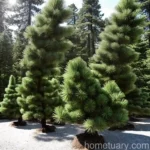
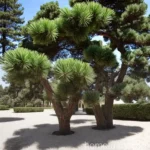
Pinus Pumila, a member of the Pinaceae family, is a slow-growing, compact, and resilient evergreen conifer that is native to the subarctic and boreal regions of Siberia, Japan, Korea, and China. This remarkable species is characterized by its dwarf stature, dense foliage, and adaptability to harsh climatic conditions, making it a valuable addition to both natural landscapes and cultivated gardens.
Key Takeaways – Pinus Pumila (Dwarf Siberian Pine)
Before delving into the intricate details of Pinus Pumila, let’s highlight some key takeaways about this remarkable plant:
- Characteristics: Compact, slow-growing, evergreen conifer with dense foliage
- Native Habitat: Subarctic and boreal regions of Siberia, Japan, Korea, and China
- Growth Habits: Adaptable to harsh climates, low maintenance, and slow growth rate
- Cultivation: Suitable for landscapes and container gardening, requires well-drained soil and adequate sunlight
- Landscape Use: Ideal for rock gardens, alpine settings, and erosion control
- Ecological Importance: Provides habitat for wildlife, contributes to soil stabilization, and offers windbreak advantages
- Medicinal Uses: Traditional remedy for respiratory ailments, source of aromatic resins
- Drought Tolerance: Exhibits resilience in dry conditions, suitable for xeriscaping
Now that we have outlined the fundamental attributes of Pinus Pumila, let’s dive deeper into its cultivation, care requirements, ecological benefits, and cultural significance.
Culture
Uses
The versatile nature of Pinus Pumila makes it a valuable asset for various purposes, including:
- Landscape Ornamentation: Its compact size and dense foliage make it an attractive addition to rock gardens, alpine landscapes, and Japanese-style gardens.
- Soil Stabilization: The deep root system of Pinus Pumila helps in preventing soil erosion, making it a natural choice for landscaping projects in areas prone to erosion.
- Wildlife Habitat: The dense foliage provides shelter for small animals and birds, contributing to the biodiversity of natural environments.
- Traditional Medicine: The aromatic resins and needles of Pinus Pumila have been utilized in traditional medicine for their respiratory benefits.
Water
Pinus Pumila exhibits moderate water requirements and is tolerant of dry conditions once established. However, it is important to ensure well-drained soil to prevent waterlogging, which can be detrimental to its health. During the initial establishment phase, regular watering is essential to promote robust root development.
Sunlight
As a sun-loving plant species, Pinus Pumila thrives in full sunlight. It is essential to provide adequate sunlight to ensure healthy growth and optimal foliage density. Insufficient sunlight may lead to sparse foliage and diminished aesthetic appeal.
Fertilizer
Given its adaptability to nutrient-poor soils, Pinus Pumila generally does not require regular fertilization. However, if the plant is grown in nutrient-depleted soil or containers, a balanced slow-release fertilizer formulated for evergreen conifers can be applied in early spring to support healthy growth.
Soil
The key to successful cultivation of Pinus Pumila lies in providing well-drained, slightly acidic to neutral soil. A sandy loam or loamy soil with good drainage is ideal for this species. Incorporating organic matter into the soil during planting or repotting can enhance its moisture retention and nutrient availability.
Pruning
Minimal pruning is required for Pinus Pumila, as it naturally maintains a compact and rounded form. However, selective removal of dead or damaged branches can be performed as needed to promote a tidy appearance and overall plant health.
Propagation
Container
The adaptability of Pinus Pumila to container gardening makes it an excellent choice for individuals with limited outdoor space or those seeking to cultivate this species in a controlled environment. When growing Pinus Pumila in containers, it is crucial to ensure proper drainage and select a spacious container to accommodate its gradual growth.
Popularity
Pinus Pumila has garnered popularity among gardeners, landscapers, and nature enthusiasts for its unique characteristics and ecological contributions. Its resilience, compact size, and ornamental appeal have contributed to its widespread adoption in both natural and cultivated settings.
Common Diseases
Despite its resilience, Pinus Pumila is susceptible to certain diseases, including:
-
Needle Blight: This fungal disease can result in browning or yellowing of the needles, leading to diminished aesthetic appeal and potential defoliation. Proper sanitation, adequate spacing, and promoting good air circulation can help prevent needle blight.
-
Root Rot: Excessive moisture or waterlogging can create favorable conditions for root rot pathogens. Ensuring well-drained soil and avoiding overwatering are essential preventive measures.
-
Rust Diseases: Various rust pathogens can affect the foliage of Pinus Pumila, leading to the formation of rust-colored pustules. Pruning infected branches and promoting good airflow can help manage rust diseases.
Disease Diagnosis
Early detection and prompt intervention are crucial in managing diseases in Pinus Pumila. Regular monitoring for symptoms such as discoloration, wilting, or abnormal growth can aid in timely diagnosis. Consultation with a plant health specialist or extension service can provide valuable insights into disease management strategies tailored to the specific needs of this species.
Common Pests
Pinus Pumila may face occasional infestations from various pests, including:
-
Pine Needle Scale: This insect pest can cause needle discoloration and weaken the overall vigor of the plant. Natural predators, horticultural oils, or insecticidal soaps can be employed to control pine needle scale infestations.
-
Pine Sawflies: The larvae of pine sawflies can feed on the needles of Pinus Pumila, resulting in defoliation and reduced aesthetic appeal. Pruning infested branches and introducing natural predators can aid in managing pine sawfly populations.
-
Spider Mites: These tiny arachnids can cause stippling and webbing on the foliage of Pinus Pumila, leading to diminished photosynthetic efficiency. Regular monitoring, horticultural oils, or predatory mites can be employed to mitigate spider mite infestations.
Botanist’s Tips
To ensure the optimal health and vitality of Pinus Pumila, consider the following practical tips:
- Site Selection: Choose a well-drained and sunny location for planting or container cultivation.
- Watering: Establish a consistent watering regimen during the initial phase and practice moderation thereafter to avoid waterlogged conditions.
- Soil Preparation: Incorporate organic matter into the soil to enhance its structure and nutrient retention capabilities.
- Disease Prevention: Promote good air circulation, implement proper sanitation practices, and monitor for early signs of diseases to proactively address potential threats to plant health.
- Pest Management: Regular inspection of foliage, selective pruning, and employing natural pest control measures can aid in managing pest infestations effectively.
Fun Facts
Uncover the fascinating aspects of Pinus Pumila with these intriguing fun facts:
- Ecological Guardian: Pinus Pumila plays a vital role in stabilizing soil, mitigating erosion, and providing habitat for diverse wildlife, embodying its ecological significance.
- Cultural Symbol: In its native regions, Pinus Pumila holds cultural significance as a resilient and enduring emblem, echoing its resilience in harsh conditions.
- Arboreal Elegance: The compact form and finely-textured foliage of Pinus Pumila exude a graceful and timeless appeal, lending elegance to diverse landscapes.
With its rich cultural heritage, enduring ecological contributions, and captivating ornamental value, Pinus Pumila is a remarkable plant species that continues to captivate and inspire individuals around the world.
Links to External Resources
For further exploration of Pinus Pumila and related topics, consider visiting the following reputable resources:
-
Royal Horticultural Society (RHS): The RHS offers comprehensive information on plant care, cultivation techniques, and garden design, including valuable insights into coniferous species such as Pinus Pumila.
-
Missouri Botanical Garden: Explore the expansive database of the Missouri Botanical Garden for in-depth botanical information, plant profiles, and horticultural guidance.
-
Botanical Society of America: Engage with the latest research, educational resources, and scholarly publications related to botany and plant sciences through the Botanical Society of America’s extensive platform.
By leveraging these reputable external resources, you can delve deeper into the world of Pinus Pumila and broaden your understanding of plant science and horticulture.
In conclusion, Pinus Pumila, or the Dwarf Siberian Pine, exemplifies the enduring resilience and captivating charm of coniferous species. Its significance spans from ecological restoration and cultural symbolism to ornamental horticulture, making it an invaluable addition to natural landscapes and cultivated gardens. By embracing the nuanced care requirements and appreciating its intrinsic qualities, enthusiasts and practitioners can foster a deeper connection with the enchanting world of Pinus Pumila.