Narcissus ‘Sempre Avanti’ (Large-Cupped Daffodil): A Complete Guide
Narcissus ‘Sempre Avanti’, commonly known as the Large-Cupped Daffodil, is a stunning spring-flowering bulb that is cherished for its vibrant yellow blooms. This versatile plant is not only a delight for gardeners but also plays an essential role in the ecosystem. In this comprehensive guide, we will delve into the various aspects of this plant, including its culture, uses, care requirements, propagation, and common diseases and pests. Whether you are a seasoned horticulturist or a novice plant enthusiast, this guide will equip you with the knowledge to successfully grow and maintain Narcissus ‘Sempre Avanti’ in your garden.
What is Narcissus ‘Sempre Avanti’ (Large-Cupped Daffodil)?
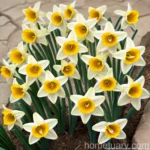
Narcissus ‘Sempre Avanti’ is a cultivar of the Narcissus genus, which belongs to the Amaryllidaceae family. This stunning flower is characterized by its large, yellow cup surrounded by six petals, creating a captivating visual display. The Large-Cupped Daffodil is a spring-blooming perennial bulb, heralding the arrival of the much-awaited spring season with its vibrant blossoms.
Key Takeaways – Narcissus ‘Sempre Avanti’ (Large-Cupped Daffodil)
Before we delve into the details of cultivating and caring for Narcissus ‘Sempre Avanti’, it’s essential to understand the key takeaways associated with this plant. The following points provide a snapshot of what makes this Large-Cupped Daffodil a popular choice among gardeners:
Culture
- Spectacular spring-blooming perennial bulb
- Striking yellow blooms with a large cup and six petals
- Versatile and adaptable, suitable for various garden designs
Uses
- Ideal for garden borders, containers, and naturalizing in landscapes
- Excellent for cut flower arrangements
- Attracts pollinators, contributing to garden biodiversity
Water
- Moderate water requirements; avoid waterlogging to prevent bulb rot
- Regular watering during the growing season; reduce watering after flowering
Sunlight
- Thrives in full sun to partial shade; prefers at least 6 hours of sunlight
- Well-draining soil to prevent water stagnation around the bulbs
Fertilizer
- Balanced fertilizer application during the growing season
- Fertilize in early spring to support robust growth and flowering
Soil
- Well-draining, fertile soil with a slightly acidic to neutral pH
- Incorporate organic matter to improve soil structure and fertility
Pruning
- Remove spent flowers to prevent seed formation and promote bulb energy storage
- Allow foliage to senesce naturally to support bulb replenishment
Propagation
- Propagate through offsets, seeds, or bulb division
- Dividing bulbs every few years to maintain vigor and enhance population
Container Popularity
- Well-suited for container gardening, adding a burst of color to patios and balconies
- Requires well-draining soil and adequate watering in containers
Common Diseases
- Susceptible to bulb rot caused by waterlogging
- Practice good sanitation to prevent fungal diseases
Disease Diagnosis
- Monitor for yellowing and wilting of foliage, indicating potential disease
- Prompt action to mitigate diseases and prevent spread
Common Pests
- Vulnerable to bulb pests such as narcissus bulb fly and nematodes
- Vigilant monitoring and integrated pest management to protect bulbs
Botanist’s Tips
- Plant bulbs in groups or drifts for a stunning visual impact
- Combine with low-growing perennials for a harmonious garden display
Fun Facts
- Daffodils symbolize rebirth and new beginnings
- Narcissus ‘Sempre Avanti’ is a perennial treasure for future spring seasons
Links to External Resources
Now that we have outlined the key takeaways, let’s explore each aspect of growing and caring for Narcissus ‘Sempre Avanti’ in greater detail.
Plant Name: “Narcissus ‘Sempre Avanti’ (Large-Cupped Daffodil)”
Culture
The culture of Narcissus ‘Sempre Avanti’ encompasses various aspects, including its stunning spring display, adaptable nature, and suitability for diverse garden settings. Understanding the cultural preferences of this Large-Cupped Daffodil is crucial for successful cultivation.
Spring-Blooming Perennial Bulb
Narcissus ‘Sempre Avanti’ is renowned for its spectacular display of vibrant yellow blooms, heralding the arrival of the spring season. As a spring-blooming perennial bulb, it adds a burst of color to gardens, serving as a visual delight for both gardeners and pollinators.
Striking Yellow Blooms with Large Cup
The prominent feature of Narcissus ‘Sempre Avanti’ is its large cup surrounded by six petals, creating a striking visual impact. The vibrant yellow hues of the blooms brighten up garden landscapes, making it a popular choice for spring displays.
Versatile and Adaptable
One of the key cultural attributes of this Large-Cupped Daffodil is its versatility and adaptability. It can be incorporated into various garden designs, ranging from formal borders to naturalized landscapes, adding a touch of elegance and vibrancy.
Uses
Understanding the diverse uses of Narcissus ‘Sempre Avanti’ is essential for maximizing its potential in garden settings. From traditional borders to contemporary container gardens, this Large-Cupped Daffodil offers multifaceted applications.
Ideal for Garden Borders, Containers, and Naturalizing
Narcissus ‘Sempre Avanti’ is a versatile plant that finds its place in a wide array of garden settings. It can be used to create stunning borders, adding a cheerful ambiance to the landscape. Moreover, its adaptability to container gardening makes it an excellent choice for patio and balcony displays. Additionally, when planted en masse, it naturalizes beautifully, creating breathtaking sweeps of yellow blooms in open landscapes.
Excellent for Cut Flower Arrangements
The striking blooms of Narcissus ‘Sempre Avanti’ make it an ideal candidate for cut flower arrangements. Whether used as standalone blooms or combined with other spring flowers, its vibrant color and elegant form add a touch of sophistication to floral displays.
Attracts Pollinators
Apart from its aesthetic appeal, Narcissus ‘Sempre Avanti’ serves an essential ecological function by attracting pollinators. The nectar-rich blooms entice bees, butterflies, and other pollinating insects, contributing to garden biodiversity and ecosystem health.
Water
Water is a vital component of plant care, and understanding the water requirements of Narcissus ‘Sempre Avanti’ is crucial for ensuring its health and vigor.
Moderate Water Requirements
Narcissus ‘Sempre Avanti’ exhibits moderate water requirements, preferring consistently moist soil during the growing season. However, it is essential to avoid waterlogging, as excessive moisture can lead to bulb rot and other fungal diseases.
Regular Watering During the Growing Season
During the active growth phase and flowering period, it is important to provide regular watering to ensure that the soil remains evenly moist. Adequate moisture sustains the plants and supports robust flowering.
Reduced Watering After Flowering
After the flowering period concludes, gradually reduce the frequency of watering. Allowing the soil to dry out slightly helps prevent bulb rot and encourages natural dormancy, preparing the plants for the next growing season.
Sunlight
Light is a primary energy source for plants, and understanding the sunlight requirements of Narcissus ‘Sempre Avanti’ is crucial for optimizing its growth and flowering.
Thrives in Full Sun to Partial Shade
Narcissus ‘Sempre Avanti’ thrives in full sun to partial shade conditions, making it adaptable to a range of garden settings. However, to ensure optimal flowering, it is preferable to provide at least 6 hours of sunlight to the plants.
Well-Draining Soil for Sunlight Optimization
In addition to sunlight exposure, it is important to ensure that the soil is well-draining. Well-drained soil prevents water stagnation around the bulbs, reducing the risk of bulb rot and fungal diseases.
Fertilizer
Fertilization plays a crucial role in providing essential nutrients to plants. Understanding the fertilizer requirements of Narcissus ‘Sempre Avanti’ is essential for promoting healthy growth and vibrant blooms.
Balanced Fertilizer Application
During the growing season, it is beneficial to apply a balanced fertilizer to support the nutritional needs of Narcissus ‘Sempre Avanti’. A fertilizer with balanced N-P-K (nitrogen, phosphorus, potassium) ratios provides the necessary macro and micronutrients for robust growth and flowering.
Fertilize in Early Spring
For best results, apply fertilizer in early spring when the plants are actively growing and preparing to bloom. This provides the necessary nutrients to support the development of flower buds and lush foliage.
Soil
Soil forms the foundation for plant growth, and understanding the soil requirements of Narcissus ‘Sempre Avanti’ is crucial for creating an ideal environment for these Large-Cupped Daffodils.
Well-Draining, Fertile Soil
Narcissus ‘Sempre Avanti’ thrives in well-draining, fertile soil that is rich in organic matter. A slightly acidic to neutral pH range is ideal for these plants, facilitating nutrient uptake and root health.
Incorporate Organic Matter
Incorporating organic matter, such as compost or well-rotted manure, into the soil enhances its structure and fertility. This provides a conducive environment for the development of healthy roots and vigorous growth.
Pruning
Pruning plays a crucial role in maintaining plant health and promoting future growth and flowering. Understanding the pruning requirements of Narcissus ‘Sempre Avanti’ is essential for effective plant care.
Remove Spent Flowers
To prevent seed formation and promote bulb energy storage, it is essential to remove spent flowers promptly. Deadheading the blooms redirects the plant’s resources towards bulb development, ensuring robust flowering in the following seasons.
Allow Foliage to Senesce Naturally
After blooming, allow the foliage of Narcissus ‘Sempre Avanti’ to senesce naturally. The green leaves harness sunlight to produce energy, which is essential for replenishing the bulbs and supporting future growth cycles.
Propagation
Propagation allows for the expansion of plant populations and the renewal of existing stocks. Understanding the propagation methods of Narcissus ‘Sempre Avanti’ provides opportunities to propagate and enhance the presence of these stunning Large-Cupped Daffodils.
Propagate Through Offsets, Seeds, or Bulb Division
Narcissus ‘Sempre Avanti’ can be propagated through offsets, which are small bulbs that develop alongside the main bulb. These offsets can be carefully separated and replanted to establish new plants. Additionally, seeds and bulb division are viable propagation methods for these daffodils.
Dividing Bulbs
To maintain the vigor of Narcissus ‘Sempre Avanti’ and prevent overcrowding, it is beneficial to divide the bulbs every few years. This practice rejuvenates the plants and allows for the creation of new planting schemes within the garden.
Container Popularity
Narcissus ‘Sempre Avanti’ is well-suited for container gardening, offering opportunities to elevate outdoor spaces with its vibrant blooms and elegant foliage.
Suitable for Container Gardening
The adaptability of Narcissus ‘Sempre Avanti’ extends to container gardening, where it thrives in well-draining soil within various container types. Its bright yellow blooms add a pop of color to patios, balconies, and outdoor living areas.
Well-Draining Soil and Adequate Watering
When cultivating Narcissus ‘Sempre Avanti’ in containers, it is crucial to use well-draining soil to prevent waterlogging. Additionally, consistent and adequate watering supports the growth and flowering of these daffodils in containers.
Common Diseases
Like all plants, Narcissus ‘Sempre Avanti’ is susceptible to certain diseases that can affect its overall health and vigor. Understanding these diseases and their prevention measures is essential for maintaining plant wellness.
Susceptible to Bulb Rot
Bulb rot, often caused by waterlogging and poor drainage, poses a risk to the health of Narcissus ‘Sempre Avanti’. This fungal disease can lead to bulb decay and weaken the plants.
Practice Good Sanitation
To prevent the occurrence and spread of fungal diseases, it is important to practice good sanitation in the garden. This includes removing and disposing of any infected plant material and debris to reduce disease pressure.
Disease Diagnosis
Monitoring the health of Narcissus ‘Sempre Avanti’ and promptly identifying signs of diseases enable timely intervention and effective disease management.
Monitor for Yellowing and Wilting of Foliage
Yellowing and wilting of foliage can indicate potential disease issues affecting Narcissus ‘Sempre Avanti’. Close observation of the plants allows for early detection and intervention.
Prompt Action for Disease Mitigation
Upon observing symptoms of diseases, such as unusual discoloration or wilting, take prompt action to mitigate the issues. Implement appropriate control measures to prevent disease spread and protect the plants.
Common Pests
Narcissus ‘Sempre Avanti’ is vulnerable to certain pests that can compromise its growth and flowering. Vigilant monitoring and integrated pest management practices are essential for protecting the bulbs from pest damage.
Vulnerable to Bulb Pests
Narcissus ‘Sempre Avanti’ may encounter pests such as narcissus bulb fly and nematodes, which target the bulbs and cause damage. Monitoring for signs of pest infestation is crucial for early intervention.
Vigilant Monitoring and Pest Management
Regular inspection of the bulbs and surrounding soil helps in early pest detection. Integrated pest management strategies, including cultural and biological controls, can be employed to mitigate pest pressure.
Botanist’s Tips
Insights and tips from botanists and horticultural experts can provide valuable guidance for cultivating and enhancing the visual impact of Narcissus ‘Sempre Avanti’ in garden settings.
Plant Bulbs in Groups for Visual Impact
To create a stunning visual impact, consider planting Narcissus ‘Sempre Avanti’ bulbs in groups or drifts. This planting scheme amplifies the overall effect of the yellow blooms, creating a captivating display.
Combine with Low-Growing Perennials
Pairing Narcissus ‘Sempre Avanti’ with low-growing perennials, such as creeping phlox or violas, creates a harmonious garden display. The combination of vibrant daffodil blooms with complementary perennials enhances the overall aesthetic of the garden.
Fun Facts
Unearthing the intriguing and delightful facts about Narcissus ‘Sempre Avanti’ adds an extra layer of fascination to this beloved plant.
Daffodils Symbolize Rebirth and New Beginnings
Daffodils, including Narcissus ‘Sempre Avanti’, symbolize rejuvenation and new beginnings. Their emergence in spring heralds the end of winter dormancy and the onset of a new growing season, bringing hope and vitality to the garden.
Perennial Treasure for Future Springs
Narcissus ‘Sempre Avanti’ exemplifies a perennial treasure, gracing the garden with its radiant blooms each spring. Its enduring presence ensures that future seasons will be adorned with the beauty and charm of these Large-Cupped Daffodils.
Links to External Resources
For additional information and resources related to Narcissus ‘Sempre Avanti’ and daffodil cultivation, the following external links offer valuable insights and guidance:
By incorporating these external resources, gardeners and enthusiasts can access expert knowledge and gain a deeper understanding of daffodil varieties, including Narcissus ‘Sempre Avanti’.
Conclusion
Narcissus ‘Sempre Avanti’ (Large-Cupped Daffodil) embodies the essence of spring with its vibrant yellow blooms and elegant presence. From its cultural preferences to propagation methods and disease management, this comprehensive guide equips readers with the knowledge and insights to cultivate and care for these stunning daffodils. Whether adorning garden borders, containers, or naturalized landscapes, Narcissus ‘Sempre Avanti’ enriches outdoor spaces and symbolizes the beauty and promise of the spring season. With a blend of practical tips, botanical wisdom, and fascinating facts, this guide celebrates the versatility and allure of Narcissus ‘Sempre Avanti’, inviting gardeners to embrace the elegance and charm of these beloved Large-Cupped Daffodils.