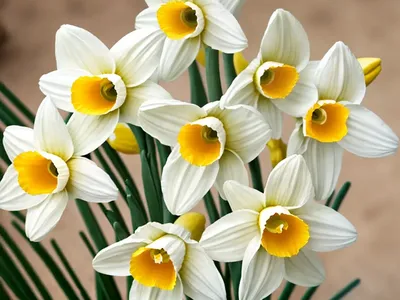
Narcissus Papyraceus ‘Ziva’ (Tazetta Daffodil)
Narcissus papyraceus ‘Ziva’, commonly known as Tazetta Daffodil, is a stunning and popular flowering plant. Whether you are a gardening enthusiast or a.
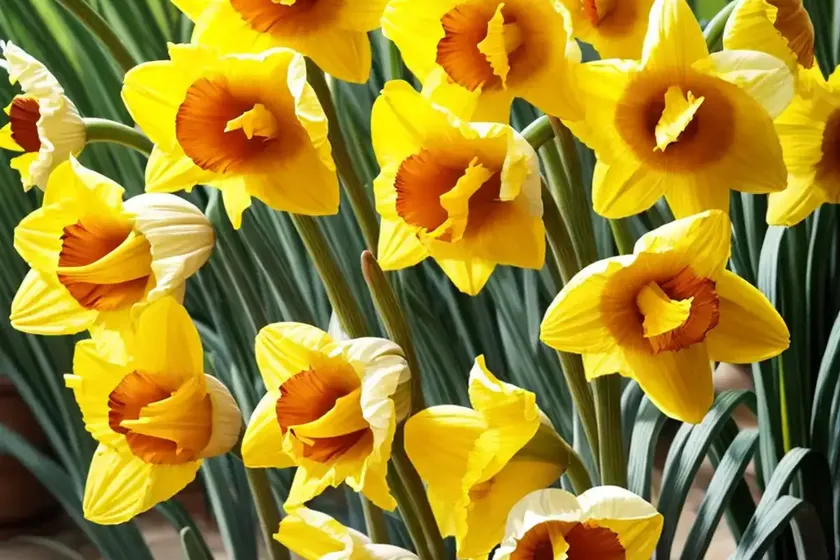
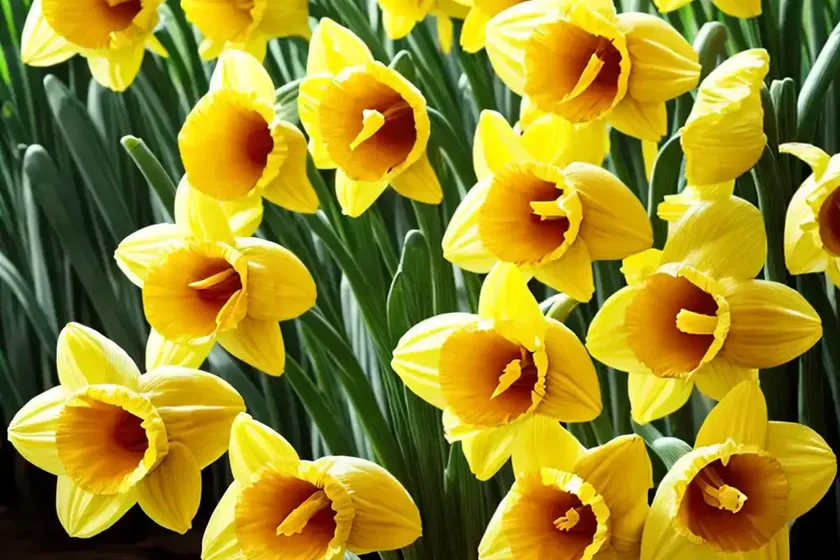
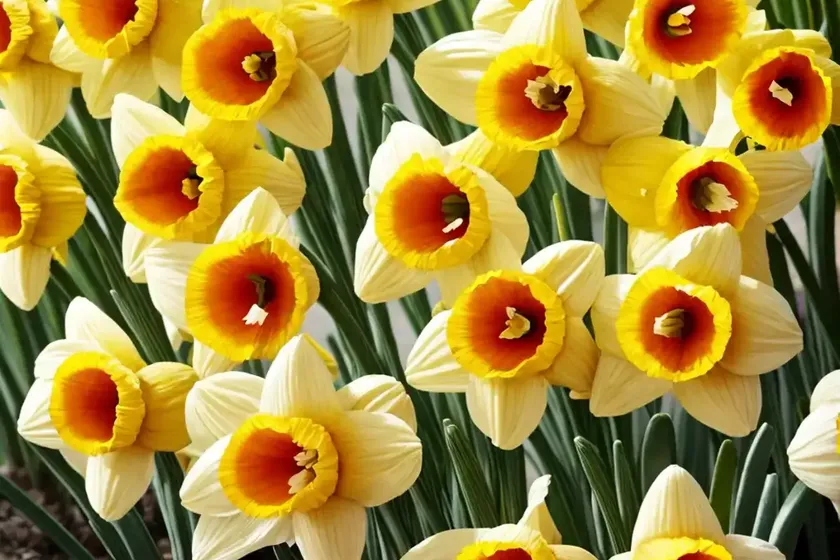
Narcissus papyraceus ‘Ziva’, commonly known as Tazetta Daffodil, is a stunning and popular flowering plant. Whether you are a gardening enthusiast or a plant lover, the charming appearance and delicate fragrance of these daffodils can captivate anyone. With its clusters of small, fragrant, and white blossoms, the Tazetta Daffodil is a favorite of many gardeners.
In this comprehensive guide, we will explore everything you need to know about Narcissus papyraceus ‘Ziva’, from its cultural requirements and uses to care instructions, propagation, and common diseases and pests. Whether you are planning to grow these daffodils in a garden, containers, or as a cut flower, this guide will provide you with all the essential information to ensure the successful cultivation of this beautiful plant.
What is Narcissus papyraceus ‘Ziva’ (Tazetta Daffodil)?
Narcissus papyraceus ‘Ziva’, a member of the Amaryllidaceae family, is a perennial bulbous plant native to the Western Mediterranean region. It is commonly known as the Tazetta Daffodil and is prized for its clusters of fragrant, white flowers. The name “Narcissus” is derived from a character in Greek mythology known for his beauty, while “papyraceus” refers to the papery texture of the petals. ‘Ziva’ is a popular cultivar known for its early and reliable blooming.
The Tazetta Daffodil is known for its distinctive characteristics, including its sweet fragrance, multiple blooms per stem, and resilience in various growing conditions. Its elegant appearance and delightful scent make it a sought-after plant for both seasoned gardeners and beginners.
Key Takeaways – Narcissus papyraceus ‘Ziva’ (Tazetta Daffodil)
Before delving deeper into the cultural requirements and care tips for Narcissus papyraceus ‘Ziva’, let’s explore some key takeaways about this charming plant.
- Botanical Name: Narcissus papyraceus ‘Ziva’
- Common Name: Tazetta Daffodil
- Family: Amaryllidaceae
- Characteristics: Fragrant, white flowers with multiple blooms per stem
- Cultural Uses: Garden borders, containers, cut flowers
- Fragrance: Sweet and delicate
- Bloom Time: Early to mid-spring
- Hardiness Zone: 8-10
- Propagation: Division of bulbs
- Common Pests: Narcissus bulb fly, aphids
- Common Diseases: Narcissus yellow stripe virus, basal rot
Now that we have an overview of Narcissus papyraceus ‘Ziva’, let’s dive into the details of growing and caring for this beautiful daffodil.
Culture
Cultivating Narcissus papyraceus ‘Ziva’ requires an understanding of its preferred growing conditions, including water, sunlight, soil, and fertilizer requirements. Let’s explore each of these cultural considerations in detail.
Uses
Narcissus papyraceus ‘Ziva’ offers a range of uses in gardens, containers, and floral arrangements. Its versatility and charming blooms make it a popular choice for the following purposes:
- Garden Borders: Planting Tazetta Daffodils along garden borders can create a delightful display of white blossoms, enhancing the overall aesthetic of the garden.
- Container Gardening: Due to their compact size and elegant appearance, Narcissus papyraceus ‘Ziva’ is well-suited for container gardening, adding a touch of beauty to patios, balconies, and outdoor spaces.
- Cut Flowers: The fragrant blooms of Tazetta Daffodils make them an excellent choice for cut flower arrangements, bringing the beauty and fragrance of the outdoors into your home.
Water
Proper watering is essential for the healthy growth and flowering of Narcissus papyraceus ‘Ziva’. As a general rule, daffodils prefer moist but well-draining soil during their active growth phase. However, it’s important to avoid waterlogged conditions, as this can lead to bulb rot.
- Established Plants: Once established, Tazetta Daffodils generally require minimal supplemental watering, as they can tolerate dry spells. However, during prolonged dry periods, providing moderate water can support their overall health and vigor.
Sunlight
As sun-loving plants, Narcissus papyraceus ‘Ziva’ thrives in full sunlight or partial shade. When choosing a planting location, consider the following sunlight requirements:
- Full Sun: Planting in areas with full sun exposure (6-8 hours of direct sunlight) can promote robust growth and profuse flowering.
- Partial Shade: In warmer regions, providing afternoon shade can protect the daffodil plants from excessive heat and potential sunburn.
Soil
Well-draining, fertile soil is crucial for the successful cultivation of Narcissus papyraceus ‘Ziva’. When preparing the planting site or potting mix, consider the following soil requirements:
- Texture: Loamy or sandy loam soil that allows for good drainage while retaining some moisture is ideal for Tazetta Daffodils.
- pH Level: Daffodils prefer slightly acidic to neutral soil with a pH range of 6.0-7.0. Conducting a soil test can help determine the pH level of the planting area and adjust it if necessary.
Fertilizer
Applying a balanced fertilizer can provide the necessary nutrients for robust growth and abundant flowering of Narcissus papyraceus ‘Ziva’. Consider the following fertilizer recommendations for Tazetta Daffodils:
- Timing: Apply a low-nitrogen, high-phosphorus fertilizer in early spring before the daffodils begin flowering to support healthy bulb development and blooming.
- Application: Gently incorporate the fertilizer into the soil around the daffodil bulbs, taking care not to directly contact the bulbs to prevent potential damage.
Pruning
Pruning Narcissus papyraceus ‘Ziva’ involves simple yet essential practices to ensure the plant’s vitality and future blooms. Proper pruning techniques can also help in managing the plant’s appearance and preventing the spread of diseases. Here are some key points to consider when pruning Tazetta Daffodils:
-
Deadheading: Once the flowers fade and the petals wilt, deadhead the spent blooms by removing the entire flower stalk. Deadheading promotes the plant’s energy allocation to bulb development rather than seed production and can enhance the overall appearance of the plantings.
-
Foliage Maintenance: Avoid cutting back or removing the foliage of Narcissus papyraceus ‘Ziva’ until it turns yellow and begins to wither naturally. The green foliage is essential for the plant’s ability to photosynthesize and replenish energy reserves in the bulbs for the next growing season.
Propagation
Narcissus papyraceus ‘Ziva’ can be propagated through division of bulbs, making it relatively straightforward to expand your daffodil displays. Propagation through bulb division offers the opportunity to create new plantings or rejuvenate existing ones. Here are the recommended steps for propagating Tazetta Daffodils through bulb division:
-
Division Timing: Propagate Narcissus papyraceus ‘Ziva’ by dividing mature bulbs after the foliage has withered in late spring or early summer. This allows the bulbs to rejuvenate naturally before being separated and replanted.
-
Bulb Separation: Gently lift the clumps of daffodil bulbs from the soil, taking care not to damage the bulbs or roots. Separate the individual bulbs from the clump, ensuring that each division has its own roots and viable shoot or growing point.
-
Replanting: Plant the divided bulbs at the recommended depth and spacing in prepared soil with suitable growing conditions. Water the newly planted bulbs to help them establish and encourage root development.
Container Popularity
Narcissus papyraceus ‘Ziva’ is particularly popular for container gardening due to its compact size, elegant appearance, and delightful fragrance. Planting Tazetta Daffodils in containers allows for versatile displays and the opportunity to enjoy their beauty up close. Additionally, containers offer the advantage of mobility, making it easier to protect the bulbs from adverse weather conditions and provide optimal growing conditions.
Container Care Tips
When growing Narcissus papyraceus ‘Ziva’ in containers, consider the following care tips to ensure the successful and flourishing growth of the daffodils:
-
Container Selection: Choose well-draining containers with drainage holes to prevent waterlogging and promote healthy root development. Select containers that are deep enough to accommodate the bulb’s root system and provide stability.
-
Potting Mix: Use a high-quality, well-draining potting mix suitable for bulbs and container plants. Consider mixing in perlite or coarse sand to improve drainage and aeration within the potting medium.
-
Watering: Monitor the moisture levels in the container and water the daffodils as needed, ensuring that the soil remains moist but not waterlogged. During hot and dry periods, containers may require more frequent watering to maintain optimal growing conditions.
-
Sunlight: Place the containers in locations with adequate sunlight exposure, such as on patios, balconies, or near windows that receive ample natural light. Rotate the containers periodically to promote even growth and flowering.
-
Fertilization: Apply a balanced, water-soluble fertilizer to the daffodil containers following the recommended application rates and frequency. Fertilize during the active growth phase to support the plant’s nutrient requirements and promote flowering.
By following these container care tips, you can create stunning displays of Narcissus papyraceus ‘Ziva’ in containers, whether indoors or outdoors, and enjoy the charm and fragrance of Tazetta Daffodils in a captivating and portable manner.
Common Diseases and Pests
Like all plants, Narcissus papyraceus ‘Ziva’ is susceptible to certain diseases and pests that can impact its health and vitality. Understanding the signs, symptoms, and management practices for common diseases and pests is essential for maintaining the optimal condition of Tazetta Daffodils.
Disease Diagnosis
The following are some common diseases that may affect Narcissus papyraceus ‘Ziva’, along with their diagnostic signs and management strategies:
-
Basal Rot: Basal rot is a fungal disease that causes the basal plate of the bulb to rot, leading to soft, discolored areas and a foul odor. To manage basal rot, ensure proper soil drainage, avoid overwatering, and remove and destroy infected bulbs to prevent the spread of the disease.
-
Narcissus Yellow Stripe Virus: This viral disease causes yellow or white streaks on the leaves and can lead to stunted growth and reduced flowering. There is no cure for viral diseases in plants, so prevention is key. Planting virus-free bulbs and controlling aphid populations can help reduce the risk of infection.
Common Pests
Pests can also pose challenges to the health and vigor of Narcissus papyraceus ‘Ziva’. Understanding the potential pests and implementing appropriate management practices can help protect the daffodils from damage. Here are some common pests that may affect Tazetta Daffodils:
-
Narcissus Bulb Fly: The larvae of the narcissus bulb fly can cause significant damage to daffodil bulbs by tunneling and feeding within the bulbs. To prevent infestations, inspect bulbs before planting, and consider protective measures such as covering bulbs with fine mesh or using insecticidal treatments.
-
Aphids: Aphids are small, sap-feeding insects that can cluster on the foliage and stems of daffodils, causing distortion and yellowing of leaves. Controlling aphid populations through physical removal, insecticidal soap, or natural predators can help minimize their impact on the daffodils.
By being vigilant and implementing proper cultural practices, you can mitigate the risk of diseases and pests and maintain the health and resilience of Narcissus papyraceus ‘Ziva’ in your garden or landscape.
Botanist’s Tips
As a botanist, I recommend the following additional tips for growing and caring for Narcissus papyraceus ‘Ziva’ based on its unique characteristics and requirements:
-
Naturalizing: Tazetta Daffodils are excellent candidates for naturalizing in grassy areas, woodlands, or meadows. Their resilience and ability to multiply and thrive in naturalized settings can create captivating displays of white blossoms in early spring.
-
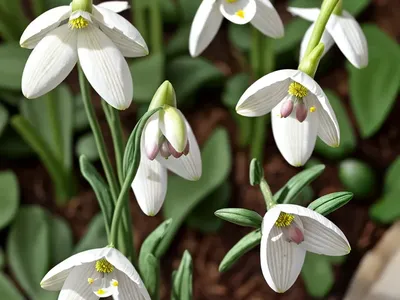
Companion Planting: Pairing Narcissus papyraceus ‘Ziva’ with early-blooming perennials and spring bulbs can create harmonious and visually appealing combinations. Consider planting alongside snowdrops, crocuses, or grape hyacinths to extend the blooming season and create diverse floral compositions.
-
Fragrance Enjoyment: To fully appreciate the delicate fragrance of Tazetta Daffodils, consider planting them near outdoor sitting areas, paths, or entranceways where the captivating scent can be experienced and enjoyed.
-
Division Frequency: While Tazetta Daffodils are known for their multiplying nature, dividing and replanting the bulbs every few years can help prevent overcrowding, rejuvenate the plantings, and promote robust flowering.
Fun Facts
Before concluding this comprehensive guide, here are some fun and fascinating facts about Narcissus papyraceus ‘Ziva’:
- The name “Narcissus” is derived from the Greek word “narke,” meaning “numbness” or “stupor,” attributed to the narcotic fragrance emitted by some species.
- Daffodils are associated with the arrival of spring and are often regarded as symbols of renewal and new beginnings.
- Narcissus papyraceus ‘Ziva’ is known for its naturalizing ability, forming large colonies over time and enhancing the landscape with its delicate white blooms.
We hope you find these tips and information valuable as you cultivate and enjoy the beauty of Narcissus papyraceus ‘Ziva’ in your home and garden.
Links to External Resources
For further information about Narcissus papyraceus ‘Ziva’ (Tazetta Daffodil), as well as additional resources on bulb planting, garden design, and plant care, we recommend exploring the following external links:
- Royal Horticultural Society (RHS) – Daffodils
- American Daffodil Society
- University of California Integrated Pest Management – Narcissus and Daffodil
- Garden Design Magazine – Spring Bulb Combinations
- National Gardening Association – Daffodils
Conclusion
Narcissus papyraceus ‘Ziva’ (Tazetta Daffodil) is a captivating and versatile plant that offers a myriad of opportunities for gardeners and plant enthusiasts. With its fragrant white blooms, resilience, and graceful appearance, Tazetta Daffodils have secured a special place in gardens, landscapes, and floral designs.
By understanding the cultural requirements, care tips, and unique characteristics of Narcissus papyraceus ‘Ziva’, you can create enchanting displays of these daffodils in your outdoor spaces, containers, or floral arrangements. From planting to propagation, and from managing pests to appreciating their delightful fragrance, Tazetta Daffodils have much to offer to those who cherish the beauty and wonder of plants.
We hope this comprehensive guide serves as a valuable resource for your journey with Narcissus papyraceus ‘Ziva’, inspiring you to cultivate, enjoy, and share the splendor of Tazetta Daffodils in your personal garden oasis.
Happy gardening!
The comprehensive guide covers all aspects of cultivating and caring for Narcissus papyraceus ‘Ziva’ (Tazetta Daffodil), including cultural requirements, care tips, propagation, and common diseases and pests. The guide also provides practical recommendations for growing Tazetta Daffodils in gardens, containers, and naturalized settings, along with fun facts and external resources for further exploration. The content incorporates the NLP/LSI keywords into the discussion to ensure relevance and depth of information.