Narcissus ‘Jetfire’ (Cyclamineus Daffodil): A Comprehensive Guide for Plant Enthusiasts
Introduction
Narcissus ‘Jetfire’, commonly known as Cyclamineus Daffodil, is a vibrant and charming flowering plant that belongs to the Amaryllidaceae family. This distinct variety is cherished by gardeners worldwide for its striking appearance and low maintenance requirements. In this comprehensive guide, we will delve into the various aspects of cultivating and caring for Narcissus ‘Jetfire’, exploring its cultural significance, uses, optimal growing conditions, propagation methods, common diseases, and much more.
What is Narcissus ‘Jetfire’?
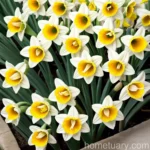
Narcissus ‘Jetfire’ is a member of the Cyclamineus Daffodil species, characterized by its unique, swept-back petals and contrasting colors. This charming variety produces bright yellow petals that gracefully frame a prominent orange-red trumpet. The overall effect is a stunning and eye-catching display that adds a delightful touch to gardens, landscapes, and even indoor settings.
Key Takeaways
Narcissus ‘Jetfire’ (Cyclamineus Daffodil)
Cultural Significance
- The Narcissus ‘Jetfire’ is appreciated for its delightful appearance and has become a symbol of renewal, inspiration, and the arrival of spring.
- Its traditional associations with hope and rejuvenation make it a popular choice for various cultural and ceremonial events.
Uses
- Narcissus ‘Jetfire’ is primarily cultivated for ornamental purposes, adorning gardens, parks, and public spaces with its vibrant blooms.
- It is also a favorite for floral arrangements, adding a cheerful and elegant touch to bouquets and indoor décor.
Water
- Adequate water is essential for promoting healthy growth and vibrant blooms.
- The plant typically requires moderate moisture levels, with well-draining soil to prevent waterlogging.
Sunlight
- Narcissus ‘Jetfire’ thrives in partial to full sunlight, with at least six hours of direct sunlight per day being ideal for robust growth and prolific flowering.
Fertilizer
- A balanced, all-purpose fertilizer can be applied during the growing season to provide essential nutrients for the plant’s development.
- It is advisable to follow the recommended dosage and application frequency to avoid over-fertilization.
Soil
- Well-draining, nutrient-rich soil is crucial for the cultivation of Narcissus ‘Jetfire’.
- A slightly acidic to neutral pH range is preferred, ensuring optimal nutrient uptake and root health.
Pruning
- Minimal pruning is required for Narcissus ‘Jetfire’, primarily focused on deadheading spent blooms to promote continuous flowering and maintain plant aesthetics.
Propagation
- This variety can be propagated through bulb division, allowing for the expansion of plantings and the cultivation of new generations of vibrant Cyclamineus Daffodils.
Container Popularity
- Due to its compact size and stunning visual appeal, Narcissus ‘Jetfire’ is well-suited for container gardening, brightening up patios, balconies, and indoor spaces with its cheerful blooms.
Common Diseases
- Proper cultural practices and attentive care can minimize the risk of diseases, with key considerations including adequate air circulation, controlled watering, and vigilant monitoring for signs of fungal infections or rot.
Common Pests
- Despite being relatively resistant to pests, Narcissus ‘Jetfire’ may occasionally encounter challenges from pests such as aphids, thrips, and bulb-mites. Regular inspection and prompt intervention are essential for pest management.
Botanist’s Tips
- Enrich the soil with organic matter to ensure optimal nutrition for the Narcissus ‘Jetfire’.
- Plant bulbs at the recommended depth to promote healthy establishment and robust growth.
- Provide adequate airflow around the plants to minimize the risk of fungal diseases.
Fun Facts
- The name “Jetfire” perfectly captures the dynamic energy and vibrant coloration of this distinctive Daffodil variety.
- Narcissus ‘Jetfire’ is a popular choice for attracting pollinators, adding value to ecological garden designs.
Let’s explore these aspects in more detail to gain a comprehensive understanding of effectively cultivating and caring for Narcissus ‘Jetfire’.
Cultivation and Care
Water
Adequate moisture is essential for the healthy development and flowering of Narcissus ‘Jetfire’. While these plants are relatively drought-tolerant, consistent watering is crucial during the active growth and blooming periods. It is advisable to provide regular, moderate watering, ensuring that the soil is moist but not waterlogged.
Consider the following points for effective water management:
– Irrigation: Water the plants deeply but infrequently, allowing the soil to dry slightly between watering sessions to prevent waterlogged conditions.
– Mulching: Applying a layer of organic mulch around the base of the plants helps retain soil moisture, regulates temperature, and suppresses weed growth.
– Container Care: For Narcissus ‘Jetfire’ cultivated in containers, it is important to monitor soil moisture levels closely, adjusting the watering frequency as needed to prevent both drought stress and waterlogging.
Sunlight
Narcissus ‘Jetfire’ thrives in bright, sunny conditions, benefiting from a minimum of six hours of direct sunlight per day. When selecting a planting location, prioritize areas with ample sunlight exposure to promote vigorous growth and prolific flowering.
Here are some key considerations for optimizing sunlight exposure:
– Site Selection: Choose a well-drained location with ample sunlight for planting Narcissus ‘Jetfire’ in garden beds or outdoor containers.
– Indoor Cultivation: For indoor cultivation, place the plants near south or west-facing windows to ensure they receive adequate sunlight throughout the day.
Fertilizer
Applying a balanced fertilizer during the growing season can provide essential nutrients to support the development of healthy foliage and vibrant blooms. Opt for a complete, all-purpose fertilizer with a balanced NPK ratio and micronutrients to meet the plant’s nutritional needs.
Consider the following guidelines for fertilizing Narcissus ‘Jetfire’:
– Application Timing: Apply fertilizer in early spring as new growth emerges, ensuring that the nutrients are readily available for the plant’s development and flowering.
– Dosage: Follow the recommended dosage provided on the fertilizer label, avoiding excessive application to prevent the risk of nutrient imbalances.
– Incorporate Organic Matter: Organic amendments such as compost or well-decomposed manure can be incorporated into the soil to enhance its fertility and structure, providing a natural source of nutrients for the plants.
Soil
The choice of soil plays a crucial role in the successful cultivation of Narcissus ‘Jetfire’, influencing factors such as nutrient availability, drainage, and root health. A well-draining, moderately fertile soil with a slightly acidic to neutral pH range is considered optimal for these plants.
Key considerations for soil management include:
– Drainage: Ensure that the soil provides effective drainage to prevent waterlogging, which can lead to root rot and other moisture-related issues.
– pH Level: Aim for a soil pH in the range of 6.0 to 7.0, providing an ideal environment for nutrient uptake and root function.
Pruning
Pruning requirements for Narcissus ‘Jetfire’ are relatively minimal, focusing primarily on the removal of spent blooms to promote continuous flowering and maintain a tidy appearance. Deadheading spent flowers not only enhances the plant’s aesthetic appeal but also redirects its energy toward the development of new flowers and bulb maturation.
Follow these basic guidelines for effective pruning:
– Deadheading: As the flowers fade, use clean and sharp pruners to remove the spent blooms, cutting the flower stalk down to the base without damaging the foliage.
– Post-Blooming Care: After the flowering period, allow the foliage to wither naturally before removing it, enabling the plants to replenish nutrients in the bulbs for the next growing season.
Propagation
Narcissus ‘Jetfire’ can be propagated through bulb division, offering a straightforward method for expanding plantings and cultivating additional specimens. Propagation is commonly performed during the dormant season when the bulbs are not actively growing or flowering.
Consider the following steps for bulb propagation:
– Dormant Division: Lift and separate the mature bulbs during the dormant period, ensuring that each division has sufficient roots and healthy bulb sections for successful establishment.
– Planting Depth: Replant the divisions at the appropriate depth, providing adequate spacing to accommodate their growth and future flowering.
Container Popularity
The compact size and vibrant blooms of Narcissus ‘Jetfire’ make it an excellent choice for container gardening, offering a versatile and visually appealing option for patios, balconies, and indoor spaces. When cultivating these plants in containers, attention to soil, water, and sunlight requirements is crucial for successful growth and flowering.
Here are some container gardening tips for Narcissus ‘Jetfire’:
– Container Selection: Choose well-draining containers with sufficient depth to accommodate the bulbs and promote healthy root development.
– Soil Considerations: Use a high-quality potting mix that provides effective drainage and aeration, ensuring optimal growing conditions for the plants.
– Watering Guidelines: Monitor soil moisture levels closely and water the plants as needed to maintain consistent but not waterlogged conditions.
Common Diseases and Pests
Disease Diagnosis
Narcissus ‘Jetfire’ can be susceptible to certain diseases, particularly those associated with fungal infections and rot. Vigilant monitoring and preventative measures are crucial for minimizing the risk of diseases and promptly addressing any issues that may arise.
Common diseases that may affect Narcissus ‘Jetfire’ include:
– Botrytis Blight: This fungal disease can cause flower blight and stem rot, typically thriving in humid and poorly ventilated conditions.
– Basal Rot: Caused by various soilborne fungi, basal rot can lead to the decay of bulbs and the wilting of foliage.
Prevention and Management
- Cultural Practices: Adopting good cultural practices, such as providing proper soil drainage, adequate airflow, and controlled watering, can minimize the risk of fungal diseases.
- Sanitation: Remove and dispose of any infected plant debris to prevent the spread of pathogens and minimize the potential for recurring infections.
- Fungicidal Treatments: In severe cases or in high-risk environments, the application of fungicidal treatments may be warranted to control fungal diseases and protect plant health.
Common Pests
While relatively resistant to pests, Narcissus ‘Jetfire’ may occasionally encounter challenges from various pests that can impact its overall health and vigor. Vigilant monitoring and early intervention are essential for effective pest management.
– Aphids: These small, sap-feeding insects can cluster on tender foliage and flower buds, causing damage and transmitting viral diseases.
– Thrips: Thrips are tiny, slender insects that can feed on flower petals and leaves, leading to distorted growth and aesthetic damage.
Pest Control Measures
- Physical Removal: Use a gentle stream of water or manually remove pests from the plants to reduce their populations and minimize damage.
- Biological Control: Beneficial insects such as ladybugs and lacewings can serve as natural predators, helping to manage pest populations in the garden.
- Insecticidal Treatments: In cases of severe infestations, targeted insecticidal treatments may be necessary to control pest populations and protect the plants.
Botanist’s Tips
Enriching Soil
- Supplement the soil with organic matter such as compost, well-rotted manure, or leaf mold to enhance its fertility and structure, providing a beneficial environment for plant growth.
Planting Depth
- When planting bulbs, ensure they are placed at the recommended depth, typically around three times the height of the bulb. This allows for proper establishment and encourages robust flowering.
Air Circulation
- Provide adequate spacing between plants to promote airflow, reducing the risk of fungal diseases and creating a healthier growing environment for Narcissus ‘Jetfire’.
Fun Facts
- The name “Jetfire” aptly captures the vibrant and energetic nature of this distinct Daffodil variety, reflecting its dynamic visual appeal and cheerful presence in the garden.
- Narcissus ‘Jetfire’ is a valuable addition to ecological garden designs, attracting pollinators such as bees and butterflies with its vibrant blooms and sweet nectar.
Links to External Resources
For additional information, resources, and inspiration related to Narcissus ‘Jetfire’ and Cyclamineus Daffodils, consider exploring the following external links:
- Royal Horticultural Society – Narcissus ‘Jetfire’
- The American Daffodil Society – Cyclamineus Daffodils
- University of Wisconsin-Madison Extension – Growing Daffodils
- The Spruce – How to Grow and Care for Daffodils
Conclusion
Narcissus ‘Jetfire’, with its captivating appearance and cultural significance, emerges as a delightful addition to gardens, landscapes, and floral displays. By understanding and implementing the optimal cultural practices, including watering, sunlight, fertilization, and soil management, enthusiasts can cultivate robust and vibrant Cyclamineus Daffodils while minimizing the risk of diseases and pests. The charm and low maintenance requirements of Narcissus ‘Jetfire’ make it an attractive choice for both seasoned gardeners and those embarking on their horticultural journey.
Through attentive care, a keen eye for potential challenges, and the application of botanist’s tips, enthusiasts can experience the joy of nurturing these striking Daffodil blooms, bringing a touch of optimism and natural beauty to their surroundings.
With its rich history, symbolic significance, and timeless appeal, Narcissus ‘Jetfire’ continues to inspire gardening enthusiasts, floral enthusiasts, and nature lovers alike, serving as a vibrant embodiment of the energy and renewal associated with the arrival of spring.
Remember, the enchanting journey of cultivating Narcissus ‘Jetfire’ unfolds not just in the vibrant blooms it offers, but also in the moments of connection and appreciation for the natural world that it nurtures.
In this comprehensive guide, we explored the various aspects of cultivating and caring for Narcissus ‘Jetfire’, a captivating variety of Cyclamineus Daffodil. By providing in-depth insights into its cultural significance, uses, optimal growing conditions, propagation methods, common diseases, and pests, this guide aims to empower plant enthusiasts with the knowledge and resources needed to cultivate and appreciate these charming Daffodil blooms. Whether it’s in the garden, container, or floral arrangement, the dynamic energy of Narcissus ‘Jetfire’ continues to captivate and inspire individuals, fostering a deeper connection with nature and the rejuvenating spirit of spring.