Narcissus ‘Gigantic Star’ (Large-Cupped Daffodil)
Narcissus ‘Gigantic Star’, commonly known as Large-Cupped Daffodil, is a stunning plant characterized by its large, showy flowers and easy-care nature..
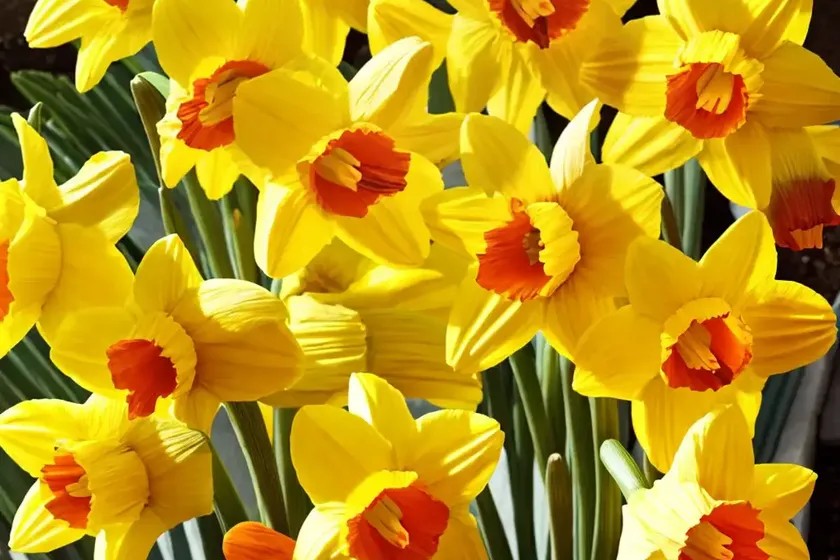
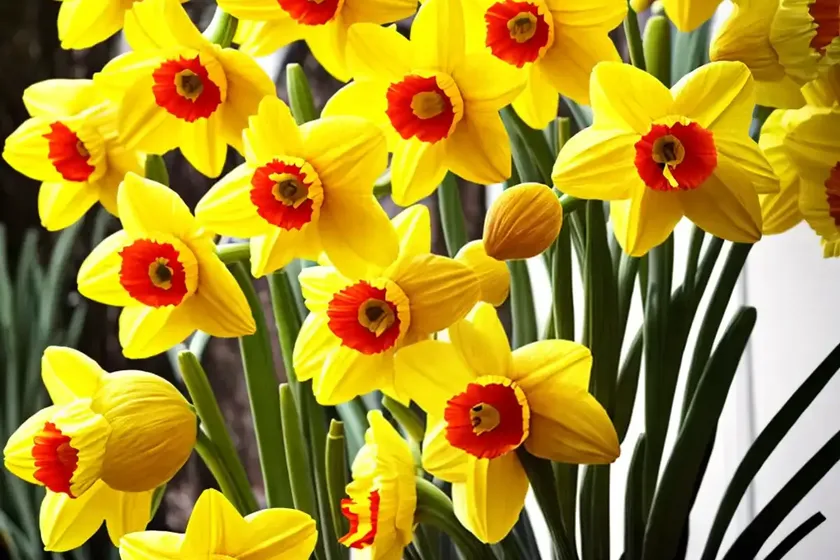
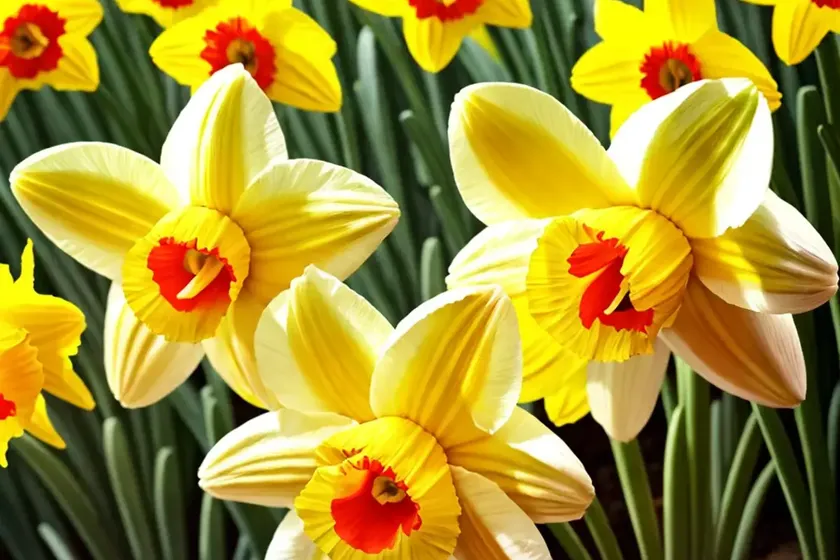
Narcissus ‘Gigantic Star’, commonly known as Large-Cupped Daffodil, is a stunning plant characterized by its large, showy flowers and easy-care nature. This beautiful spring-blooming bulb is a favorite among gardeners and landscaping enthusiasts for its vibrant colors and effortless maintenance. In this comprehensive guide, we will explore the various aspects of cultivating and caring for Narcissus ‘Gigantic Star’, including its cultural requirements, uses, propagation, common diseases, pests, and much more.
What is Narcissus ‘Gigantic Star’ (Large-Cupped Daffodil)?
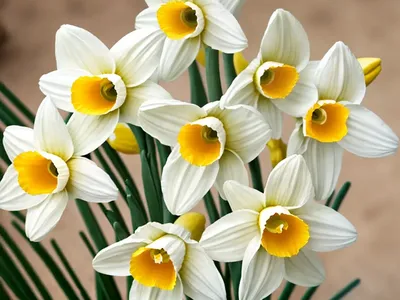
Narcissus ‘Gigantic Star’, a member of the Amaryllidaceae family, is a perennial bulb that produces stunning flowers in early spring. This large-cupped daffodil variety is known for its prominent central trumpet surrounded by six petals, creating an iconic floral display. The plant’s elegant blooms, coupled with its low maintenance needs, make it a popular choice for gardens, landscapes, and container plantings.
Key Takeaways – Narcissus ‘Gigantic Star’ (Large-Cupped Daffodil)
Before we delve into the detailed aspects of cultivating Narcissus ‘Gigantic Star’, let’s briefly highlight the key takeaways of this exquisite plant, focusing on its cultural requirements, uses, and common characteristics.
- Plant Name: Narcissus ‘Gigantic Star’ (Large-Cupped Daffodil)
- Common Names: Large-Cupped Daffodil, Gigantic Star daffodil
- Botanical Family: Amaryllidaceae
- Flower Characteristics: Large-cupped flowers with a prominent central trumpet
- Growing Season: Early spring bloomer
- Cultural Requirements: Adequate water, sunlight, well-draining soil, and periodic fertilization
- Use: Ideal for gardens, landscapes, containers, and cut flower arrangements
- Propagation: Can be propagated through bulb division or seed sowing
- Diseases and Pests: Susceptible to certain diseases and pests, requiring vigilance during cultivation
Now, let’s embark on a comprehensive journey to understand the nuances of growing and caring for Narcissus ‘Gigantic Star’.
Culture
Cultivating Narcissus ‘Gigantic Star’ involves understanding and meeting its specific cultural requirements, ensuring optimal growth and blooming. Let’s explore the key aspects of the plant’s culture, encompassing its water, sunlight, fertilizer, soil, and pruning needs.
Water
Narcissus ‘Gigantic Star’ Watering Needs:
– Moderate water requirements, especially during the active growth phase in spring.
– Ensure well-draining soil to prevent waterlogging, which can lead to bulb rot.
Watering Tip:
– Water the plants deeply when the soil feels dry to the touch, ensuring thorough moisture penetration to the root zone.
Sunlight
Narcissus ‘Gigantic Star’ Sunlight Requirements:
– Flourishes in full to partial sunlight, with at least 6 hours of direct sunlight daily.
– Prefers locations with morning sun and dappled shade in the afternoon, especially in warmer climates.
Sunlight Tip:
– When planting, choose a site that offers the ideal balance of sunlight and shade to support the plant’s growth and flowering.
Fertilizer
Narcissus ‘Gigantic Star’ Fertilization Guidelines:
– Apply a balanced, all-purpose fertilizer in early spring when the foliage emerges.
– Refrain from excessive fertilization to avoid promoting lush foliage at the expense of flower production.
Fertilization Tip:
– Use a low-nitrogen fertilizer with an N-P-K ratio such as 5-10-10 to support healthy bulb development and flower formation.
Soil
Narcissus ‘Gigantic Star’ Soil Preferences:
– Thrives in well-draining, fertile soil with a slightly acidic to neutral pH range (pH 6.0-7.0).
– Incorporate organic matter, such as compost, into the soil to enhance its texture and nutrient content.
Soil Tip:
– Conduct a soil test to ascertain its pH and nutrient levels, making amendments as needed to create an optimal growing medium for the bulbs.
Pruning
Narcissus ‘Gigantic Star’ Pruning Instructions:
– Remove spent flowers to prevent seed formation and conserve the plant’s energy for bulb development.
– Allow the foliage to senesce naturally after blooming, as it provides nourishment to the bulb for the next season’s growth.
Pruning Tip:
– Refrain from braiding or tying the foliage, as this practice can hinder the plant’s ability to photosynthesize and store energy.
Uses
Narcissus ‘Gigantic Star’ is valued for its versatile uses, ranging from ornamental plantings to cut flower arrangements. Let’s explore the various applications of this stunning daffodil variety.
-
Garden and Landscape Plantings: The large, colorful flowers of Narcissus ‘Gigantic Star’ make it a captivating addition to garden beds, borders, and naturalized landscapes. Its vibrant blooms herald the arrival of spring, creating a cheerful and welcoming ambiance.
-
Container Gardening: Due to its compact and clumping growth habit, Narcissus ‘Gigantic Star’ is well-suited for container plantings. Whether showcased on patios, balconies, or outdoor dining spaces, the daffodil’s striking flowers add a touch of elegance to any container arrangement.
-
Cut Flower Production: Harvest the blooms for stunning floral displays and indoor arrangements. The long-lasting flowers, especially when cut in the bud stage, can infuse any space with their enchanting beauty and sweet fragrance.
-
Pollinator Support: The nectar-rich flowers of Narcissus ‘Gigantic Star’ attract pollinators such as bees and butterflies, contributing to the ecological balance and biodiversity of the surrounding area.
Propagation
Bulb Division
Narcissus ‘Gigantic Star’ can be propagated through bulb division, a reliable method to increase the plant population and rejuvenate overcrowded clumps. Follow these steps to propagate the daffodil through bulb division:
- Timing: Perform bulb division in late summer to early autumn, after the foliage has withered naturally.
- Lifting Bulbs: Carefully dig up the clumps, taking care not to damage the bulbs.
- Separation: Gently separate the bulbs, ensuring that each division has sufficient roots and a basal plate.
- Replanting: Plant the divisions at the appropriate depth and spacing, providing adequate water to support their establishment.
Seed Sowing
While Narcissus ‘Gigantic Star’ can be propagated through seeds, it’s important to note that this method requires patience and may take several years for the plants to reach flowering maturity. When opting for seed propagation, follow these general guidelines:
- Seed Collection: Harvest mature seed pods once they have ripened and started to split open.
- Preparation: Remove the seeds from the pods and gently clean them to eliminate any debris or remaining pod material.
- Sowing: Plant the seeds in a well-draining seed-starting mix, keeping them moist and providing indirect light.
- Germination and Growth: Expect the seeds to germinate within a few months to a year, with the resulting seedlings needing careful attention and nurturing until they reach a size suitable for outdoor planting.
Container Popularity
The compact nature and stunning blooms of Narcissus ‘Gigantic Star’ make it a popular choice for container plantings. It’s well-suited for various container sizes, from small pots to larger decorative planters, allowing individuals with limited outdoor space to enjoy the beauty of this daffodil variety. When cultivating Narcissus ‘Gigantic Star’ in containers, ensure that the planting media is well-draining, and the containers have drainage holes to prevent waterlogging.
Common Diseases
Narcissus ‘Gigantic Star’ is susceptible to certain diseases that can affect its overall health and vigor. By understanding these common diseases and their symptoms, gardeners can implement appropriate management strategies to protect their daffodil plantings.
Disease Diagnosis
- Botrytis Blight: Identified by gray mold on foliage and flowers, often favored by prolonged wet conditions.
- Basal Rot: Manifests as soft, water-soaked lesions at the base of the bulb, leading to bulb decay and stunted growth.
- Narcissus Yellow Stripe Virus (NYSV): Causes yellow streaking and mottling on the foliage, eventually impacting flower production and bulb quality.
Common Pests
Narcissus ‘Gigantic Star’ may also face challenges from various pests that can compromise its growth and aesthetics. Familiarizing oneself with these common pests and their control measures is essential for preserving the health and beauty of the daffodil plants.
Botanist’s Tips
To ensure the successful cultivation and maintenance of Narcissus ‘Gigantic Star’, here are some valuable botanist’s tips to guide gardening enthusiasts in their efforts:
-
Adequate Spacing: When planting the bulbs, allow sufficient space between them to accommodate their growth and prevent overcrowding, which can lead to reduced flowering and increased susceptibility to diseases.
-
Mulching: Apply a layer of organic mulch around the daffodil plants to regulate soil moisture, suppress weed growth, and insulate the bulbs during temperature fluctuations.
-
Post-Blooming Care: Refrain from removing the foliage until it turns yellow and withers naturally, as premature removal can compromise the bulb’s energy reserves for the following season.
Fun Facts
- The name “Narcissus” is derived from Greek mythology, representing a beautiful youth who fell in love with his reflection and was transformed into a flower.
- Daffodils, including Narcissus ‘Gigantic Star’, are known for their toxic properties, containing substances that can cause discomfort if ingested. Therefore, exercise caution and keep them away from grazing animals.
Now, let’s explore some external resources that provide valuable insights and information about Narcissus ‘Gigantic Star’ and its cultivation:
-
American Daffodil Society: An authoritative source that offers comprehensive guidance on daffodils, including cultivation tips, varieties, and events.
-
Royal Horticultural Society – Daffodils: The RHS website provides in-depth articles and resources dedicated to daffodils, offering guidance on cultivation, care, and recommended varieties.
-
University of Minnesota Extension – Flower Bulbs for the North: A valuable resource providing insights into the selection, planting, and maintenance of flower bulbs, including daffodils, in northern climates.
With a deeper understanding of Narcissus ‘Gigantic Star’ and its cultural requirements, propagation methods, uses, and potential challenges, gardeners can confidently embark on the rewarding journey of cultivating this iconic daffodil variety. Whether gracing garden beds, containers, or cut flower arrangements, the vibrant and captivating presence of Narcissus ‘Gigantic Star’ heralds the arrival of spring and infuses outdoor spaces with timeless charm and natural beauty.
In conclusion, a garden adorned with Large-Cupped Daffodils is a garden teeming with springtime joy and enchantment, a testament to the enduring allure and botanical marvel of Narcissus ‘Gigantic Star’.
Keywords: Narcissus Gigantic Star, Narcissus Gigantic Star daffodil, Large-Cupped Daffodil Narcissus Gigantic Star, Narcissus Gigantic Star flower, Gigantic Star daffodil, Narcissus Gigantic Star bulb, Large-Cupped Daffodil, Narcissus Gigantic Star growing tips, Narcissus Gigantic Star care, Narcissus Gigantic Star varieties, Narcissus Gigantic Star planting guide, Narcissus Gigantic Star size, Narcissus Gigantic Star blooming period, Narcissus Gigantic Star colors, Narcissus Gigantic Star characteristics, Narcissus Gigantic Star garden, Large-Cupped Daffodil varieties, Large-Cupped Daffodil care, Large-Cupped Daffodil bulbs, Large-Cupped Daffodil blooming season, Large-Cupped Daffodil colors, Large-Cupped Daffodil characteristics, Large-Cupped Daffodil garden, Narcissus Gigantic Star floral arrangement, Narcissus Gigantic Star landscape, Narcissus Gigantic Star companion plants, Narcissus Gigantic Star zone requirements, Narcissus Gigantic Star container gardening, Narcissus Gigantic Star growing conditions, Narcissus Gigantic Star sun exposure, Narcissus Gigantic Star soil requirements, Narcissus Gigantic Star water needs, Narcissus Gigantic Star fertilization, Narcissus Gigantic Star naturalizing, Narcissus Gigantic Star dividing, Narcissus Gigantic Star propagation, Narcissus Gigantic Star pests, Narcissus Gigantic Star diseases, Narcissus Gigantic Star seasonality, Narcissus Gigantic Star landscaping ideas, Narcissus Gigantic Star spring bulbs, Narcissus Gigantic Star garden design, Narcissus Gigantic Star wildlife support, Narcissus Gigantic Star cut flowers, Narcissus Gigantic Star early blooming daffodil, Narcissus Gigantic Star perennial, Narcissus Gigantic Star winter care, Narcissus Gigantic Star hardiness, Narcissus Gigantic Star planting depth, Narcissus Gigantic Star fragrant daffodil