Myrtle Topiairies (Myrtle Topiairies)
Plants have long been an integral part of human life, providing us with food, medicine, and beauty. One particular plant that has caught the interest of.
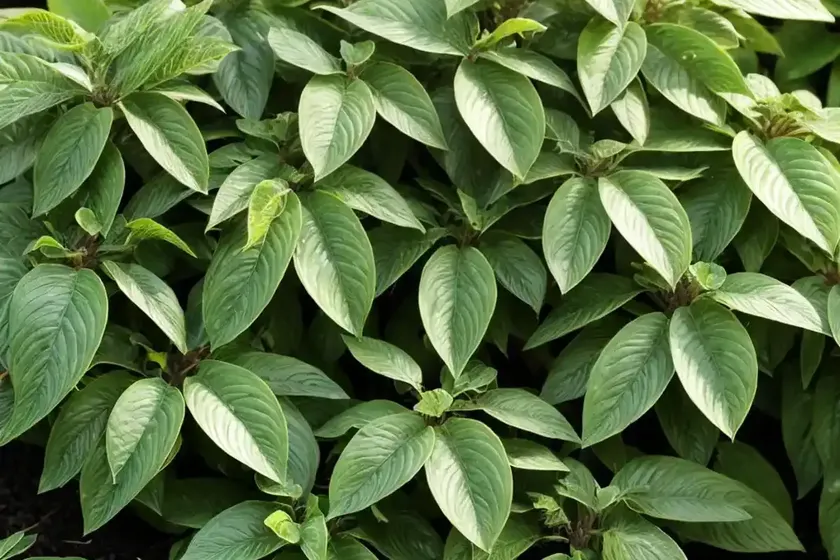
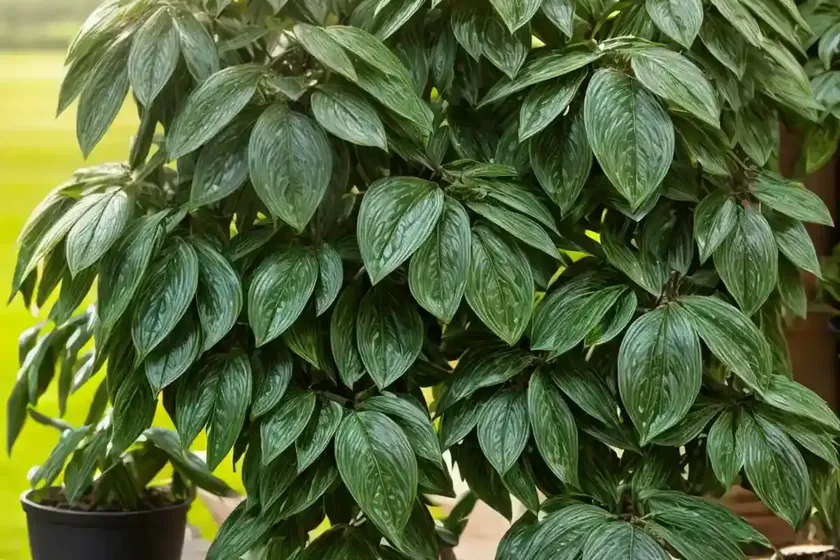
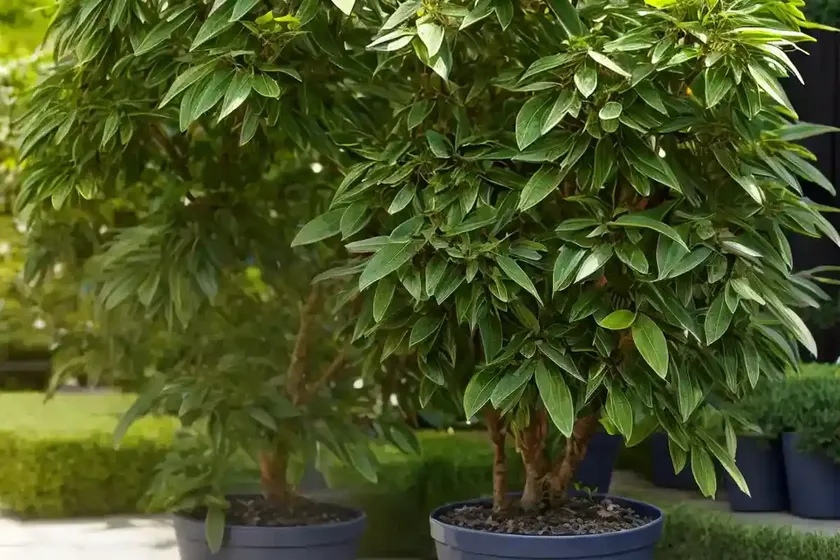
Plants have long been an integral part of human life, providing us with food, medicine, and beauty. One particular plant that has caught the interest of many gardening enthusiasts is the Myrtle Topiary. These stunningly sculpted plants have gained popularity for their unique and artistic appeal in both indoor and outdoor settings. In this comprehensive guide, we will explore all facets of Myrtle Topiaries, including their culture, uses, care, and maintenance, as well as common diseases and pests. Whether you’re a seasoned gardener or a novice plant lover, this guide will provide you with essential insights into cultivating and enjoying Myrtle Topiaries.
What is a Myrtle Topiary?
The Myrtle Topiary, also known as Myrtus communis, is an evergreen shrub that belongs to the Myrtaceae family. It is native to the Mediterranean region, particularly in Southern Europe and North Africa. Myrtle has a rich history and has been valued for its aromatic foliage, beautiful flowers, and compact growth habit.
Key Takeaways – Myrtle Topiaries
Before we delve into the specific aspects of cultivating Myrtle Topiaries, let’s take a moment to highlight key takeaways about these plants:
- Myrtle topiaries are versatile plants that can be used for both indoor and outdoor decoration.
- They are known for their beautifully sculpted forms, making them popular as living art pieces.
- Myrtle topiaries are relatively low-maintenance, making them ideal for individuals with busy schedules.
- Their aromatic foliage adds a delightful fragrance to any space, enhancing the ambiance of gardens, patios, and living areas.
Now, let’s focus on the various aspects of cultivating and maintaining Myrtle Topiaries.
Culture
Understanding the cultural requirements of Myrtle Topiaries is essential for their successful growth and development. From water and sunlight needs to soil and fertilizer preferences, ensuring the right cultural conditions is vital for keeping these plants healthy and vibrant.
Uses
Myrtle Topiaries are valued for their versatile uses in landscaping and interior decor. Here are some common uses of Myrtle Topiaries:
- Indoor decoration: Myrtle topiaries are often used as elegant accents in homes, offices, and event venues. Their sculpted forms add a touch of sophistication to any interior space.
- Outdoor landscaping: In garden settings, Myrtle Topiaries serve as eye-catching focal points, enhancing the visual appeal of outdoor areas. They can be used in formal garden designs, as well as contemporary and traditional landscapes.
- Fragrance: The aromatic foliage of Myrtle adds a pleasant scent to the surroundings, making it a popular choice for aromatic gardens and outdoor seating areas.
Water
Proper watering is crucial for the health and vigor of Myrtle Topiaries. These plants need consistent moisture to thrive, but they are also sensitive to waterlogged conditions.
The following table outlines a general watering schedule for Myrtle Topiaries:
| Season | Watering Frequency |
|---|---|
| Spring | Regular watering as soil dries out |
| Summer | More frequent watering, especially in heat |
| Fall | Moderate watering as temperatures cool down |
| Winter | Reduced watering, allowing soil to partially dry out |
Sunlight
Myrtle Topiaries thrive in bright, indirect light. They prefer a location with plenty of natural light, but direct sunlight should be filtered, especially during the intense afternoon hours. When growing Myrtle Topiaries indoors, it’s essential to place them near a sunny window where they can receive adequate light.
Soil
Well-draining and nutrient-rich soil is essential for Myrtle Topiaries. A high-quality potting mix that is specifically formulated for woody ornamental plants is ideal. The soil should provide good aeration while retaining moisture, creating an optimal environment for healthy root growth.
When re-potting or planting Myrtle Topiaries, it’s recommended to use a container with drainage holes to prevent waterlogging, which can lead to root rot.
Fertilizer
An appropriate fertilization regimen is beneficial for promoting the growth and vitality of Myrtle Topiaries. A balanced, slow-release fertilizer with a formulation such as 10-10-10 can provide essential nutrients without causing excessive growth.
Here’s a simple fertilizing schedule for Myrtle Topiaries:
- Spring: Apply a balanced, slow-release fertilizer as new growth begins.
- Summer: Supplement with a liquid fertilizer every 4-6 weeks to support growth and blooming.
- Fall: Reduce fertilization as the plant enters a period of slower growth.
- Winter: Withhold fertilizer during the plant’s dormancy period.
Pruning
Pruning is an essential aspect of maintaining the sculpted forms of Myrtle Topiaries. Regular pruning helps to promote dense foliage and encourage the desired shape. It is best to use sharp, clean pruning shears to make precise cuts and avoid damaging the plant.
When shaping Myrtle Topiaries, it’s important to consider the desired design and regularly trim back any new growth to maintain the form. Myrtle responds well to pruning and can be trained into various shapes, such as spirals, cones, and standards.
The frequency of pruning may vary depending on the growth rate of the plant and the desired form. However, light pruning every 1-2 months is generally sufficient to keep Myrtle Topiaries looking neat and well-maintained.
Propagation
Propagation of Myrtle Topiaries can be achieved through several methods, including:
- Softwood cuttings: Softwood cuttings taken from the tips of the branches can be propagated in a well-draining, moist propagation medium. With proper care and favorable conditions, the cuttings will develop roots and can be transplanted into individual containers.
- Air layering: This method involves creating a small incision in a branch, introducing rooting hormone, and wrapping it with a moist medium to encourage root formation. Once roots have developed, the new plant can be separated and potted.
- Seeds: While less commonly used for propagating topiaries, Myrtle seeds can be collected from mature fruits and sown in a seed-starting mix. It’s important to note that Myrtle seeds may have variable germination rates and can take time to reach maturity.
Container
Growing Myrtle Topiaries in containers is a popular choice for many gardeners, as it allows for greater flexibility in placement and design. When selecting a container for Myrtle Topiaries, consider the following factors:
- Size: Choose a container that provides ample room for root growth while complementing the size of the plant. Containers that are too large can retain excess moisture, leading to potential root issues.
- Drainage: Ensure that the container has sufficient drainage holes to prevent waterlogging and maintain healthy root conditions.
- Material: Select a durable and weather-resistant material for outdoor containers, such as ceramic, fiberglass, or lightweight resin. For indoor decor, decorative pots and urns can add a touch of elegance to the presentation of Myrtle Topiaries.
Popularity
Myrtle Topiaries have gained widespread popularity for their ornamental value, adaptability, and ease of cultivation. They have become a favored choice for individuals seeking to add a touch of greenery and artistry to their living spaces and landscapes. From formal garden designs to modern interior decor, Myrtle Topiaries offer a timeless and sophisticated appeal that transcends various styles and preferences.
Common Diseases
While Myrtle Topiaries are relatively resilient plants, they can be susceptible to certain diseases under unfavorable conditions. Common diseases that may affect Myrtle Topiaries include:
- Powdery mildew: This fungal disease appears as white, powdery patches on the leaves, typically in humid or poorly ventilated environments.
- Leaf spot: Leaf spot diseases can cause dark spots or lesions on the foliage, leading to defoliation and decreased plant vigor if left untreated.
- Root rot: Overly saturated soil or waterlogged conditions can lead to root rot, resulting in yellowing leaves, wilting, and stunted growth.
Disease Diagnosis
To effectively diagnose and address diseases in Myrtle Topiaries, it’s important to closely monitor the plant for any signs of decline or abnormalities. Early detection and intervention are crucial in preventing the spread of diseases and minimizing their impact on the plant.
Some general steps for disease diagnosis and management include:
- Observing the plant for symptoms such as leaf discoloration, wilting, or unusual growth patterns.
- Identifying potential causes of stress or disease, such as overwatering, poor air circulation, or pest infestations.
- Consulting with a plant health specialist or horticulturist for accurate diagnosis and treatment recommendations.
Common Pests
Myrtle Topiaries are relatively resistant to pest infestations, but they can still be affected by certain pests, including:
- Aphids: These small, sap-sucking insects can cause distorted growth and yellowing of the foliage.
- Scale insects: Scale insects can appear as small, waxy bumps on the stems and leaves, often leading to weakened plant health if left unmanaged.
- Spider mites: Spider mites are tiny pests that can cause stippling and webbing on the foliage, particularly in dry and warm conditions.
Botanist’s Tips
As a plant scientist with a passion for horticulture, I’ve had the opportunity to work closely with Myrtle Topiaries and explore various tips for their care and cultivation. Here are some additional insights and recommendations based on my experience:
- Selecting healthy plants: When purchasing Myrtle Topiaries, choose specimens with vibrant green foliage, compact growth, and no visible signs of disease or pest damage.
- Monitoring humidity: In indoor environments, consider maintaining adequate humidity levels to prevent issues such as powdery mildew and dry foliage. Using a humidifier or placing the plants on trays filled with water and pebbles can create a favorable microclimate.
- Protecting from extreme temperatures: Myrtle Topiaries can be sensitive to sudden temperature fluctuations, particularly during winter months. Providing adequate protection from cold drafts and frost is essential for their well-being.
- Observing plant responses: Pay close attention to how Myrtle Topiaries respond to different care practices, such as watering frequency, light levels, and fertilization. Observing the plant’s reactions can provide valuable insights into its specific needs and preferences.
Fun Facts
Learning interesting and unique facts about plants adds to the enjoyment of cultivating and appreciating them. Here are some fun facts about Myrtle Topiaries:
- Myrtle has been associated with various mythological and historical references, including its significance in Greek and Roman cultures. It has often been linked to themes of love, beauty, and immortality.
- Myrtle leaves are commonly used in culinary applications, adding a citrusy, aromatic flavor to dishes and beverages.
- In addition to its ornamental use, Myrtle has been utilized for its medicinal properties, with historical applications in traditional herbal medicine.
Links to External Resources
For further exploration and in-depth information about Myrtle Topiaries, here are some valuable external resources:
- Royal Horticultural Society – Myrtus Communis
- University of Florida IFAS Extension – Myrtle Diseases
- American Society for the Prevention of Cruelty to Animals – Toxic Plants for Pets
- Missouri Botanical Garden – Myrtus Communis
- Myrtle Topiaries: A Complete Guide – Gardening Insights Magazine
In conclusion, Myrtle Topiaries are captivating plants that offer a blend of natural beauty and artistic expression. By understanding their cultural requirements, using responsible management practices, and being attentive to their health, Myrtle Topiaries can thrive and bring elegance to any environment. Whether used as decorative accents, focal points in gardens, or living sculptures, Myrtle Topiaries hold a timeless charm and continue to enchant plant enthusiasts and gardeners around the world.
Remember, the key to successful plant care lies in patience, observation, and a genuine appreciation for the wondrous world of plants. Happy gardening!
Keywords: Myrtle topiaries care, Best plants for topiaries, Decorating with myrtle topiaries, How to shape myrtle topiaries, Growing myrtle for topiaries, Tips for maintaining myrtle topiaries, Myrtle topiaries for indoor decoration, Outdoor myrtle topiary ideas, Common issues with myrtle topiaries, Pruning techniques for myrtle topiaries, Myrtle topiaries for landscaping, Unique designs for myrtle topiaries, Watering schedule for myrtle topiaries, Myrtle topiaries in different climates, Myrtle topiaries for small spaces, Creative uses for myrtle topiaries, Types of myrtle plants for topiaries, Myrtle topiaries as gifts, Beginner’s guide to myrtle topiaries, Benefits of having myrtle topiaries, Myrtle topiaries for wedding decorations, Myrtle topiaries in historical gardens, Myrtle topiaries for festive occasions, Myrtle topiaries for corporate events, Myrtle topiaries for natural pest control, Myrtle topiaries in traditional gardens, Maintaining the health of myrtle topiaries, Organic fertilizers for myrtle topiaries, Myrtle topiaries for privacy screens, Myrtle topiaries as living sculptures, Myrtle topiaries and feng shui, Myrtle topiaries and meditation spaces, Myrtle topiaries for sustainable gardening, Myrtle topiaries in botanical gardens, Myrtle topiaries and garden design principles, Myrtle topiaries as architectural elements, Drought-tolerant myrtle topiaries, Creative containers for myrtle topiaries, Winter care for myrtle topiaries, Common pests and diseases of myrtle topiaries, Myrtle topiaries and companion planting, Myrtle topiaries for edging and borders, Myrtle topiaries for herb gardens, Myrtle topiaries and aromatherapy, Myrtle topiaries for attracting butterflies, Myrtle topiaries for historic preservation, Myrtle topiaries and Greek mythology, Myrtle topiaries for patio decorations, Myrtle topiaries and Italian gardens, Myrtle topiaries for seaside landscapes.


