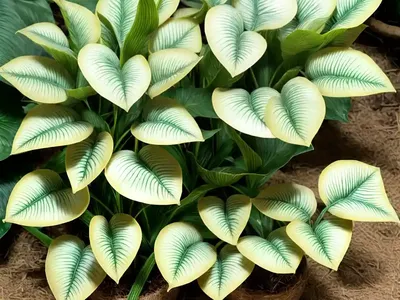
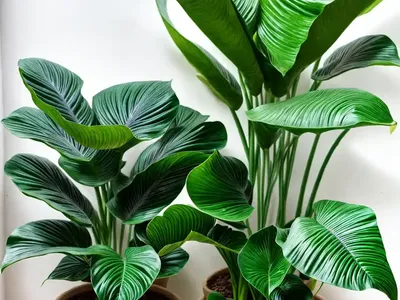
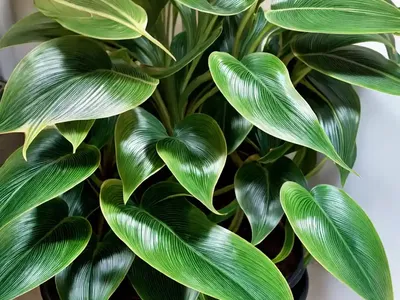
Elephant’s Ear (Xanthosoma ‘Lime Zinger’)
In the world of ornamental plants, few are as captivating and visually striking as the elephant’s ear (Xanthosoma ‘Lime Zinger’). This tropical beauty.
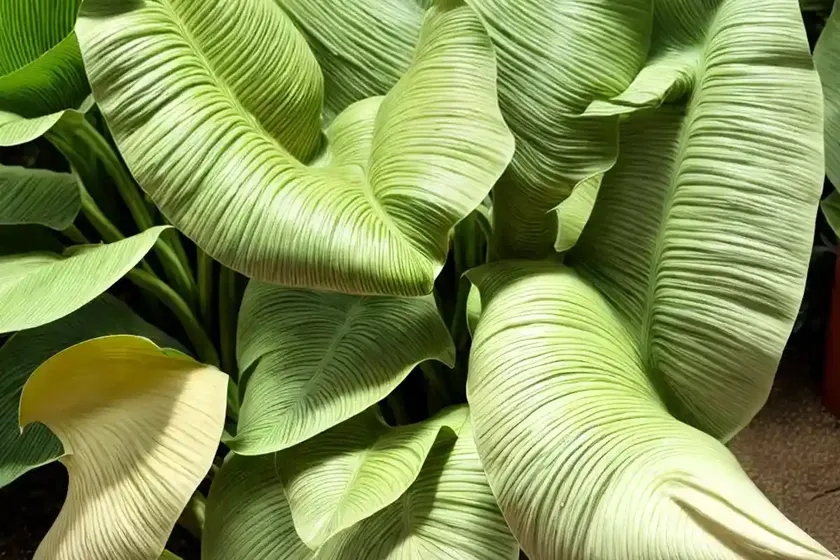
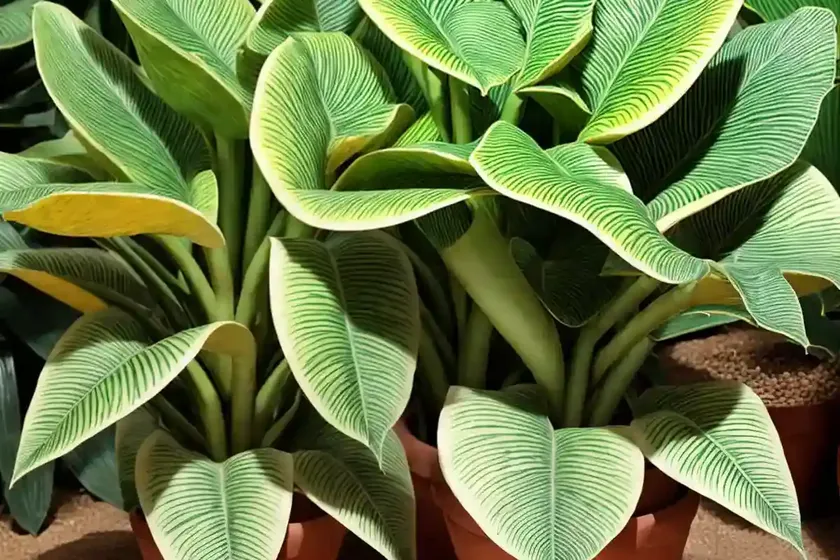
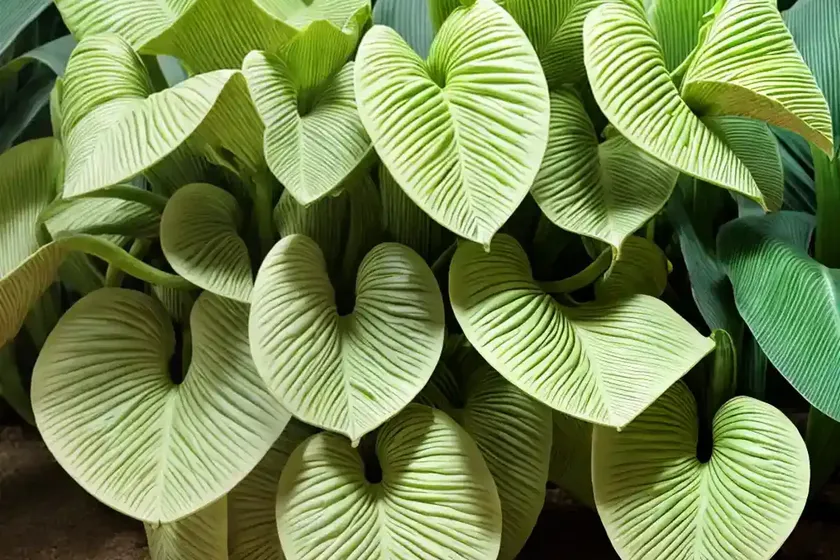
In the world of ornamental plants, few are as captivating and visually striking as the elephant’s ear (Xanthosoma ‘Lime Zinger’). This tropical beauty, known for its large, lush foliage and vibrant colors, has become a favorite among gardeners and landscapers alike. In this comprehensive guide, we will delve into all aspects of the elephant’s ear, from its cultural requirements and common uses to its propagation, potential diseases, and much more. Whether you are an experienced plant enthusiast or a beginner looking to add a touch of exotic charm to your indoor or outdoor spaces, this article will equip you with the knowledge to care for and appreciate the remarkable Xanthosoma ‘Lime Zinger’.
What is the Elephant’s Ear (Xanthosoma ‘Lime Zinger’)?
The elephant’s ear, scientifically known as Xanthosoma, is a genus of flowering plants in the Araceae family. These tropical plants are native to regions of Central and South America, where they thrive in warm, humid environments. Xanthosoma species are characterized by their large, arrowhead-shaped leaves and distinctive foliage patterns, making them stand out in any botanical setting.
Key Takeaways – Elephant’s Ear (Xanthosoma ‘Lime Zinger’)
Before we delve into the specifics of caring for the magnificent Xanthosoma ‘Lime Zinger’, let’s highlight some key takeaways about this remarkable plant:
- Botanical Name: Xanthosoma ‘Lime Zinger’
- Common Name: Elephant’s Ear
- Family: Araceae
- Origin: Central and South America
- Foliage: Large, arrowhead-shaped leaves with striking colors
- Landscape Use: Ornamental focal point in gardens and landscapes
- Growth Habit: Tropical perennial with impressive foliage
Now that we have a foundational understanding of the elephant’s ear, let’s explore the various aspects of its care and maintenance.
Culture
Understanding the cultural requirements of the elephant’s ear is essential for ensuring its optimal growth and vibrancy. From watering and sunlight to soil and fertilization, each aspect plays a crucial role in fostering a thriving Xanthosoma ‘Lime Zinger’.
Uses
The elephant’s ear, with its dramatic foliage and tropical allure, serves a variety of ornamental and practical purposes in both indoor and outdoor settings:
- Garden Focal Point: The impressive size and bold colors of the elephant’s ear make it an ideal focal point in garden beds and landscape designs, adding a touch of tropical ambiance to the surroundings.
- Indoor Décor: When cultivated as a potted houseplant, Xanthosoma ‘Lime Zinger’ brings a sense of lush greenery and exotic charm to interior spaces, from living rooms to offices.
Water
Proper watering is crucial for the health of the elephant’s ear, striking a balance between providing adequate moisture and preventing waterlogged conditions. Here are some essential watering tips for Xanthosoma ‘Lime Zinger’:
- Regular Moisture: Maintain consistently moist soil for the elephant’s ear, ensuring that it does not dry out completely between waterings.
- Drainage: Use well-draining soil and containers to prevent water accumulation, promoting healthy root development and minimizing the risk of rot.
Sunlight
In its natural habitat, the elephant’s ear thrives under dappled sunlight and partial shade. When cultivated as a houseplant or in outdoor settings, it is important to consider the following sunlight requirements:
- Filtered Light: Provide the Xanthosoma ‘Lime Zinger’ with bright, indirect light to mimic its native environment, avoiding prolonged exposure to harsh, direct sunlight.
- Outdoor Placement: For outdoor cultivation, choose a location that offers partial shade and protection from intense midday sun.
Fertilizer
Fertilization plays a pivotal role in supporting the lush growth and vibrant foliage of the elephant’s ear. Consider the following fertilization guidelines for Xanthosoma ‘Lime Zinger’:
- Balanced Feed: Utilize a balanced, water-soluble fertilizer with a higher nitrogen content to promote healthy leaf development and overall growth.
- Frequency: During the growing season, fertilize the elephant’s ear every 4-6 weeks, reducing or ceasing fertilization during the winter months when growth slows down.
Soil
The right soil composition is instrumental in providing the necessary nutrients and structure for the elephant’s ear to thrive. Consider the following soil preferences for Xanthosoma ‘Lime Zinger’:
- Rich and Well-Draining: Opt for a nutrient-rich potting mix or garden soil that offers excellent drainage, preventing waterlogging and supporting healthy root systems.
- Organic Matter: Incorporate organic matter, such as compost or peat moss, to enhance soil fertility and moisture retention, creating an ideal growing environment for the elephant’s ear.
Pruning
Pruning is an essential aspect of elephant’s ear maintenance, contributing to its overall health and aesthetic appeal. Proper pruning techniques help manage the plant’s size, remove damaged foliage, and encourage new growth. Here’s how to approach pruning Xanthosoma ‘Lime Zinger’:
- Leaf Maintenance: Regularly remove yellowing or damaged leaves to promote a tidy appearance and prevent potential diseases from spreading.
- Size Control: Trim back overgrown foliage to maintain the desired size and shape of the plant, ensuring that it remains visually pleasing in its environment.
Propagation
The propagation of the elephant’s ear allows for the expansion of its captivating presence in gardens and landscapes. Whether you are a seasoned gardener seeking to multiply your existing Xanthosoma ‘Lime Zinger’ or a beginner eager to explore the propagation process, the following methods can be employed:
- Division: Divide mature clumps of the elephant’s ear, ensuring that each division contains healthy rhizomes and foliage. This method is effective for expanding the plant’s presence and rejuvenating crowded growth.
Container Popularity
The elephant’s ear’s allure as a container plant makes it a popular choice for both indoor and outdoor container gardening. Its striking foliage and tropical elegance lend themselves well to various container settings, including patios, balconies, and interior spaces. When considering container cultivation for Xanthosoma ‘Lime Zinger’, ensure the following:
- Appropriate Size: Select containers that accommodate the plant’s mature size, providing ample space for root development and stability.
- Drainage Holes: Choose containers with drainage holes to prevent water from accumulating at the root zone, reducing the risk of root rot.
Common Diseases
Like any other plant, the elephant’s ear is susceptible to certain diseases that can impact its vitality and overall appearance. Understanding and recognizing common diseases is essential for implementing timely interventions and protecting the health of Xanthosoma ‘Lime Zinger’. Some prevalent diseases include:
- Leaf Spot: Characterized by the appearance of dark, water-soaked spots on the foliage, leaf spot disease can be managed through proper air circulation and avoiding overhead watering.
- Root Rot: Excessive soil moisture and poor drainage can lead to root rot, causing the plant’s roots to decay. To prevent this, ensure well-draining soil and avoid overwatering.
Disease Diagnosis
Diagnosing diseases affecting the elephant’s ear involves careful observation of symptoms and understanding the plant’s growing conditions. Here are some key factors to consider when diagnosing and addressing potential diseases:
- Symptom Identification: Monitor the appearance of any unusual spots, discoloration, or abnormalities on the foliage, as these can indicate specific diseases or environmental stressors.
- Cultural Conditions: Assess the plant’s cultural environment, including its water, light, and soil conditions, to identify any potential stressors or imbalances that may contribute to disease development.
Common Pests
In addition to diseases, the elephant’s ear may fall victim to various pests that can compromise its health and vitality. While these pests can be a nuisance, early detection and appropriate pest management strategies are crucial for preserving the plant’s well-being. Common pests include:
- Aphids: Small, sap-sucking insects that can cause distortion and discoloration of the foliage. Physical removal and insecticidal soap can effectively control aphid infestations.
Botanist’s Tips
Incorporating expert tips and insights can greatly enhance the success of cultivating and caring for the elephant’s ear. Here are some valuable botanist’s tips for growing Xanthosoma ‘Lime Zinger’:
- Environmental Mimicry: Replicate the plant’s native tropical environment by providing appropriate light, humidity, and moisture levels, ensuring that it thrives in a familiar setting.
- Regular Inspection: Periodically inspect the foliage for signs of pests, diseases, or nutrient deficiencies, addressing any issues promptly to maintain the plant’s health.
Fun Facts
Discovering intriguing and captivating facts about the elephant’s ear adds an extra layer of appreciation for this stunning plant. Here are some fun and fascinating facts about Xanthosoma ‘Lime Zinger’:
- Foliage Diversity: The foliage of Xanthosoma ‘Lime Zinger’ exhibits a remarkable array of colors, from vibrant lime green to deep, rich shades, adding a dynamic visual element to any setting.
- Cultural Significance: In various cultures, the elephant’s ear is revered for its symbolic meanings, often associated with prosperity, resilience, and natural beauty.
Links to External Resources
For additional insights, inspiration, and practical guidance on cultivating and caring for the elephant’s ear, explore the following external resources:
- Royal Horticultural Society – Elephant’s Ear Plant Care
- University of Florida IFAS Extension – Elephant’s Ear Plant Diseases
With its captivating foliage, tropical allure, and versatile applications, the elephant’s ear (Xanthosoma ‘Lime Zinger’) stands as a truly remarkable plant that has left an indelible mark on gardens, landscapes, and indoor spaces worldwide. By understanding and embracing its cultural needs, addressing potential challenges, and celebrating its unique beauty, plant enthusiasts of all levels can cultivate and enjoy the splendor of the Xanthosoma ‘Lime Zinger’ to its fullest potential.
Remember, the journey of nurturing the elephant’s ear is not just about cultivating a plant; it is about fostering a connection with nature’s wonders and celebrating the beauty of the botanical world.
References:
1. The Royal Horticultural Society. (n.d.). Elephant’s Ear Plant Care. https://www.rhs.org.uk/advice/profile?pid=615
2. University of Florida IFAS Extension. (n.d.). Elephant’s Ear Plant Diseases. https://gardeningsolutions.ifas.ufl.edu/care/pests-and-diseases/diseases/madagascar-ebony-diseases.html