Plant Name: Mountain Lettuce (Lactuca perennis)
Introduction
Welcome to this comprehensive guide to Mountain Lettuce, scientifically known as Lactuca perennis. In this blog post, we will explore the various aspects of this remarkable plant, including its culture, uses, growing conditions, and much more. Mountain Lettuce, a perennial herbaceous plant, holds numerous cultural, culinary, and medicinal value, and we will delve into all these aspects throughout this article.
What is Mountain Lettuce (Lactuca perennis)?
Mountain Lettuce, also known as perennial lettuce, is a herbaceous perennial plant belonging to the Asteraceae family. This species thrives in mountainous and rocky habitats, particularly in the regions of Europe and North Africa. It is a close relative of the common garden lettuce (Lactuca sativa) but with distinct characteristics that make it unique and valuable.
Key Takeaways
Before we dive into the specific details of Mountain Lettuce, let’s take a glance at the key takeaways which will be covered in this article:
- Culture
- Uses
- Water
- Sunlight
- Fertilizer
- Soil
- Pruning
- Propagation
- Container Popularity
- Common Diseases
- Disease Diagnosis
- Common Pests
- Botanist’s Tips
- Fun Facts
- Links to External Resources
Now, let’s explore these aspects in detail.
Culture
Uses
Lactuca perennis has been historically used for various purposes, including culinary, medicinal, and cultural uses. Here are the primary uses:
-
Culinary Uses: The leaves of Mountain Lettuce are often used in salads, sandwiches, and garnishes. They offer a slightly bitter flavor, adding diversity to culinary dishes.
-
Medicinal Uses: Traditionally, Mountain Lettuce has been used for its medicinal properties. Its leaves are believed to have soothing and calming effects and have been used in herbal remedies for ailments such as insomnia, anxiety, and digestive disturbances.
-
Cultural Uses: In some cultures, Mountain Lettuce holds symbolic significance and has been utilized in traditional ceremonies and rituals.
Water
Mountain Lettuce requires moderate water levels. It is important to ensure that the soil is consistently moist but not waterlogged, as excessively wet conditions can lead to root rot and other diseases. By providing adequate water, the plant can thrive and maintain its vibrant green foliage.
Sunlight
When it comes to sunlight, Mountain Lettuce prefers partial shade or filtered sunlight. It is well-suited to woodland gardens or areas with dappled sunlight. In hot climates, it benefits from increased shade to prevent scorching of the leaves.
Fertilizer
Fertilization should be done sparingly with Mountain Lettuce. A balanced, organic fertilizer can be applied in the spring to support healthy growth. Additionally, incorporating organic matter into the soil can enhance the soil structure and nutrient content, promoting the plant’s vigor.
Soil
Well-draining, fertile soil is ideal for the cultivation of Lactuca perennis. A slightly acidic to neutral pH range is preferred, and the addition of organic matter can significantly improve the soil quality. Furthermore, the incorporation of compost can aid in moisture retention and offer a steady supply of nutrients.
Pruning
Pruning is not specifically required for Mountain Lettuce, as it is primarily grown for its foliage. However, the removal of any damaged or unsightly leaves can enhance the overall appearance of the plant. Additionally, deadheading the flowers can help maintain the plant’s energy towards leaf production.
Propagation
Mountain Lettuce can be propagated through seeds or division. When propagating through seeds, it is recommended to start them indoors and then transplant the seedlings outdoors after the last frost. As for division, mature plants can be carefully divided into sections, and these sections can be replanted to establish new individual plants.
Container Popularity
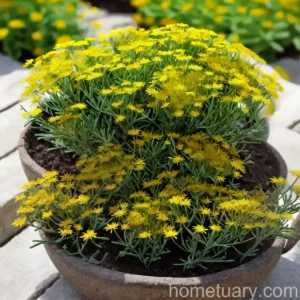
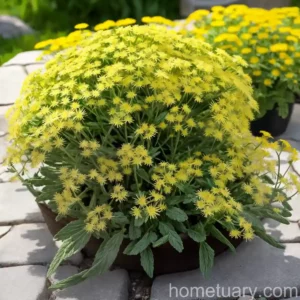
Due to its relatively modest size, attractive foliage, and adaptability to container growing, Mountain Lettuce is a popular choice for container gardening. Its ornamental and culinary potential makes it an excellent addition to patio containers, herb gardens, and smaller outdoor spaces.
Common Diseases
Like many plants, Mountain Lettuce may be susceptible to certain diseases. Here are a few common diseases that may affect Lactuca perennis and their respective symptoms:
| Disease | Symptoms |
|---|---|
| Powdery Mildew | White, powdery spots on the leaves, which may lead to leaf yellowing and stunted growth. |
| Downy Mildew | Yellow or brown spots on the leaves, often accompanied by a fuzzy growth on the undersides. |
| Leaf Spot | Circular, dark spots with a yellow halo on the leaves. |
| Root Rot | Wilting, yellowing leaves, and stunted growth, often caused by overly wet soil conditions. |
| Bacterial Blight | Water-soaked lesions on the leaves, which can rapidly progress and cause significant damage. |
Disease Diagnosis
When diagnosing and addressing diseases, it is crucial to identify the specific symptoms and signs to accurately determine the issue. Once identified, appropriate measures such as adjusting watering, improving air circulation, and applying suitable treatments can be taken to manage the disease and prevent its spread.
Common Pests
Mountain Lettuce may also face challenges from various pests. Here are some common pests that may impact Lactuca perennis and their effects:
| Pest | Effects |
|---|---|
| Aphids | Sucking insects that can cause leaf curling, yellowing, and stunted growth. |
| Slugs and Snails | Feeding on the leaves and leaving characteristic holes and slime trails. |
| Flea Beetles | Small, jumping beetles that create tiny holes in the leaves, affecting growth. |
| Cutworms | Caterpillars that can sever young plants at the stems, leading to wilting. |
| Leaf Miners | Larvae that tunnel within the leaves, causing visible trails and leaf damage. |
Botanist’s Tips
To ensure the successful cultivation of Mountain Lettuce, here are some valuable tips from botanists and experienced growers:
-
Harvesting: When harvesting the leaves for culinary or medicinal use, it is advised to pick the outer leaves first, allowing the inner leaves to continue growing and sustaining the plant’s vigor.
-
Companion Planting: Consider companion planting Mountain Lettuce with beneficial herbs and flowers to support its growth and deter pests. Plants like thyme, chives, and marigolds can serve as suitable companions.
-
Mulching: Applying a layer of organic mulch around the base of the plant can aid in moisture retention, suppress weed growth, and maintain a consistent soil temperature.
Fun Facts
-
Folklore Significance: In certain regions, Mountain Lettuce has been integrated into folklore and traditional beliefs, often symbolizing tranquility and harmony.
-
Antioxidant Properties: Studies have indicated that Mountain Lettuce possesses antioxidant properties, contributing to its potential health benefits and its historical use in natural remedies.
With its cultural and culinary significance, along with its potential medicinal properties and folklore connections, Mountain Lettuce is a fascinating plant that offers various benefits and applications. As we move forward, let’s delve into more specific details about this unique perennial herb.
References
- The Royal Horticultural Society. “Lactuca perennis.” https://www.rhs.org.uk/Plants/61734/Lactuca-perennis/Details
- Missouri Botanical Garden. “Lactuca perennis.” http://www.missouribotanicalgarden.org/PlantFinder/PlantFinderDetails.aspx?taxonid=287138