Canada Lettuce (Lactuca Canadensis): A Complete Guide
Plants are a vital part of our ecosystem, providing us with food, medicine, and beauty. One such plant that is native to Canada and holds significance is the Canada Lettuce (Lactuca Canadensis). In this comprehensive guide, we will delve into the various aspects of this native Canadian lettuce plant, including its characteristics, uses, cultivation, and much more.
What is Canada Lettuce (Lactuca Canadensis)?
Canada Lettuce, scientifically known as Lactuca Canadensis, is a wild lettuce species native to Canada. It belongs to the Asteraceae family, which includes a diverse range of flowering plants. This plant is known for its resilience and adaptability to various environmental conditions, making it an important component of Canada’s flora.
Key Takeaways – Canada Lettuce (Lactuca Canadensis)
Before diving into the specifics of Canada Lettuce, here are some key takeaways about this native Canadian plant:
- It is a wild lettuce species native to Canada and is a significant part of Canada’s natural flora.
- Canada Lettuce has a variety of uses, including culinary, medicinal, and ornamental purposes.
- This plant requires specific cultural conditions for optimal growth, which we will explore in detail.
- It is important to understand the common diseases and pests that can affect Canada Lettuce and how to manage them effectively.
Now that we have an overview of what Canada Lettuce is, let’s explore its various aspects in detail.
Culture
Cultivating Canada Lettuce requires an understanding of its specific cultural requirements, including water, sunlight, fertilizer, soil, and pruning. Let’s take a closer look at each of these aspects.
Water
Canada Lettuce thrives in moist soil conditions. Adequate watering is essential, especially during dry periods, to ensure that the plant remains healthy and vigorous. However, it is important to avoid overwatering, as this can lead to root rot and other issues. Maintaining consistent soil moisture without waterlogging is crucial for the successful cultivation of Canada Lettuce.
Sunlight
When it comes to sunlight requirements, Canada Lettuce prefers partial shade to full sun. It can tolerate some shade, especially in hotter regions, but too much shade can result in leggy growth and reduced leaf production. Providing the plant with 4-6 hours of direct sunlight per day is generally ideal for promoting healthy growth and abundant foliage.
Fertilizer
While Canada Lettuce can grow in relatively nutrient-poor soils, applying a balanced fertilizer can enhance its growth and overall health. A low to moderate application of a balanced fertilizer high in nitrogen can support robust leaf development. It is important to follow the recommended dosage and avoid over-fertilization, which can lead to excessive vegetative growth at the expense of flavor and texture.
Soil
The ideal soil for Canada Lettuce is well-draining and rich in organic matter. A loamy soil with a slightly acidic to neutral pH is preferred, as it provides the necessary nutrients and good drainage for the plant’s root system. Amending the soil with compost or well-rotted organic matter can improve its texture and fertility, creating an optimal growing environment for Canada Lettuce.
Pruning
Pruning is not a common practice for Canada Lettuce in the traditional sense, as it is primarily grown for its leaves. However, regular harvesting of outer leaves can be considered a form of pruning, promoting continuous growth and leaf production. Removing any damaged or diseased foliage is also important to maintain the plant’s overall health.
Propagation
Canada Lettuce can be propagated from seeds, making it relatively easy to establish new plants. The following steps outline the basic process of propagating Canada Lettuce from seeds:
- Seed Collection: Collect matured seeds from existing Canada Lettuce plants. Allow the seed heads to dry on the plant, then gently shake the seeds into a container.
- Seed Preparation: Clean the seeds by removing any remaining chaff or debris. Store the seeds in a cool, dry place until ready for sowing.
- Sowing: Sow the seeds directly into prepared soil in the garden or in seed trays for later transplanting. Plant the seeds at a shallow depth and water gently.
- Seedling Care: Keep the soil consistently moist but not waterlogged to support germination. Once the seedlings emerge, provide them with adequate sunlight and water as they develop.
Container Popularity
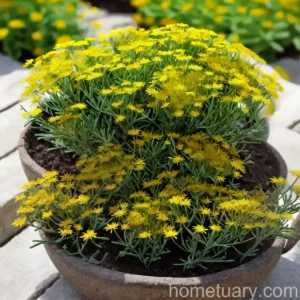
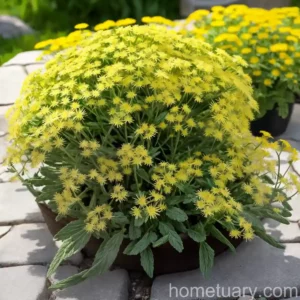
Canada Lettuce is becoming increasingly popular for container gardening due to its compact size and ornamental foliage. Growing Canada Lettuce in containers allows for greater control over its growing conditions and can be particularly appealing to urban gardeners with limited space. Whether on a balcony, patio, or windowsill, containers offer a versatile and convenient way to cultivate Canada Lettuce.
Container Common Diseases
When growing Canada Lettuce in containers, it is important to be aware of common diseases that may affect the plants. Some of the key diseases to watch out for include:
- Powdery Mildew: A fungal disease that appears as powdery, whitish spots on the leaves, affecting plant vigor and overall health.
- Leaf Spot: Caused by various fungal pathogens, leaf spot presents as dark, water-soaked lesions on the foliage, leading to leaf yellowing and defoliation if left untreated.
- Root Rot: Excessive moisture in container soil can lead to root rot, causing wilting, yellowing, and eventual death of the plant.
Disease Diagnosis
Early detection and diagnosis of diseases in Canada Lettuce grown in containers are critical for effective management. Regularly inspecting the plants for any signs of disease, such as unusual spotting, discoloration, or wilting, can help in identifying and addressing issues promptly. Proper sanitation, adequate air circulation, and appropriate watering practices can also help prevent the occurrence and spread of diseases in container-grown Canada Lettuce.
Common Pests
Several pests can pose a threat to Canada Lettuce, particularly when grown in containers. Some common pests to be mindful of include:
- Aphids: These small, sap-sucking insects can cluster on the undersides of leaves, causing distortion and yellowing of the foliage.
- Slugs and Snails: These mollusks can feed on the tender leaves of Canada Lettuce, leaving behind characteristic holes and slime trails.
- Caterpillars: Certain caterpillar species may feed on the leaves of Canada Lettuce, resulting in visible chewing damage and defoliation.
Botanist’s Tips
To ensure successful cultivation of Canada Lettuce, consider employing the following tips from a botanist’s perspective:
- Companion Planting: Pairing Canada Lettuce with compatible companion plants, such as radishes, carrots, and onions, can help deter pests and optimize garden space.
- Succession Planting: Sow new batches of Canada Lettuce seeds at regular intervals to ensure a continuous harvest throughout the growing season.
- Mulching: Apply a layer of organic mulch around Canada Lettuce plants to conserve soil moisture, suppress weeds, and maintain a more consistent soil temperature.
Fun Facts
In addition to its cultural requirements and growing tips, Canada Lettuce has a number of interesting and noteworthy characteristics. Here are some fun facts about this native Canadian plant:
- Canada Lettuce is often found in naturalized habitats such as meadows, prairies, and along roadsides throughout Canada.
- The leaves of Canada Lettuce are edible and have historically been used in culinary preparations and as a leafy green in various dishes.
- Various Indigenous peoples in Canada have recognized and utilized Canada Lettuce for its medicinal properties and cultural significance.
Links to External Resources
For further information and resources related to Canada Lettuce and its cultivation, the following links are provided:
- Canadian Wildflower Species – Native Plant Trust
- Lactuca canadensis (Canada Lettuce) – Illinois Wildflowers
- Canada Lettuce (Lactuca canadensis) – Ontario Wildflowers
- Canada Lettuce – USDA Plants Database
- Edible Wild Plants: Canada Lettuce – Grow Forage Cook Ferment
With a deeper understanding of Canada Lettuce, from its cultural needs to its fascinating characteristics, we can appreciate its value and significance within Canada’s natural landscape. Whether used for its edible leaves, ecological importance, or ornamental attributes, this native Canadian plant holds a special place in the world of wildflowers and native flora. As we continue to explore and appreciate the rich diversity of plant life around us, Canada Lettuce serves as a testament to the beauty and utility of our native botanical heritage.
Keywords: Canadian wild lettuce, Lactuca Canadensis lettuce, Lettuce native to Canada, Canadian wildflower lettuce, Lactuca Canadensis plant, Canada’s native lettuce, Canadian lettuce species, Wild lettuce in Canada, Lactuca Canadensis characteristics, Native Canadian lettuce, Lettuce found in Canada, Canada Lettuce description, Lactuca Canadensis habitat, Indigenous Canadian lettuce, Canada Lettuce facts, Canadian wild lettuce varieties, Lettuce species of Canada, Canada Lettuce benefits, Lactuca Canadensis medicinal properties, Canadian wild lettuce foliage, Lettuce native to Canadian provinces, Canada Lettuce cultivation, Lactuca Canadensis natural habitat, Canadian wild lettuce distribution, Lettuce species found in Canada, Canada Lettuce ecological importance, Lactuca Canadensis nutritional value, Canadian wild lettuce adaptations, Lettuce plant in Canadian regions, Canada Lettuce gardening tips, Lactuca Canadensis folklore, Canadian wild lettuce history, Lettuce variety in Canada, Canada Lettuce plant care, Lactuca Canadensis environmental significance, Native Canadian lettuce gardening, Canada Lettuce plant anatomy, Lactuca Canadensis ethnobotany, Canadian wild lettuce conservation, Lettuce species in Canada’s flora, Canada Lettuce culinary uses, Lactuca Canadensis unique features, Native Canadian lettuce recipes, Canada Lettuce foraging, Lactuca Canadensis plant identification, Canadian wild lettuce folklore, Lettuce cultivation techniques in Canada, Canada Lettuce traditional uses, Lactuca Canadensis natural remedies