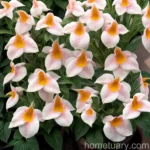
Mountain Indian Paintbrush (Castilleja Parviflora): A Beautiful and Unique Wildflower
As a plant scientist and nature enthusiast, I am incredibly passionate about the vast and diverse world of flora. In this blog post, we are going to delve into the vibrant world of the Mountain Indian Paintbrush, scientifically known as Castilleja parviflora. This striking wildflower, often labeled as a wildflower Indian paintbrush, captures the essence of the natural beauty found in North America’s mountainous regions.
What is Mountain Indian Paintbrush (Castilleja Parviflora)?
The Mountain Indian Paintbrush is a herbaceous perennial plant that belongs to the Orobanchaceae family. It is indigenous to the Western United States and Canada, where it thrives in high-altitude mountain meadows, rocky slopes, and subalpine zones. The plant is named after the Spanish botanist Domingo Castillejo, and its species name, parviflora, derives from the Latin words “parvus” and “florus,” meaning small and flower, respectively.
Key Takeaways – Mountain Indian Paintbrush (Castilleja Parviflora)
Before we dive deeper into the characteristics and care of the Mountain Indian Paintbrush, let’s take a moment to summarize the key takeaways:
- Scientific Name: Castilleja parviflora
- Common Names: Mountain Indian paintbrush, wildflower Indian paintbrush, red Indian paintbrush, western Indian paintbrush, scarlet Indian paintbrush, prairie Indian paintbrush, and more.
- Natural Habitat: High-altitude mountain meadows, rocky slopes, and subalpine zones in the Western United States and Canada.
- Cultural Significance: Traditional medicinal uses in Native American folklore; symbolic association with diverse meanings in various indigenous cultures.
- Growth Requirements: Well-drained soil, ample sunlight, minimal watering, and specific ecological conditions due to its hemiparasitic nature.
Now, let’s explore the various aspects of this captivating wildflower, including its cultural significance, growth requirements, and potential uses in horticulture and landscaping.
Culture
The Mountain Indian Paintbrush holds deep cultural significance, particularly among Native American tribes. It is important to acknowledge and respect the traditional knowledge and folklore associated with this plant. In various indigenous cultures, the plant is revered for its vibrant red and orange bracts, often symbolizing diverse concepts such as strength, vitality, and unity with nature. Additionally, the plant has been historically utilized in traditional medicines and spiritual practices.
Uses
Traditional and Medicinal Uses:
In traditional Native American medicine, the Mountain Indian Paintbrush has been used for its purported healing properties. Indigenous communities have utilized different parts of the plant, including the leaves, stems, and flowers, in various preparations for addressing specific health concerns. However, it is crucial to approach traditional plant uses with cultural sensitivity and respect for indigenous knowledge.
Landscaping and Horticulture:
From a horticultural perspective, the Mountain Indian Paintbrush adds a unique and vibrant touch to native wildflower gardens and naturalistic landscapes. Its fiery-colored bracts and distinctively clustered flowers make it a visually captivating addition to alpine and mountain-themed garden designs. However, due to its specific ecological requirements and hemiparasitic nature, successful cultivation in home gardens can be challenging.
Water
Watering Requirements:
The Mountain Indian Paintbrush has evolved to thrive in mountainous ecosystems with well-drained, rocky soils and relatively limited water availability. As a result, it is crucial to mimic these ecological conditions when cultivating the plant in a garden or container. Overly moist or waterlogged soil can lead to root rot and other detrimental effects.
Watering Practices:
When cultivating Mountain Indian Paintbrush in a garden setting, it is essential to monitor the moisture levels of the soil. Watering should be done sparingly, especially in well-drained, sandy, or gravelly soils. In the absence of natural rainfall, occasional deep watering can be beneficial, mimicking the periodic mountainous rain or snowmelt patterns.
Sunlight
Sun Exposure:
As a native wildflower of high-altitude mountain regions, the Mountain Indian Paintbrush thrives in full to partial sunlight. In its natural habitat, it adapts to the intense, unfiltered sunlight found at high elevations, making it well-suited for sunny garden locations with well-drained soil.
Sunlight Requirements:
When cultivating this wildflower in a garden or landscape setting, it is essential to prioritize ample sunlight exposure. Selecting a site with at least six to eight hours of direct sunlight per day is ideal for promoting healthy growth and vibrant floral displays.
Fertilizer
Nutrient Requirements:
The Mountain Indian Paintbrush is a hemiparasitic plant, meaning it establishes a partial parasitic relationship with neighboring host plants to obtain a portion of its required nutrients. This unique ecological adaptation has implications for fertilization practices in cultivated settings.
Fertilization Considerations:
In garden and landscape settings, minimal to no supplemental fertilization is recommended for the Mountain Indian Paintbrush. Excessive fertilization can disrupt the plant’s natural ecological balance and lead to unintended consequences for both the plant and its associated host species.
Soil
Soil Characteristics:
The preferred soil conditions for the Mountain Indian Paintbrush mirror its natural subalpine and mountainous habitat. These include well-drained, gravelly or sandy soils with minimal organic matter. The plant exhibits a preference for slightly acidic to neutral soils.
Garden Soil Preparation:
When preparing garden beds or containers for cultivating the Mountain Indian Paintbrush, it is essential to prioritize soil characteristics that resemble its natural habitat. Incorporating sand or gravel into the soil mix can improve drainage and mimic the rocky, well-drained conditions that the plant thrives in.
Pruning
Maintenance Practices:
Pruning requirements for the Mountain Indian Paintbrush are relatively minimal, as the plant tends to maintain a compact and clumping growth habit. Deadheading spent flowers can promote prolonged blooming and prevent the redirection of resources to seed production.
Pruning Considerations:
While minor deadheading can enhance the plant’s overall appearance, significant pruning or cutting back of the foliage should be avoided, as it can disrupt the plant’s natural growth patterns and ecological interactions with its host species.
Propagation
Propagation Methods:
The propagation of the Mountain Indian Paintbrush is primarily achieved through seed germination. In its natural habitat, the plant reproduces by producing copious amounts of tiny seeds that are dispersed by wind, facilitating its colonization of open and disturbed mountainous areas.
Seed Propagation:
When cultivating the Mountain Indian Paintbrush in a garden or container setting, the collection and sowing of ripe seeds during the appropriate season can serve as an effective propagation method. It is important to note that the seed germination process can be challenging, as the plant has specific requirements for breaking dormancy and establishing root systems.
Container Popularity
Container Gardening:
While the Mountain Indian Paintbrush is primarily associated with naturalistic landscapes and alpine meadows, there is a growing interest in incorporating native wildflowers into container gardening. Cultivating this wildflower in well-drained, large containers can provide opportunities for appreciating its unique beauty in smaller garden spaces.
Considerations for Container Cultivation:
When selecting containers for cultivating the Mountain Indian Paintbrush, it is essential to prioritize size, drainage, and exposure to sunlight. Large, deep containers with adequate drainage holes are ideal for accommodating the plant’s root system and mirroring its preferred soil conditions.
Common Diseases
Disease Susceptibility:
The Mountain Indian Paintbrush is relatively resistant to common garden diseases, owing in part to its ecological adaptations and natural range. However, certain stress factors, such as overly moist soil or poor air circulation, can predispose the plant to fungal infections and root-related issues.
Disease Prevention:
To mitigate the risk of diseases in cultivated Mountain Indian Paintbrush plants, it is crucial to prioritize proper soil drainage, sufficient sunlight exposure, and minimal disturbance to the plant’s root zone.
Disease Diagnosis
Symptoms and Identification:
In the event of suspected disease or physiological issues, it is essential to closely monitor the plant for symptoms such as wilting, yellowing foliage, or unusual growth patterns. Identifying specific symptoms and patterns can aid in determining the underlying cause of the plant’s distress.
Professional Consultation:
If disease-related symptoms persist or worsen despite appropriate cultural practices, seeking the guidance of a qualified horticulturist or plant pathologist can facilitate accurate diagnosis and targeted treatment strategies.
Common Pests
Pest Resilience:
The Mountain Indian Paintbrush exhibits a degree of resilience to common garden pests, owing to its natural adaptations and ecological interactions. However, certain pests, such as aphids and spider mites, can occasionally pose challenges, particularly in enclosed garden environments.
Pest Management:
Implementing proactive pest management practices, such as regular inspection of foliage and early intervention with non-toxic control methods, can help mitigate pest-related issues without disrupting the plant’s natural ecological balance.
Botanist’s Tips for Cultivation
Given its unique ecological adaptations and specific growth requirements, successful cultivation of the Mountain Indian Paintbrush in garden and landscape settings requires careful consideration and adherence to certain guidelines. Here are some valuable tips for cultivating this captivating wildflower:
- Prioritize well-drained, rocky or gravelly soil to mimic its natural habitat.
- Select sunny garden locations with at least six to eight hours of direct sunlight per day.
- Avoid overwatering and prioritize minimal irrigation to emulate mountainous ecological conditions.
- Refrain from supplemental fertilization, as the plant has evolved to obtain nutrients through semi-parasitic interactions with host species.
- Learn about the plant’s native range and ecological associations to inform its integration into landscape designs.
Fun Facts about Mountain Indian Paintbrush
Ecological Adaptations:
The Mountain Indian Paintbrush showcases remarkable ecological adaptations, including its hemiparasitic nature and reliance on specific host species for nutrient acquisition. This unique ecological strategy has contributed to its resilience in high-altitude environments.
Native American Symbolism:
In various Native American cultures, the Mountain Indian Paintbrush holds symbolic significance, often representing concepts such as vitality, transformation, and healing. Its vibrant red and orange bracts have been integrated into traditional ceremonies and artistic expressions.
Floral Diversity:
While the plant is commonly associated with shades of red and orange, its floral displays can also include variations of yellow, pink, and purple, contributing to its visual diversity in naturalistic landscapes.
Links to External Resources
For further exploration of the Mountain Indian Paintbrush, its ecological significance, and its potential role in horticulture and landscaping, the following external resources provide valuable insights:
- USDA Plants Database – Castilleja parviflora
- Wildflower Indian Paintbrush – University of Colorado
- Cultivation of High Altitude Plants – Botanical Society of America
In conclusion, the Mountain Indian Paintbrush, with its vibrant displays and ecological adaptations, stands as a testament to the rich biodiversity found in North America’s mountainous regions. By understanding its cultural significance, growth requirements, and ecological interactions, we can foster a deeper appreciation for this captivating wildflower and explore avenues for its sustainable incorporation into diverse landscapes. Whether admired in its natural habitat or thoughtfully cultivated in horticultural settings, the Mountain Indian Paintbrush continues to mesmerize and inspire plant enthusiasts and nature lovers alike.
Plant Name: Mountain Indian Paintbrush (Castilleja Parviflora)
NLP/LSI Keywords:
1. Indian paintbrush plant
2. Castilleja parviflora
3. Mountain Indian paintbrush
4. Wildflower Indian paintbrush
5. Red Indian paintbrush
6. Western Indian paintbrush
7. Native American paintbrush plant
8. Rocky Mountain Indian paintbrush
9. Scarlet Indian paintbrush
10. Prairie Indian paintbrush
11. Paintbrush wildflower
12. Castilleja parviflora species
13. High altitude Indian paintbrush
14. Rocky Mountain paintbrush plant
15. Wild Indian paintbrush
16. Castilleja parviflora plant
17. Mountain wildflower paintbrush
18. Indian paintbrush flower
19. Castilleja parviflora natural habitat
20. Scarlet paintbrush plant
21. Native American Indian paintbrush
22. Mountain wildflower castilleja
23. Western paintbrush plant
24. Red paintbrush flower
25. Rocky Mountain wildflower paintbrush
26. Castilleja parviflora characteristics
27. Indian paintbrush plant care
28. Scarlet Indian paintbrush information
29. Prairie paintbrush plant
30. Mountain Indian paintbrush facts
31. Wild castilleja species
32. High altitude paintbrush plant
33. Native American paintbrush species
34. Rocky Mountain Indian paintbrush facts
35. Paintbrush wildflower facts
36. Castilleja parviflora medicinal uses
37. Mountain wildflower paintbrush care
38. Indian paintbrush plant varieties
39. Scarlet paintbrush flower meaning
40. Western Indian paintbrush facts
41. Red paintbrush plant information
42. Rocky Mountain wildflower paintbrush care
43. Castilleja parviflora growing conditions
44. Indian paintbrush symbolism
45. Mountain Indian paintbrush habitat
46. Wild castilleja parviflora varieties
47. High altitude paintbrush plant care
48. Native American paintbrush folklore
49. Prairie paintbrush plant facts
50. Mountain Indian paintbrush symbolism