Mountain House-leek (Sempervivum Montanum)
Welcome to the world of Mountain House-leek (Sempervivum montanum), a fascinating and resilient plant that has captured the imagination of gardeners and.
Introduction
Welcome to the world of Mountain House-leek (Sempervivum montanum), a fascinating and resilient plant that has captured the imagination of gardeners and plant enthusiasts for centuries. In this comprehensive guide, we will explore the various aspects of caring for and cultivating Mountain House-leek, from its cultural significance to its uses, growing conditions, common diseases, pests, and much more.
What is Mountain House-leek (Sempervivum montanum)?
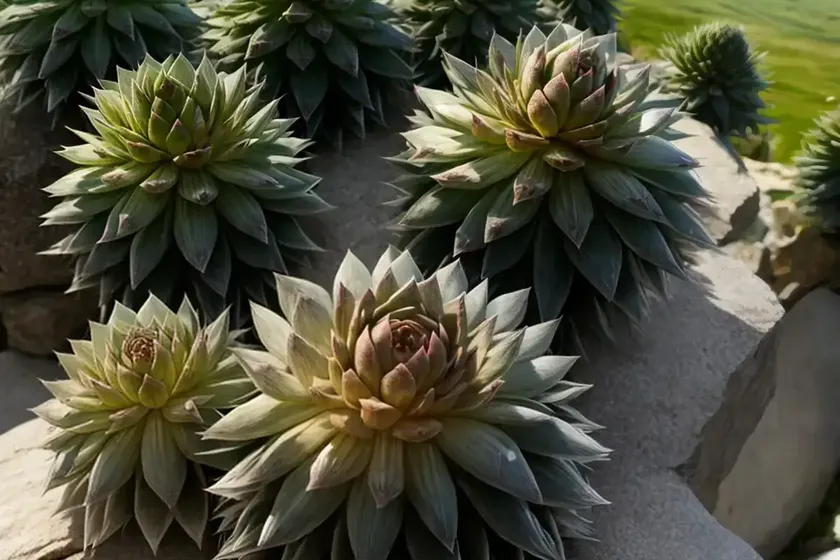
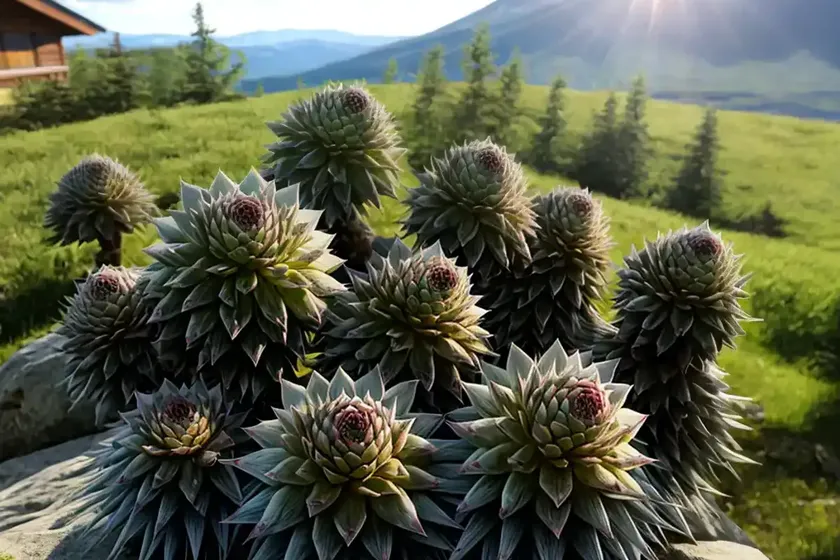
Mountain House-leek, scientifically known as Sempervivum montanum, is a species of flowering plant in the Crassulaceae family. It is native to the mountainous regions of Europe, where it thrives in rocky, alpine environments. The name “Sempervivum” is derived from the Latin words “semper,” meaning “always,” and “vivus,” meaning “living,” alluding to the plant’s reputation for enduring harsh conditions and persisting in challenging environments.
Key Takeaways
Before delving deeper into the specifics of caring for Mountain House-leek, let’s explore some key takeaways about this resilient plant:
- Scientific Name: Sempervivum montanum
- Common Name: Mountain House-leek
- Family: Crassulaceae
- Native Habitat: Alpine regions of Europe
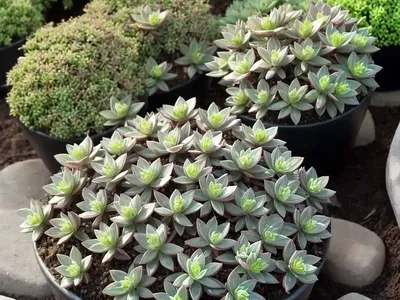
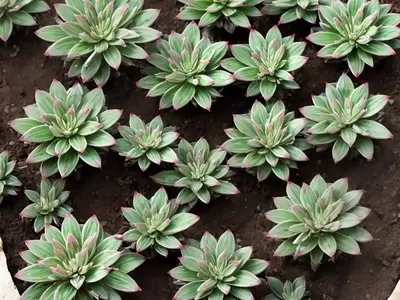
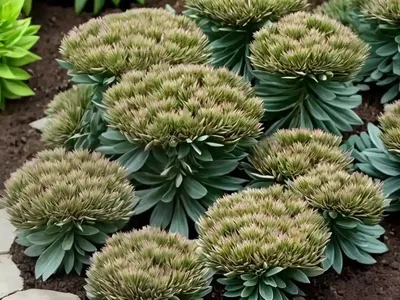
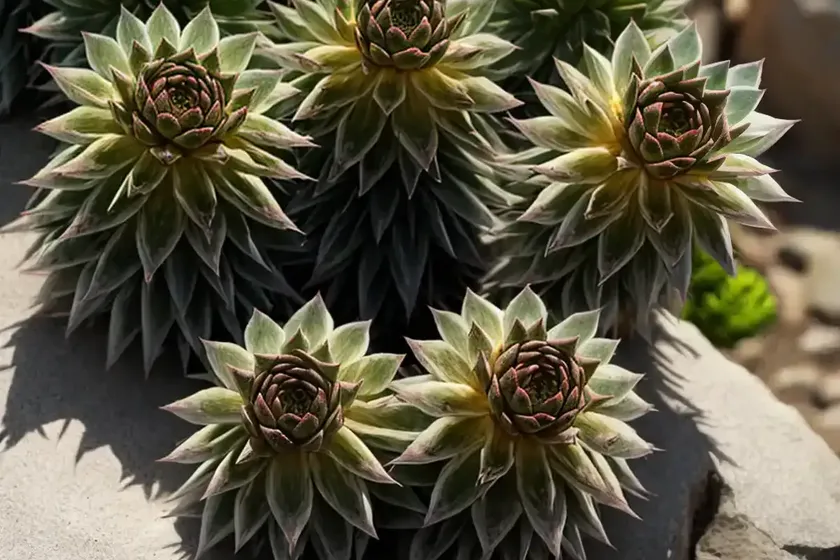
- Characteristics: Rosette-forming succulent with fleshy leaves
- Hardiness Zones: 3-8
- Uses: Ornamental, rock gardens, container gardening
- Special Feature: Drought-tolerant, low-maintenance
Now that we have an overview of Mountain House-leek, let’s delve into the details of cultivating and caring for this unique plant.
Culture
Uses
Mountain House-leek has a long history of use in horticulture and landscaping due to its distinctive appearance and resilience. Some common uses of Mountain House-leek include:
- Ornamental Plant: The striking rosettes of Mountain House-leek make it a popular choice for ornamental planting, adding visual interest to rock gardens, dry walls, or container displays.
- Rock Gardens: Mountain House-leek is well-suited to rock gardens, where it adds texture and color to the landscape while thriving in the well-draining, rocky soil.
- Container Gardening: Its compact size and drought-tolerance make Mountain House-leek an excellent choice for container gardening, adding a touch of green to patios, balconies, and other confined spaces.
Water
One of the most appealing attributes of Mountain House-leek is its remarkable drought tolerance. This plant has adapted to survive in arid mountain environments by storing water in its fleshy leaves, allowing it to withstand extended periods of drought. When cultivating Mountain House-leek, it is crucial to provide well-draining soil and to avoid overwatering, as excessive moisture can lead to root rot and other issues. Generally, Mountain House-leek should be watered sparingly, allowing the soil to dry out between watering sessions. During the growing season, a straightforward approach is to water the plant when the soil is completely dry, ensuring that excess water can freely drain away.
Sunlight
Mountain House-leek thrives in bright, sunny locations and is well-suited to full sun exposure. When selecting a planting site for Mountain House-leek, choose a location that receives ample sunlight throughout the day, as this will promote healthy growth and vibrant foliage. While Mountain House-leek can tolerate partial shade, it tends to develop stronger colors and compact growth habits when grown in full sun. When cultivating Mountain House-leek indoors, ensure that it receives adequate sunlight, either by placing it near a sunny window or providing supplemental grow lights.
Fertilizer
As a resilient and low-maintenance plant, Mountain House-leek has modest fertilizer requirements. While it can thrive without regular fertilization, occasionally providing a diluted, balanced fertilizer during the growing season can support healthy growth and vibrant foliage. When using a fertilizer, opt for a balanced, water-soluble formula and apply it at half-strength to prevent the risk of over-fertilization. It’s important to avoid applying fertilizer to dry soil, as this can potentially damage the plant’s roots. Additionally, refrain from fertilizing Mountain House-leek during its dormancy period, typically in winter, as the plant’s growth slows down during this time.
Soil
The selection of well-draining soil is crucial for the successful cultivation of Mountain House-leek. In its native mountain habitats, this plant thrives in rocky, gravelly soils that provide excellent drainage and aeration. When planting Mountain House-leek, opt for a coarse, sandy soil mix that mimics its natural growing conditions. A typical soil mix for Mountain House-leek may include a combination of sand, perlite, and a small amount of organic matter to promote balanced moisture levels and rapid drainage. Avoid overly rich or moisture-retentive soil, as this can lead to excessive moisture around the plant’s roots, increasing the risk of rot and other issues.
Pruning
Pruning requirements for Mountain House-leek are minimal, thanks to its naturally compact and self-contained growth habit. However, periodic removal of spent flower stalks and dead leaves can help maintain the plant’s appearance and promote continued growth. To prune Mountain House-leek, simply trim away any dried or withered foliage using clean, sharp scissors or pruning shears. Additionally, if the plant begins to produce offsets or “chicks,” they can be carefully removed and replanted to propagate new plants.
Propagation
One of the delightful aspects of Mountain House-leek is its ease of propagation. This plant reproduces through offsets, also known as “chicks,” which are miniature versions of the parent plant that emerge at the base of the main rosette. To propagate Mountain House-leek from offsets, carefully remove the chicks from the parent plant and plant them in a suitable soil mix, providing adequate moisture and bright, indirect sunlight. Over time, the offsets will establish roots and develop into mature plants, continuing the captivating cycle of growth. Additionally, Mountain House-leek can be propagated from leaf cuttings, where individual leaves are carefully removed and planted to produce new plants.
Container Popularity
Mountain House-leek is highly popular for container gardening due to its compact size, resilience, and striking appearance. When cultivating Mountain House-leek in containers, select pots or planters with adequate drainage holes to ensure that excess moisture can freely escape. Furthermore, choosing a well-draining soil mix is essential to prevent waterlogging and maintain optimal growing conditions for the plant. Mountain House-leek can thrive in various types of containers, from clay pots to decorative planters, adding a touch of natural beauty to indoor and outdoor spaces.
Common Diseases
Disease Diagnosis
While Mountain House-leek is generally resistant to most common plant diseases, it can occasionally encounter issues related to overwatering and poor air circulation. The primary disease concern for Mountain House-leek is rot, which can affect the plant’s roots and base if the soil becomes waterlogged or excessively moist. Significant signs of rot in Mountain House-leek include wilting, yellowing, or blackening of the leaves, as well as a foul odor emanating from the plant. To prevent and manage disease issues, it is crucial to ensure that the plant receives proper air circulation, the soil is well-draining, and watering is performed judiciously.
Common Pests
Mountain House-leek is relatively resistant to most common garden pests, thanks to the protective properties of its succulent leaves and resilient nature. However, it can occasionally attract aphids, mealybugs, or spider mites, particularly when grown in indoor environments with limited airflow. To address pest issues, carefully inspect the plant’s foliage for any signs of infestation and remove pests manually or with a gentle spray of water. Additionally, introducing natural predators such as ladybugs or releasing beneficial nematodes into the soil can help control pest populations without resorting to chemical treatments.
Botanist’s Tips
Here are some additional tips for growing and caring for Mountain House-leek:
– Mulching: Apply a thin layer of gravel or crushed rock around the base of the plant to provide additional protection against moisture-related issues and enhance the visual appeal of the planting area.
– Companion Planting: Pair Mountain House-leek with other drought-tolerant succulents and alpine plants to create visually captivating and low-maintenance landscape displays.
– Overwintering: In regions with cold winters, provide some protection to Mountain House-leek from excessive moisture and freezing temperatures, particularly for plants grown in containers or exposed locations.
Fun Facts
Now that we’ve explored the essential aspects of caring for Mountain House-leek, let’s delve into some intriguing and lesser-known facts about this captivating plant:
– In folklore and symbolism, Mountain House-leek is often associated with protection, resilience, and enduring strength. It has been used in various cultures as a symbol of steadfastness and longevity.
– Mountain House-leek is occasionally utilized in traditional medicine for its purported healing properties, with applications ranging from skin treatments to digestive remedies.
Due to its resilience and visual appeal, Mountain House-leek is a versatile and captivating plant that continues to capture the imagination of gardeners and plant enthusiasts around the world. Whether used in rock gardens, container displays, or as a low-maintenance ornamental plant, Sempervivum montanum exemplifies the enduring beauty of plants that thrive in challenging environments.
Links to External Resources
For further information and resources on Mountain House-leek (Sempervivum montanum) and related topics, consider exploring the following links:
- Sempervivum montanum care and cultivation techniques
- Mountain house-leek planting guide for optimal growth
- How to grow Sempervivum montanum in various climates
- Explore the diverse varieties of Sempervivum montanum
- Mountain house-leek propagation methods for successful reproduction
- Tips and guidelines for growing Sempervivum montanum
- Discover the art of Sempervivum montanum gardening
- Effective maintenance practices for Mountain house-leek
- Taxonomical insights into Sempervivum montanum species
- Understanding the unique characteristics of Mountain House-leek
The above resources provide valuable insights, techniques, and inspiration for cultivating and appreciating the captivating beauty of Mountain House-leek (Sempervivum montanum).
Conclusion
In conclusion, Mountain House-leek (Sempervivum montanum) stands as a testament to the enduring strength and enchanting beauty of plants that thrive in challenging environments. With its compact rosettes, vibrant colors, and remarkable resilience, this plant offers a captivating addition to rock gardens, container displays, and various landscaping settings. Whether enjoyed for its ornamental value, cultural significance, or unique characteristics, Mountain House-leek continues to inspire and delight gardeners and plant enthusiasts worldwide.
As you embark on your journey of cultivating and caring for Mountain House-leek, may the insights and recommendations shared in this guide empower you to nurture and appreciate the remarkable qualities of this enduring plant.
The comprehensive guide provided above covers various facets of Mountain House-leek (Sempervivum montanum), including its care, cultivation, uses, and fascinating attributes. Whether you are a seasoned gardener or a novice enthusiast, this guide aims to enrich your understanding and appreciation of the captivating beauty and resilience of Mountain House-leek.