Mounding Mandevilla (Mandevilla)
What is Plant: Mounding mandevilla (Mandevilla) is a popular flowering vine known for its stunning blooms and versatile growth habits. It belongs to the.
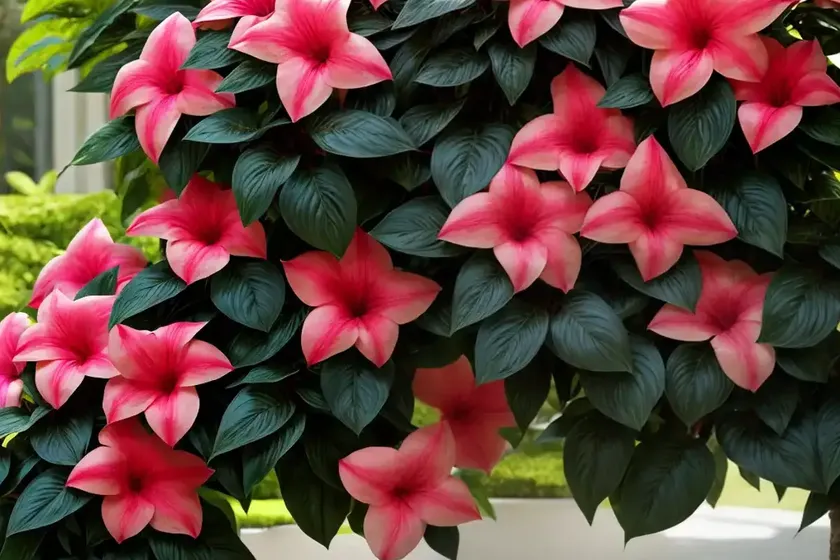
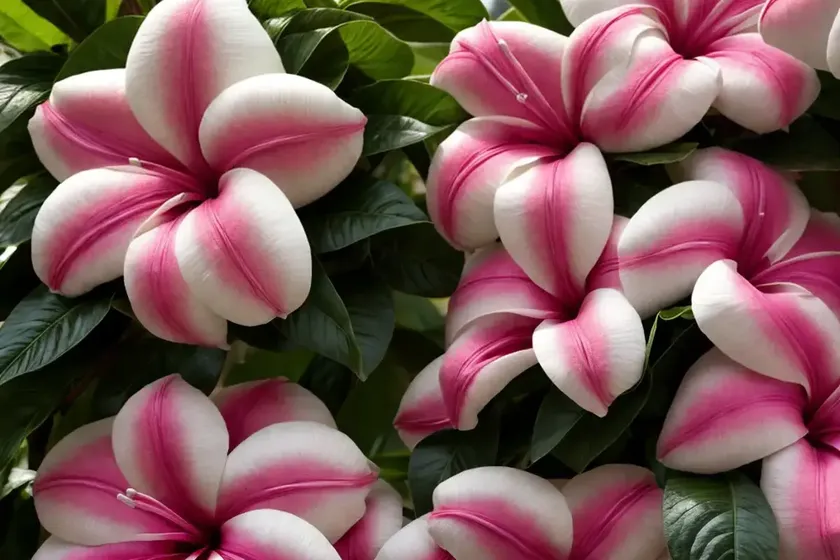
What is Plant:
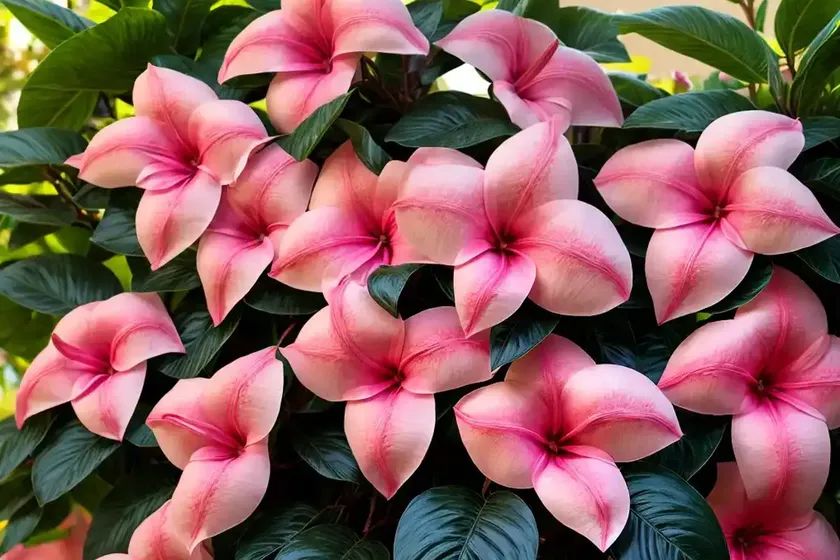
Mounding mandevilla (Mandevilla) is a popular flowering vine known for its stunning blooms and versatile growth habits. It belongs to the family Apocynaceae and is native to Central and South America. The plant is appreciated for its ability to thrive in various settings, from landscapes to containers, and its low maintenance requirements make it a favorite among gardeners and landscaping professionals.
Key Takeaways
Mounding Mandevilla (Mandevilla)
- Belongs to the family Apocynaceae
- Known for its stunning blooms and versatile growth habits
- Thrives in diverse settings, including landscapes and containers
- Low maintenance requirements make it a favorite among gardeners and landscaping professionals
Culture
Uses
Mounding mandevilla is primarily used for ornamental purposes, adding vibrant colors and lush foliage to gardens, patios, and other outdoor spaces. It is also used for landscaping purposes, where it can be trained to climb trellises, obelisks, and other support structures to create visually appealing vertical accents.
Water
Proper watering is essential for the health and vigor of mounding mandevilla. The plant prefers consistently moist, well-draining soil. In hot, dry climates, regular watering is crucial to prevent the soil from drying out completely. However, it is important to avoid overwatering, as waterlogged soil can lead to root rot and other issues.
Sunlight
Mounding mandevilla thrives in full to partial sunlight. It benefits from at least 6 hours of direct sunlight daily, which promotes prolific flowering and robust growth. In regions with intense heat, providing some afternoon shade can help protect the plant from excessive heat and sunburn.
Fertilizer
Regular feeding is essential for mounding mandevilla to support continuous growth and flowering. A balanced, water-soluble fertilizer with a higher phosphorus content is recommended to promote abundant blooms. Fertilizing every two to four weeks during the growing season can help maintain the plant’s vigor and enhance its visual appeal.
Soil
Mounding mandevilla thrives in well-draining, slightly acidic soil with a pH level ranging from 5.5 to 6.5. A quality potting mix designed for flowering plants or a blend of peat moss, perlite, and compost provides an ideal growing medium for container-grown mandevilla. In garden beds, amending the soil with organic matter can improve its texture and fertility.
Pruning
Pruning is a key aspect of mounding mandevilla care, helping to shape the plant, remove dead or overgrown branches, and promote branching and flowering. It is best to prune the plant in early spring before the onset of new growth. Regular deadheading of spent flowers can also encourage the plant to produce new blooms.
Propagation
Mounding mandevilla can be propagated through stem cuttings, which involves taking 4 to 6-inch cuttings from healthy, actively growing stems. These cuttings can then be rooted in a moist, well-draining rooting medium and provided with bottom heat to encourage root formation. Once rooted, the cuttings can be transplanted into individual pots and cared for as young plants.
Container Popularity
Mounding mandevilla is highly popular as a container plant due to its ability to thrive and bloom abundantly in pots, hanging baskets, and other types of containers. Its vining nature and colorful flowers make it an attractive choice for adding vertical interest and bursts of color to outdoor living spaces, patios, and balconies.
Container Common Diseases
While growing in containers provides numerous benefits, mounding mandevilla can be susceptible to certain diseases in a containerized environment. Common diseases that may affect container-grown mandevilla include powdery mildew, leaf spot, and stem rot. Proper watering, adequate air circulation, and disease-resistant varieties can help mitigate these issues.
Disease Diagnosis
Diagnosing diseases in mounding mandevilla often involves careful observation of the plant for symptoms such as discolored or spotted leaves, wilting, and unusual growth patterns. Additionally, examining cultural practices, environmental conditions, and recent changes in the plant’s care routine can provide valuable insights into the potential causes of disease.
Common Pests
Pests such as aphids, spider mites, and whiteflies can occasionally infest mounding mandevilla, posing challenges to plant health and aesthetics. Regularly inspecting the plant for signs of pest activity, such as stippled leaves, webbing, or sticky residues, can help in early detection and prompt intervention to prevent pest populations from escalating.
Botanist’s Tips
- Mounding mandevilla varieties offer a wide range of flower colors, including shades of pink, red, white, and yellow, allowing for diverse landscaping and container design possibilities.
- Training mounding mandevilla to climb trellises or other support structures can create captivating vertical elements in garden landscapes, adding visual interest and maximizing space utilization.
- Regularly monitoring the soil moisture and adjusting watering practices based on environmental conditions can help prevent water-related issues and promote healthy growth and blooming.
Fun Facts
- The genus Mandevilla is named after Henry Joseph Mandeville, a British diplomat and gardener who lived in the 19th century.
- Mounding mandevilla is revered for its long flowering period, with blooms often persisting throughout the summer and into the early fall, providing continuous color and visual appeal.
Links to External Resources
- Mandevilla: Tips for Growing and Caring for Mandevilla Vines
- Mandevilla Care Guide
- Growing Mandevilla: How to Care for Beautiful Flowers
In conclusion, Mounding mandevilla (Mandevilla) is a versatile and visually striking plant that brings beauty and elegance to various indoor and outdoor settings. With proper care, including adequate watering, appropriate sunlight exposure, regular feeding, and vigilant pest and disease management, mounding mandevilla can thrive and enchant with its vibrant blooms and lush foliage. Whether grown in garden beds or containers, this flowering vine is sure to captivate the hearts of plant enthusiasts and admirers of natural beauty.